
In the evolving landscape of personal finance, digital payment applications like Cash App have become indispensable tools for managing money. Understanding the various avenues available to fund your Cash App account is crucial for efficient financial planning, budgeting, and ensuring liquidity for daily transactions. Whether you’re looking to pay a friend, make an online purchase, or simply consolidate funds, Cash App offers several flexible and accessible methods to add money, each with its own financial implications, benefits, and considerations.
Direct Digital Transfers: Linking Bank Accounts and Debit Cards
One of the most common and often preferred methods for funding your Cash App account involves leveraging existing financial infrastructure through direct digital transfers. This method offers varying degrees of speed and cost, making it essential for users to understand the nuances to optimize their personal finance strategy.

Instant Deposits via Linked Debit Card
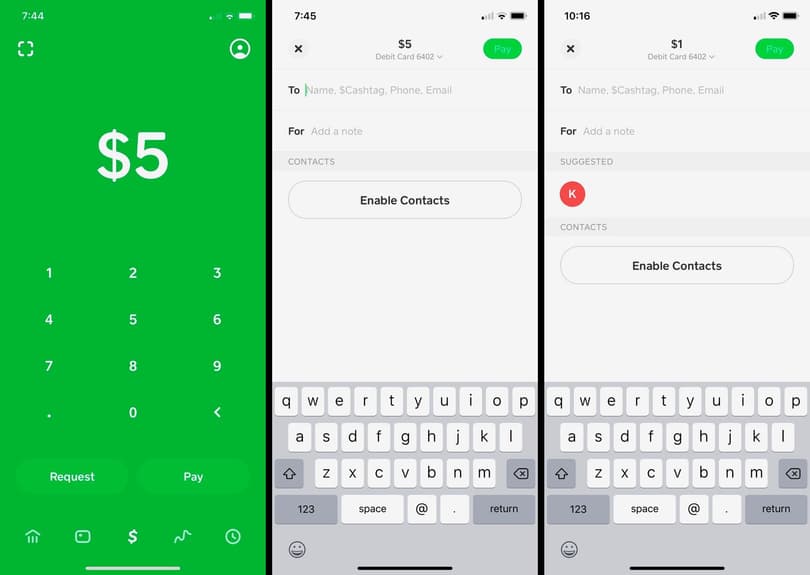
For immediate access to funds, linking a debit card to your Cash App account is the most straightforward option. Once connected, you can instantly add money from your checking account to your Cash App balance. This method is particularly beneficial for urgent transactions or when you need to quickly top up your balance for a specific purchase.
From a financial perspective, the primary advantage is speed. Money typically becomes available within seconds, allowing for real-time financial agility. However, it’s crucial to be aware that while most standard transfers from a linked debit card are free, some banks or Cash App itself might impose fees for instant transfers, especially for withdrawals from Cash App to your bank. For adding funds, the process is generally free, but always verify the terms within the app. This method seamlessly integrates your traditional banking with your digital wallet, making it a cornerstone for many users’ financial operations within the app. Ensure the debit card is issued by a major network like Visa, MasterCard, Discover, or American Express for compatibility.
Standard Transfers from Bank Account
While Cash App primarily uses debit cards for direct funding, users can also facilitate transfers from their linked bank accounts. The key distinction here is the speed. Transfers initiated directly from a linked bank account, without going through a debit card, typically take longer to process—often 1-3 business days.
This method, while slower, is often completely free, making it a cost-effective choice for non-urgent transfers or for larger sums where immediate access isn’t a priority. For individuals managing their budget, planning ahead for expenses, or topping up their Cash App for future use, standard bank transfers represent a prudent financial choice, avoiding any potential instant transfer fees. It underscores the importance of planning and foresight in personal finance to minimize transaction costs. To link a bank account, users typically provide their bank login credentials, which securely connects their bank to Cash App through third-party financial data providers.
Auto-Add Feature for Seamless Funding
For users who regularly use Cash App for various transactions and wish to maintain a minimum balance, the auto-add feature can be a powerful financial management tool. This functionality allows Cash App to automatically draw funds from your linked debit card whenever your balance falls below a predefined threshold.
Setting up auto-add transforms Cash App into a more proactive financial instrument. It ensures that you always have funds available for recurring payments, subscriptions, or routine spending, eliminating the need for manual top-ups and reducing the risk of insufficient funds. This contributes significantly to a smoother financial experience and can be integrated into a broader budgeting strategy. For instance, if you use Cash App for your daily coffee or weekly grocery delivery, setting an auto-add rule can ensure uninterrupted service without you having to constantly monitor your balance. It empowers users with greater control over their liquidity and reinforces proactive financial habits, though users should always be mindful of the source account’s balance to prevent overdrafts.
Adding Physical Cash: The Retail Store Option
For those who primarily deal in physical currency or prefer to convert cash into digital funds, Cash App provides a convenient solution through its network of retail partners. This method bridges the gap between traditional cash transactions and the digital payment ecosystem, catering to a diverse range of financial needs.
Cash App Barcode Deposits
Cash App has partnered with numerous retail stores across the country, allowing users to deposit physical cash directly into their accounts. The process is simple and mimics a traditional bank deposit, but without the need for a bank branch. Users generate a unique barcode within the Cash App. This barcode is then presented to a cashier at a participating retail location along with the cash they wish to deposit. The cashier scans the barcode, accepts the cash, and the funds are typically added to the user’s Cash App balance immediately.
From a financial planning perspective, this option is invaluable for individuals who receive income in cash, or those who prefer to manage their spending by allocating specific amounts of physical cash to their digital wallet. It eliminates the need for a separate bank account to digitize cash. However, it’s important to note that most retail cash deposits are subject to a small fee, typically around $1 per transaction, which Cash App clearly displays. Users should factor these fees into their financial calculations, especially if making frequent cash deposits. Additionally, there are often daily and weekly limits on cash deposits, which users should be aware of to avoid any inconvenience.
Partner Locations and Availability
The accessibility of cash deposit locations is a significant factor for users relying on this method. Cash App has established partnerships with a wide array of popular retail chains, making it relatively easy to find a convenient location. Major partners often include stores like Walmart, 7-Eleven, Walgreens, CVS, and Family Dollar, among others.
To locate the nearest participating store, users can simply open their Cash App, navigate to the “Add Cash” section, and use the in-app map feature. This geographical accessibility ensures that individuals in various neighborhoods, including those underserved by traditional banking branches, can easily fund their digital wallets. The widespread availability minimizes the time and effort required to convert physical cash into a usable digital balance, making Cash App a practical financial tool for a broad demographic. Before heading to a store, it’s always advisable to confirm the store’s participation and any specific operational hours for Cash App services through the app.
Receiving Funds from Others and Direct Deposits
Beyond self-funding, Cash App is fundamentally designed as a platform for transferring and receiving money, making it a powerful tool for peer-to-peer transactions and managing income.
Peer-to-Peer Transfers
One of Cash App’s core functionalities is its seamless peer-to-peer (P2P) payment system. Friends, family, or even customers can send money directly to your Cash App account using your unique “$Cashtag,” phone number, or email address. This method is incredibly convenient for splitting bills, repaying debts, or receiving money from individuals.
From a financial management standpoint, P2P transfers are typically instant and free, making them an efficient way to settle financial obligations or receive payments. This streamlines personal budgeting, especially for shared expenses or informal transactions, as funds are immediately available in your Cash App balance. It’s a quick and easy way to receive money without traditional banking delays or fees, facilitating fluid financial interactions within a social network.
Direct Deposit for Paychecks and Benefits
Cash App offers a robust direct deposit feature, allowing users to receive paychecks, tax refunds, government benefits, and other regular income directly into their Cash App account. By providing employers or benefit providers with the Cash App routing and account numbers (found in the “Banking” or “Money” tab), users can bypass traditional bank accounts for their income.
This feature is a significant advantage for users seeking faster access to their funds, as direct deposits often become available up to two days earlier than traditional banks. For individuals who prefer to manage their primary finances through Cash App or those who are unbanked or underbanked, this provides a critical financial lifeline. It eliminates the need for check cashing services, which often come with high fees, thereby saving money and increasing disposable income. Integrating direct deposit with Cash App can simplify financial management by centralizing income and making it immediately accessible for spending, saving, or investing within the app.
Tax Refunds and Government Benefits
In addition to paychecks, Cash App’s direct deposit functionality extends to receiving tax refunds and various government benefits. This includes unemployment benefits, Social Security payments, and other forms of public assistance. The ability to direct these funds straight to a Cash App account offers convenience and speed, which can be critical for individuals relying on these payments for essential needs.
Utilizing Cash App for these types of deposits streamlines the process, ensuring funds are available quickly without the delays associated with mailed checks or traditional bank processing times. This provides a reliable and efficient financial conduit for managing important government payouts, underscoring Cash App’s role as a comprehensive financial tool for a wide spectrum of users. It further solidifies its position as a viable alternative or supplement to traditional banking for managing diverse income streams.
Important Considerations for Managing Funds on Cash App
While Cash App provides a convenient and flexible platform for managing personal finances, responsible use requires understanding its inherent limitations, security protocols, and how it integrates into a broader financial strategy.
Understanding Limits and Fees
Every financial tool comes with its own set of rules, and Cash App is no exception. Users must familiarize themselves with the daily, weekly, and monthly limits for adding money to their accounts. These limits vary depending on the funding method and whether the user has verified their identity. For instance, cash deposits at retail stores typically have lower limits than digital transfers from linked bank accounts.
Equally important is understanding the fee structure. While many basic transactions within Cash App are free, certain services, such as instant transfers to an external bank account or retail cash deposits, may incur small fees. Failing to account for these fees can subtly erode your balance and disrupt your budgeting. Always check the current limits and fee schedule within the app’s terms of service or during the transaction process to ensure you’re making financially sound decisions. Prudent financial management involves always being aware of the costs associated with your chosen financial tools.
Security Best Practices
Protecting your financial assets on Cash App is paramount. The platform employs robust security measures, but user vigilance is equally crucial. Always enable two-factor authentication (2FA) for an added layer of security, requiring a code sent to your phone or email in addition to your password. Use a strong, unique password for your Cash App account and avoid sharing your login credentials with anyone.
Be acutely aware of phishing scams and fraudulent requests. Cash App will never ask for your PIN or full login details via email or unsolicited messages. Verify the identity of anyone requesting money or personal information, even if they claim to be from Cash App support. Only interact with official Cash App channels for assistance. Regularly review your transaction history for any unauthorized activity. By adhering to these security best practices, you can significantly mitigate the risk of financial fraud and ensure the safety of your funds within the application.

Integration with Personal Finance Strategy
Cash App is a powerful financial tool, but it should ideally be integrated thoughtfully into your overall personal finance strategy. For some, it might serve as a primary banking alternative, especially with its direct deposit capabilities and Cash Card. For others, it might function as a secondary wallet for specific purposes, such as budgeting for discretionary spending, managing peer-to-peer payments, or handling side hustle income.
Consider how Cash App fits into your budget. Can you use it to allocate funds for specific categories? Do the instant transfer capabilities help you maintain liquidity for immediate needs? How does it complement your savings goals or investment strategies if you’re utilizing its stock or Bitcoin features? By consciously aligning Cash App’s functionalities with your financial goals, you can leverage its benefits to enhance your money management, streamline transactions, and maintain better control over your financial ecosystem. It’s about making Cash App work for your financial life, not against it.
aViewFromTheCave is a participant in the Amazon Services LLC Associates Program, an affiliate advertising program designed to provide a means for sites to earn advertising fees by advertising and linking to Amazon.com. Amazon, the Amazon logo, AmazonSupply, and the AmazonSupply logo are trademarks of Amazon.com, Inc. or its affiliates. As an Amazon Associate we earn affiliate commissions from qualifying purchases.