
Food waste is a global paradox. In a world grappling with pervasive food insecurity, an estimated one-third of all food produced for human consumption is lost or wasted annually. This isn’t merely a moral dilemma; it represents an enormous financial drain, impacting individuals, businesses, and national economies. Conversely, food donation emerges not just as an act of altruism but as a financially astute strategy that addresses this waste, alleviates hunger, and offers tangible economic benefits for all stakeholders. This article delves into the financial implications and strategic advantages of food donation, positioning it as a critical component of modern personal and business finance, community resource management, and sustainable economic development. Understanding “where to donate food” extends beyond mere logistics; it involves identifying channels that maximize financial efficiency and social return on investment.
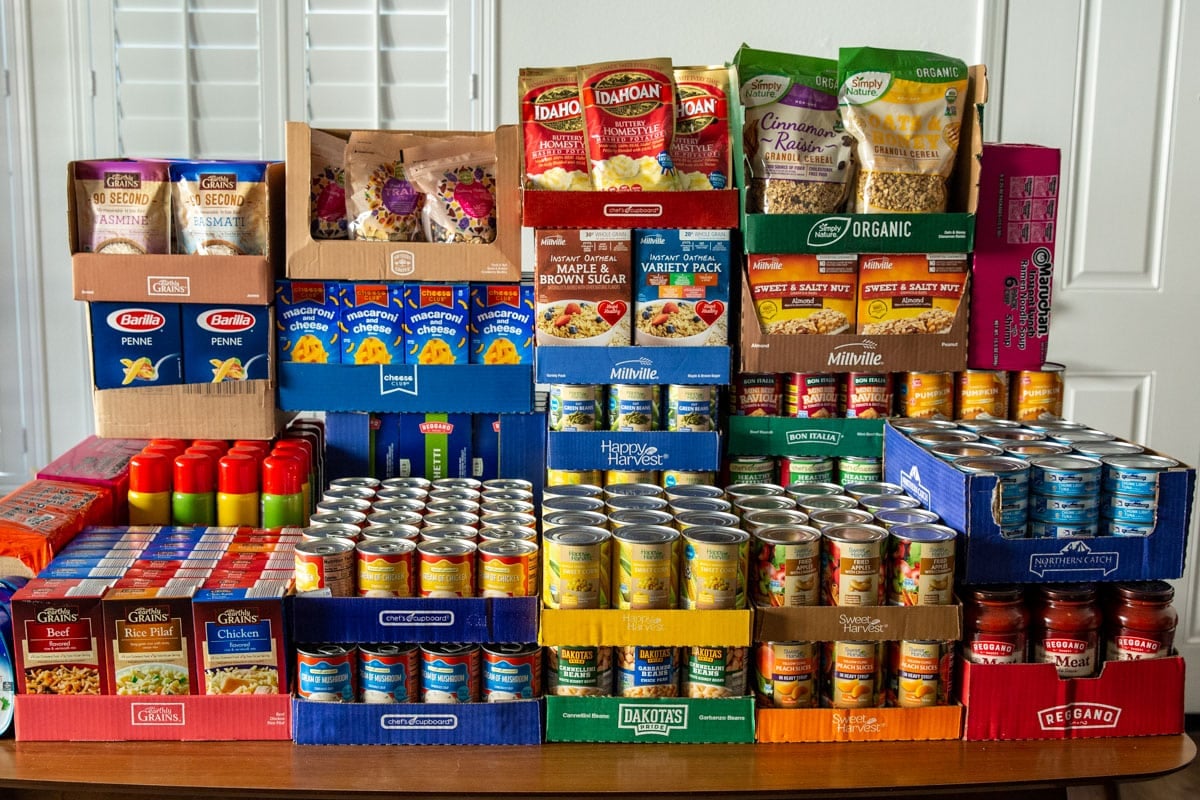
Strategic Giving: Understanding the Financial Mechanics of Food Donation
The act of donating food is often seen purely through a charitable lens, but its financial underpinnings are robust and multifaceted. For individuals, businesses, and recipient organizations, strategic food donation can unlock significant economic value, transforming potential waste into tangible assets and services.
Beyond Charity: Tax Incentives and Financial Advantages for Donors
Donating food is more than a good deed; it’s a financially smart move with clear incentives. For individual donors, non-cash charitable contributions, including food, can be eligible for tax deductions. While individual tax situations vary, keeping meticulous records of donated items and their fair market value can reduce one’s taxable income, effectively lowering the overall cost of generosity. This turns a simple act of giving into a financially intelligent decision, demonstrating that philanthropy can align with personal financial planning.
For businesses, particularly those in the food industry like restaurants, grocery stores, and catering companies, the financial benefits are even more pronounced. Surplus food, if not donated, often becomes a costly liability. Disposal fees, storage expenses, and the inherent loss of invested capital in unsold inventory can significantly impact a company’s bottom line. By donating wholesome, edible surplus food, businesses can:
- Reduce Waste Disposal Costs: Diverting food from landfills directly cuts down on waste management expenses.
- Generate Tax Deductions: Many countries offer enhanced tax deductions for businesses that donate food, exceeding the deduction for mere inventory write-offs. In the U.S., for instance, the Enhanced Deduction for Charitable Contributions of Food allows businesses to deduct the lesser of twice the basis value of the donated food or the basis value plus half the appreciation. This transforms a potential loss into a valuable tax asset.
- Improve Brand Image and Customer Loyalty: Demonstrating corporate social responsibility (CSR) through food donation can enhance public perception, attract socially conscious consumers, and foster greater employee engagement, all of which contribute to long-term financial health.
These combined advantages illustrate how food donation shifts from a simple charitable act to a calculated financial strategy, mitigating losses and generating goodwill that translates into economic value.
The Economic Value of a Donated Meal: Resource Allocation and Cost Savings for Recipients
For food banks, shelters, and community kitchens, food donations are the lifeblood of their operations. Each donated item represents a direct cost saving, allowing these non-profit organizations to stretch their budgets further and deliver more comprehensive services. If these organizations had to purchase all the food they distribute, their operational costs would skyrocket, severely limiting their capacity to address food insecurity.
Consider the ripple effect: a food bank receives a donation of 500 pounds of pasta. This donation frees up funds that would have otherwise been spent on purchasing that pasta. These saved funds can then be redirected to other critical areas, such as:
- Operational Overheads: Covering utility bills, rent for distribution centers, and vehicle maintenance.
- Program Expansion: Funding educational initiatives, job training programs, or health clinics often co-located with food services.
- Specialized Support: Providing diet-specific foods for individuals with allergies or health conditions, which might be more expensive to source.
- Staffing and Volunteers: Investing in training and support for the people who make these services possible.
Quantifying the economic impact, every dollar’s worth of donated food can translate into several meals provided, significantly amplifying the financial utility of the original contribution. This efficient allocation of resources empowers recipient organizations to not only feed the hungry but also to tackle the root causes of poverty and food insecurity, fostering long-term community resilience and economic stability.
Optimizing Your Contribution: Identifying Financially Efficient Donation Channels
Understanding where to donate food is crucial for maximizing the economic and social return on your contribution. Different channels offer varying levels of efficiency, direct impact, and specialized needs, making informed choices key to financially intelligent philanthropy.
Leveraging Local Networks: Food Banks, Pantries, and Community Kitchens
Local food banks, food pantries, and community kitchens often represent the most direct and financially efficient pathways for food donation. These organizations are deeply embedded within their communities, possess established logistical networks, and have a clear understanding of local needs. Donating directly to these entities can:
- Minimize Logistical Costs: By reducing the need for intermediary transportation or warehousing, more of the food’s value reaches the end-user. For individual donors, a local drop-off avoids shipping costs. For businesses, direct pickups by local food banks can streamline inventory offloading.
- Ensure Timely Distribution: Local operations typically have shorter supply chains, meaning food reaches recipients faster, reducing the risk of spoilage and maximizing the freshness and nutritional value of perishable items. This minimizes the financial loss associated with food becoming unusable.
- Support Local Economies: By strengthening local charities, donors contribute to the fabric of their immediate community, fostering local economic stability and reducing reliance on broader, potentially less efficient, relief networks.
Specialized Programs: Shelters, Schools, and Churches as Economic Distribution Hubs
Beyond traditional food banks, various specialized organizations serve as vital economic distribution hubs for food. Shelters for the homeless, schools running breakfast or after-school meal programs, and churches with community outreach initiatives often have existing infrastructure and direct access to specific vulnerable populations.
- Targeted Impact: Donating to these entities allows for a highly targeted economic intervention, addressing food insecurity among specific groups like children, families in crisis, or individuals experiencing homelessness. This direct line of impact ensures that the financial value of the donation is precisely allocated to those most in need.
- Reduced Overhead: These organizations often have volunteers and existing facilities, minimizing the administrative and logistical overhead associated with distributing food. For example, a school already has kitchens and staff for meal preparation, efficiently integrating donated food into their existing operations.
- Complementary Services: Many shelters and churches provide a holistic suite of services (e.g., housing, counseling, job placement), where food donations are integrated as part of a broader support system, maximizing the overall economic and social benefit to recipients.
Corporate Surplus Management: Turning Waste into Wealth
For businesses, managing surplus food efficiently is a critical financial consideration. The traditional model of discarding excess inventory represents a direct financial loss. However, smart corporate donation strategies can transform this liability into an asset.
- Partnerships with Food Recovery Organizations: Many businesses partner with specialized food recovery organizations that facilitate the pickup and distribution of large volumes of surplus food to a network of charities. These partnerships offer streamlined logistics, ensuring compliance with food safety regulations, and providing comprehensive documentation for tax purposes.
- Technology-Driven Solutions: The emergence of food recovery apps and platforms (while technically “tech,” their function is purely financial optimization) connects businesses with local charities in real-time, allowing for efficient redistribution of perishable goods that would otherwise go to waste. This minimizes losses from spoilage and ensures timely donation.
- Sustainability and CSR Reporting: Beyond direct financial benefits, effective surplus food donation enhances a company’s sustainability credentials and CSR reporting, appealing to investors and consumers who increasingly value ethical business practices. This positively impacts intangible assets like brand equity, which has significant long-term financial value.
The Economic Landscape of Food Waste and Its Financial Solution
Food waste is not merely an environmental problem; it represents a colossal misallocation of resources with profound economic consequences. Tackling food waste through intelligent donation is a financially prudent approach that offers significant returns on investment.
The Hidden Costs of Food Waste: Environmental and Economic Drain
The global cost of food waste is staggering, estimated to be trillions of dollars annually when considering the entire supply chain. This financial burden is multifaceted:
- Production Costs: Resources like water, land, labor, and energy are expended to produce food that is never consumed. This represents a direct economic loss for farmers and producers.
- Transportation and Storage Costs: Fuel, refrigeration, and warehousing expenses are incurred for food that ultimately goes to waste.
- Disposal Costs: Landfilling food waste incurs tipping fees, contributes to greenhouse gas emissions (methane, a potent climate pollutant), and pollutes soil and water, all of which have direct and indirect financial costs for municipalities and public health systems.
- Opportunity Costs: The capital and resources tied up in wasted food could have been invested in other productive areas, hindering economic growth and development.
The environmental costs, while often harder to quantify directly in dollars, inevitably translate into future financial burdens through climate change adaptation, resource scarcity, and public health expenditures. Reducing food waste through donation directly mitigates these costs, freeing up capital and preserving resources.
Investing in Food Security: Long-Term Economic Benefits of Reducing Hunger
Addressing food insecurity through consistent food donation is a crucial investment in human capital and long-term economic prosperity. A well-nourished population is a more productive population, leading to a virtuous cycle of economic growth:
- Improved Health Outcomes: Access to nutritious food reduces rates of diet-related illnesses, lowers healthcare costs, and frees up public health resources for other critical services.
- Enhanced Educational Attainment: Children who are food-secure perform better in school, leading to higher educational attainment and greater future earning potential. This contributes to a more skilled workforce.
- Increased Productivity and Economic Participation: Adults who are not burdened by hunger are more capable of working, contributing to the labor force, and participating actively in the economy. This boosts national GDP and reduces reliance on social safety nets.
- Reduced Social Instability: Food insecurity can be a driver of social unrest and instability. By ensuring basic needs are met, communities become more cohesive and resilient, fostering an environment conducive to economic development.
The financial return on investment in food security, though often indirect, is substantial, creating a healthier, more educated, and more productive society that can drive sustained economic growth.
Smart Donation Practices: Maximizing the Value of Each Item
To optimize the financial impact of food donation, it’s essential to adopt smart donation practices that ensure the highest utility for recipient organizations:
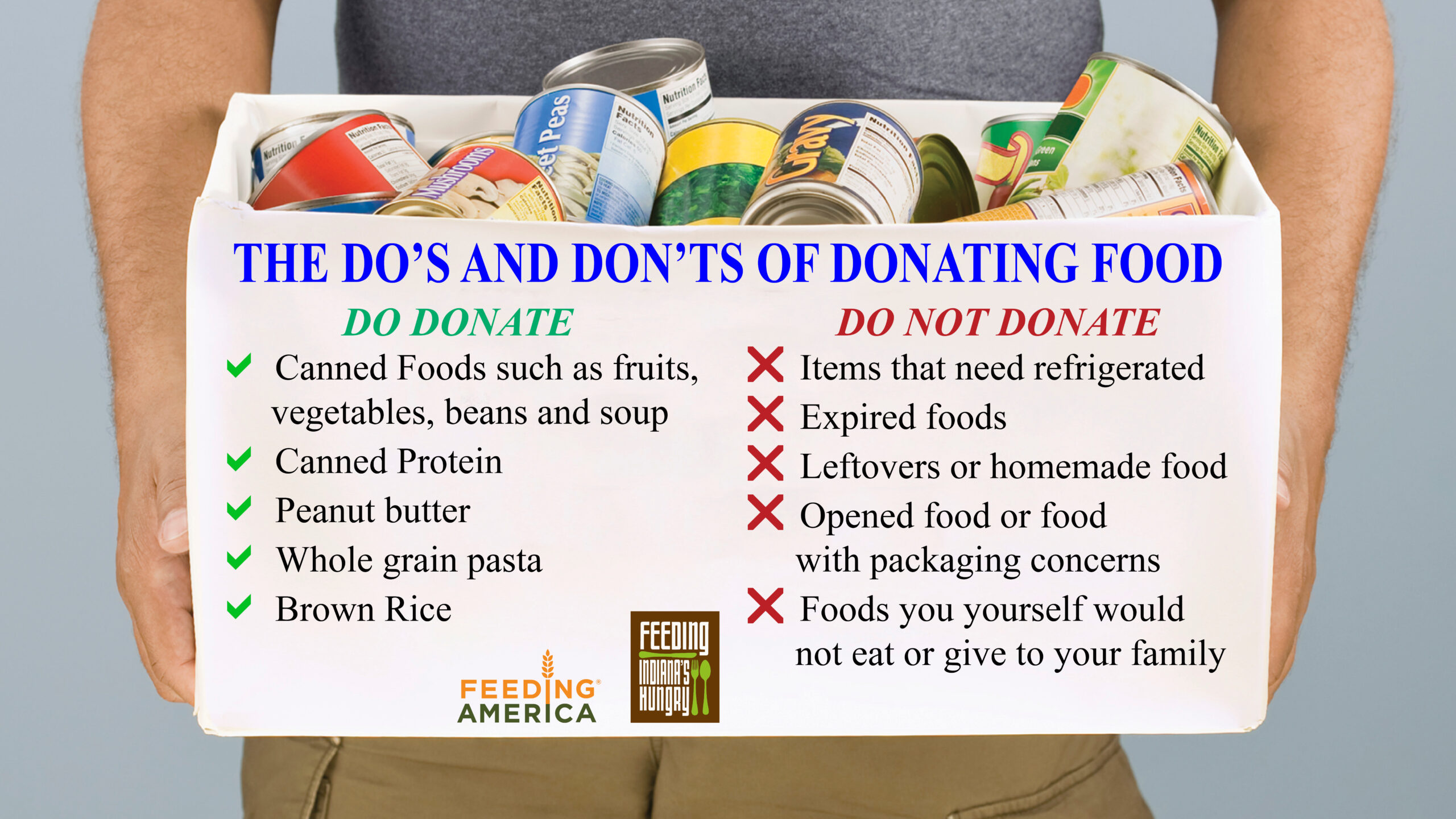
- Prioritize Non-Perishables with High Nutritional Value: Items like canned goods (vegetables, fruits, proteins), whole grains (pasta, rice, oatmeal), and dried legumes offer long shelf lives, are easy to store, and provide essential nutrients, offering maximum “bang for the buck” in terms of food security.
- Check Expiration Dates Carefully: Donating food that is nearing or past its expiration date can become a liability for food banks, incurring costs for sorting and disposal. Ensuring items are well within their usable life maximizes their financial value.
- Consider What’s Truly Needed: While all donations are appreciated, some organizations have specific needs (e.g., baby formula, culturally specific foods, or fresh produce). Donating what is most needed ensures the food is utilized immediately and efficiently, avoiding storage costs or the need for the organization to acquire specific items elsewhere.
- Proper Packaging and Handling: Ensuring food is in original, unopened packaging and handled safely prevents contamination, making it usable and reducing potential health risks and associated financial liabilities for the recipient.
These practices ensure that every donated item contributes its maximum financial and nutritional value to the cause of fighting hunger, embodying truly intelligent giving.
Financial Planning for Philanthropy: Integrating Food Donation into Your Budget
Integrating food donation into personal or corporate financial planning transforms charitable acts from spontaneous gestures into sustainable strategies with clear benefits. This systematic approach ensures consistent support for food security initiatives while aligning with broader financial goals.
Individual Philanthropy: Budgeting for Impactful Non-Cash Contributions
For individuals, planned food donation can be seamlessly integrated into a household budget, akin to setting aside funds for savings or other expenses. Rather than donating sporadically, consider:
- Allocating a Specific Budget Line Item: Designate a small portion of your grocery budget specifically for purchasing items to donate. This makes giving a consistent, non-straining part of your financial routine.
- Strategic Shopping for Donations: Look for sales, bulk discounts, or BOGO (buy one, get one) offers on non-perishable staples. Purchasing an extra item for donation when it’s on sale significantly increases the purchasing power of your charitable dollar.
- Utilizing Tax Planning: Keep detailed records of your non-cash contributions. Understanding how these donations can be deducted from your taxable income makes philanthropy a financially advantageous part of your overall tax strategy, effectively reducing the net cost of your generosity.
This approach empowers individuals to make a consistent, financially intelligent impact, fostering a culture of planned generosity.
Corporate Social Responsibility (CSR) and the Bottom Line
For businesses, integrating food donation into a comprehensive Corporate Social Responsibility (CSR) strategy is not merely an expense but a strategic investment that can yield significant financial returns and enhance shareholder value.
- Enhanced Brand Reputation and Customer Loyalty: Consumers increasingly gravitate towards brands that demonstrate genuine social responsibility. Food donation initiatives can significantly boost a company’s public image, attracting new customers and fostering loyalty among existing ones, directly impacting sales and revenue.
- Employee Engagement and Retention: Employees, especially younger generations, are often drawn to companies with strong ethical values and community involvement. CSR programs like food donation can improve employee morale, reduce turnover, and attract top talent, leading to lower recruitment costs and increased productivity.
- Investor Relations and ESG Scores: Institutional investors are increasingly scrutinizing Environmental, Social, and Governance (ESG) performance. Robust food donation programs contribute positively to a company’s social scores, potentially attracting socially conscious investors and improving access to capital.
- Risk Mitigation: Proactively addressing food waste through donation can mitigate regulatory risks, especially as governments worldwide consider stricter food waste legislation and taxes. It positions the company as a leader in sustainable practices.
By viewing food donation as an integral part of their financial and operational strategy, businesses can achieve a powerful synergy between purpose and profit, creating value for both society and shareholders.
Navigating the Financial and Regulatory Frameworks of Food Donation
Understanding the legal and regulatory landscape is crucial for maximizing the financial benefits and minimizing potential liabilities associated with food donation. Adherence to these frameworks ensures effective and safe giving.
Understanding Tax Implications and Documentation
For both individual and corporate donors, proper documentation is paramount to realizing the financial benefits of food donation, primarily tax deductions.
- Receipts and Valuation: Always obtain a receipt from the recipient organization acknowledging the donation. For non-cash contributions like food, donors typically need to determine the fair market value of the items. For individuals, this might be the price you paid for the items. For businesses, it often involves a more complex valuation method (e.g., basis value for inventory). Consulting with a tax professional is highly recommended for larger donations.
- Specific Tax Laws: Be aware of specific national and local tax laws governing food donations. As mentioned, some countries offer enhanced deductions for businesses donating food inventory, which can significantly improve the financial attractiveness of such initiatives. Ignorance of these laws can lead to missed financial opportunities or, conversely, non-compliance.
- Record-Keeping: Maintain meticulous records of all donations, including dates, recipient organizations, item descriptions, and estimated values. This documentation is essential for substantiating claims during tax season and demonstrating transparency.

Food Safety Regulations and Liability Management
Food safety is a non-negotiable aspect of donation, impacting both the well-being of recipients and the financial liability of donors.
- Good Samaritan Food Donation Acts: Many countries, including the United States with the Bill Emerson Good Samaritan Food Donation Act, offer liability protection to donors who give food in good faith to non-profit organizations for distribution to the needy. These laws are critical; they encourage donations by alleviating fears of legal repercussions if someone falls ill from wholesome food that was handled correctly. Donors must understand the scope and limitations of these protections.
- Handling and Storage Best Practices: Donors, especially businesses, must adhere to strict food safety guidelines regarding handling, storage, and transportation of donated food. This includes maintaining proper temperatures for perishables, ensuring packaging integrity, and respecting “best by” or “use by” dates. Failure to do so can not only compromise recipient health but also undermine the legal protections afforded by Good Samaritan acts, leading to potential financial and reputational damage.
- Collaboration with Recipient Organizations: Work closely with food banks and charities to understand their specific food safety protocols and acceptance policies. Some organizations may have strict requirements for types of food, packaging, or temperature control to ensure they can safely distribute the items. This collaboration ensures that the donated food is both safe and usable, maximizing its financial utility and minimizing waste at the recipient end.
By understanding and adhering to these financial and regulatory frameworks, donors can optimize their contributions, secure tax benefits, and confidently contribute to alleviating food insecurity while safeguarding their financial interests and reputation.
In conclusion, food donation, when approached with financial intelligence, transcends simple charity. It becomes a powerful tool for waste reduction, resource optimization, and long-term societal investment. From individual tax savings to corporate brand enhancement and the fundamental strengthening of community economic health, the decision of “where can donate food” is, at its core, a question of strategic financial planning for a more sustainable and equitable future.
aViewFromTheCave is a participant in the Amazon Services LLC Associates Program, an affiliate advertising program designed to provide a means for sites to earn advertising fees by advertising and linking to Amazon.com. Amazon, the Amazon logo, AmazonSupply, and the AmazonSupply logo are trademarks of Amazon.com, Inc. or its affiliates. As an Amazon Associate we earn affiliate commissions from qualifying purchases.