
In an era of instant digital payments and seamless financial interfaces, the specific digits that comprise your bank account number can often feel like a background detail—until you suddenly need them. Whether you are setting up a direct deposit for a new career opportunity, establishing an automated bill payment system, or initiating an international wire transfer, knowing exactly where to find your bank account number is a fundamental skill in personal finance management.
While modern banking apps have made access more convenient than ever, the variety of numbers associated with a single bank account can be confusing. From routing numbers and debit card numbers to IBANs and Swift codes, the financial landscape is dense with identifiers. Understanding the nuances of these numbers, where they are stored, and how to protect them is essential for maintaining financial security and operational efficiency.
The Essential Role of Your Bank Account Number in Modern Finance
Your bank account number is a unique identifier assigned to your specific account by a financial institution. Unlike a routing number, which identifies the bank itself, the account number identifies your individual “bucket” of funds within that institution. It acts as the primary address for incoming and outgoing capital.
Defining the Account Number vs. the Routing Number
One of the most common points of confusion for consumers is the distinction between the routing transit number (RTN) and the individual account number. In the United States, the routing number is a nine-digit code that identifies the specific bank or credit union. It is essentially the “zip code” for the financial institution. In contrast, your account number is typically between 8 and 12 digits long (though it can vary) and is unique to your specific checking, savings, or money market account.
When you provide information for a transaction, both numbers are usually required. The routing number tells the financial system which “building” to go to, and the account number tells the system which “room” or “vault” the money belongs in. Without both pieces of information, transactions cannot be processed accurately, leading to delays or returned payments.
Why Your Account Number is the Key to Your Financial Identity
Beyond simple identification, the account number serves as the anchor for your financial history and credibility. It is the primary data point used for Automated Clearing House (ACH) transfers, which facilitate the vast majority of consumer payroll deposits and recurring utility payments. Because this number provides direct access to your liquid assets, it is a sensitive piece of information. Unlike a credit card number, which can be easily changed if compromised, changing a bank account number is a cumbersome process that involves closing the account and rerouting all existing automated transactions. Therefore, knowing where to find it—and who to share it with—is a critical component of financial literacy.
Physical Methods: Finding Your Number on Paper and Traditional Media
Despite the shift toward paperless banking, physical documents remain some of the most reliable sources for finding your account information. If you maintain a traditional banking relationship, your account number is printed on several items that you likely have in your home or office.
Deciphering the Standard Personal Check
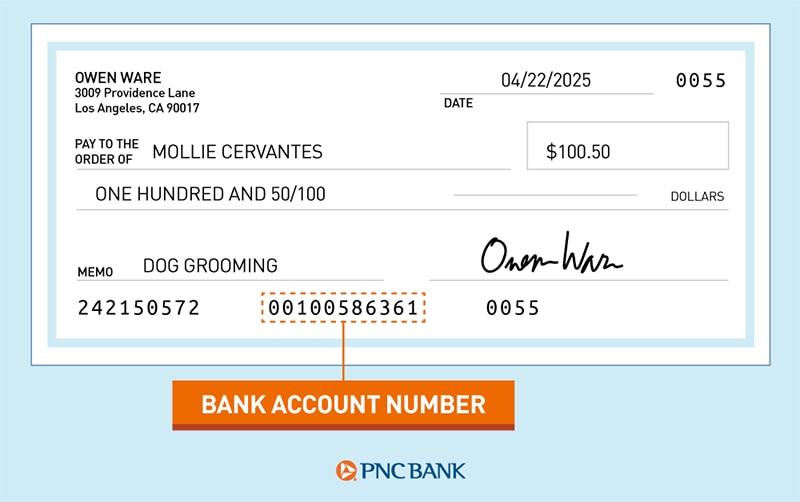
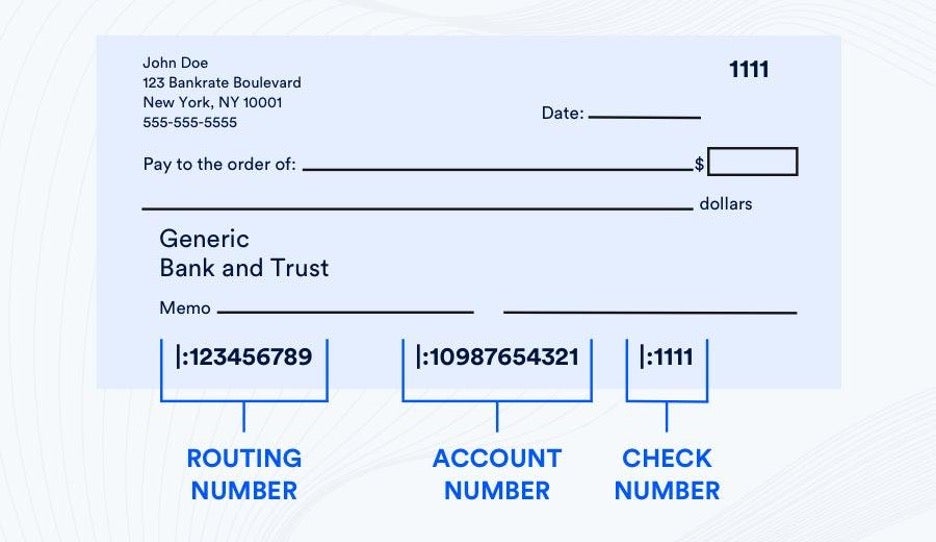
The most traditional and often the easiest place to find your account number is at the bottom of a personal check. Along the bottom edge of every check is a string of numbers printed in a specialized font known as Magnetic Ink Character Recognition (MICR). This line typically consists of three distinct sets of numbers:
-
The Routing Number: The first nine digits on the far left.
-
The Account Number: The middle set of digits (usually followed by a unique symbol).
-
The Check Number: The final set of digits on the far right, which matches the number in the top right corner of the check.
It is important to note that the placement of the account number can sometimes vary slightly depending on the bank, but it is almost always the central group of numbers in the MICR line.
Reviewing Monthly Bank Statements and Official Correspondence
If you do not use paper checks, your monthly bank statement is the next best physical resource. Whether you receive these in the mail or print them from an online portal, the account number is prominently displayed, usually in the top right or left corner of the first page.
Statements are particularly useful because they clearly label the account type (e.g., “Premium Checking” or “High-Yield Savings”) alongside the number. This prevents the common error of accidentally providing a savings account number for a transaction that requires a checking account. Additionally, official bank correspondence, such as account opening summaries or tax forms like the 1099-INT, will also contain your full account number.
Locating Details on Your Debit Card (and Why It Might Not Be There)
A common misconception is that the 16-digit number on the front or back of your debit card is your bank account number. This is incorrect. The number on your card is a “Permanent Account Number” (PAN) used specifically for the card processing network (like Visa or Mastercard).
While the debit card is linked to your bank account, the numbers are entirely different. If your card is lost or stolen, the bank will issue a new card with a new 16-digit number, but your actual bank account number remains the same. You generally cannot find your bank account number printed on a debit card for security reasons.
Digital Access: Locating Your Information in the Age of Fintech
In the current digital-first banking environment, most consumers rely on mobile apps and web portals to manage their finances. Banks have refined their user interfaces to make account information accessible while maintaining high levels of security.
Navigating Mobile Banking Applications
For most users, the mobile app is the fastest way to retrieve an account number. After logging in using biometric authentication (such as FaceID or a fingerprint), you typically follow these steps:
-
Select the specific account (Checking, Savings, etc.) from the dashboard.
-
Look for a section labeled “Account Details,” “Account Info,” or a “Settings” gear icon.
-
Many apps default to masking the account number (e.g., showing only the last four digits). Look for an “eye” icon or a “Show” button to reveal the full number.
This masking feature is a security measure designed to protect your information from “shoulder surfers” or anyone who might catch a glimpse of your screen in public.
Using Online Banking Portals and Dashboards
Desktop online banking portals often provide a more comprehensive view of your financial data. Once logged in, the account number is usually visible on the main account summary page. If it is masked, clicking on the account name will typically lead to a detailed view where the full number is displayed.
Online portals are also the primary location for “Direct Deposit Forms.” Most major banks provide a pre-filled PDF form that includes your name, routing number, and account number. These forms are the gold standard for providing information to an employer’s HR department, as they eliminate the risk of transcription errors.
Leveraging E-Statements and Digital Document Repositories
If the app’s interface is confusing, you can always navigate to the “Statements” or “Documents” section within your digital banking profile. Opening a PDF of your most recent e-statement will provide the same information as a physical statement. This is often the most foolproof digital method, as it presents the number in an official, finalized format.
International Contexts: IBAN, SWIFT, and Global Transactions
As the economy becomes increasingly globalized, you may find that a standard 10-digit account number is insufficient for certain transactions. If you are receiving money from abroad or sending funds to a foreign entity, you will encounter the IBAN and SWIFT systems.
Understanding the International Bank Account Number (IBAN)
The IBAN is an internationally agreed-upon system of identifying bank accounts across national borders. While the United States does not use IBANs for domestic transfers, most European, Middle Eastern, and Caribbean countries require them. An IBAN consists of up to 34 alphanumeric characters, including:
-
A two-letter country code.
-
Two check digits.
-
The bank’s code.
-
The local account number.
If you are an American account holder needing to receive an international wire, you do not “have” an IBAN in the traditional sense; instead, you provide your standard account number and routing number along with your bank’s SWIFT/BIC code.
When to Use BIC and SWIFT Codes
A SWIFT code (also known as a Bank Identifier Code or BIC) is a unique identification code for a specific bank. While your account number identifies you, the SWIFT code identifies your bank in the global network. When conducting international business, you will find these codes on your bank’s “Wire Transfer Instructions” page, which is usually found in the “Help” or “Transfer” section of your online banking portal.
Best Practices for Securing and Sharing Your Account Information
Because your bank account number is a direct link to your cash reserves, it must be handled with the same care as your Social Security number. Financial tools are only as secure as the habits of the person using them.
How to Safely Share Your Number for Direct Deposit and Autopay
When setting up direct deposit or automated bill pay, always use secure channels. Use the encrypted portal provided by your employer or the service provider. Avoid sending your full account and routing numbers via unencrypted email or SMS text messages. If you must provide this information on paper, ensure the document is handed directly to a trusted representative or sent via a secure, tracked mailing service.
Red Flags: Recognizing Phishing and Social Engineering
Legitimate financial institutions will almost never call, text, or email you to ask for your full account number. They already have it. If you receive a communication claiming there is a problem with your account and asking you to “verify” your account number, it is likely a phishing attempt. Always navigate directly to your bank’s official website or app rather than clicking links in unsolicited messages.

Managing Physical Security of Financial Documents
For those who still receive paper statements or use checks, physical security is paramount. Old bank statements, canceled checks, and voided checks should never be thrown into the regular trash. Invest in a high-quality cross-cut shredder to dispose of these documents. Identity thieves often engage in “dumpster diving” to find exactly these types of numbers to facilitate check fraud or unauthorized ACH withdrawals.
By understanding the various environments where your bank account number is stored—and the technical differences between it and other financial identifiers—you can navigate your personal finances with greater confidence and security. Whether through a digital dashboard or the bottom of a paper check, your account number is a tool that, when managed correctly, ensures the smooth flow of your economic life.
aViewFromTheCave is a participant in the Amazon Services LLC Associates Program, an affiliate advertising program designed to provide a means for sites to earn advertising fees by advertising and linking to Amazon.com. Amazon, the Amazon logo, AmazonSupply, and the AmazonSupply logo are trademarks of Amazon.com, Inc. or its affiliates. As an Amazon Associate we earn affiliate commissions from qualifying purchases.