
Tesla’s ascent as a pioneer in electric vehicles (EVs) and sustainable energy solutions is intrinsically linked to its ambitious and technologically advanced manufacturing infrastructure. Far from being a mere assembly operation, Tesla’s “Gigafactories” are complex ecosystems designed to reinvent the very process of vehicle production. Understanding where Teslas are built isn’t just about pinpointing geographical locations; it’s about delving into the innovative technological strategies, sophisticated automation, and integrated software systems that define the company’s manufacturing philosophy and enable its rapid global scaling. These factories are laboratories for advanced robotics, large-cast manufacturing, and integrated battery production, standing as a testament to Tesla’s vision of a vertically integrated, high-tech manufacturing future.
The Global Footprint of Tesla’s Advanced Manufacturing
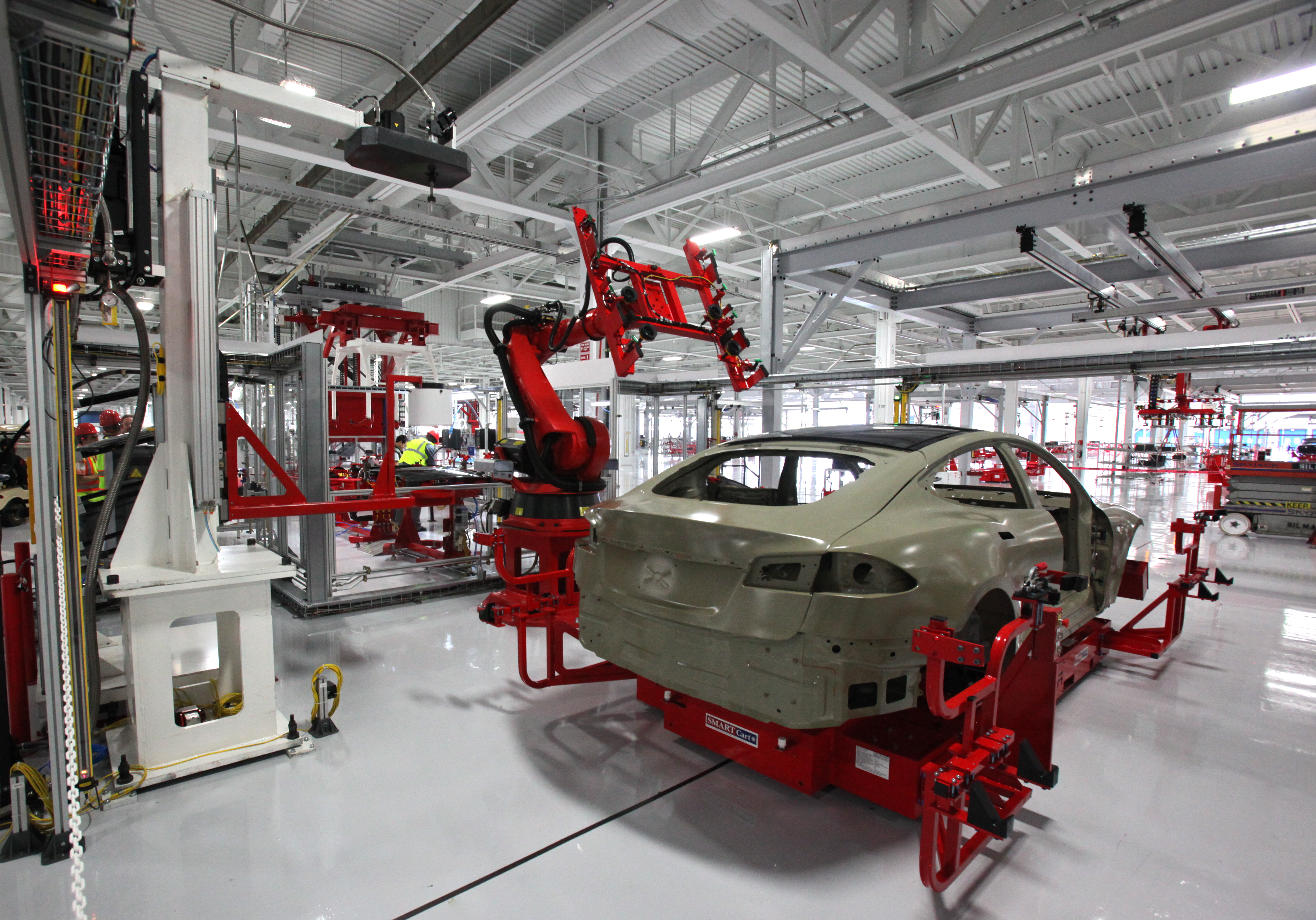
Tesla’s manufacturing network is a strategically dispersed collection of highly automated facilities, each playing a crucial role in its global production and supply chain strategy. These “Gigafactories” are more than just car plants; they are colossal structures engineered for massive-scale production of vehicles, batteries, and energy products, often integrating multiple stages of the manufacturing process under one roof. This global spread allows Tesla to mitigate logistics costs, navigate trade barriers, and tailor production more closely to regional market demands, while simultaneously pushing the boundaries of manufacturing technology.
Fremont, California: The Cradle of Innovation
The Fremont factory, a former GM-NUMMI plant, serves as the historical heart of Tesla’s vehicle production. Acquired in 2010, this facility was meticulously re-engineered to become a high-tech manufacturing hub, responsible for producing the Model S, Model X, Model 3, and Model Y. Fremont is a vibrant microcosm of Tesla’s iterative approach to manufacturing, where continuous process improvements and technological upgrades are routinely implemented. It’s here that many of Tesla’s foundational automation strategies were first piloted and refined, from advanced robotic assembly lines to sophisticated paint shops. The factory acts as a proving ground for new production methodologies before they are scaled to newer Gigafactories, embodying a dynamic balance between legacy infrastructure and cutting-edge innovation. Despite its older origins, Fremont consistently integrates new manufacturing technologies, making it a critical site for both mass production and advanced development.
Gigafactory Nevada: Powering the EV Revolution
Located just outside Reno, Nevada, Gigafactory Nevada is an indispensable component of Tesla’s technological ecosystem, primarily focused on the production of electric vehicle batteries and powertrains. This facility is a direct embodiment of Tesla’s commitment to vertical integration, where the complex process of battery cell manufacturing is meticulously brought in-house. It’s here that Panasonic, in collaboration with Tesla, produces a significant portion of the battery cells for Tesla’s vehicles and energy storage products, demonstrating a powerful partnership in high-volume, high-tech production. Beyond cells, Gigafactory Nevada also assembles battery packs, drive units, and energy storage products like Powerwall and Powerpack. The sheer scale and automation within this facility underscore Tesla’s dedication to controlling critical components, optimizing supply chains, and driving down costs through technological innovation in battery production – a core competitive advantage in the EV market. The advancements in cell design and manufacturing processes originating from or scaled up here directly contribute to the range, performance, and efficiency of every Tesla vehicle.
Gigafactory Shanghai: Speed, Scale, and Localization
Gigafactory Shanghai represents a significant leap in Tesla’s global manufacturing strategy, not just in terms of location but in the speed and efficiency with which it was constructed and brought to full production. Operationalized in a remarkably short timeframe, it quickly became Tesla’s most efficient factory, playing a pivotal role in serving the vast Chinese market and exporting vehicles throughout Asia and parts of Europe. This factory is a testament to Tesla’s ability to replicate and improve upon its manufacturing blueprints. It showcases advanced automation, particularly in areas like body shops and final assembly, and features sophisticated localized supply chains. The rapid ramp-up and consistent high quality of vehicles produced in Shanghai underscore Tesla’s mastery in deploying its tech-driven manufacturing system globally. Furthermore, Gigafactory Shanghai has been instrumental in refining “lean manufacturing” principles specific to high-volume EV production, pushing the boundaries of factory output per square foot.
Gigafactory Berlin-Brandenburg: European Engineering Meets Giga-Innovation
Opened in 2022, Gigafactory Berlin-Brandenburg, or Giga Berlin, is a crown jewel in Tesla’s European expansion. This facility is notable for its highly advanced paint shop, which incorporates multi-layer painting processes to achieve complex color schemes and superior finishes—a significant technological upgrade. Giga Berlin is designed for integrated production, manufacturing battery cells, powertrains, and the Model Y. It specifically features “Giga Press” machines, colossal casting machines that significantly reduce the number of individual parts required for a car’s underbody, simplifying assembly, reducing weight, and improving structural rigidity. This emphasis on advanced casting technology is a prime example of Tesla’s commitment to re-engineer not just the car, but also the way cars are built. The factory also boasts state-of-the-art robotics and automation, leveraging German engineering prowess with Tesla’s innovative production philosophies to deliver vehicles tailored for the European market.
Gigafactory Texas: The Future of Integrated Production
Gigafactory Texas, situated near Austin, serves as Tesla’s global headquarters and a colossal manufacturing hub. This facility is perhaps the most ambitious demonstration of Tesla’s vertical integration and manufacturing technology vision. It’s designed to produce a wide array of products, including the Model Y, the revolutionary Cybertruck, and the highly anticipated 4680 battery cells. Giga Texas is at the forefront of implementing Tesla’s most advanced manufacturing techniques, including the integration of the structural battery pack, where battery cells become a structural component of the vehicle chassis, further streamlining production and enhancing vehicle safety and rigidity. The factory also extensively utilizes massive Giga Press machines for front and rear body castings, consolidating hundreds of parts into just a few large pieces. This strategy minimizes stamping, welding, and assembly steps, drastically reducing manufacturing complexity and cost. Giga Texas is the epitome of Tesla’s “machine that builds the machine” philosophy, where the factory itself is a product of sophisticated engineering and software optimization.
The Technological Underpinnings of Tesla’s Manufacturing
Tesla’s approach to manufacturing is as revolutionary as its vehicles. The company doesn’t just build cars; it designs and builds factories that are themselves products of advanced technology. This philosophy, often dubbed “the machine that builds the machine,” drives continuous innovation in production processes, aiming for unparalleled efficiency, scalability, and quality.
Automation and Robotics: Precision at Scale
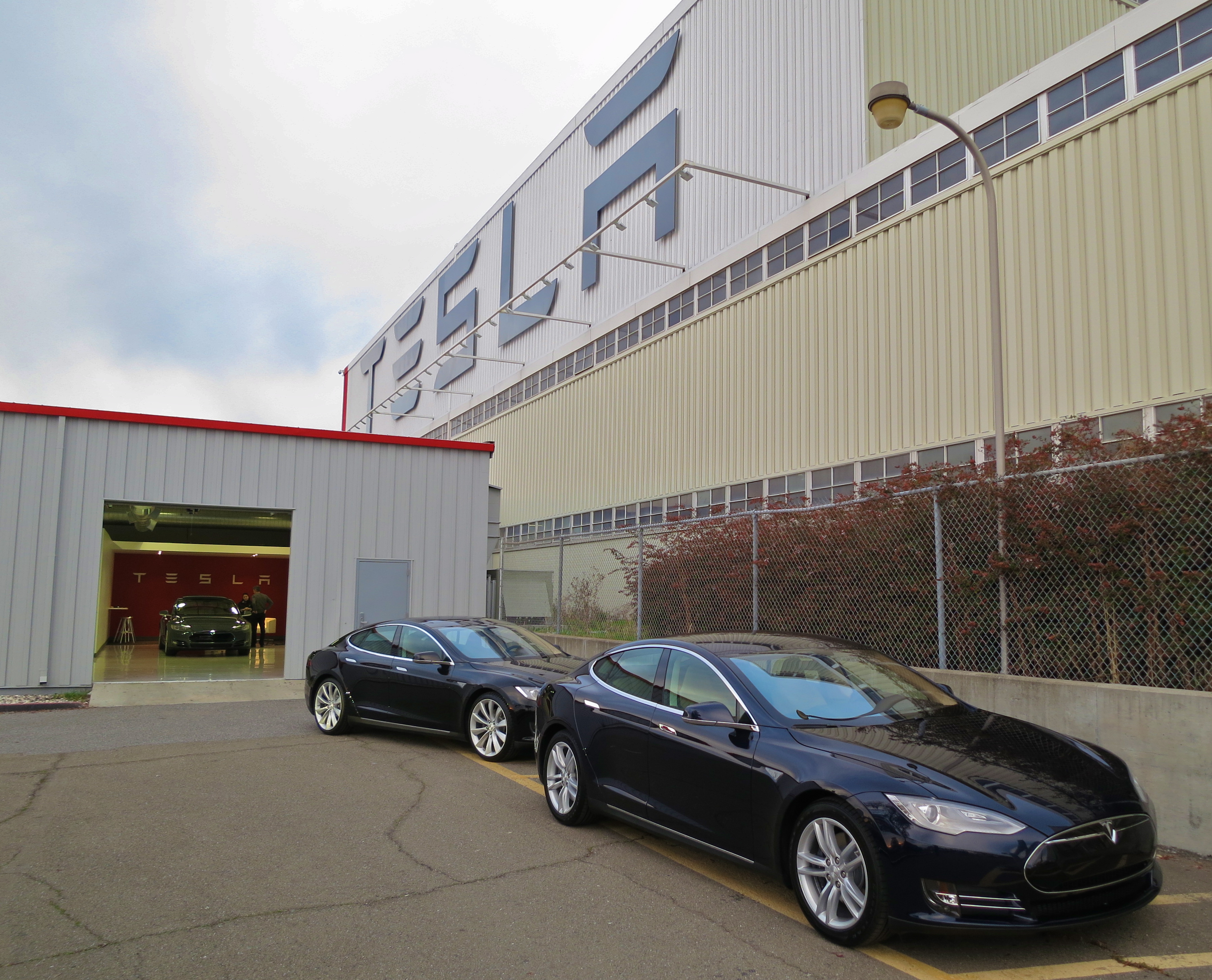
At the core of every Gigafactory is an intricate network of advanced robotics and automation. From the precise movements of welding robots in the body shop to autonomous guided vehicles (AGVs) transporting parts, automation is leveraged to enhance speed, consistency, and safety. Tesla’s engineers actively design custom robotic solutions and integrate AI-powered vision systems to perform complex tasks with exacting precision, reducing human error and accelerating production cycles. This isn’t just about replacing human labor; it’s about enabling a level of precision and repeatability that is critical for high-performance EV components and large-scale manufacturing. Software controls orchestrate these robotic armies, ensuring seamless communication and workflow across thousands of interconnected machines, making the factory a giant, intelligent organism.
The Giga Press and Advanced Casting Technologies
One of Tesla’s most significant manufacturing innovations is the implementation of the “Giga Press” – enormous die-casting machines developed by Idra Group. These presses can cast large, single pieces of a car’s underbody (front or rear), replacing dozens, sometimes hundreds, of smaller stamped and welded parts. This technology dramatically simplifies the assembly process, reduces the overall vehicle weight, improves structural integrity, and significantly cuts manufacturing costs and production time. The Giga Press represents a paradigm shift from traditional multi-part car body construction, moving towards an integrated structural approach that is faster, more efficient, and more robust. It’s a prime example of how Tesla rethinks fundamental automotive engineering for production.
Integrated Battery Cell Production and Structural Packs
Tesla’s ambition extends to mastering battery cell production, moving beyond just assembling battery packs. With the development of the 4680 battery cell, the company aims for higher energy density, improved power output, and a more efficient manufacturing process. Critically, these cells are designed to integrate directly into the vehicle’s chassis as part of a “structural battery pack.” This innovation means the battery no longer sits as a separate component but becomes a structural element of the car itself, contributing to the vehicle’s rigidity and safety while simplifying assembly and reducing overall weight. This vertical integration of battery technology into the vehicle’s very architecture showcases Tesla’s commitment to engineering a holistic solution, from the cell to the finished product, optimized for performance and manufacturability.
Software-Driven Manufacturing and Predictive Analytics
Beyond hardware, software plays an indispensable role in Tesla’s manufacturing prowess. Every Gigafactory is a data-rich environment, where real-time information from sensors, robotics, and production lines is continuously collected and analyzed. This data powers predictive analytics, allowing Tesla to anticipate potential issues, optimize workflows, and fine-tune machine performance. Software systems manage complex supply chains, schedule production runs, and even update factory equipment over-the-air, much like their vehicles. This software-driven approach enables a level of agility and continuous improvement that is rare in traditional automotive manufacturing, allowing factories to adapt quickly to design changes, supply chain disruptions, and market demands, further solidifying the “Tech” classification of their manufacturing process.
Strategic Implications of Tesla’s Manufacturing Tech
The technological advancements in Tesla’s Gigafactories are not merely engineering feats; they have profound strategic implications for the company’s market position, scalability, and competitive advantage. By rethinking the entire production paradigm, Tesla is setting new benchmarks for the automotive industry.
Rapid Scalability and Market Penetration
The modular and highly automated design of Gigafactories allows Tesla to rapidly scale production to meet surging global demand. The ability to quickly establish new, efficient production hubs, as demonstrated in Shanghai and Berlin, provides a distinct advantage in capturing market share and responding to regional economic incentives. This agility in manufacturing deployment is critical for a company aiming for exponential growth in a highly competitive global market. The technological blueprints for their factories are continuously refined, making subsequent factory builds faster and more efficient.
Supply Chain Resilience and Vertical Integration
By vertically integrating key components, from battery cells to large body castings, Tesla gains greater control over its supply chain, reducing reliance on external suppliers for critical parts. This strategy enhances resilience against supply chain disruptions, a major challenge across industries, and allows for more aggressive cost reduction and quality control. The in-house technological expertise developed through this integration also becomes a proprietary competitive advantage, making it harder for competitors to replicate Tesla’s end-to-end efficiency.
Continuous Improvement and Iterative Design
Tesla’s manufacturing process is inherently iterative. Each Gigafactory builds upon lessons learned from previous ones, constantly integrating new technologies and refining existing ones. This continuous improvement loop, driven by data and engineering feedback, ensures that Tesla’s production capabilities are always evolving and becoming more sophisticated. The factories themselves are products in constant beta, reflecting Tesla’s software-centric development philosophy applied to hardware manufacturing. This agility allows them to incorporate design changes and efficiency improvements faster than traditional automakers.
The Future of Tesla’s Production Technology
Tesla’s journey in manufacturing technology is far from over. With plans for additional Gigafactories, such as the upcoming facility in Mexico, the company continues to push the boundaries of what’s possible in high-volume, high-tech vehicle production. The focus will likely intensify on even greater levels of automation, further advancements in material science (especially for batteries and structural components), and increasingly sophisticated AI-driven factory management systems. The ambition is to create factories that are not only efficient but also highly adaptive and sustainable, utilizing renewable energy sources and closed-loop manufacturing processes.
Ultimately, where Teslas are built is a story of technological innovation and strategic deployment. Each Gigafactory represents a cutting-edge experiment in advanced manufacturing, pushing the automotive industry towards a future where cars are built not just on assembly lines, but within highly intelligent, interconnected, and software-optimized robotic ecosystems. These facilities are not just factories; they are core components of Tesla’s technological identity, crucial to its mission of accelerating the world’s transition to sustainable energy.
aViewFromTheCave is a participant in the Amazon Services LLC Associates Program, an affiliate advertising program designed to provide a means for sites to earn advertising fees by advertising and linking to Amazon.com. Amazon, the Amazon logo, AmazonSupply, and the AmazonSupply logo are trademarks of Amazon.com, Inc. or its affiliates. As an Amazon Associate we earn affiliate commissions from qualifying purchases.