
Tesla, a name synonymous with electric vehicles and sustainable energy innovation, has revolutionized the automotive industry not only through its product design and software but also through its distinctive approach to manufacturing. Understanding “where Tesla cars are produced” goes far beyond simply listing factory locations; it delves into the heart of a technological ecosystem designed to scale production, integrate advanced robotics, and optimize every aspect of vehicle creation. This exploration reveals a global network of “Gigafactories,” each a testament to a unique technological strategy aimed at accelerating the world’s transition to sustainable energy. From cutting-edge automation to vertical integration, Tesla’s production sites are not merely assembly plants but advanced technological hubs driving the company’s ambitious vision.
Tesla’s Global Manufacturing Footprint: The Gigafactory Concept
At the core of Tesla’s production strategy is the concept of the “Gigafactory.” Far from traditional automotive plants, these facilities are designed as vertically integrated technological powerhouses, aiming to produce not just vehicles but also crucial components like batteries, electric motors, and advanced AI hardware under one roof. The term “Giga” itself signifies the scale, aiming for gigawatt-hours of battery production and millions of vehicles annually. This integrated approach allows for unprecedented control over the supply chain, rapid iteration of manufacturing processes, and significant cost reductions through economies of scale and localized production. Each Gigafactory represents a substantial technological investment, combining state-of-the-art robotics, sophisticated logistics, and vast data analysis to continually refine efficiency and output.
The Vision of Vertical Integration
Tesla’s commitment to vertical integration distinguishes its manufacturing strategy. Unlike many traditional automakers who heavily rely on a vast network of external suppliers for core components, Tesla strives to bring as much of the production process in-house as possible. This includes designing and manufacturing its own battery cells, electric motors, power electronics, and even the sophisticated computer hardware that powers its autonomous driving systems. This level of integration allows for greater quality control, faster technological advancements, and the ability to rapidly implement design changes and software updates across its entire product line. From the raw materials entering one end of the factory to the finished vehicle rolling out the other, the Gigafactory is engineered as a single, highly optimized technological machine.
Accelerating Production Through Scalability
The “Giga” in Gigafactory also emphasizes scalability. These factories are not static but are designed with future expansion in mind, continuously evolving to incorporate new production lines, machinery, and technological upgrades. Tesla’s long-term vision involves a decentralized yet interconnected global network of these facilities, strategically located to serve major markets, reduce shipping costs, and enhance supply chain resilience. This distributed manufacturing model, powered by standardized yet adaptable technological blueprints, is critical for achieving Tesla’s ambitious goal of producing millions of vehicles per year, a scale that necessitates continuous innovation in manufacturing technology and process optimization.
Pioneering Advanced Manufacturing Technologies
Tesla’s factories are often lauded as epitomes of advanced manufacturing, characterized by a relentless pursuit of automation, efficiency, and technological innovation. The company constantly experiments with new production techniques, from massive casting machines to fully automated assembly lines, aiming to create the “machine that builds the machine.” This focus on hyper-efficient, technologically dense production is crucial for achieving high volumes while maintaining the quality and technological sophistication of its vehicles.
The Role of Robotics and Automation
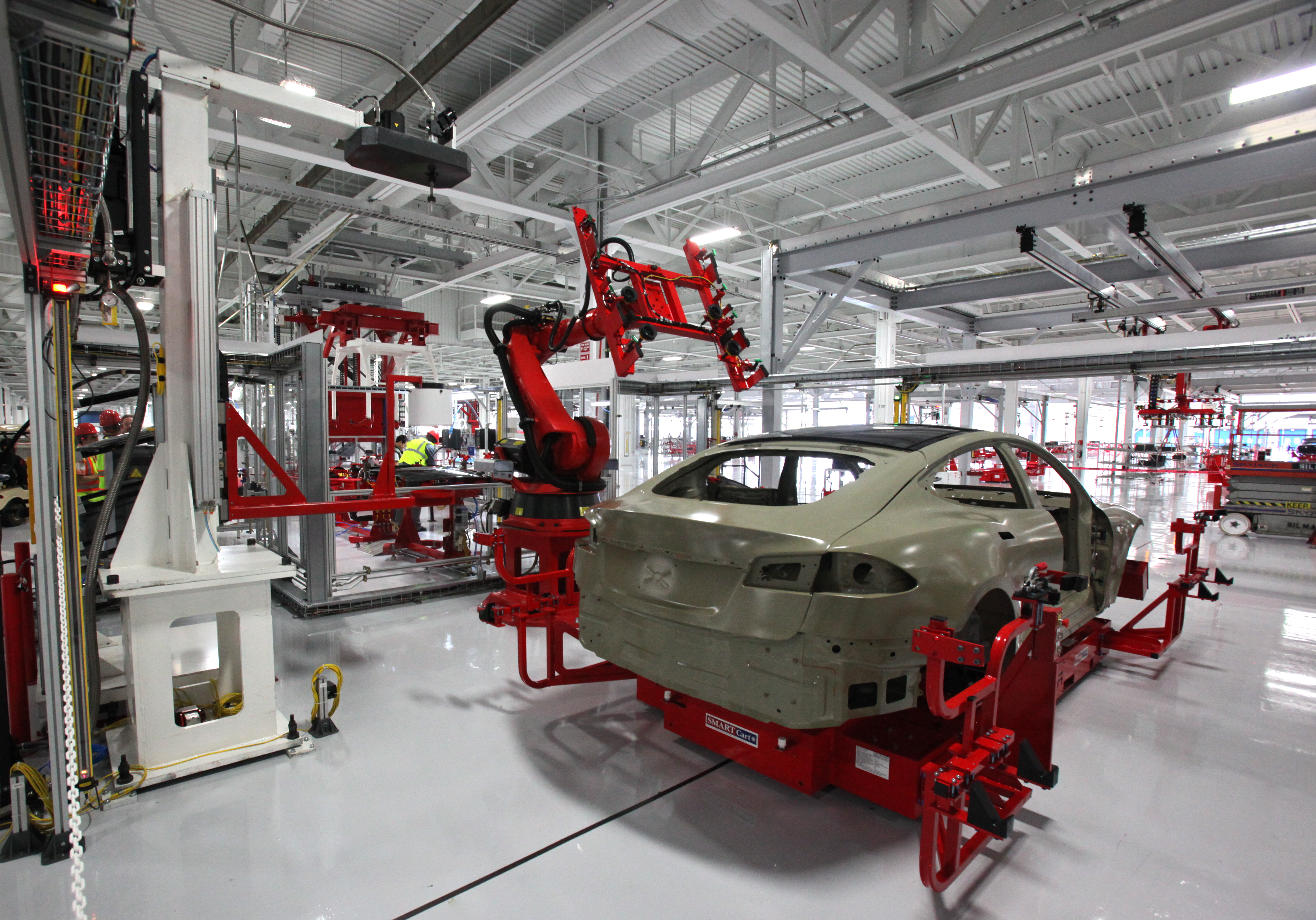
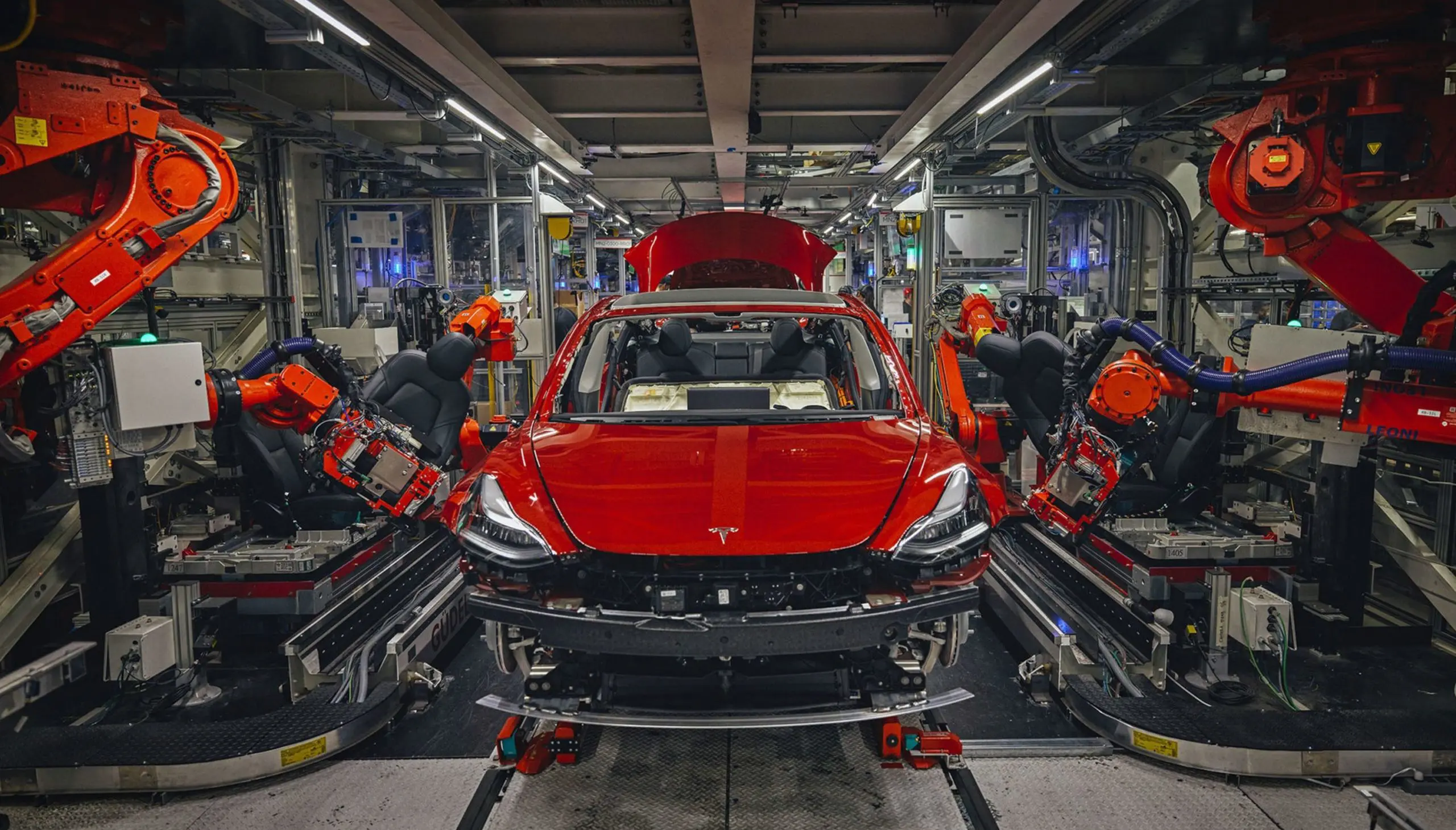
Robotics and advanced automation are central to Tesla’s manufacturing prowess. From the initial stamping of body panels to the final assembly, a vast array of robotic arms and automated guided vehicles (AGVs) work in concert, performing tasks with precision and speed that far exceed human capabilities. These robots are not merely programmed for repetitive tasks but are often integrated into a more intelligent system, capable of adapting to variations and performing complex sequences. The use of specialized robots for welding, painting, and intricate component installation minimizes human error, improves safety, and significantly accelerates the production cycle. This automation extends beyond the production line, into automated warehousing and logistics within the Gigafactories, ensuring a smooth and continuous flow of materials.
Innovative Production Processes: Gigacasting and Structural Battery Packs
Tesla has introduced several revolutionary production processes to the automotive industry, most notably “Gigacasting” and the development of structural battery packs. Gigacasting involves using massive casting machines (colloquially known as Giga Presses) to cast large sections of a car’s underbody or frame as a single piece. This contrasts sharply with traditional methods that involve hundreds of smaller stamped parts welded or riveted together. The technological advantages are profound: it reduces the number of components, simplifies the assembly process, significantly cuts down production time, and enhances the structural integrity and crash safety of the vehicle.
Complementing this is the structural battery pack concept, where the battery itself becomes an integral, load-bearing part of the vehicle’s chassis. This innovative design not only optimizes space and weight but also enhances structural rigidity, contributing to both performance and safety. Integrating the battery pack directly into the vehicle’s structure simplifies manufacturing, reduces complexity, and lowers the overall cost of production, representing a significant technological leap in vehicle architecture.
Data-Driven Manufacturing and Continuous Improvement
Every Tesla Gigafactory is a data hub. Sensors are embedded throughout the production line, collecting vast amounts of data on everything from machine performance and material flow to quality control metrics. This real-time data is fed into sophisticated analytics systems, often leveraging AI and machine learning, to identify bottlenecks, predict maintenance needs, and optimize production parameters. This data-driven approach fosters a culture of continuous improvement, allowing Tesla to rapidly diagnose issues, implement solutions, and refine its manufacturing processes, constantly pushing the boundaries of efficiency and output.
Key Production Hubs and Their Technological Specializations
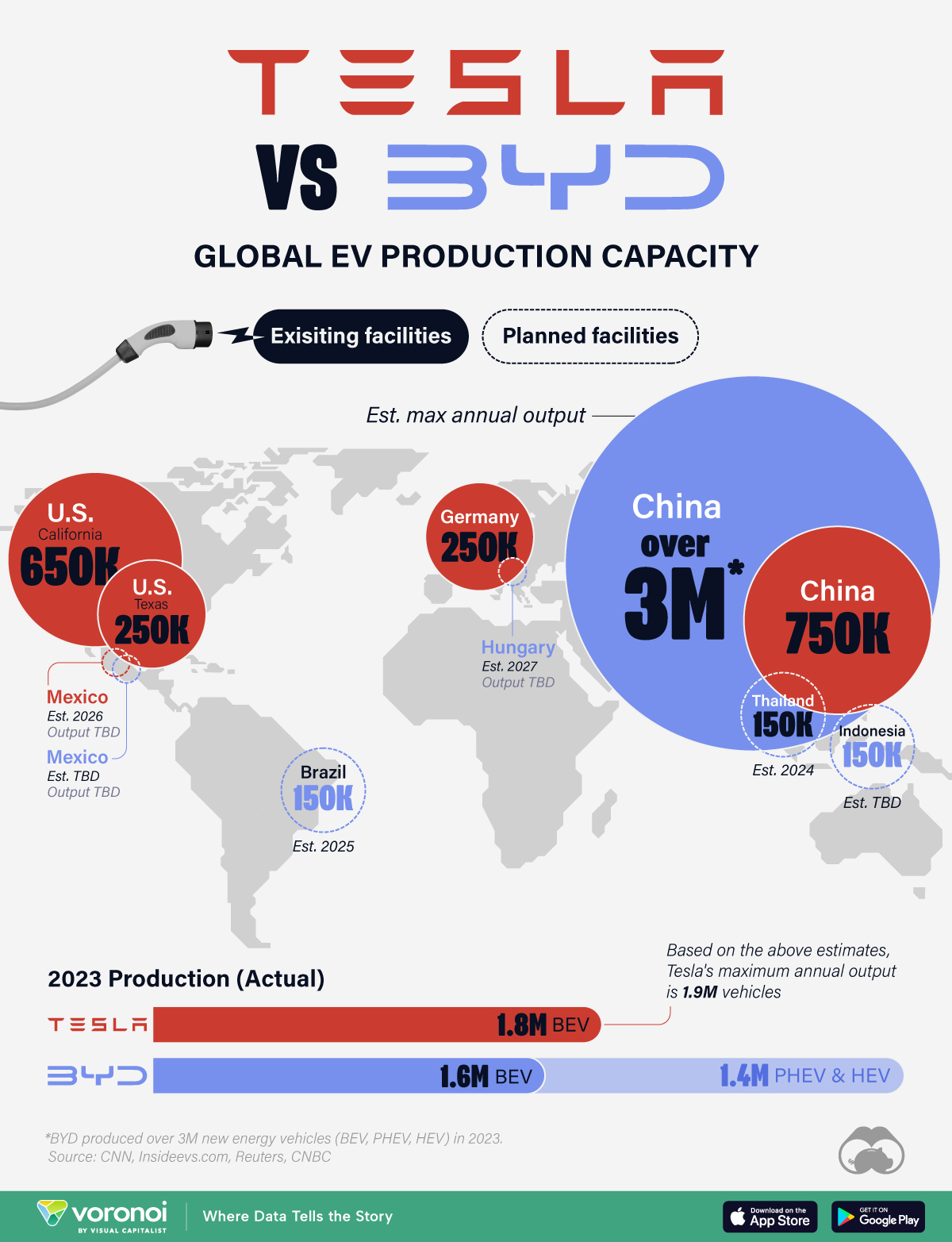
Tesla’s global footprint currently encompasses several operational Gigafactories, each serving specific markets and often specializing in particular models or technological advancements. These facilities are strategically placed to minimize logistical challenges, navigate geopolitical considerations, and tap into local talent pools and supply chains.
Fremont Factory, California, USA
The original Tesla factory, located in Fremont, California, holds historical significance as the company’s first large-scale production facility. Acquired from GM and Toyota, it has been dramatically modernized and technologically upgraded over the years. Fremont is unique in its flexibility, producing the Model S, Model 3, Model X, and Model Y. It serves as a crucial innovation testbed, where many of Tesla’s initial manufacturing experiments and technological breakthroughs were first implemented before being scaled to newer Gigafactories. Its proximity to Tesla’s engineering headquarters in Palo Alto allows for a tight feedback loop between design, engineering, and manufacturing.
Gigafactory Nevada (Sparks, Nevada, USA)
Gigafactory Nevada was Tesla’s first true Gigafactory, primarily focused on battery production in partnership with Panasonic. It’s not a complete vehicle assembly plant but a massive factory for lithium-ion battery cells, electric motors, and Powerwall/Powerpack energy storage products. This facility highlights Tesla’s commitment to in-house battery production, a critical component of its technological independence and cost-efficiency. The technological advancements here directly impact the range, performance, and charging capabilities of Tesla vehicles and energy products.
Gigafactory Shanghai, China
Gigafactory Shanghai represents a significant milestone in Tesla’s global expansion, known for its incredible speed of construction and ramp-up in production. It primarily produces the Model 3 and Model Y for the Chinese and several export markets. This factory is considered one of Tesla’s most efficient and technologically advanced, often serving as a benchmark for production rate and quality. Its success demonstrates Tesla’s ability to localize manufacturing and supply chains effectively in major international markets, adapting its technological blueprint to local conditions while maintaining its high standards for automation and integration.
Gigafactory Berlin-Brandenburg, Germany
Opened in 2022, Gigafactory Berlin-Brandenburg (Giga Berlin) produces the Model Y for the European market. This facility is particularly notable for its integration of the latest casting technologies and battery cell manufacturing plans. Giga Berlin is designed to be a leader in sustainable manufacturing, with a strong focus on renewable energy and environmentally conscious production processes. Its technological advancements are crucial for serving the demanding European market, which has stringent environmental and quality standards. It also aims to produce the innovative 4680 battery cells, a key technological advancement for future Tesla vehicles.
Gigafactory Texas (Austin, Texas, USA)
Gigafactory Texas (Giga Texas) is a colossal facility and Tesla’s global headquarters. It produces the Model Y for the eastern North American market and is the future home of Cybertruck production. Giga Texas is designed to be the most advanced of all Gigafactories, integrating the latest advancements in Gigacasting, structural battery packs, and vehicle assembly under one enormous roof. It serves as a central hub for Tesla’s North American operations, embodying the pinnacle of its integrated manufacturing technology and strategic vision for future product lines.
The Future of Production: Innovation and Expansion
Tesla’s manufacturing journey is far from over. The company continues to push the boundaries of industrial technology, with ongoing research and development into new materials, processes, and automation techniques. The goal remains to achieve unprecedented levels of efficiency, cost reduction, and quality control through technological innovation, ultimately making electric vehicles more accessible and accelerating the transition to a sustainable energy future.
Advancements in Battery Technology and Production
A significant area of ongoing innovation is battery technology and its production. Tesla’s development of the 4680 battery cell, with its larger form factor and tabless design, promises higher energy density, faster charging, and lower manufacturing costs. The integration of these cells into structural battery packs represents a fundamental shift in vehicle design and production. Future Gigafactories and upgrades to existing ones will feature advanced dry electrode processes and highly automated cell manufacturing lines, further solidifying Tesla’s technological lead in battery production.
Blueprint for Future Gigafactories and Global Scaling
Tesla’s long-term vision includes expanding its global network of Gigafactories, with potential new locations in consideration for other major markets. Each new factory serves as an opportunity to implement lessons learned, refine manufacturing blueprints, and integrate even more advanced technologies. The “Master Plan Part 3” hints at a goal of producing 20 million vehicles annually, a scale that will necessitate entirely new paradigms in production technology, supply chain management, and sustainable manufacturing practices. The future of Tesla production involves a continuous evolution towards a fully automated, highly intelligent, and globally interconnected manufacturing ecosystem.
In conclusion, “where Tesla cars are produced” is a story not just of geographical locations, but of a pioneering technological philosophy. It’s about the relentless pursuit of manufacturing innovation, from the concept of the vertically integrated Gigafactory to the cutting-edge robotics and revolutionary production processes like Gigacasting. Tesla’s global network of factories stands as a testament to its commitment to scaling sustainable technology, continually redefining what is possible in automotive manufacturing and shaping the future of electric mobility.
aViewFromTheCave is a participant in the Amazon Services LLC Associates Program, an affiliate advertising program designed to provide a means for sites to earn advertising fees by advertising and linking to Amazon.com. Amazon, the Amazon logo, AmazonSupply, and the AmazonSupply logo are trademarks of Amazon.com, Inc. or its affiliates. As an Amazon Associate we earn affiliate commissions from qualifying purchases.