
The annual ritual of filing federal tax returns is a cornerstone of personal finance, a duty often accompanied by the quiet anticipation of a refund. Yet, for many, that anticipation can morph into anxiety when weeks turn into months and the expected direct deposit or check remains elusive. The question, “Where are my federal tax returns?” is a common one, echoing the frustrations of taxpayers nationwide who navigate the complex machinery of the Internal Revenue Service (IRS). Understanding the intricate processes behind tax return processing, knowing how to effectively track your submission, and being aware of potential pitfalls are crucial steps in managing your financial expectations and ensuring your hard-earned money finds its way back to you. This article delves into the journey of your federal tax return, equipping you with the knowledge to track its progress, troubleshoot common issues, and plan for a smoother experience next tax season.
Unpacking the IRS Tax Return Processing Cycle
The moment you hit ‘submit’ on your e-filed return or drop your paper return into the mail, a multi-stage process begins within the IRS. It’s far more intricate than simply reviewing your numbers; it involves layers of verification, security checks, and data processing.
The Journey from Submission to Refund
Once received, your tax return first undergoes an initial review for completeness and accuracy. For e-filed returns, this stage is often quicker, as software providers typically catch common errors before submission. Paper returns, however, require manual input and verification, which inherently adds to the processing time. Following this, the IRS cross-references your reported income, deductions, and credits against third-party information, such as W-2s from employers, 1099s from banks and investment firms, and other informational returns. This crucial step helps prevent fraud and ensures the integrity of the tax system.
Next, your return is moved to a processing queue. This is where the core calculation and adjustment take place. Any discrepancies or potential issues flagged during the initial review will be further scrutinized. If everything aligns, your return moves towards the final stage: refund approval. Once approved, the IRS initiates the refund payment, either via direct deposit to your bank account or by mailing a paper check. Each of these stages, while designed for efficiency, can introduce delays based on various factors.
Standard Processing Times and Expectations
Generally, the IRS aims to issue refunds for e-filed returns within 21 calendar days. For paper returns, this timeframe extends significantly, often taking 6 to 8 weeks, or even longer during peak filing seasons or for complex returns. However, these are merely averages. Taxpayers filing early in the season (January to mid-February) often experience quicker turnarounds, while those filing closer to the April deadline might face slightly longer waits due to the sheer volume of submissions. It’s important to set realistic expectations based on these standard guidelines, but also to be prepared for potential deviations.
Factors That Can Influence Your Wait
Several elements can extend the standard processing times. Filing a paper return is the most common reason for a longer wait. However, certain credits, like the Earned Income Tax Credit (EITC) or the Additional Child Tax Credit (ACTC), legally require the IRS to hold refunds until mid-February to allow for additional fraud prevention checks. Errors on your return, whether a simple typo in your bank account number for direct deposit or a more complex miscalculation, will inevitably cause delays as the IRS attempts to verify or correct the information. Additionally, if your return is flagged for further review due to identity theft concerns, discrepancies with prior year returns, or unusually high deductions, it will enter a deeper audit process, significantly prolonging the wait for your refund. Even external factors like government shutdowns or widespread natural disasters can impact IRS operations and processing schedules.
Leveraging Official IRS Tools to Track Your Refund
Waiting blindly for your refund can be frustrating. Fortunately, the IRS provides official, user-friendly tools designed to give you real-time updates on the status of your federal tax return. These tools are your first and best resource when you find yourself wondering, “Where is my money?”
The “Where’s My Refund?” Tool: Your First Stop
The IRS “Where’s My Refund?” tool is undoubtedly the most popular and efficient way to check the status of your federal income tax refund. Available online via the IRS website or through the IRS2Go mobile app, this tool provides up-to-date information 24/7. It typically updates once every 24 hours, usually overnight, so checking multiple times a day is generally unnecessary. The information becomes available within 24 hours after the IRS receives your e-filed return or within four weeks after you mail a paper return. It’s important to wait for these initial periods before checking, as the system will not have any information prior to that.
Understanding the Information You’ll Need
To use the “Where’s My Refund?” tool, you’ll need three key pieces of information:
- Your Social Security Number (SSN) or Individual Taxpayer Identification Number (ITIN). This identifies you to the IRS system.
- Your Filing Status. This refers to whether you filed as Single, Married Filing Jointly, Married Filing Separately, Head of Household, or Qualifying Widow(er). It’s crucial that this matches exactly what was on your submitted tax return.
- Your Exact Whole Dollar Refund Amount. This is the precise amount of the refund you claimed on your tax return, without cents. Even a slight discrepancy here can prevent the tool from finding your information.
Having these details readily available before you access the tool will ensure a smooth and successful query.
Interpreting Your Refund Status
Once you input your information, the “Where’s My Refund?” tool will display one of three statuses:
- “Return Received”: This means the IRS has successfully received your tax return and is processing it. This is the initial stage, indicating everything is in motion.
- “Refund Approved”: This is a positive sign, indicating that the IRS has processed your return, confirmed your refund amount, and is preparing to send it. The tool will also provide your refund date.
- “Refund Sent”: This status confirms that your refund has been sent to your bank via direct deposit or that a paper check has been mailed. If it was direct deposited, it should appear in your account within a few business days of the “sent” date. For paper checks, allow extra time for postal delivery.
If the tool indicates a different message, such as “Refer to Topic 152” or directs you to call the IRS, it often means there’s an issue with your return that requires further action or review. In such cases, carefully read any accompanying instructions or codes provided by the tool before taking the next step.
Common Roadblocks and How to Navigate Them
Even with careful preparation, tax returns can encounter snags. Understanding these common roadblocks and knowing how to respond can save you significant stress and expedite the resolution process.
Errors, Omissions, and Amended Returns
One of the most frequent causes of delay is an error on the tax return itself. This could range from a simple mathematical mistake, an incorrect Social Security Number, or forgetting to sign a paper return, to more complex issues like misreporting income or claiming ineligible credits. If the IRS identifies a minor error, they might correct it themselves and proceed with processing, which could still add a delay. However, for more substantial errors, they may send you a notice or request further information.
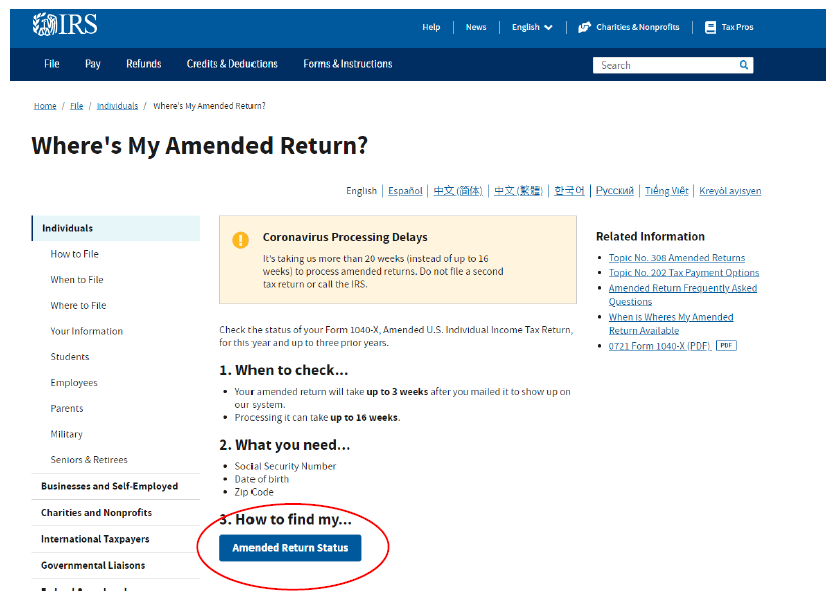
If you discover an error on your already filed return before the IRS contacts you, you might need to file an amended return using Form 1040-X, Amended U.S. Individual Income Tax Return. It’s generally advised to wait until your original return has been processed and you’ve received your refund (or paid any tax due) before filing an amended return. Amended returns take significantly longer to process – typically up to 16 weeks or more – and cannot be tracked using the “Where’s My Refund?” tool; you’ll need to use the “Where’s My Amended Return?” tool for that.
Identity Theft and Fraud Concerns
The IRS takes identity theft very seriously, and rightfully so. If your return is flagged due to potential identity theft, perhaps because multiple returns were filed under your SSN or a suspicious claim was made, your refund will be significantly delayed. The IRS will typically send you a Letter 5071C, 5747C, or 6331C, requesting you verify your identity online or by phone. It’s crucial to respond to these letters promptly and follow the instructions meticulously. Failure to do so will halt your refund indefinitely. Being proactive about protecting your personal information and promptly reporting any suspicious activity can help mitigate this risk.
The Impact of IRS Correspondence and Notices
Any time the IRS sends you a letter or notice, it’s essential to open and review it immediately. These communications are not junk mail and often contain critical information regarding your tax return. A notice could be asking for additional documentation, informing you of an adjustment to your refund, or notifying you of an audit. Ignoring IRS correspondence will only prolong delays and could lead to further complications, including penalties and interest. If you receive a notice and are unsure how to respond, consider consulting with a tax professional. They can help you understand the IRS’s request and formulate an appropriate and timely response.
When and How to Contact the IRS Directly
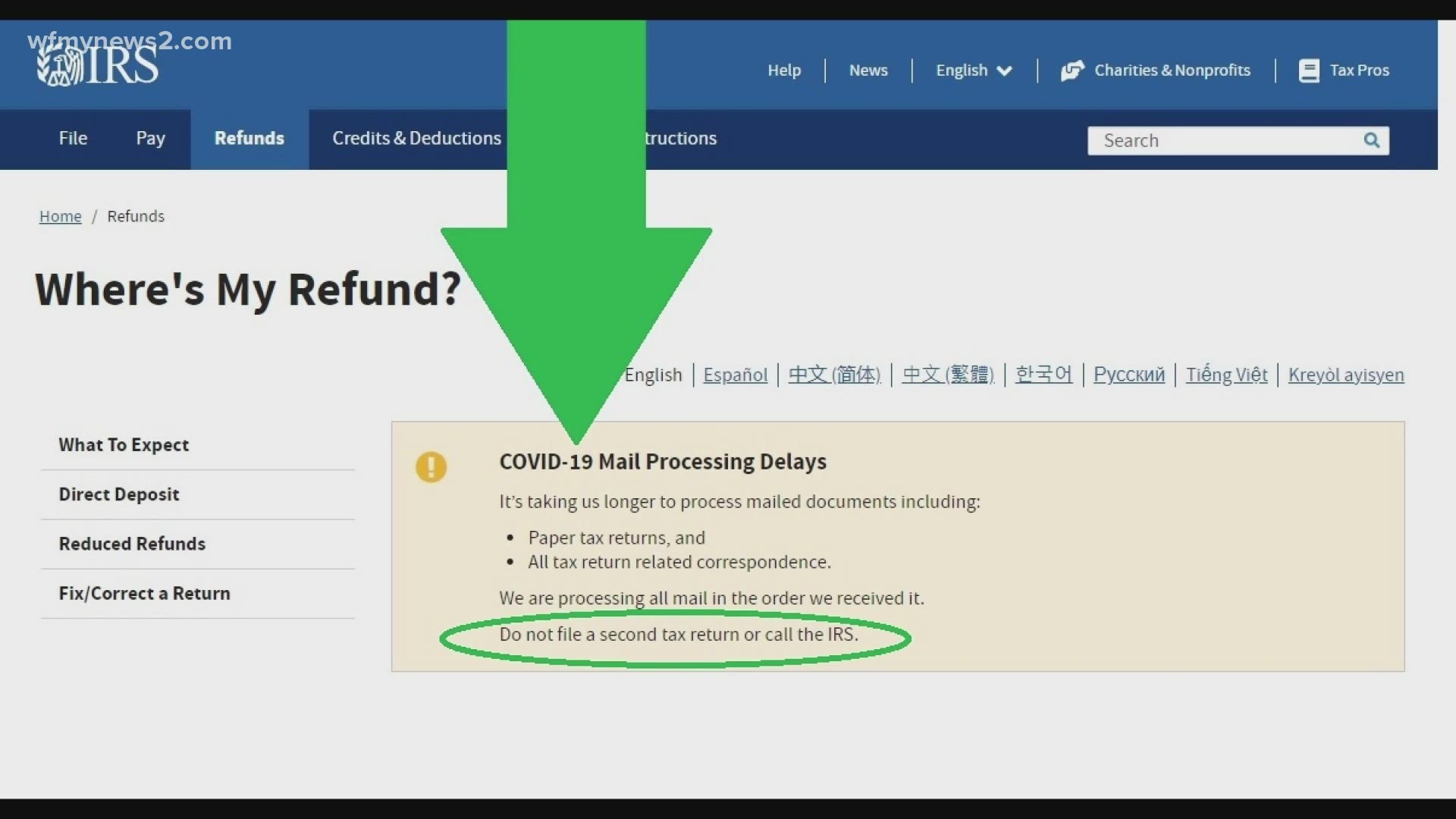
While the “Where’s My Refund?” tool is your primary resource, there are situations where direct contact with the IRS becomes necessary. If the tool directs you to call, if your refund has been delayed significantly beyond the typical processing times (e.g., more than 21 days for e-filed or 6 weeks for paper returns, or beyond the date given by the tool), or if you’ve responded to a notice but haven’t seen an update, it might be time to pick up the phone.
The main IRS phone number for individual tax inquiries is 1-800-829-1040. Be prepared for potentially long wait times, especially during tax season. When you call, have your tax return, all related documents, and any IRS correspondence in front of you. The representative will ask for your SSN, date of birth, and filing status to verify your identity. While IRS representatives can provide specific information about your return, remember that they are limited in what they can do to speed up the processing if your return is already in a queue for standard review or audit.
Strategies for a Smoother Tax Season Next Time
Experiencing delays and uncertainty with your federal tax refund can be stressful. Proactive planning and smart filing habits can significantly reduce the likelihood of encountering such issues in future tax seasons, making the process smoother and more predictable.
The Advantages of E-filing and Direct Deposit
There’s a reason why the IRS heavily promotes e-filing (electronic filing) and direct deposit: they are the fastest, safest, and most accurate methods for processing tax returns and receiving refunds. E-filing minimizes human error by automatically performing calculations and flagging common omissions. It also ensures immediate receipt by the IRS, eliminating postal delays and lost mail. Coupling e-filing with direct deposit means your refund bypasses the postal service entirely, landing directly in your bank account once approved. This combination drastically cuts down the waiting period compared to paper returns and mailed checks, often resulting in refunds within 21 days.
Double-Checking Your Information Before Submission
Before clicking “submit” or sealing that envelope, dedicate time to thoroughly review your entire tax return. Pay close attention to:
- Social Security Numbers: Ensure all SSNs (yours, your spouse’s, and dependents’) are correct and match your SSN cards.
- Bank Account Information: For direct deposit, double-check your routing and account numbers. A single wrong digit can send your refund to the wrong account or cause it to bounce back, leading to significant delays.
- Income Figures: Compare W-2s, 1099s, and any other income statements with the figures reported on your return.
- Filing Status: Confirm you’ve selected the correct filing status.
- Signatures: If filing a paper return, ensure all required signatures are present.
A meticulous review can prevent many of the common errors that lead to processing delays and IRS inquiries.
Proactive Record-Keeping Throughout the Year
Good record-keeping isn’t just for tax season; it’s a year-round discipline that pays dividends. Maintain an organized system for all your financial documents: W-2s, 1099s, receipts for deductible expenses, charity donations, medical bills, and investment statements. Digital copies backed up securely are often more convenient and less prone to loss than physical papers. When tax season arrives, having all your documentation readily accessible not only streamlines the preparation process but also ensures accuracy, reducing the chance of errors that could flag your return for review. Furthermore, if the IRS does send a notice or initiate an audit, having robust records will allow you to respond quickly and confidently.
Staying Informed About Tax Law Changes
Tax laws are not static; they evolve. New credits are introduced, old ones expire, income thresholds change, and deduction rules are modified. Staying abreast of these changes, even at a high level, can help you prepare more accurately. Reputable financial news sources, the IRS website itself, and tax preparation software updates are excellent resources for keeping informed. Understanding how changes might impact your personal financial situation allows for better tax planning throughout the year, potentially leading to a more accurate return and a smoother filing experience when the time comes.
Ultimately, while the question “Where are my federal tax returns?” can be daunting, a combination of proactive steps, diligent tracking, and informed responses to IRS communications can transform a potentially stressful experience into a manageable financial task. By understanding the system and utilizing the resources available, you can confidently navigate the federal tax return process.
aViewFromTheCave is a participant in the Amazon Services LLC Associates Program, an affiliate advertising program designed to provide a means for sites to earn advertising fees by advertising and linking to Amazon.com. Amazon, the Amazon logo, AmazonSupply, and the AmazonSupply logo are trademarks of Amazon.com, Inc. or its affiliates. As an Amazon Associate we earn affiliate commissions from qualifying purchases.