
For a global powerhouse like Lululemon Athletica, the question of where products are manufactured is more than a logistical detail; it is a fundamental component of its brand strategy. Lululemon has positioned itself not merely as an apparel company, but as a premium “technical” brand rooted in innovation, quality, and a specific lifestyle aesthetic. This positioning requires a supply chain that mirrors its high-end market placement. To understand where Lululemon is made is to understand how the brand balances cost efficiency with technical excellence, ethical transparency, and the maintenance of a luxury-adjacent reputation.
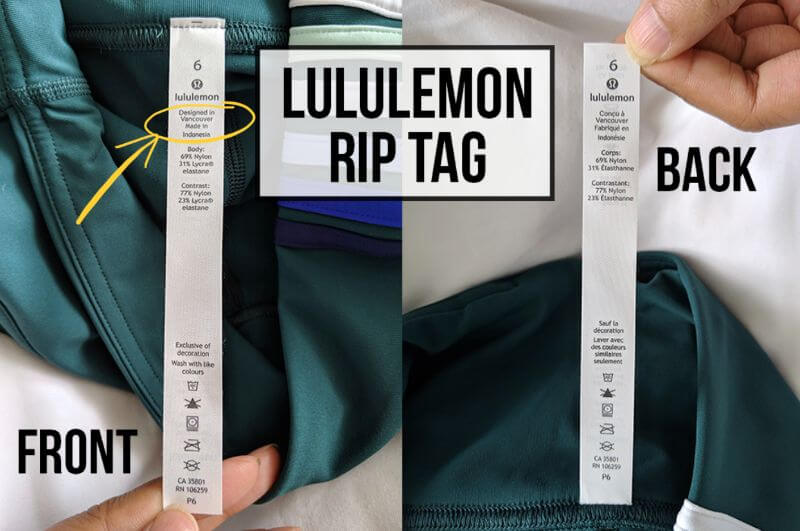
Unlike many fast-fashion retailers that prioritize the lowest possible production costs, Lululemon’s sourcing strategy is dictated by the complexity of its proprietary fabrics and the precision required for its designs. This article explores the geography of Lululemon’s manufacturing, the strategic rationale behind its vendor selections, and how its supply chain reinforces its brand identity in a competitive global market.
The Architecture of Quality: Lululemon’s Global Supply Chain Strategy
Lululemon does not own any of its own manufacturing facilities. Instead, it relies on a sophisticated network of third-party vendors located primarily in Southeast Asia and East Asia. As of their most recent corporate disclosures, the vast majority of their products are manufactured in countries including Vietnam, Cambodia, Sri Lanka, China, and Taiwan.
The Vietnamese Powerhouse
Vietnam has emerged as the primary hub for Lululemon’s garment assembly. This shift is part of a broader trend in the high-performance athletic industry. Vietnam offers a unique combination of skilled labor capable of handling complex “flatlock” stitching—essential for chafe-free athletic wear—and a regulatory environment that supports large-scale exports. For Lululemon, manufacturing in Vietnam allows the brand to scale its production of core items like the Align Pant while maintaining a level of consistency that its loyal “guest” base expects.
The Role of Taiwan in Fabric Innovation
While assembly often happens in Vietnam or Cambodia, the soul of the product—the fabric—frequently originates in Taiwan. Lululemon’s brand identity is built on proprietary materials like Luon, Nulu, and Everlux. Taiwan is a global leader in synthetic textile technology. By sourcing high-tech yarns and fabrics from Taiwanese mills, Lululemon ensures that its “technical” brand promise is backed by genuine material science. This separation of fabric sourcing and garment assembly is a strategic move to protect trade secrets and ensure that the “feel” of the product remains unique to the brand.
Diversification in Sri Lanka and Cambodia
Sri Lanka plays a critical role in Lululemon’s manufacturing of intimate wear and specialized bras. The country has developed a niche expertise in high-end lingerie and bonded-seam technology, which aligns perfectly with Lululemon’s expansion into the “On the Move” and high-impact sports bra categories. Meanwhile, Cambodia serves as a high-volume manufacturing site, providing the brand with the capacity needed to meet the explosive growth of its global footprint.
Transparency and Trust: Navigating the Ethics of Modern Manufacturing
In the modern era, a brand’s value is inextricably linked to its ethical footprint. For a company like Lululemon, which sells an aspirational lifestyle centered on wellness and “mindful movement,” any disconnect between its marketing and its manufacturing practices could be catastrophic for its brand equity.
The Global Code of Conduct
Lululemon manages its manufacturing partnerships through a rigorous Global Code of Conduct. Because they do not own the factories, their primary brand risk lies in the actions of their partners. To mitigate this, the brand employs a “Vendor Environmental Action Program” and conducts regular third-party audits. From a branding perspective, these are not just administrative tasks; they are marketing assets. Being able to claim “responsibly sourced” status allows Lululemon to justify its premium price point to a socially conscious demographic.
Sustainability as a Brand Pillar
The “Made in” label is increasingly viewed through the lens of environmental impact. Lululemon has committed to significant goals regarding sustainable materials, aiming for 100% of their products to be made with sustainable materials by 2030. This initiative forces their manufacturing partners to innovate. When a factory in China or Vietnam adopts water-recycling technology to produce Lululemon leggings, it reinforces the brand’s narrative of “Impact.” This transparency in the supply chain serves to build a “trust bridge” between the brand and the consumer, ensuring that the purchase feels like an investment in a better world rather than just a transaction for clothing.
Managing the “Made in China” Perception
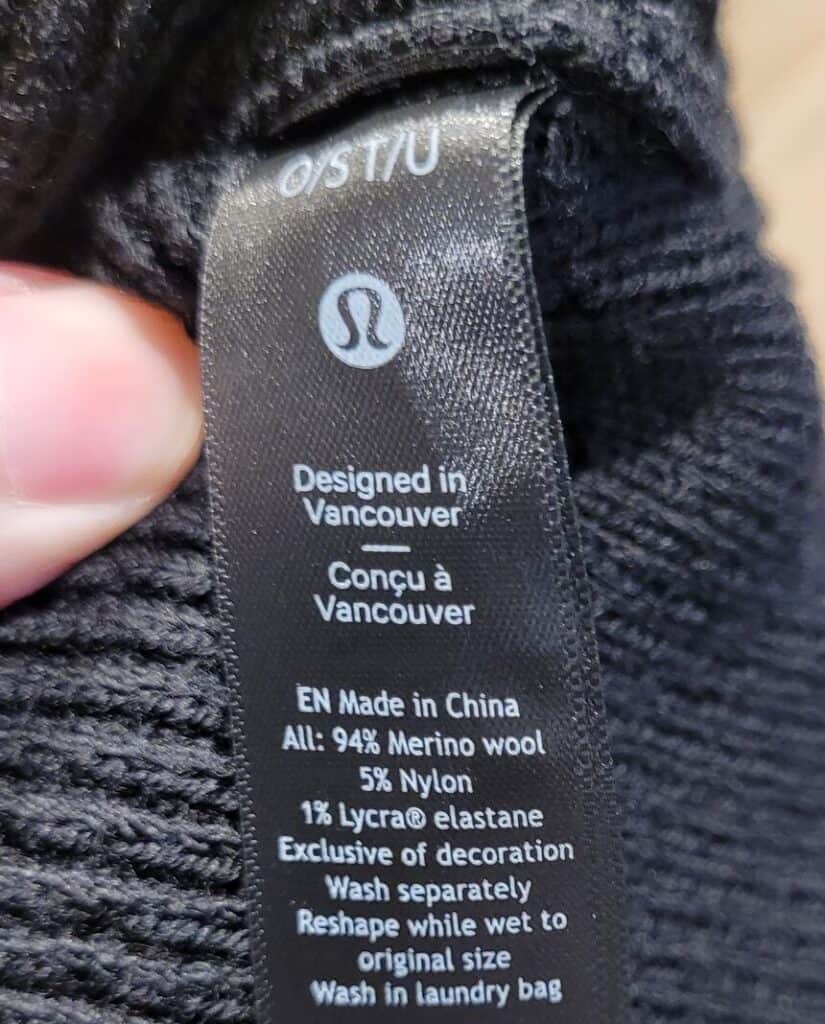
For many years, high-end brands faced a branding challenge when labeling products “Made in China,” due to consumer perceptions of mass production. Lululemon has navigated this by focusing on the quality of the output rather than the location. By highlighting the technical prowess of their Chinese partners—who are often at the forefront of automated knitting and seamless technology—Lululemon has helped shift the narrative. In the brand’s eyes, China is not a source of cheap labor, but a source of high-tech manufacturing infrastructure that is difficult to replicate elsewhere.
The “Secret Sauce”: Technical Innovation and Specialized Manufacturing Partners
The reason a pair of Lululemon leggings costs over $100 while a generic version costs $20 is often found in the manufacturing process itself. Lululemon’s brand strategy relies on “product obsession,” which translates to a highly collaborative relationship with a small, elite group of vendors.
The Vertical Integration of Design and Production
Lululemon’s design team in Vancouver works in tight loops with their manufacturers. This is not a “send a sketch and wait for a shipment” relationship. It involves an iterative process where the factory’s technical capabilities inform the design. For example, the development of the “Feel” (the tactile sensation of the fabric) is a collaborative effort between the raw material suppliers and the brand’s internal researchers. This synergy is what allows Lululemon to maintain a competitive moat; even if a competitor uses the same factory, they do not have access to the same proprietary processes and “recipes” for the fabric.
Specialization Over Generalization
Lululemon categorizes its vendors based on their “hero” capabilities. Some factories are specifically chosen for their expertise in seam-sealing, while others are utilized for their mastery of compression fabrics. This specialized approach ensures that the brand doesn’t suffer from “quality drift.” By placing specific product lines in specific geographic regions known for those skill sets, Lululemon protects its brand promise of longevity and performance.
The Science of the “Stitch”
A key differentiator for Lululemon is the construction of the garment. The brand utilizes specialized machinery that many standard apparel factories do not possess. This includes machines for ultrasonic welding and specialized heat-pressing. By partnering with vendors who invest in this high-end machinery, Lululemon reinforces its identity as a leader in “Active Engineering.” The manufacturing process itself becomes a part of the marketing story—focusing on how the gear is built to withstand the rigors of an intense yoga practice or a marathon.
Strategic Resilience: Diversification and the Future of the Lululemon Supply Chain
The global landscape is volatile, and for a brand that relies heavily on international manufacturing, agility is a core component of brand survival. Lululemon’s sourcing strategy has evolved to be highly resilient, ensuring that the brand can maintain its “premium” status even in the face of global disruptions.
Reducing Geographic Concentration
In recent years, Lululemon has focused on diversifying its sourcing to avoid over-reliance on any single country. This is a strategic move to protect the brand from geopolitical tensions and supply chain bottlenecks. By spreading production across Vietnam, Sri Lanka, and South Asia, the brand ensures a steady flow of inventory. In the world of high-end retail, “stock-outs” can damage brand loyalty; if a customer cannot find their favorite Align Pant, they may migrate to a competitor like Alo Yoga or Vuori. A diversified manufacturing base is, therefore, a tool for maintaining brand dominance.
Nearshoring and Localized Hubs
While the majority of production remains in Asia due to the specialized textile infrastructure there, Lululemon has explored nearshoring opportunities for certain markets. Small-scale production or finishing in North America or closer to European markets allows for faster turnaround on trend-based items. This agility is crucial for a brand that operates on a “scarcity” model for certain limited-edition colors and patterns. The ability to react quickly to consumer trends without sacrificing the quality established in their Asian hubs is a hallmark of Lululemon’s mature brand strategy.
The Digital Supply Chain
Looking forward, Lululemon is integrating more technology into its manufacturing oversight. Using AI and real-time data tracking, the brand can monitor factory conditions and production speeds from their headquarters in Vancouver. This digital transformation of the supply chain allows the brand to be more proactive than reactive. From a brand perspective, this data-driven approach reduces the risk of quality scandals or ethical breaches, ensuring that the Lululemon logo remains a symbol of premium, reliable, and ethically produced athletic wear.
In conclusion, where Lululemon is made is a complex tapestry of global expertise. It is a strategic choice that prioritizes technical skill and fabric innovation over sheer cost-cutting. By aligning its manufacturing locations with its brand values of quality, innovation, and mindfulness, Lululemon has built a supply chain that does more than just deliver products—it delivers on the brand’s promise to the consumer. The “Made in” label on a piece of Lululemon gear is a testament to a sophisticated global operation designed to maintain a premium position in the hearts and minds of athletes around the world.
aViewFromTheCave is a participant in the Amazon Services LLC Associates Program, an affiliate advertising program designed to provide a means for sites to earn advertising fees by advertising and linking to Amazon.com. Amazon, the Amazon logo, AmazonSupply, and the AmazonSupply logo are trademarks of Amazon.com, Inc. or its affiliates. As an Amazon Associate we earn affiliate commissions from qualifying purchases.