
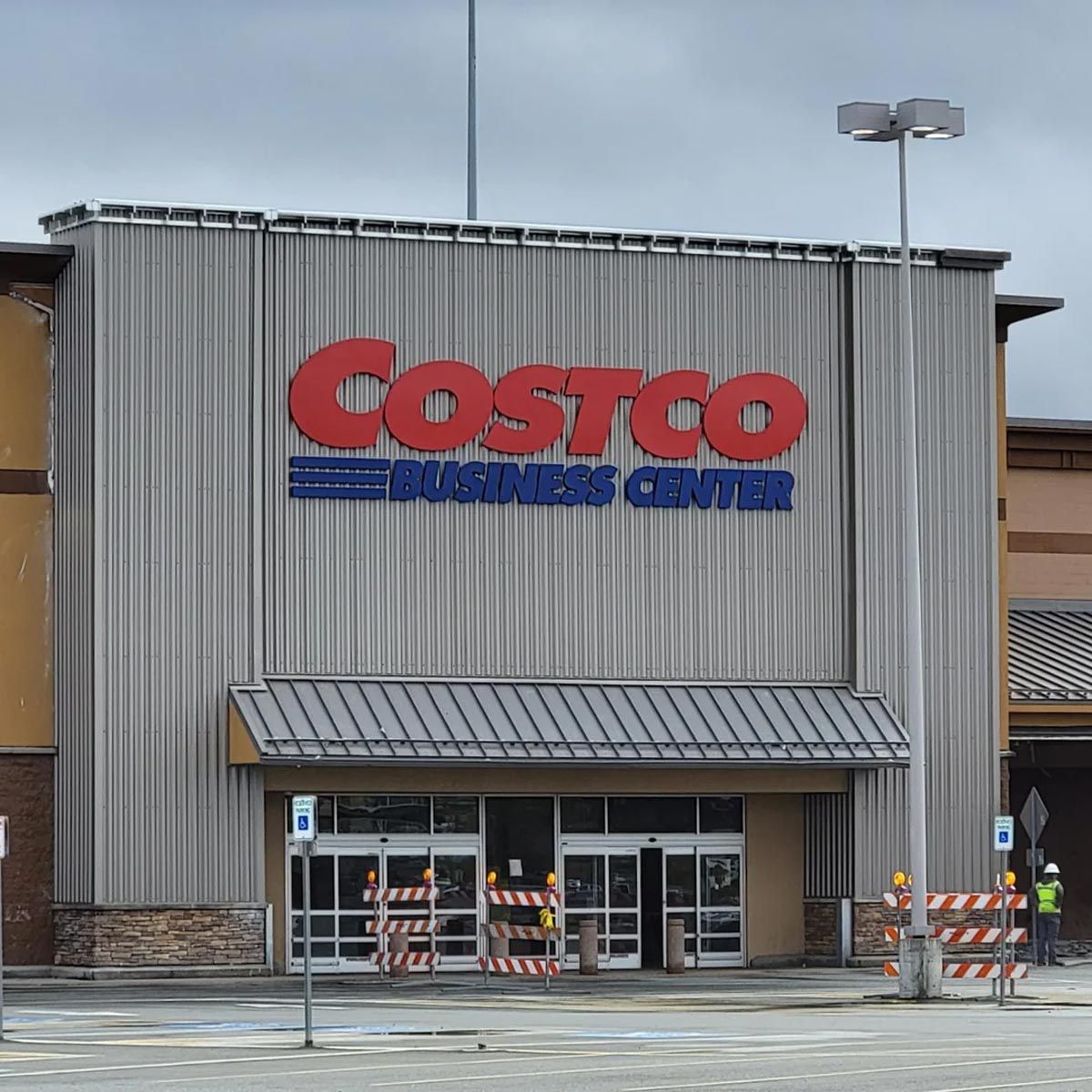
Costco Business Centers represent a distinct and highly specialized facet of the wholesale retail giant’s operational strategy, tailored specifically to meet the voluminous and unique demands of businesses. Unlike the familiar Costco warehouses designed for a broader consumer base, these centers focus intensely on providing a curated selection of products and services essential for the efficient functioning and profitability of various enterprises, from restaurants and offices to convenience stores and catering companies. Understanding their strategic placement and operational model is crucial for businesses looking to optimize their supply chains and expenditure.
The Strategic Imperative of Costco Business Centers
The genesis of Costco Business Centers lies in a shrewd market observation: businesses have fundamentally different purchasing patterns and product needs than individual households. While a standard Costco warehouse offers excellent value for bulk consumer goods, it often falls short in providing the deep inventory, specific packaging, and logistical support required by commercial entities. These business centers bridge that gap, acting as dedicated hubs for business-to-business transactions.

Differentiating from Traditional Warehouses
The core difference between a standard Costco warehouse and a Business Center is not just in product selection but in the entire operational philosophy. Business Centers typically operate with earlier opening hours, allowing business owners to stock up before their own operations begin. They feature industrial-sized aisles, designed to accommodate larger carts and pallet jacks, and often lack the common amenities of regular Costco stores, such as optical centers, pharmacies, or food courts. The product mix leans heavily towards professional-grade kitchen equipment, oversized food packaging, janitorial supplies, office furniture, and specialized merchandise that aligns with commercial operations. This differentiation is a financial decision, optimizing inventory turns and floor space for maximum revenue generation from the business segment.
Who Benefits Most: Target Demographics
The primary beneficiaries of Costco Business Centers are small to medium-sized businesses across various sectors. Restaurants and caterers find an extensive array of fresh and frozen foods, bulk ingredients, and disposable serving ware. Office managers appreciate the vast selection of office supplies, furniture, and breakroom essentials. Convenience store owners can source bulk beverages, snacks, and tobacco products. Even non-profit organizations and schools leverage these centers for their larger-scale procurement needs. The financial advantage for these businesses comes from purchasing high-quality goods at wholesale prices, directly impacting their cost of goods sold and ultimately their profit margins. By providing a one-stop shop for diverse business needs, these centers reduce sourcing time and logistical complexity, translating into operational cost savings.
Mapping the North American Footprint
The location strategy for Costco Business Centers is deliberate, aiming to serve dense commercial areas and regions with a high concentration of small and medium-sized businesses. Their footprint, while smaller than the traditional warehouse network, is steadily expanding to meet growing demand.
United States Locations: A Growing Network
In the United States, Costco Business Centers are strategically positioned in major metropolitan areas and commercial hubs. Key states with a significant presence include California, which boasts several locations given its vast economic activity and diverse business landscape. Texas, Florida, Illinois, Washington, and parts of the Northeast also host multiple centers. Each location is chosen after extensive market analysis, considering factors like local business density, competitor presence, and logistical accessibility for commercial vehicles. These centers are often situated near major highways or industrial parks, making them convenient for business owners to access and transport large quantities of goods. The concentration in high-commerce regions underscores Costco’s commitment to supporting the economic engines of these areas, enabling local businesses to thrive by offering competitive pricing and specialized inventory. As of late 2023, there are over 30 Costco Business Centers across the U.S., a testament to their successful model and expanding reach.
Canadian Presence: Expanding Business Solutions
Canada has also seen the successful introduction and growth of Costco Business Centers, mirroring the U.S. model in its strategic placement and product offering. Major Canadian cities and their surrounding commercial zones, such as Toronto, Montreal, Calgary, and Vancouver, are home to these specialized warehouses. These locations cater to the distinct needs of Canadian businesses, offering a similar range of bulk and commercial-grade products. The expansion into the Canadian market demonstrates the universal appeal of this specialized wholesale model for businesses seeking efficiency and cost-effectiveness in their procurement processes. The consistent growth in both countries reflects a solid financial strategy and a clear understanding of the business-to-business market’s unmet needs.
Operational Advantages for Businesses
The existence and strategic placement of Costco Business Centers offer tangible financial and operational advantages that directly contribute to a business’s bottom line.
Bulk Purchasing and Cost Efficiencies

The most immediate financial benefit for businesses is the ability to engage in true bulk purchasing. Products are often sold in larger case quantities than even a standard Costco warehouse, which translates to a lower per-unit cost. For businesses that consume significant volumes of specific items—whether it’s cooking oil for a restaurant, printer paper for an office, or beverages for a retail store—these savings accumulate rapidly. This direct reduction in procurement costs can significantly improve gross profit margins, allowing businesses to either offer more competitive pricing to their own customers or re-invest the savings into other areas of their operation.
Specialized Inventory for Business Needs
Beyond sheer volume, the curated inventory is a major draw. Costco Business Centers stock items specifically designed for commercial use. This includes industrial-grade cleaning supplies, specialized food service equipment, heavy-duty shelving, and a wider variety of specific cuts of meat or types of produce that cater to culinary operations. This specialization means businesses spend less time hunting for niche products from multiple suppliers, streamlining their purchasing process and reducing administrative overhead. The availability of diverse, business-specific products under one roof simplifies inventory management and supplier relationships, contributing to operational efficiencies.
Streamlined Logistics and Delivery Services
Many Costco Business Centers offer robust delivery services, a critical component for businesses that lack the fleet or manpower to transport large orders themselves. This service can be a significant cost-saver, eliminating the need for businesses to invest in delivery vehicles or allocate staff time to procurement trips. By outsourcing delivery, businesses can focus their resources on their core operations. The centers are designed for quick in-and-out access for commercial vehicles, further reducing loading times for those who pick up their own orders. This focus on logistical efficiency translates directly into reduced labor costs and improved operational flow for their business customers.
Maximizing Value from Business Center Access
To fully leverage the financial and operational benefits of Costco Business Centers, businesses need to understand the membership structure and integrated services.
Membership Benefits and Business Account Setup
Access to Costco Business Centers requires a Costco membership, similar to traditional warehouses. However, businesses can set up dedicated business memberships, often with multiple authorized users under one account. This allows for centralized billing and tracking of expenditures, which is vital for financial planning and tax purposes. The detailed purchase history provided by a business account helps in budgeting, inventory forecasting, and identifying spending patterns, offering valuable insights for financial management.
Beyond the Physical: Online Ordering and Delivery Integration
Recognizing the evolving needs of modern businesses, Costco Business Centers have integrated online ordering platforms. Businesses can browse the full catalog, place orders, and schedule deliveries directly from their office or home. This digital extension significantly enhances convenience, especially for bulk orders or recurring purchases. The online platform, combined with delivery services, represents a powerful tool for inventory management, allowing businesses to maintain optimal stock levels without the need for constant physical visits. This blend of physical and digital accessibility underscores Costco’s commitment to providing flexible and cost-effective solutions for its business clientele, allowing them to save on time, labor, and transportation costs.
Future Growth and Market Impact
The continued expansion of Costco Business Centers reflects a smart, financially driven strategy that capitalizes on a niche within the wholesale market.
Expansion Strategy and Market Demand
Costco’s strategy for Business Centers is one of targeted expansion. Rather than saturating every market, new locations are carefully selected based on data analytics related to local business density, competitive landscape, and logistical feasibility. This ensures that each new center is a viable financial investment with strong potential for sustained profitability. The demand for these specialized wholesale services remains robust as the small and medium-sized business sector continues to be a powerful economic force, constantly seeking efficiencies and cost advantages in a competitive marketplace.
The Role in the Small Business Economy
Costco Business Centers play a pivotal role in supporting the small business economy by providing essential resources that might otherwise be out of reach for smaller entities. By offering competitive pricing, a vast selection of commercial-grade products, and efficient logistical solutions, these centers empower small businesses to compete more effectively with larger corporations. They democratize access to wholesale pricing and supply chain efficiencies, fostering growth and resilience within the small business community. This symbiotic relationship—where Costco benefits from a loyal and high-volume business clientele, and businesses benefit from unparalleled value—cements the Costco Business Center model as a significant and growing force in business finance and operational strategy.
aViewFromTheCave is a participant in the Amazon Services LLC Associates Program, an affiliate advertising program designed to provide a means for sites to earn advertising fees by advertising and linking to Amazon.com. Amazon, the Amazon logo, AmazonSupply, and the AmazonSupply logo are trademarks of Amazon.com, Inc. or its affiliates. As an Amazon Associate we earn affiliate commissions from qualifying purchases.