
The expansion of an airline’s route map is far more than a logistical exercise; it is a definitive statement of brand intent. For American Airlines, the decision of where to fly in Europe represents a calculated effort to position itself as the premier choice for transatlantic business and leisure travel. In the hyper-competitive aviation market, every new pin on the map serves as a touchpoint for the brand’s identity, signaling its priorities, its partnerships, and its commitment to a premium global experience.
By analyzing the specific destinations American Airlines serves across the Atlantic, we gain insight into a sophisticated brand strategy that balances legacy prestige with opportunistic growth. This isn’t just about moving passengers from point A to point B; it is about reinforcing the “Flagship” identity of the world’s largest airline in the hearts and minds of international travelers.

The Strategic Blueprint: Mapping the Transatlantic Brand
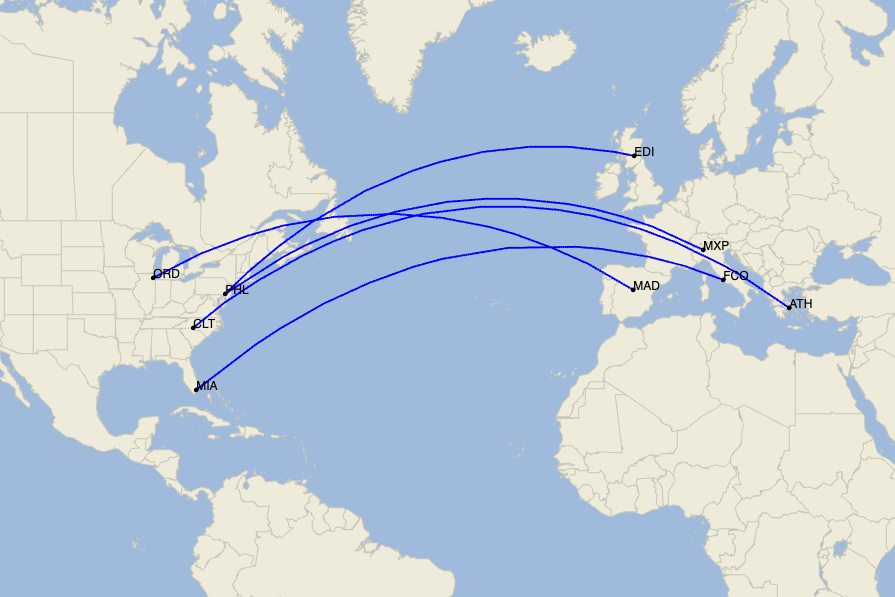
American Airlines’ European network is built on a foundation of strategic concentration. Rather than attempting to be everything to everyone, the brand focuses on high-yield corridors that reinforce its position as a corporate powerhouse. The brand strategy here is one of “Power Hubs,” where the airline leverages its domestic dominance in cities like Dallas/Fort Worth (DFW), Charlotte (CLT), and Philadelphia (PHL) to feed its European gateways.
The Role of Hub-and-Spoke Synergy
The brand identity of American Airlines is inextricably linked to its status as a “bridge builder.” By connecting secondary U.S. markets to primary European capitals, American reinforces its value proposition: seamless global connectivity. When American flies from a hub like DFW to a city like Madrid or Paris, it isn’t just selling a seat; it is selling the convenience of a single-carrier journey. This reliability is a core pillar of the corporate brand, appealing to the time-sensitive business traveler who values the consistency of the American Airlines ecosystem.
Seasonal Agility and Market Relevance
A key component of American’s brand strategy in Europe is its seasonal agility. The airline identifies high-demand leisure markets—such as Nice (NCE), Athens (ATH), and Venice (VCE)—and deploys its brand presence during peak months. This “pop-up” style of expansion allows the brand to remain relevant to the high-end leisure segment without overextending its operational resources during the winter months. It positions American as a brand that understands the desires of its customers, appearing exactly where they want to be, when they want to be there.
The Gateway Strategy: London Heathrow and the Prestige Factor
If American Airlines’ brand had a home away from home, it would be London Heathrow (LHR). No other destination in Europe is as critical to the airline’s brand identity. Heathrow is the world’s premier international hub, and American’s heavy presence there is a cornerstone of its “Flagship” branding.
The Power of the Atlantic Joint Business
The brand’s strength in London is amplified through its deep partnership with British Airways and the Oneworld alliance. This collaboration allows American to offer a “shuttle” style service on the New York (JFK) to London route, which is arguably the most important business travel corridor in the world. From a branding perspective, this partnership elevates American Airlines. By aligning its service standards and lounge experiences with British Airways, American adopts a more cosmopolitan, international persona that resonates with the global elite.
Flagship Lounges as Brand Temples
At Heathrow and other major European gateways like Paris Charles de Gaulle (CDG), American invests heavily in physical brand touchpoints. The Flagship Lounges are not merely waiting areas; they are curated environments designed to communicate luxury, exclusivity, and American hospitality. By providing high-end dining, shower suites, and personalized service in the heart of Europe, American ensures that its brand promise is delivered consistently, regardless of which side of the ocean the traveler is on.
Market Diversification: Leveraging Alliances for Continental Reach
While London is the anchor, American’s brand strategy in continental Europe relies heavily on its Oneworld partners. This allows the airline to maintain a “light” physical footprint while offering a “heavy” brand presence through code-sharing and integrated loyalty programs.
The Iberian Connection: Madrid and Barcelona
Through its partnership with Iberia, American Airlines has established a dominant brand position in the gateway to Latin America. Flying into Madrid (MAD) and Barcelona (BCN) allows American to capture the “bridge” market. The brand messaging here is focused on cultural connection and ease of transit. For a traveler flying from Miami to Madrid, American Airlines represents the familiar comfort of a domestic brand paired with the exotic reach of a global network.
Strategic Fortresses in Northern and Central Europe
American’s flights to hubs like Amsterdam (AMS), Frankfurt (FRA), and Munich (MUC) are strategic moves to capture the industrial and financial heart of Europe. In these markets, the brand competes directly with European giants like Lufthansa and KLM. The strategy here is “The American Alternative.” American positions itself as the preferred choice for U.S.-based multinational corporations, offering a brand experience tailored to the American business sensibility—efficient, tech-forward, and rewarding for frequent flyers through the AAdvantage program.
Brand Differentiation: The Onboard Experience as a Market Entry Tool
Where American Airlines flies is only half of the brand story; how it flies there is the other. In Europe, American uses its long-haul fleet—specifically the Boeing 777 and 787 Dreamliner—as mobile brand ambassadors.
The Flagship Suite and Premium Identity
The introduction of the Flagship Suite is a bold move to redefine American’s brand in the European market. As the airline phases out international First Class in favor of an upgraded Business Class experience, it is signaling a shift toward “approachable luxury.” This branding appeals to the modern executive who seeks privacy and comfort without the perceived excess of traditional first class. By deploying these suites on routes to Paris, Rome, and Zurich, American is positioning itself as a modern, design-forward brand that prioritizes the passenger’s personal space.
Infusing “Americana” into International Service
There is a subtle but intentional “Americana” vibe in American’s European service. From the selection of California wines to the partnership with American designers for amenity kits, the brand leans into its heritage. In the European market, this is a unique selling proposition. While European carriers may lean into heritage and “old-world” elegance, American Airlines offers a brand of hospitality that is proactive, friendly, and distinctly New World. This differentiation is vital in a crowded sky where service can often feel homogenized.
Future-Proofing the Brand: Sustainability and the Modern European Traveler
As American Airlines looks to the future of its European network, the brand is increasingly defined by its commitment to sustainability and modernization. European travelers and regulators are among the most environmentally conscious in the world, and for American to maintain its brand equity in the region, it must align with these values.
The Integration of Sustainable Aviation Fuel (SAF)
American’s brand messaging in Europe is beginning to highlight its investments in Sustainable Aviation Fuel and fuel-efficient aircraft. By flying the 787 Dreamliner—one of the most fuel-efficient wide-body aircraft—to cities like Dublin (DUB) and Copenhagen (CPH), American is reinforcing a brand image of responsibility and innovation. This is not just a PR move; it is a fundamental shift in corporate identity to meet the expectations of a global audience that demands more from the brands they support.
Digital Transformation and the Seamless Journey
The brand experience now extends far beyond the aircraft. In Europe, where multi-modal travel (train-to-plane) is common, American is focusing on digital integration. The brand’s investment in its mobile app and biometric boarding processes at European airports is a testament to its “Tech-First” brand philosophy. By reducing friction at every touchpoint—from check-in at London to baggage claim in Rome—American reinforces a brand promise of effortlessness.

Conclusion: A Continent-Wide Brand Statement
The map of where American Airlines flies in Europe is a living document of the company’s brand evolution. Each destination—whether it is the business-heavy terminals of London Heathrow or the sun-drenched runways of the Mediterranean—is chosen to support a specific pillar of the American Airlines identity.
Through strategic hub placement, premium onboard experiences, and a powerful alliance network, American has successfully exported its brand of “Flagship” service to the European continent. It stands not just as a carrier of passengers, but as a symbol of American reach, reliability, and modern luxury. As the airline continues to refine its European footprint, its brand strategy will undoubtedly remain focused on one goal: being the most trusted and preferred American brand in the international skies.
aViewFromTheCave is a participant in the Amazon Services LLC Associates Program, an affiliate advertising program designed to provide a means for sites to earn advertising fees by advertising and linking to Amazon.com. Amazon, the Amazon logo, AmazonSupply, and the AmazonSupply logo are trademarks of Amazon.com, Inc. or its affiliates. As an Amazon Associate we earn affiliate commissions from qualifying purchases.