
The Pervasive Power of Confirmation Bias in Branding
In the intricate dance between brands and their audiences, the human tendency to believe nothing except what one wants to believe stands as a formidable, often underestimated, force. This deeply ingrained psychological phenomenon, primarily manifesting as confirmation bias, dictates how messages are received, how identities are formed, and ultimately, how market share is won or lost. For any entity, be it a corporate giant or an individual entrepreneur building a personal brand, understanding and navigating this landscape of selective perception is not merely advantageous, but essential for survival and growth.

Consumers’ Selective Perception
Consumers are not blank slates. They approach brands, products, and marketing messages armed with pre-existing beliefs, biases, and desires. When presented with information, their brains are hardwired to seek out and interpret data that confirms these pre-existing notions, while actively or passively filtering out contradictory evidence. A consumer who wants to believe that a certain luxury brand signifies status will readily embrace advertising that reinforces this idea, dismissing negative reviews as isolated incidents or competitor smears. Similarly, someone committed to a particular ethical stance will seek out brands that align with their values, even if those alignments are surface-level or imperfect. This selective perception means that a brand’s actual attributes might be secondary to the narrative the consumer wants to construct around it. It underscores the profound impact of first impressions, brand legacy, and emotional appeals over purely rational feature comparisons. Marketing, in this context, becomes less about informing and more about affirming or guiding an already desired belief.
Brand Echo Chambers
This phenomenon extends beyond individual consumers to create collective “brand echo chambers.” These are environments where consumers, often connected through social media or shared cultural identifiers, reinforce each other’s positive beliefs about a specific brand, amplifying loyalty and insulating it from external critiques. Within these chambers, shared positive experiences, user-generated content, and influencer endorsements create a virtuous cycle of affirmation. Conversely, negative echo chambers can form rapidly, solidifying grievances and doubts that become resistant to a brand’s attempts at rebuttal or clarification. For brands, the challenge lies in understanding who inhabits these echo chambers and how to either penetrate hostile ones with credible narratives or, more effectively, cultivate and nurture positive ones. The belief held within these groups, whether positive or negative, often becomes more potent than objective reality, dictating purchasing decisions and brand sentiment in ways that traditional advertising alone cannot counter or create.
Crafting Narratives for Desired Belief
Recognizing that audiences largely believe what they want to believe shifts the paradigm for brand strategy from simply delivering facts to meticulously crafting narratives that resonate with those latent desires and aspirations. This isn’t about deception, but about strategic communication that taps into deeper human motivations.
Beyond Features: Selling Aspirations and Identity
In a marketplace saturated with functionally similar products, the successful brand often transcends mere utility to sell something far more compelling: aspiration and identity. People don’t just buy a smartphone; they buy into the identity of innovation, connectivity, or creative freedom associated with a particular brand. They don’t just purchase athletic wear; they invest in the belief that it embodies peak performance, dedication, or a specific lifestyle. When a brand focuses its messaging on these higher-level aspirations – what the customer wants to become or how they want to be perceived – it bypasses the purely rational evaluation and connects directly with the desired self-image. This approach acknowledges that consumers will actively seek out and internalize messages that validate their desired identity, even if it requires a slight cognitive leap. The product becomes a vehicle for self-expression and the realization of a preferred narrative about oneself.
The Art of Strategic Storytelling
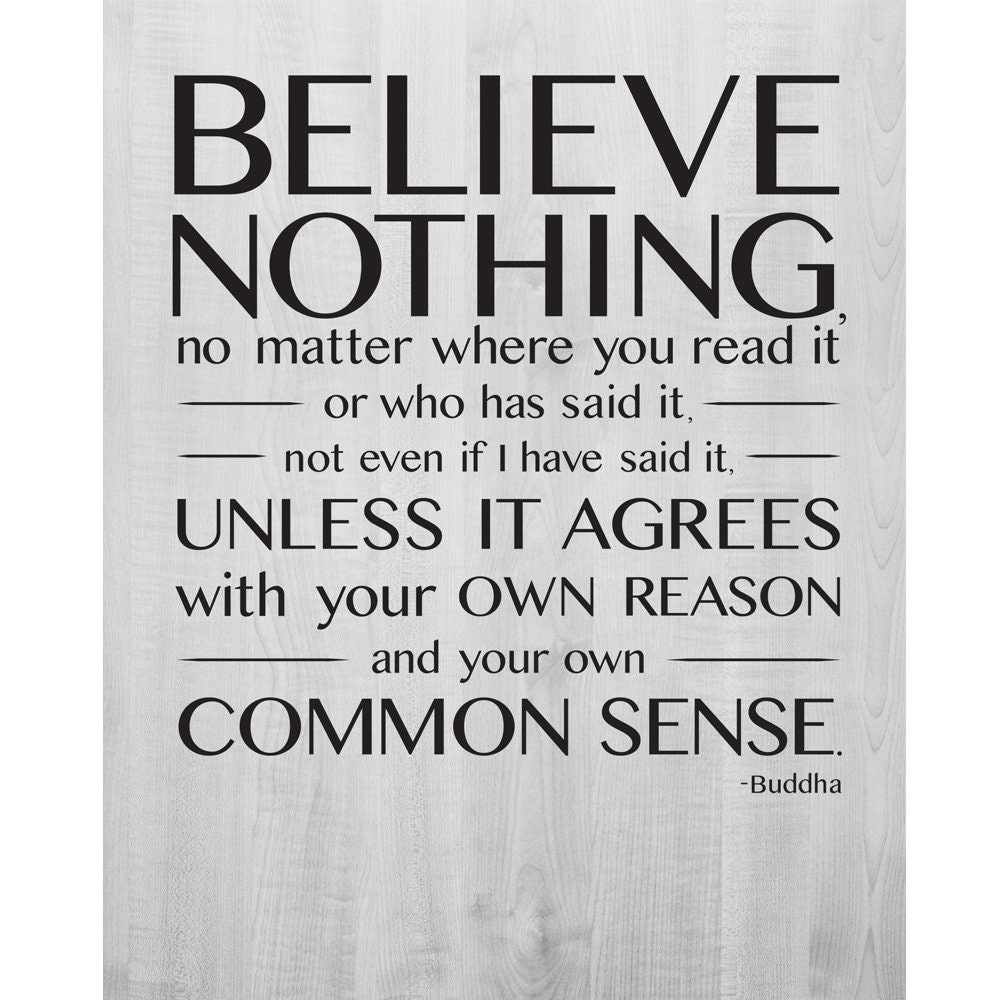
Against this backdrop, storytelling emerges as the most powerful tool for brand building. Stories, unlike bare facts, are inherently emotional and evocative. They invite identification, create empathy, and can bypass the critical faculties that might otherwise filter out information. A compelling brand story doesn’t just detail a product’s origin; it articulates a vision, champions a cause, or celebrates a struggle, allowing the audience to project their own desired beliefs and values onto the brand. Whether it’s the underdog narrative, the innovator’s journey, or the champion of sustainability, the right story can solidify a brand’s position in the consumer’s mind as one that aligns with what they want to believe about the world and themselves. Brands that master this art understand that the narrative, when congruent with an audience’s pre-existing desires, becomes the truth, shaping perception far more effectively than any bullet-point list of features. This requires deep empathy for the audience’s psychological landscape and the courage to articulate a brand purpose that resonates on an emotional, not just transactional, level.
Personal Branding: Curating a Believable Reality
The principles of selective belief are perhaps even more pronounced and critical in the realm of personal branding. Individuals, much like corporations, construct an identity that they present to the world, and their success often hinges on whether their audience wants to believe in that constructed reality.
The Self-Reinforcing Loop of Personal Brand Perception
For individuals building a personal brand – be it as an industry expert, an influencer, or a thought leader – the goal is often to establish credibility, authority, and relatability. The content they produce, the interactions they foster, and the image they project are all carefully curated to align with a desired perception. When an audience wants to believe in the expertise of a financial advisor, for instance, they will seek out success stories, positive testimonials, and content that validates their hope for financial security. This creates a self-reinforcing loop: the more an audience wants to believe, the more they engage; the more they engage, the more visibility and apparent validation the personal brand receives, further cementing the belief for new followers. Conversely, a personal brand that clashes with an audience’s desired beliefs, or fails to tap into them, will struggle for traction. This highlights the importance of understanding the target audience’s aspirations and anxieties, and then aligning the personal narrative to meet those psychological needs.
Authenticity vs. Aspiration
A critical tension in personal branding arises between the drive for “authenticity” and the need to present an aspirational image that audiences want to believe in. True authenticity, in its rawest form, includes flaws, doubts, and imperfections that may not always align with the idealized version an audience seeks in a leader or inspiration. However, a purely aspirational, sanitized image can feel inauthentic and unrelatable, particularly to a discerning digital audience. The sweet spot lies in strategic authenticity – sharing enough vulnerability or realness to build trust and relatability, while still emphasizing the journey, the expertise, or the success that aligns with what the audience wants to emulate or be guided by. It’s about presenting a genuine self that has navigated challenges to achieve the very aspirations the audience holds. This nuanced approach allows a personal brand to be believable, inspiring, and aspirational, without sacrificing the human element that fosters true connection.
Navigating the Disconnect: When Reality Clashes with Desired Belief
While leveraging desired beliefs is powerful, brands inevitably face situations where reality diverges from the perceptions their audience holds or wants to hold. How a brand manages this disconnect is crucial for long-term trust and reputation.
Addressing Negative Feedback and Misconceptions
When a brand encounters negative feedback, misinterpretations, or direct challenges to its desired image, the initial impulse might be to dismiss or vigorously counter. However, this can inadvertently reinforce negative beliefs, especially if the audience is already predisposed to skepticism. A more effective strategy involves acknowledging the feedback, demonstrating empathy, and then strategically re-framing the narrative or offering concrete steps to address the issue. For instance, if a brand is perceived as unsustainable despite its efforts, simply stating facts about its eco-friendly practices may not be enough. It needs to tell a compelling story about its commitment to sustainability, showcase its journey, admit imperfections, and invite dialogue. This approach allows the brand to engage with the audience’s existing beliefs, even negative ones, and work towards a new, shared understanding, rather than merely battling entrenched perceptions.
Building Trust in a Skeptical World
In an era of information overload and deep-seated skepticism, building trust is paramount. This goes beyond simply being transparent; it involves consistent actions and communications that align with the brand’s stated values and purpose. When a brand consistently delivers on its promises, acknowledges its shortcomings, and actively works to improve, it slowly builds a reservoir of goodwill. This trust allows the brand to weather minor missteps because the audience, having developed a strong underlying belief in the brand’s integrity, is more willing to give it the benefit of the doubt. Brands that successfully navigate a world where people believe what they want to believe are those that don’t just tell a good story, but live it out authentically, adapting their narrative and actions to continuously earn and re-earn the desired belief of their audience. This enduring commitment to congruence between identity and reality is the bedrock of lasting brand equity.
aViewFromTheCave is a participant in the Amazon Services LLC Associates Program, an affiliate advertising program designed to provide a means for sites to earn advertising fees by advertising and linking to Amazon.com. Amazon, the Amazon logo, AmazonSupply, and the AmazonSupply logo are trademarks of Amazon.com, Inc. or its affiliates. As an Amazon Associate we earn affiliate commissions from qualifying purchases.