
The question “When will the stock market go back up?” echoes in the minds of investors worldwide during periods of significant market downturn. It’s a natural human response to uncertainty and loss, a yearning for predictability in an inherently unpredictable system. While no one possesses a crystal ball to pinpoint the exact timing of a market rebound, understanding the underlying dynamics, historical patterns, and key economic indicators can provide invaluable perspective. The stock market, by its very nature, is cyclical. Downturns, while painful, are temporary phases in its long-term upward trajectory. For the astute investor, these periods often present unique opportunities, provided they maintain discipline and focus on fundamental principles rather than succumbing to panic. This comprehensive analysis aims to demystify market cycles, highlight the crucial economic signals, and outline strategic approaches for navigating periods of uncertainty, ultimately empowering investors to look beyond the immediate volatility towards long-term prosperity.
The Cyclical Nature of Markets: Understanding Bear Periods
To comprehend when the market might go back up, one must first grasp that market downturns are not anomalies but integral parts of a larger, recurring cycle. Financial markets are dynamic ecosystems driven by a complex interplay of economic fundamentals, corporate performance, investor psychology, and geopolitical events. This inherent cyclicality means that periods of expansion (bull markets) are inevitably followed by contractions (bear markets), and vice-versa. Recognizing this pattern is the first step toward building resilience and making informed decisions during turbulent times.
Defining a Bear Market and Its Historical Context
A bear market is conventionally defined as a decline of 20% or more from recent peak levels in broad market indexes like the S&P 500 or Dow Jones Industrial Average. While the 20% threshold provides a clear statistical marker, the true essence of a bear market lies in its prevailing sentiment: widespread pessimism, declining investor confidence, and a general belief that prices will continue to fall. These periods are often characterized by heightened volatility, reduced trading volumes, and a flight to safety assets.
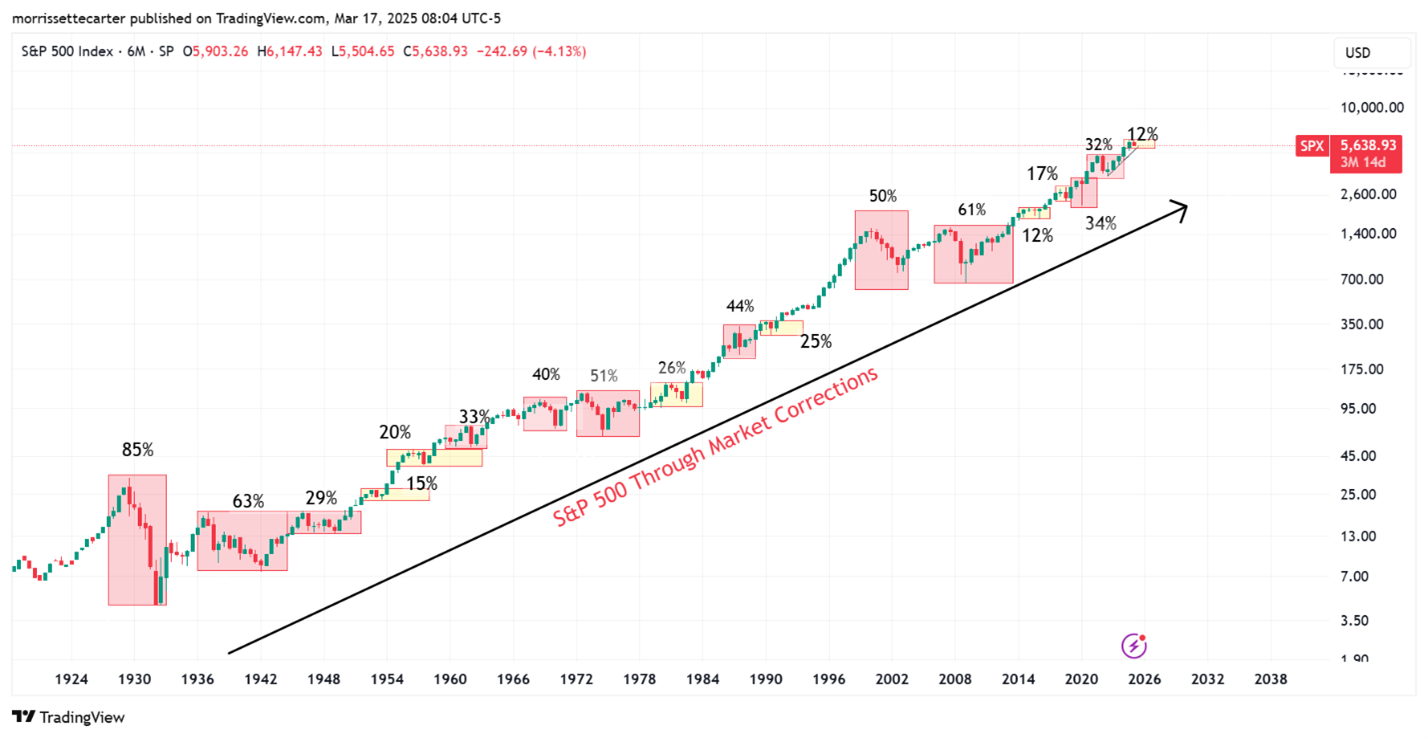
Historically, bear markets have varied significantly in both duration and severity. For instance, the dot-com bubble burst in the early 2000s led to a prolonged bear market that lasted for over two years, with the S&P 500 losing nearly 50% of its value. The 2008 Global Financial Crisis triggered a sharper, albeit shorter, bear market, seeing losses of similar magnitude in just over a year. More recently, the COVID-19 pandemic induced a rapid, sharp bear market in early 2020, which also saw one of the fastest recoveries in history, demonstrating the market’s capacity for swift rebounds under specific conditions. What these varied examples underscore is that while each bear market has its unique triggers and characteristics, they all share a common thread: they are temporary. The average duration of a bear market has historically been much shorter than that of a bull market, reinforcing the long-term upward bias of equities.
The Inevitability of Market Cycles
The concept of market cycles is not a modern phenomenon; it is deeply embedded in economic theory and financial history. These cycles are driven by a combination of factors:
- Economic Fundamentals: Expansions fuel corporate profits, consumer spending, and employment, driving stock prices higher. When growth slows, or recessionary fears emerge, these trends reverse.
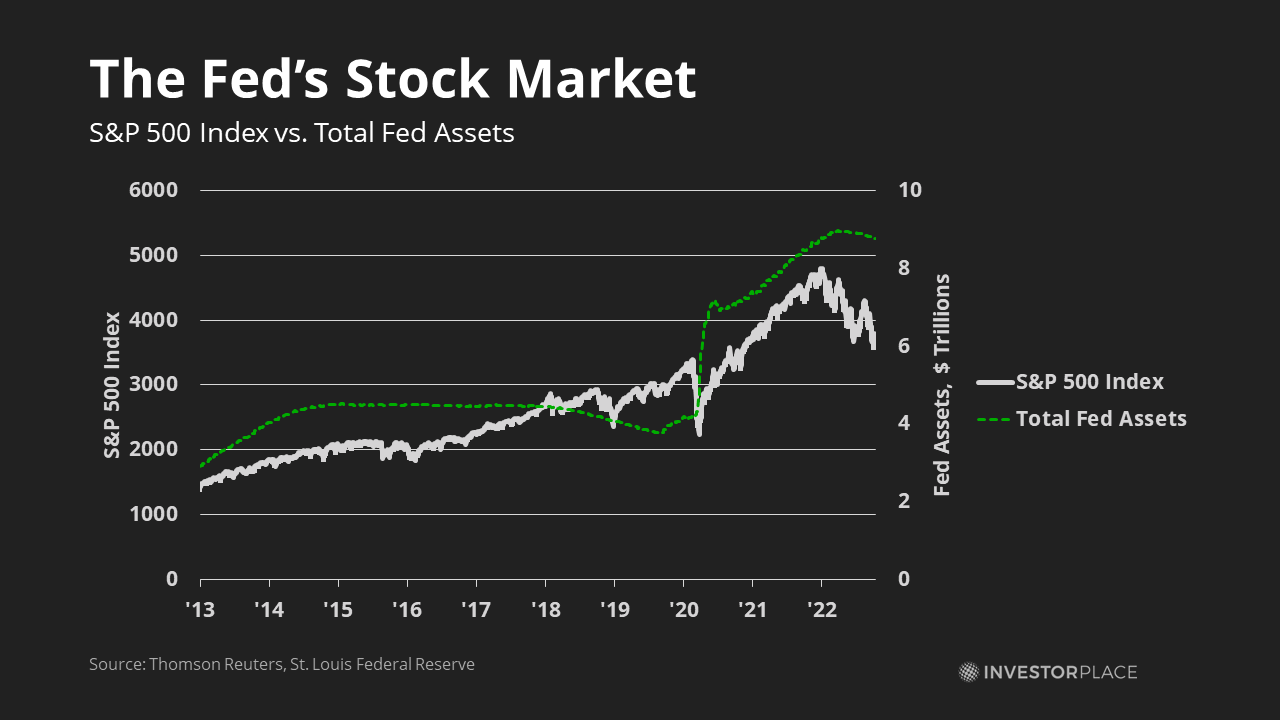
- Monetary Policy: Central banks use interest rates and other tools to manage inflation and economic growth. Tightening cycles (raising rates) often precede or coincide with market downturns, while loosening cycles (cutting rates) can stimulate recovery.
- Investor Psychology: Fear and greed play a powerful role. During bull markets, optimism can lead to overvaluation; during bear markets, pessimism can lead to undervaluation and panic selling.
Understanding this cyclicality helps investors internalize that downturns are not merely setbacks but natural cleansing processes that rebalance valuations and create opportunities for future growth. The market’s long-term trend has always been upward, consistently recovering from every downturn to reach new highs. Patience, therefore, becomes a cardinal virtue for navigating these inherent market rhythms.
Key Economic Indicators Guiding Market Trajectories
Predicting the precise timing of a market recovery is futile, but observing key economic indicators can offer valuable insights into the health of the economy and potential shifts in market sentiment. These indicators act as vital signs, helping investors gauge the underlying conditions that typically precede a sustained rebound. Monitoring them provides a framework for understanding why the market might be down and what signals could indicate a turning point.
The Dual Impact of Inflation and Interest Rates
Inflation and interest rates are perhaps the most critical macroeconomic variables dictating market sentiment and direction in the current environment. High inflation erodes purchasing power, reduces corporate profit margins (as input costs rise), and can dampen consumer demand. Central banks, in their mandate to maintain price stability, typically respond to persistent inflation by raising benchmark interest rates.
Rising interest rates have a profound impact on the stock market:
- Increased Borrowing Costs: Businesses face higher costs for debt financing, which can stifle investment and growth. Consumers also face higher costs for mortgages, auto loans, and credit, reducing discretionary spending.
- Reduced Valuations: Higher interest rates make future corporate earnings less valuable in present terms (discounting effect). They also make fixed-income investments (like bonds) more attractive, drawing capital away from riskier equities, especially growth stocks.
- Recessionary Pressure: Aggressive rate hikes, if sustained, can slow economic activity to the point of triggering a recession, further impacting corporate earnings and investor confidence.
A sustained market recovery often requires clear evidence that inflation is moderating, allowing central banks to pause or even reverse their tightening policies. A “pivot” by the central bank from a hawkish (rate-hiking) to a neutral or dovish (rate-cutting) stance is frequently a strong catalyst for market bottoms and subsequent rallies.
Corporate Health and Consumer Sentiment as Barometers
Beyond broad macroeconomic trends, the granular health of corporations and the collective mood of consumers provide crucial real-time insights:
- Corporate Earnings: Ultimately, stock prices are driven by corporate profitability. During a downturn, investors closely scrutinize quarterly earnings reports and, more importantly, forward-looking guidance from company management. Widespread earnings misses, alongside pessimistic outlooks, signal ongoing economic headwinds. Conversely, a stabilization or improvement in earnings expectations across various sectors can provide a strong fundamental basis for a market recovery. Strong balance sheets, robust free cash flow, and resilient business models become particularly valuable in these periods.
- Unemployment Data: A strong labor market typically indicates a healthy economy, supporting consumer spending. However, in an inflationary environment, a tight labor market can also contribute to wage-price spirals, prompting central banks to maintain higher interest rates. Conversely, a weakening job market (rising unemployment) can signal an impending recession, although the market often bottoms before the unemployment rate peaks.
- Consumer Confidence and Spending: Consumer spending accounts for a significant portion of GDP in many economies. When consumer confidence falters due to economic uncertainty, job insecurity, or inflationary pressures, spending on non-essential goods and services tends to decline. This directly impacts corporate revenues and profits. A rebound in consumer confidence, often evidenced by increased retail sales and positive sentiment surveys, can signal a broader economic recovery taking hold.
Geopolitical Influences and Supply Chain Dynamics
In an increasingly interconnected world, geopolitical events and global supply chain disruptions can have immediate and far-reaching effects on financial markets. Wars, trade disputes, energy crises, and pandemics can trigger volatility, disrupt production, increase costs, and dampen investor confidence. These external shocks often exacerbate existing economic vulnerabilities or create new ones. For a market recovery to gain sustainable traction, a degree of stability or resolution in major geopolitical flashpoints, coupled with the easing of supply chain bottlenecks, is often necessary. These factors directly impact inflation, corporate profitability, and overall economic growth, making their resolution a critical component of a sustained market upturn.
Identifying Signals of a Market Bottom and Imminent Recovery
While it’s impossible to predict the exact moment the market will “go back up,” historical analysis and economic theory suggest several key signals that often precede or coincide with a market bottom and the early stages of a recovery. These aren’t infallible predictors but rather a mosaic of indicators that, when viewed collectively, can paint a clearer picture of an impending turnaround.
Inflationary Pressures Easing and Central Bank Posture
One of the most powerful catalysts for a market rebound, especially after a period of high inflation and aggressive monetary tightening, is clear evidence that inflationary pressures are easing. This could manifest as:
- Declining CPI and PCE Data: Consistent monthly declines in key inflation measures (Consumer Price Index, Personal Consumption Expenditures) signal that price increases are moderating.
- Falling Commodity Prices: Reductions in the cost of oil, natural gas, metals, and agricultural products can signal a decline in input costs for businesses and broader disinflationary trends.
- Supply Chain Normalization: The resolution of bottlenecks and logistical issues can reduce pricing pressures on goods.
Crucially, this disinflationary trend often allows central banks to shift their monetary policy stance. A “central bank pivot,” moving from an aggressively hawkish position (rapid interest rate hikes) to a more neutral or even dovish stance (pausing hikes or signaling future cuts), is frequently a powerful signal of a market bottom. This pivot reassures investors that the worst of the economic tightening might be over, reducing the risk of a severe recession and making equities more attractive relative to fixed income.
Valuations, Capitulation, and Leading Indicators
Beyond central bank action, several other indicators often emerge as the market approaches its nadir:
- Valuations Becoming Attractive: During a bear market, stock prices fall faster than earnings, or earnings expectations are significantly revised downwards. Eventually, however, prices drop to levels where they become historically “cheap” relative to future earnings potential. Price-to-earnings (P/E) ratios, price-to-book ratios, and dividend yields can reach multi-year lows, indicating that much of the pessimism is already priced in. Value investors and long-term institutional buyers often begin accumulating assets at these depressed valuations, sensing opportunity.
- Capitulation: This is perhaps the most psychological of all market bottom signals. Capitulation refers to the final stage of a market decline characterized by widespread, indiscriminate selling driven by fear and despair. Investors “give up,” selling holdings at any price, leading to sharp declines on extremely high volume. The sentiment is one of utter hopelessness. Ironically, this maximum pessimism often marks the absolute bottom, as all those who can sell have already done so, leaving fewer sellers and setting the stage for a rebound. Media headlines are overwhelmingly negative, and investor surveys show extreme bearishness.
- Leading Economic Indicators (LEIs): Certain economic data points are considered “leading” because they tend to change direction before the broader economy. Examples include manufacturing new orders, building permits, and jobless claims. A consistent upturn in a composite index of LEIs can signal that the broader economic downturn is nearing an end and that a recovery is on the horizon. While not always perfect, these indicators provide forward-looking insights that can precede a stock market rally.
Prudent Investor Strategies During Uncertain Times
Given the inherent unpredictability of market timing, the most effective approach for investors during downturns is not to chase a recovery but to adhere to sound, time-tested investment principles. These strategies emphasize discipline, long-term vision, and risk management, allowing investors to navigate volatility and position themselves for future growth.
Embracing a Long-Term, Disciplined Approach
The biggest mistake investors make during bear markets is succumbing to panic and selling their holdings at a loss. This locks in losses and prevents participation in the eventual recovery. Instead, a long-term perspective is paramount:
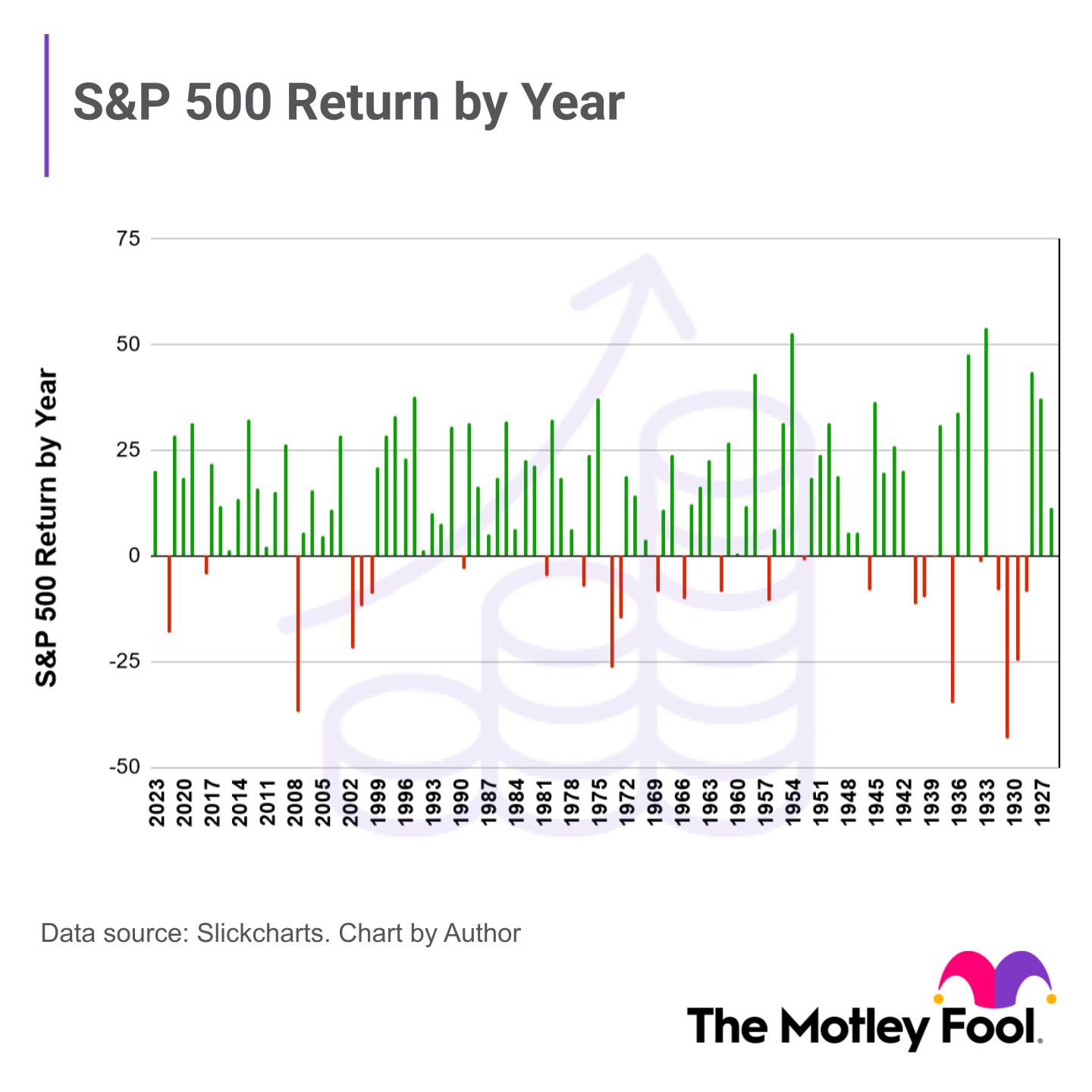
- Time in the Market, Not Timing the Market: Historical data overwhelmingly demonstrates that consistent investment over extended periods yields superior returns compared to attempts to buy low and sell high. Missing just a few of the market’s best days (which often occur during the early stages of a recovery) can significantly erode long-term performance.
- Dollar-Cost Averaging (DCA): This strategy involves investing a fixed amount of money at regular intervals, regardless of market fluctuations. During a downturn, DCA means buying more shares when prices are low, effectively lowering the average cost per share. This removes emotional decision-making and systematically builds wealth over time.
- Rebalancing Portfolio: Periodically reviewing and adjusting your portfolio back to its target asset allocation (e.g., 60% stocks, 40% bonds) is crucial. During a bear market, stocks may shrink as a percentage of your portfolio. Rebalancing would involve selling some outperforming assets (like bonds, which often do well in downturns) and buying more undervalued stocks, thus “buying low.”
- Review Financial Plan: A downturn is an opportune time to revisit your financial goals, risk tolerance, and overall investment plan. Ensure your current strategy aligns with your long-term objectives and make adjustments where necessary, reinforcing your commitment to your plan.
The Power of Diversification and Quality Investments
Strategic asset allocation and a focus on fundamental quality are critical for mitigating risk and positioning for recovery:
- Diversification Across Asset Classes: Beyond stocks, include bonds, real estate, and potentially alternative investments in your portfolio. Different asset classes perform differently under various economic conditions, helping to smooth out returns and reduce overall portfolio volatility.
- Sector and Geographical Diversification: Within equities, avoid overconcentration in a single sector or region. A diversified portfolio spreads risk and captures growth opportunities wherever they emerge globally.
- Focus on Quality Companies: During uncertain times, prioritize companies with strong fundamentals: robust balance sheets, healthy cash flows, sustainable competitive advantages (moats), consistent profitability, and proven management teams. These “quality” businesses tend to be more resilient during downturns and are often among the first to recover and lead the next bull market. Avoid speculative investments that rely on excessive leverage or unproven business models.
By adhering to these disciplined strategies, investors can transform periods of market volatility from sources of anxiety into opportunities for strategic accumulation and long-term wealth creation. Patience and an unwavering commitment to a well-thought-out plan are the ultimate tools for navigating the inevitable ups and downs of the stock market.
The question of “When will the stock market go back up?” is one that ultimately cannot be answered with a precise date. However, understanding the cyclical nature of financial markets, diligently tracking key economic indicators, and recognizing the signals that typically precede a recovery can provide a robust framework for investors. More importantly, maintaining a professional, insightful, and disciplined investment approach — one focused on long-term goals, diversification, dollar-cost averaging, and investing in quality assets — is the most effective strategy for not just surviving market downturns, but thriving through them. While market volatility is inevitable, recovery is too. For those who remain patient and strategic, the next bull market will eventually reward their resilience and foresight.
aViewFromTheCave is a participant in the Amazon Services LLC Associates Program, an affiliate advertising program designed to provide a means for sites to earn advertising fees by advertising and linking to Amazon.com. Amazon, the Amazon logo, AmazonSupply, and the AmazonSupply logo are trademarks of Amazon.com, Inc. or its affiliates. As an Amazon Associate we earn affiliate commissions from qualifying purchases.