
For investors, traders, and anyone engaged with the financial markets, knowing the operating hours of the New York Stock Exchange (NYSE) is fundamental. It’s not merely a matter of knowing when to execute a trade; it’s about understanding the rhythm of market activity, anticipating liquidity shifts, and strategically positioning investments. While the standard trading day offers a predictable structure, various factors—from holidays to unforeseen events—can alter this schedule, making it crucial to stay informed. This article delves into the intricacies of NYSE trading hours, exploring their standard cadence, special circumstances, and the profound implications for financial decision-making.
Understanding the NYSE’s Standard Operating Hours
The New York Stock Exchange, the world’s largest stock exchange by market capitalization, operates on a schedule designed to balance global access with regulated trading. Understanding these core hours is the bedrock of any sound investment strategy.
The Regular Trading Day: Open and Close Times
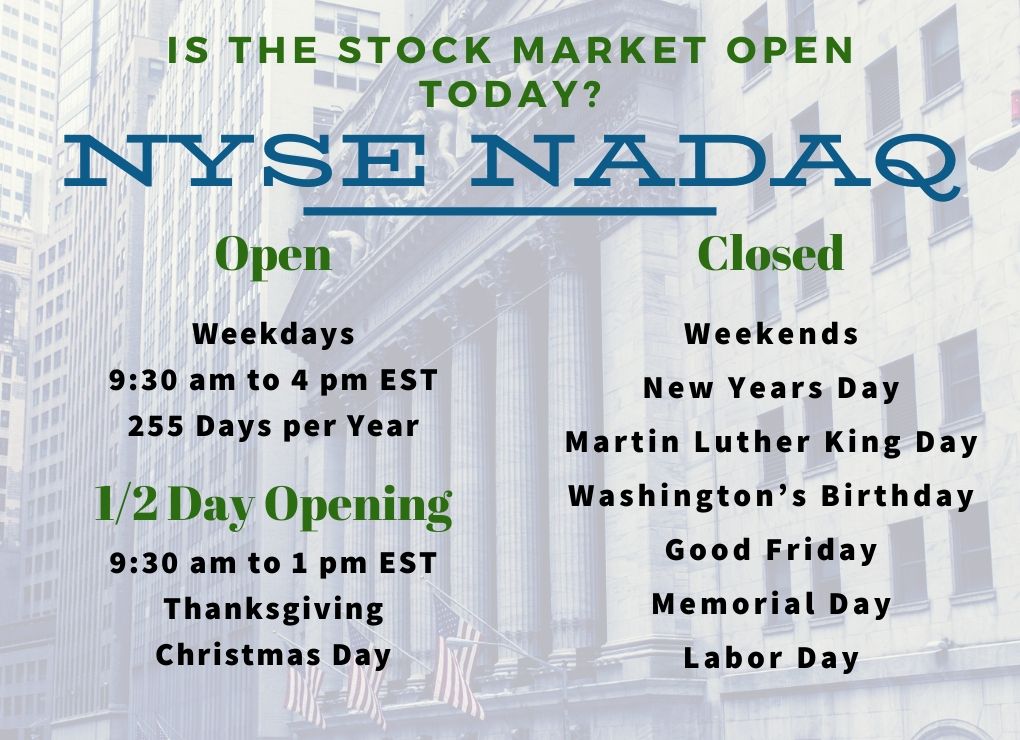
The standard NYSE trading session begins at 9:30 AM Eastern Time (ET) and concludes at 4:00 PM Eastern Time (ET), Monday through Friday. This six-and-a-half-hour window is often referred to as “core trading hours” or the “regular trading session.” During this period, the vast majority of trading volume occurs, characterized by a continuous auction market where buyers and sellers meet to exchange securities. The opening and closing bells are iconic symbols of this daily ritual, often accompanied by heightened volatility and significant price discovery as orders accumulated overnight or through the day are processed. The opening minutes typically see a surge in trading activity as investors react to overnight news, economic data releases, and pre-market price movements. Similarly, the closing hour, particularly the last 30 minutes, can also be highly active as institutions execute large block trades, portfolio managers rebalance, and day traders close out positions.
Pre-Market and After-Hours Trading: Extending the Day
While 9:30 AM to 4:00 PM ET defines the regular session, market activity isn’t confined to these hours. The advent of electronic trading has significantly extended the opportunities for investors to buy and sell securities outside the traditional window.
- Pre-Market Trading: This period typically runs from 4:00 AM ET to 9:30 AM ET. During pre-market hours, orders can be placed and executed electronically. Volume is generally lighter than during regular hours, and spreads (the difference between bid and ask prices) can be wider. This period is often used by investors and institutions to react to news released before the market opens, such as earnings reports, economic indicators, or geopolitical developments. Price movements during pre-market can provide an early indication of how a stock might perform once the regular session begins, though lower liquidity means these movements can be exaggerated or less reliable predictors.
- After-Hours Trading: Following the regular close, after-hours trading extends the market day, typically from 4:00 PM ET to 8:00 PM ET. Similar to pre-market, after-hours trading is characterized by lower liquidity and potentially greater volatility. Major corporate announcements, such as quarterly earnings calls or significant news disclosures, often occur after the market closes, driving considerable activity during this period. Both pre-market and after-hours trading offer flexibility but come with increased risks due to reduced liquidity, which can lead to larger price swings and difficulty executing trades at desired prices.
Time Zones and Their Implications for Global Investors
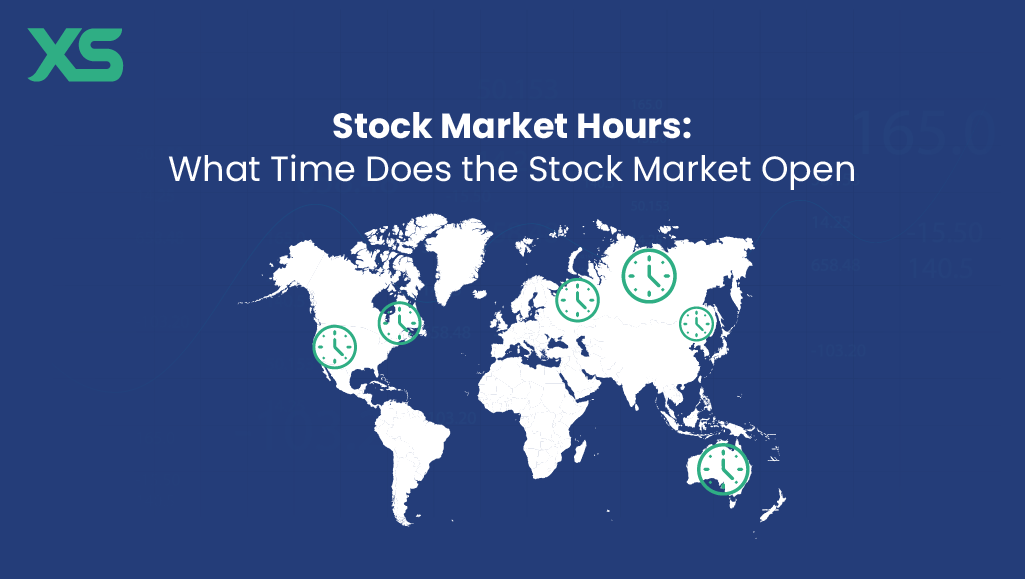
The NYSE operates on Eastern Time, which is crucial for investors located in different time zones around the world. For instance, an investor in London (GMT) needs to account for a five-hour difference, meaning the NYSE opens at 2:30 PM GMT and closes at 9:00 PM GMT. For investors in Asia, the time difference can mean trading primarily during their late evening or early morning hours. This geographical disparity necessitates careful planning for international investors, who might need to rely more heavily on limit orders, automated trading systems, or adapt their schedules to engage during peak U.S. market hours. Understanding time zone conversions is not just about convenience; it’s about ensuring timely execution of trades and active monitoring of positions, especially in volatile market conditions.
Special Circumstances: Holidays, Early Closures, and Market Disruptions
While the standard trading schedule provides a reliable framework, the NYSE observes a number of holidays and can, under specific circumstances, alter its hours. Staying abreast of these exceptions is vital for managing investment activities and avoiding missed opportunities or unexpected delays.
Federal Holidays Observed by the NYSE
The NYSE generally closes for nine U.S. federal holidays each year, allowing market participants to observe these national days. These typically include:
- New Year’s Day
- Martin Luther King, Jr. Day
- Presidents’ Day
- Good Friday (though not a federal holiday, it’s observed by the NYSE)
- Memorial Day
- Juneteenth National Independence Day
- Independence Day
- Labor Day
- Thanksgiving Day
- Christmas Day
It’s important to note that if a holiday falls on a weekend, the market may observe it on the preceding Friday or the following Monday. For example, if Christmas Day falls on a Saturday, the market might close on Friday, December 24th. The NYSE publishes its full holiday schedule well in advance, usually available on its official website. Investors should consult this calendar at the beginning of each year and prior to any holiday period.
Early Closures and Half-Day Trading Sessions
In addition to full-day closures, the NYSE occasionally operates on a half-day schedule, typically closing early at 1:00 PM ET. These early closures often occur on days surrounding major holidays, such as the day after Thanksgiving (Black Friday) or Christmas Eve. These shorter sessions still allow for significant trading activity but can concentrate volume and liquidity into a condensed timeframe, potentially leading to increased volatility. For investors, early closures mean a truncated window for price discovery and trade execution, requiring quick adjustments to their daily strategies. Planning for these half-days is crucial, particularly for options traders whose contracts might expire on such days, or for those expecting corporate announcements which typically follow the full market close.
Emergency Closures and Unforeseen Events
While rare, the NYSE can close or halt trading due to unforeseen circumstances or emergencies. Historically, this has occurred during significant national crises or technological failures. Examples include:
- Weather-related closures: Severe blizzards or hurricanes that make travel impossible for essential market personnel.
- National emergencies: Events like the September 11th attacks led to a multi-day market closure.
- Technical glitches: System-wide failures that prevent orderly trading.
In such situations, the exchange prioritizes market integrity and investor protection. Emergency closures are typically announced with little notice, and official statements are released through the NYSE’s communication channels, financial news wires, and major media outlets. While such events are infrequent, they underscore the importance of having contingency plans and staying informed through multiple reliable sources.
The Strategic Importance of Market Hours for Investors
Understanding NYSE trading hours goes beyond mere scheduling; it’s a strategic imperative that influences investment decisions, risk management, and the potential for maximizing returns.
Maximizing Opportunities: Trading Around Key Announcements

The timing of market open and close, along with pre- and after-hours sessions, creates distinct opportunities. Key economic reports (e.g., CPI, jobs data), Federal Reserve announcements, and corporate earnings releases often occur outside of regular trading hours or shortly before the market opens. Savvy investors and traders position themselves to react swiftly to this information.
- Pre-market: An early bird might capitalize on a surprise earnings beat announced at 7 AM ET, buying shares before the wider market reacts at 9:30 AM.
- Regular Session: A strong economic report released at 8:30 AM ET will likely set the tone for the entire trading day, influencing sector-wide movements.
- After-hours: A late-day acquisition announcement might lead to a sharp jump in the target company’s stock, offering a chance for those monitoring after-hours activity.
However, reacting to news during low-liquidity periods (pre- and after-hours) carries increased risk, as prices can be more volatile and less representative of broader market sentiment.
Managing Risk: Volatility at the Open and Close
The start and end of the regular trading day are consistently characterized by higher trading volumes and often increased volatility.
- Opening Bell: The initial minutes after 9:30 AM ET often see significant price swings as overnight news is digested and accumulated orders are executed. This can present opportunities for quick gains but also carries substantial risk for new or inexperienced traders due to unpredictable price movements and wider bid-ask spreads.
- Closing Bell: The final hour, particularly the last 30 minutes (often called “the close”), is another period of heightened activity. Institutional investors and mutual funds often execute large orders to rebalance portfolios or meet specific objectives, which can lead to rapid price changes. Understanding these patterns allows investors to decide whether to enter or exit positions during these periods or to wait for calmer, more predictable market conditions in the middle of the day. For long-term investors, extreme volatility at the open or close might be best avoided unless reacting to significant, confirmed news.
International Trading Strategies and Time Zone Arbitrage
For global investors, the NYSE’s operating hours are just one piece of a larger puzzle. With markets operating almost around the clock across different time zones (e.g., Tokyo, London, Frankfurt), information and capital flow continuously. International traders can sometimes leverage time differences to their advantage. For instance, a major market-moving event that occurs when the NYSE is closed might already be reflected in European or Asian markets by the time New York opens. This allows informed investors to anticipate movements or engage in “arbitrage” by exploiting temporary price discrepancies across different exchanges or assets based on delayed information flow. However, this strategy requires sophisticated analysis, real-time data, and a deep understanding of global market interconnections.
Tools and Resources for Tracking NYSE Hours
In today’s fast-paced financial world, access to accurate, up-to-date information on NYSE trading hours is non-negotiable. Fortunately, a plethora of tools and resources are available to keep investors informed.
Official NYSE and Exchange Websites
The most authoritative source for NYSE operating hours, holiday schedules, and any emergency announcements is the exchange’s official website: nyse.com. The website typically features a dedicated section for market holidays and trading hours, often updated months in advance. Similarly, for other exchanges like Nasdaq, their respective official sites provide the most accurate information. Regularly checking these primary sources ensures investors are working with the most current and reliable data.
Financial News Outlets and Data Providers
Major financial news organizations such as Bloomberg, Reuters, The Wall Street Journal, CNBC, and Yahoo Finance routinely publish NYSE holiday schedules and issue alerts for any changes to trading hours. These platforms are invaluable not only for their timely reporting but also for their comprehensive market analysis and broader economic context. Many also offer real-time market data, often including countdowns to market open/close and indicators of pre-market and after-hours activity. Subscribing to their newsletters or setting up notifications can be an effective way to stay informed.
Trading Platforms and Mobile Apps
Almost all reputable online brokerage platforms and investment apps integrate NYSE trading hours directly into their interfaces. They typically display countdown timers to the market open or close, indicate whether trading is currently in pre-market, regular, or after-hours sessions, and provide alerts for upcoming holidays or early closures. Many advanced platforms offer customizable notifications that can be set to alert users about changes to trading schedules or specific market events. Using these integrated tools is often the most convenient way for active traders to manage their schedules without needing to consult external sources constantly.
The Future of Trading Hours: Debates and Trends
The established NYSE trading hours, largely unchanged for decades, are increasingly subjects of debate in a world driven by 24/7 connectivity and globalized finance.
The Push for 24/7 Trading: A Cryptocurrency Influence?
The rise of cryptocurrency markets, which operate non-stop every day of the year, has fueled discussions about extending traditional stock market hours, possibly to a 24/7 model. Proponents argue that continuous trading would increase liquidity, allow investors to react instantly to global news (which doesn’t pause for market close), and better serve an international investor base. They point to technological advancements that make such operations feasible, eliminating the need for physical trading floors and manual processes. The current system of discrete trading sessions can lead to “gap risk,” where significant price changes occur overnight or over a weekend, creating large price jumps at the next open. A 24/7 market could potentially mitigate this.
Regulatory Considerations and Investor Protection
However, the push for 24/7 trading faces significant hurdles, primarily centered around regulatory oversight and investor protection. Regulators express concerns about:
- Market Supervision: Monitoring and preventing fraud, manipulation, and insider trading effectively over a 24-hour cycle would require substantial resource allocation.
- Fairness and Access: Ensuring all investors, particularly retail investors, have equal access to information and protection in a continuous market environment is complex.
- Operational Demands: The immense operational demands on brokerages, clearinghouses, and market makers, including staffing, technological infrastructure, and risk management, would be astronomical.
- Mental Health: There are also concerns about the human element, including the mental and physical toll on traders and analysts if continuous market monitoring becomes the norm.
The Psychological Impact of Extended Trading
Beyond the logistical and regulatory challenges, the psychological impact of potentially continuous market hours on investors and financial professionals is a significant consideration. The current market close provides a necessary pause, allowing time for reflection, research, family, and rest. Removing this break could lead to increased stress, burnout, and potentially poorer decision-making driven by constant market pressure. While electronic trading facilitates extended hours, the human capacity for continuous engagement with high-stakes financial markets remains a critical factor. Any shift towards significantly extended hours would likely involve phased approaches and robust support systems.
In conclusion, while the core operating hours of the NYSE remain a constant, the nuances of pre-market, after-hours, holiday closures, and the ongoing debate about future trading models underscore the dynamic nature of financial markets. Staying informed about when the NYSE will close today, or any given day, is not just a logistical detail but a critical component of informed and strategic investing.
aViewFromTheCave is a participant in the Amazon Services LLC Associates Program, an affiliate advertising program designed to provide a means for sites to earn advertising fees by advertising and linking to Amazon.com. Amazon, the Amazon logo, AmazonSupply, and the AmazonSupply logo are trademarks of Amazon.com, Inc. or its affiliates. As an Amazon Associate we earn affiliate commissions from qualifying purchases.