
NVIDIA Corporation (NVDA) stands as a titan at the intersection of gaming, professional visualization, and the burgeoning artificial intelligence (AI) revolution. Its graphics processing units (GPUs) have transcended their initial purpose, becoming the foundational compute engines driving the most advanced AI models and data centers globally. For investors, both seasoned and novice, understanding NVIDIA’s financial performance and, crucially, the timing of its earnings announcements, is paramount. These quarterly reports are not merely administrative formalities; they are pivotal market events that can send ripple effects across technology stocks, investor sentiment, and even the broader economy.

The question “When will NVIDIA announce earnings?” therefore goes beyond a simple calendar query. It delves into strategic planning, risk assessment, and an anticipation of insights that could shape investment decisions for months to come. This article will dissect the significance of NVIDIA’s earnings, guide you on how to anticipate their release, and highlight what key metrics and insights investors should meticulously scrutinize in these highly anticipated reports.
Understanding NVIDIA’s Earnings Calendar
Publicly traded companies like NVIDIA adhere to a structured reporting schedule, mandated by regulatory bodies like the U.S. Securities and Exchange Commission (SEC). While the exact date for each quarter can fluctuate slightly, there’s a predictable rhythm that investors can leverage to anticipate announcements.
The Typical Reporting Cycle
NVIDIA, like most corporations, reports its financial results on a quarterly basis. Each fiscal quarter typically ends on a specific date, and companies usually release their earnings within a few weeks following the close of the quarter. For NVIDIA, their fiscal year does not align with the calendar year. NVIDIA’s fiscal year ends on the last Sunday of January.
- Q1 (Fiscal First Quarter): Ends the last Sunday in April. Earnings typically announced in late May.
- Q2 (Fiscal Second Quarter): Ends the last Sunday in July. Earnings typically announced in late August.
- Q3 (Fiscal Third Quarter): Ends the last Sunday in October. Earnings typically announced in late November.
- Q4 (Fiscal Fourth Quarter & Full Year): Ends the last Sunday in January. Earnings typically announced in late February.
These windows provide a reliable framework for when to expect an announcement. However, precise dates are critical for active investors, as the market can react sharply in the days leading up to, and especially immediately after, the report.
Historical Precedent and Forward-Looking Statements
Companies often maintain a relatively consistent schedule year after year. By reviewing NVIDIA’s past earnings release dates, one can usually pinpoint the approximate week or even day of the upcoming report. For instance, if NVIDIA has historically announced Q2 earnings on the third Wednesday of August, it’s a strong indicator for the current year.
Beyond historical data, companies themselves are the primary source for confirming future earnings dates. NVIDIA’s investor relations website is the definitive resource. Typically, about a month or two before the expected earnings window, the company will issue a press release or update its investor calendar with the precise date and time of the earnings call and webcast. These announcements are also often picked up by major financial news outlets (e.g., Bloomberg, Reuters, Wall Street Journal) and financial data providers (e.g., Yahoo Finance, Google Finance, Investing.com). Savvy investors should bookmark these sources and sign up for email alerts from NVIDIA’s investor relations page. Furthermore, regulatory filings, specifically the Form 8-K filed with the SEC, often contain the official announcement of the earnings call schedule.
Where to Find Official Announcements
To avoid misinformation or speculation, investors should always consult official and reputable sources:
- NVIDIA’s Investor Relations Website: This is the most reliable source for press releases, earnings call webcasts, transcripts, and financial documents.
- SEC Filings (EDGAR Database): The Electronic Data Gathering, Analysis, and Retrieval (EDGAR) system allows public access to corporate information, including Form 8-K filings which are used to announce material events like earnings dates.
- Reputable Financial News Services: Major financial media outlets and data platforms consolidate this information and often provide additional analysis.
By diligently tracking these sources, investors can confidently anticipate NVIDIA’s next earnings announcement, allowing them to prepare their investment strategy accordingly.
Why NVIDIA’s Earnings Matter So Much Right Now
NVIDIA’s role in the current technological landscape has elevated its earnings reports from routine corporate updates to globally significant events. The company’s fortunes are intertwined with some of the most powerful and transformative trends of our time.
The AI Revolution and Data Center Dominance
NVIDIA’s GPUs, particularly its data center platforms like Hopper and Blackwell, are the backbone of the generative AI revolution. From training large language models (LLMs) to powering advanced data analytics, NVIDIA’s hardware is indispensable. This dominance means that NVIDIA’s earnings report provides a crucial barometer for the health and velocity of AI adoption and data center investment worldwide. Any signs of accelerating or decelerating demand for their data center products reverberate across the entire tech sector, impacting companies involved in cloud computing, enterprise software, and even AI startups. Investors look to these reports for confirmation of continued hyper-growth in the AI segment, as it underpins a significant portion of NVIDIA’s current valuation.
Market Expectations and Volatility
The market’s expectations for NVIDIA are notoriously high. Given its central role in AI, analysts and investors often anticipate blockbuster results. While strong performance is frequently delivered, the sheer magnitude of these expectations can lead to significant stock price volatility around earnings announcements. Even if NVIDIA beats consensus estimates, a slight miss on guidance or a perceived slowdown in a particular segment can trigger a sell-off, as investors react to the minutiae of the report. Conversely, an impressive beat, especially on forward guidance, can send the stock soaring. This makes earnings season for NVIDIA a high-stakes period, where careful analysis is rewarded and emotional reactions can be costly.
Key Metrics to Watch
Beyond the headline numbers of revenue and earnings per share (EPS), several specific metrics within NVIDIA’s report offer deeper insights into its performance and future trajectory:
- Data Center Revenue: This is currently NVIDIA’s most critical segment. Its growth rate, absolute figures, and future outlook are paramount.
- Gaming Revenue: While overshadowed by Data Center, the Gaming segment still contributes significantly to revenue and provides insights into consumer spending on high-end hardware.
- Professional Visualization & Automotive: These smaller but growing segments offer diversification and long-term potential.
- Gross Margins: In a period of high demand, NVIDIA’s ability to maintain or expand its gross margins indicates pricing power and efficient production.
- Research & Development (R&D) Spending: Reflects investment in future technologies and innovation, crucial for long-term competitiveness.
- Inventory Levels: Can signal future demand trends or potential oversupply issues.
- Forward Guidance: Management’s projections for the upcoming quarter and full year are often the most impactful element, as they directly influence future analyst estimates and investor sentiment.
Understanding these detailed metrics allows investors to move beyond the headlines and form a more nuanced view of NVIDIA’s financial health and strategic positioning.
Decoding What to Look For in the Upcoming Report
When NVIDIA’s earnings report finally drops, investors need a systematic approach to extract the most pertinent information. The initial burst of data can be overwhelming, but focusing on key areas will provide a clear picture.
Revenue and Earnings Per Share (EPS)
These are the primary financial indicators that grab immediate attention. Investors will be looking to see if NVIDIA has met, exceeded, or fallen short of analyst consensus estimates for both revenue and EPS.
- Beating Estimates: Generally viewed positively, suggesting stronger-than-expected performance.
- Missing Estimates: Can lead to negative sentiment and a stock price decline, indicating underperformance relative to expectations.
- In-line Estimates: Often results in a more neutral reaction, unless accompanied by significant surprises in other areas.
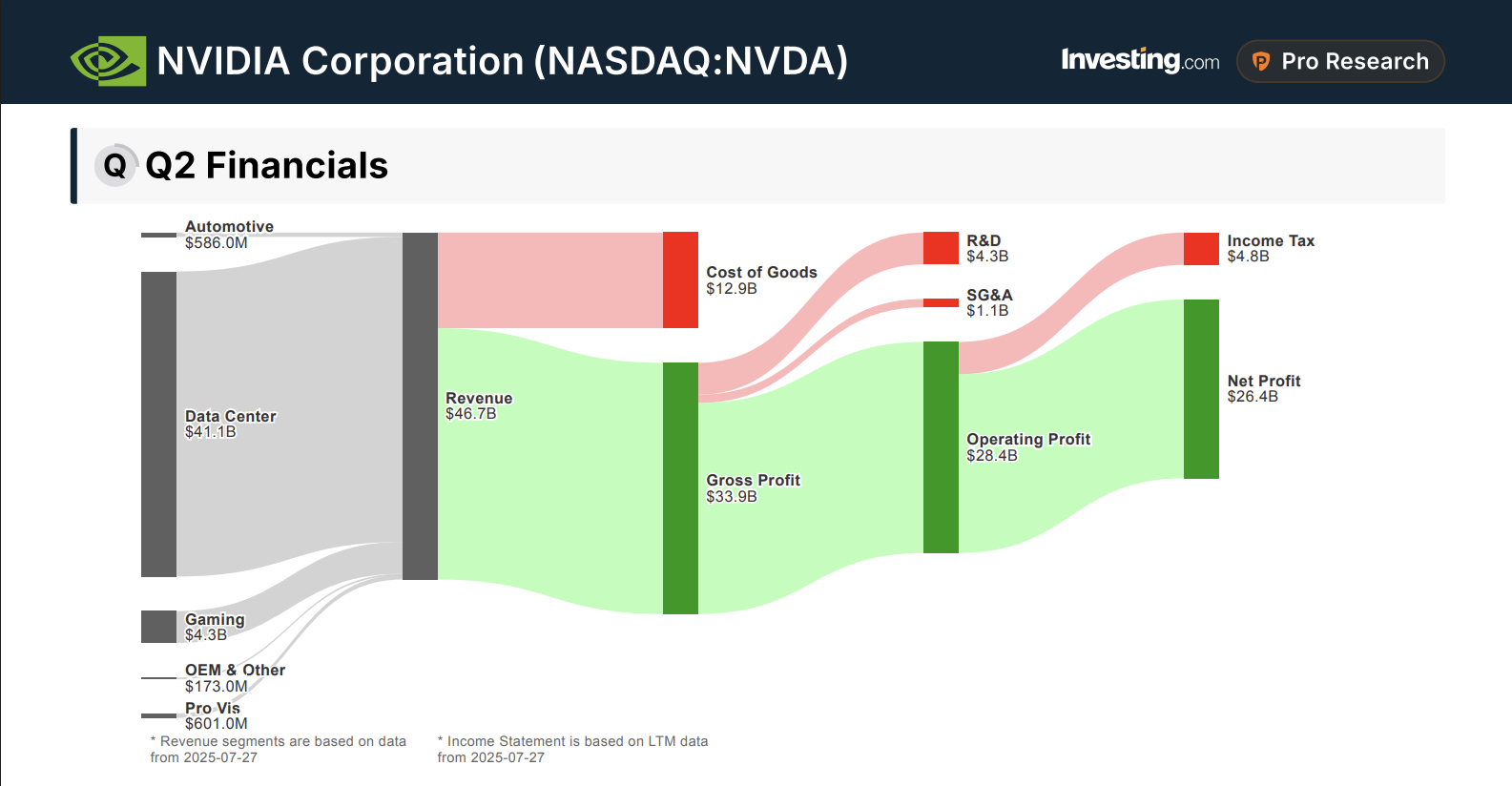
It’s not just about the absolute numbers but also the year-over-year and sequential growth rates, which provide context for the company’s trajectory.
Data Center Growth and AI Chip Demand
Given NVIDIA’s current market narrative, the Data Center segment is unequivocally the star. Investors should meticulously examine:
- Revenue from Data Center: Look for robust growth rates.
- Demand for Latest AI GPUs: Commentary on demand for their leading-edge chips (e.g., H100, future Blackwell platforms) will be critical. Are lead times long? Are they expanding capacity effectively?
- Cloud Service Provider (CSP) Spend: NVIDIA’s chips are heavily adopted by major CSPs. Insights into this customer segment’s purchasing patterns are vital.
- Enterprise Adoption: Beyond CSPs, is enterprise AI adoption accelerating, driving demand for NVIDIA’s AI infrastructure?
Any indication of a slowdown here, or conversely, an acceleration beyond expectations, will likely dictate the market’s reaction to the entire report.
Gaming Segment Performance
While less of a focus than Data Center, the Gaming segment remains a significant and foundational part of NVIDIA’s business.
- Gaming Revenue: Investors will assess its growth or decline, both sequentially and year-over-year.
- Product Cycle Impact: Are new GPU generations (e.g., RTX 40 series) driving upgrades, or is demand softening in a more challenging consumer spending environment?
- Market Share Trends: While not explicitly detailed in earnings, management commentary can offer clues regarding their competitive position against AMD.
A robust Gaming segment indicates a healthy consumer market for high-end GPUs, which can still contribute meaningfully to NVIDIA’s top and bottom lines.
Gross Margins and Profitability
In a high-growth environment, profitability metrics become crucial indicators of a company’s efficiency and pricing power.
- Gross Margin: This percentage indicates how much profit NVIDIA makes from each sale after deducting the cost of goods sold. Expanding gross margins (especially in Data Center) suggests strong pricing power due to high demand and technological leadership. Declining margins could signal increased competition or rising production costs.
- Operating Expenses: While growth is important, investors will scrutinize R&D and Sales, General & Administrative (SG&A) expenses. Are they growing proportionally to revenue, or are they outstripping revenue growth, potentially impacting operating income?
- Net Income and Free Cash Flow: Ultimately, these represent the true profitability and cash-generating ability of the business, essential for long-term value creation.
Healthy margins and strong cash flow indicate that NVIDIA is not just growing, but growing profitably, which is a key differentiator for long-term investors.
Future Guidance and Commentary
Perhaps the most forward-looking aspect of any earnings report is management’s guidance for the upcoming quarter and the fiscal year.
- Revenue and EPS Guidance: These figures will be immediately compared to current analyst estimates. A higher-than-expected forecast is a strong bullish signal, while a lower-than-expected one can trigger a sharp sell-off, even if past performance was strong.
- Conference Call Insights: The earnings call, where executives discuss results and answer analyst questions, often provides invaluable qualitative insights. Listen for comments on supply chain dynamics, new product roadmaps, strategic partnerships, market trends, and any potential competitive threats.
- Capital Allocation: Any announcements regarding share buybacks or dividends can also influence investor sentiment.
Guidance is often where the real surprises lie, as it sets the tone for future expectations and can significantly re-rate a stock’s valuation.
Strategic Considerations for Investors Post-Earnings
The immediate aftermath of an NVIDIA earnings announcement can be a whirlwind of market activity. For investors, a disciplined approach is crucial to navigate this period effectively.
Short-Term Price Volatility
It is almost guaranteed that NVIDIA’s stock will experience significant volatility immediately after its earnings report, particularly during the after-hours trading session following the announcement and during the subsequent trading day.
- Overreactions: The market often overreacts to initial headlines, with prices swinging wildly based on whether the company “beat” or “missed” estimates. These reactions may not always reflect the full picture of the underlying business fundamentals.
- Technical Levels: Traders often watch key technical support and resistance levels. A strong earnings report might break through resistance, while a weak one could test support.
- Algorithmic Trading: Much of the initial movement is driven by high-frequency trading algorithms reacting to keywords and numbers, which can exacerbate volatility.
Long-term investors should brace for this volatility and avoid making rash decisions based on short-term price swings.
Long-Term Investment Thesis Revalidation
For those invested in NVIDIA for the long haul, the earnings report serves as a critical opportunity to revalidate or adjust their original investment thesis.
- Fundamental Check: Does the report confirm or challenge your belief in NVIDIA’s long-term growth drivers (e.g., AI, data center expansion, new markets)?
- Competitive Edge: Is NVIDIA maintaining its technological lead and market share against competitors? Any signs of erosion here could warrant re-evaluation.
- Financial Health: Are gross margins healthy? Is free cash flow strong? Is the balance sheet robust? These are signs of a sustainable business.
- Management Execution: Does management’s commentary instill confidence in their ability to navigate challenges and capitalize on opportunities?
An earnings report should be seen as one data point in a continuous assessment of a company’s prospects, not the sole determinant of its future. If the core reasons for your investment remain intact, short-term fluctuations might present buying opportunities rather than reasons to sell.
Diversification and Risk Management
Even with a company as dominant as NVIDIA, prudent investment principles like diversification and risk management remain paramount.
- Avoid Overconcentration: Placing too much of a portfolio into a single, albeit strong, stock exposes an investor to undue risk. Even industry leaders can face unforeseen challenges.
- Stop-Loss Orders: For those engaging in shorter-term trading, stop-loss orders can help limit potential downside during volatile periods.
- Position Sizing: Determine the appropriate size of your NVIDIA position relative to your overall portfolio and risk tolerance.
NVIDIA’s earnings are a high-profile event, but they should be viewed within the context of a broader, well-diversified investment strategy.
The Role of Analyst Revisions
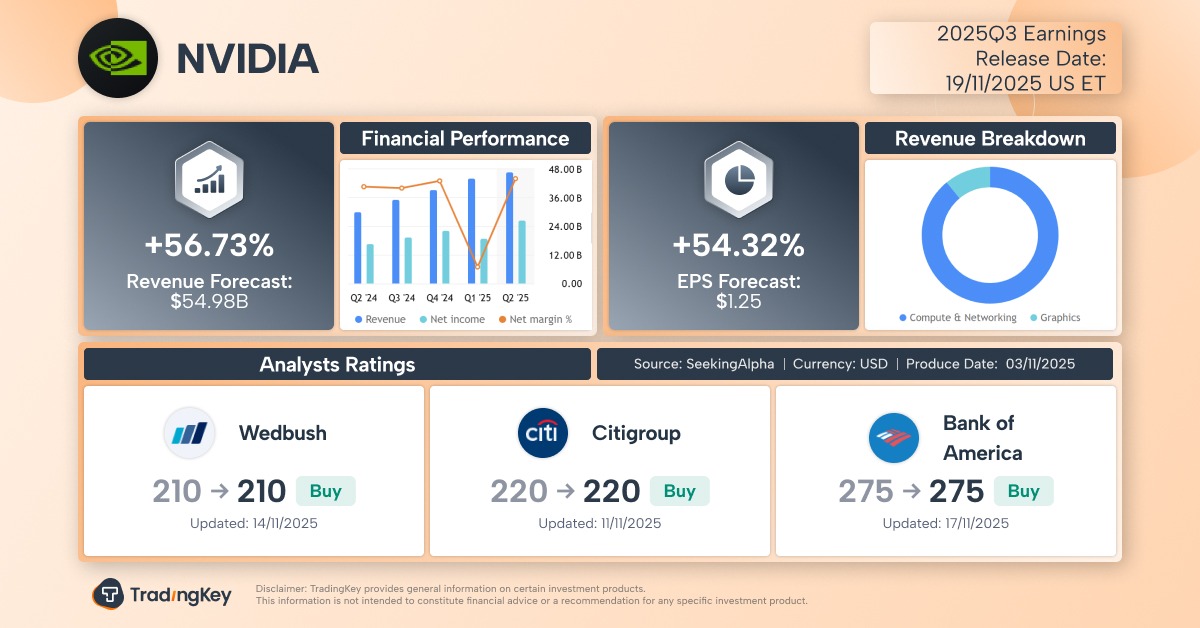
Following an earnings report, financial analysts who cover NVIDIA will update their models, price targets, and ratings.
- Consensus Shift: A positive report often leads to upward revisions in price targets and earnings estimates, reinforcing positive sentiment. Conversely, a weak report can lead to downgrades.
- Market Commentary: Pay attention to the nuanced explanations and updated forecasts from reputable analysts. They can provide valuable context and highlight specific aspects of the report that resonate with the institutional investment community.
While analyst opinions should not be blindly followed, they offer another layer of insight into how professional investors are interpreting the company’s performance and future outlook.
Conclusion
NVIDIA’s earnings announcements are far more than routine financial disclosures; they are economic events that provide a direct pulse check on the health of the AI industry, data center expansion, and broader technological innovation. For investors, diligently tracking these announcements, understanding the underlying metrics, and strategically interpreting the results are critical steps in informed decision-making.
By anticipating the release date, meticulously analyzing revenue and EPS against expectations, dissecting the performance of key segments like Data Center and Gaming, scrutinizing profitability through gross margins, and, perhaps most importantly, absorbing management’s future guidance, investors can gain a comprehensive understanding of NVIDIA’s trajectory. While short-term volatility is an inevitable companion to these reports, maintaining a long-term perspective and revalidating one’s investment thesis based on fundamental strengths will ultimately lead to more robust and rational investment outcomes in the exciting, yet dynamic, world of technology finance. NVIDIA’s earnings are not just numbers; they are a narrative of the future, and for the savvy investor, a crucial chapter to read.
aViewFromTheCave is a participant in the Amazon Services LLC Associates Program, an affiliate advertising program designed to provide a means for sites to earn advertising fees by advertising and linking to Amazon.com. Amazon, the Amazon logo, AmazonSupply, and the AmazonSupply logo are trademarks of Amazon.com, Inc. or its affiliates. As an Amazon Associate we earn affiliate commissions from qualifying purchases.