
The question of “when will interest rates go down?” echoes in boardrooms, kitchen tables, and investment forums across the globe. It’s a query driven by the fundamental impact these rates have on nearly every facet of our financial lives – from the cost of a mortgage to the profitability of a business, and even the yield on our savings. After a period of aggressive rate hikes by central banks aimed at taming persistent inflation, the world now keenly awaits signs of a pivot, a moment when economic conditions align to allow for a downward trajectory.
Understanding the potential timing and triggers for such a shift requires a deep dive into the complex interplay of economic indicators, central bank mandates, and global financial dynamics. It’s not a simple prediction but rather an informed assessment based on prevailing economic theory and ongoing market observations. This article will dissect the primary drivers of interest rate policy, explore the current economic landscape, and offer insights into what conditions need to materialize before central banks begin to ease their monetary policy stance. For anyone managing personal finances, running a business, or making investment decisions, comprehending these factors is paramount to navigating the economic cycles ahead.
Understanding the Mechanics of Interest Rates and Central Bank Influence
At its core, an interest rate represents the cost of borrowing money or the return on lending it. While numerous interest rates exist, the most pivotal in an economy is often the central bank’s policy rate, such as the Federal Funds Rate in the United States or the Bank Rate in the UK. This benchmark rate serves as the foundation for all other interest rates in the economy, influencing everything from credit card APRs to corporate bond yields.
The Role of Central Banks and Their Mandates
Central banks are the primary architects of monetary policy. Their decisions regarding interest rates are not arbitrary; they are meticulously calculated to achieve specific economic objectives. In many developed economies, these objectives typically revolve around a dual mandate: price stability (controlling inflation) and maximum sustainable employment. When inflation surges, as it has in recent years, central banks respond by raising interest rates to cool demand, discourage borrowing, and encourage saving, thereby aiming to bring price increases back to their target levels (often around 2%). Conversely, during periods of economic slowdown or recession, central banks may cut rates to stimulate borrowing, investment, and consumer spending.
The Federal Funds Rate and Its Ripple Effect
Take the Federal Reserve’s Federal Funds Rate as an example. This is the target rate for overnight lending between banks. While not directly charged to consumers, changes to this rate cascade throughout the entire financial system. When the Fed raises the Federal Funds Rate, it becomes more expensive for banks to borrow from each other, leading them to increase their prime rates, which in turn elevates the cost of loans for consumers and businesses. Mortgages, car loans, business lines of credit, and even government borrowing costs are all impacted. This transmission mechanism is why central bank policy is so powerful and why even small changes can have widespread economic ramifications.
Inflation as the Primary Driver of Recent Rate Hikes
The recent cycle of aggressive interest rate hikes was primarily a response to persistently high inflation, which reached multi-decade highs in many countries. Factors like supply chain disruptions, geopolitical conflicts (e.g., the war in Ukraine impacting energy and food prices), and robust post-pandemic demand contributed to this inflationary surge. Central banks, initially perhaps underestimating the persistence of inflation, eventually moved decisively to tighten monetary policy, even at the risk of slowing economic growth, to fulfill their price stability mandate. The question of when rates will go down, therefore, is inextricably linked to the trajectory of inflation.
Key Economic Indicators Influencing Future Rate Decisions
Central banks don’t make decisions in a vacuum. They rely on a vast array of economic data to inform their monetary policy stance. Monitoring these key indicators provides critical clues about the potential direction of interest rates. Any sustained move towards cutting rates would necessitate clear and compelling evidence that inflation is firmly under control and that the economy can withstand such a shift without reigniting price pressures.
Inflation Data: CPI, PCE, and Core Metrics
The most crucial data points are those related to inflation. The Consumer Price Index (CPI) and the Personal Consumption Expenditures (PCE) price index are closely watched. Central banks typically prefer the PCE as it’s considered a broader measure of consumer spending and often used for their official inflation targets. Beyond the headline numbers, “core” inflation metrics (which exclude volatile food and energy prices) are also vital, as they provide a clearer picture of underlying inflationary pressures. A consistent decline in both headline and core inflation towards the central bank’s 2% target is a prerequisite for any rate cuts. This decline needs to be broad-based across various sectors, not just concentrated in a few volatile categories.
Labor Market Health: Unemployment and Wage Growth
The health of the labor market is another critical input. A robust job market, characterized by low unemployment rates and strong wage growth, can be a double-edged sword. While indicative of a healthy economy, it can also contribute to inflationary pressures through increased consumer demand and higher labor costs passed on by businesses. Central banks watch for signs of labor market “cooling”—a modest increase in unemployment or a slowdown in wage growth—which suggests that the economy is no longer overheating. However, they also aim to avoid a sharp contraction that would push the economy into a deep recession. A “soft landing” scenario, where inflation cools without a significant rise in unemployment, is the ideal, albeit challenging, outcome they strive for.
GDP Growth and Economic Resilience
Gross Domestic Product (GDP) growth provides a snapshot of the overall economic activity. Sustained positive growth indicates a resilient economy that can absorb higher interest rates. Conversely, a significant slowdown or contraction in GDP growth could signal an impending recession, which might prompt central banks to consider rate cuts to stimulate activity. However, if strong growth persists alongside elevated inflation, central banks might keep rates higher for longer to ensure inflation is truly contained. The balance here is delicate: slowing the economy enough to quell inflation without causing undue hardship.
Consumer Spending and Business Investment
Data on consumer spending and business investment are also closely monitored. Consumer spending, which often accounts for a significant portion of GDP, reflects overall demand in the economy. Weakening consumer confidence and reduced spending could signal a downturn, prompting central banks to act. Similarly, business investment is a forward-looking indicator; a decline suggests businesses are anticipating weaker demand or are finding capital too expensive, both of which could signal a need for monetary easing. These indicators provide real-time insights into how individuals and companies are responding to the current economic climate and interest rate levels.
The Impact of High Interest Rates on the Economy
The current high-interest-rate environment, a deliberate strategy by central banks, has had profound and varied impacts across different sectors of the economy. While painful for some, it has also created opportunities for others. Understanding these effects is crucial for forecasting when the tide might turn.
Borrowers Beware: Mortgages, Loans, and Credit Cards
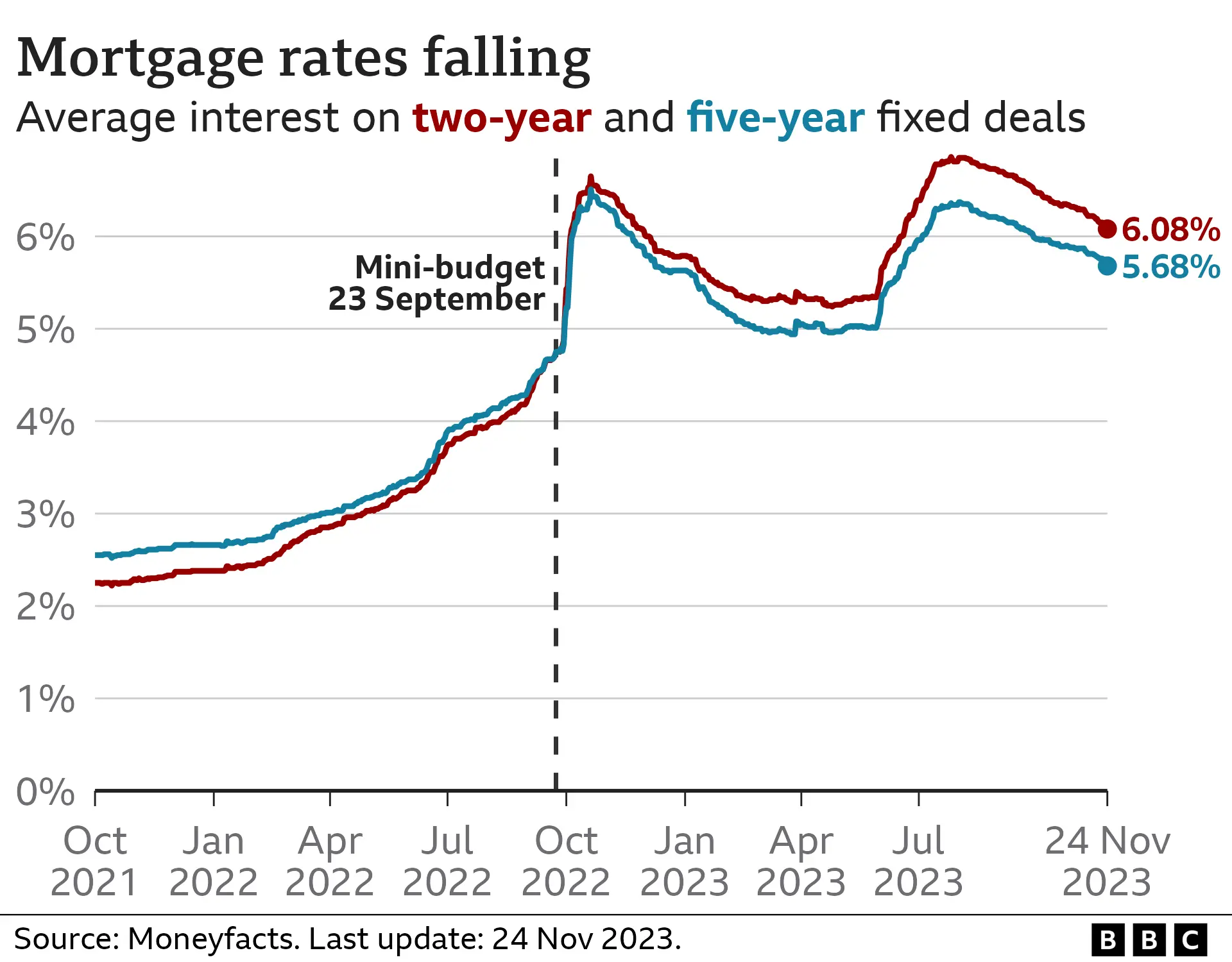
Perhaps the most immediate and tangible impact of rising interest rates is felt by borrowers. Mortgage rates have surged, making homeownership less affordable for many prospective buyers and increasing monthly payments for those on variable-rate mortgages. The cost of auto loans, personal loans, and credit card debt has also climbed, placing a heavier financial burden on households and potentially curbing discretionary spending. For businesses, higher borrowing costs can make capital investments less attractive, slow expansion plans, and squeeze profit margins, particularly for those reliant on debt financing.

Savers’ Sweet Spot: Increased Returns
In contrast to borrowers, savers have generally benefited from higher interest rates. Savings accounts, money market funds, and Certificates of Deposit (CDs) now offer significantly more attractive yields than they have in over a decade. This provides an incentive for individuals to save more and can help them mitigate some of the impact of inflation on their purchasing power. For retirees and those living on fixed incomes, the increased returns on safe assets can offer a welcome boost to their financial security. However, these returns still need to be weighed against the current inflation rate to determine the real (inflation-adjusted) return.
Business Implications: Investment and Growth
Businesses face a complex landscape under high interest rates. While some sectors, particularly those with strong cash flows and less reliance on debt, may weather the storm relatively well, others might struggle. Small businesses, often more dependent on accessible credit, can find it challenging to secure financing for expansion or even day-to-day operations. Larger corporations might delay major capital projects, rethink mergers and acquisitions, and focus on cost-cutting. This can lead to slower job creation and, in some cases, layoffs, contributing to a broader economic slowdown. On the flip side, businesses that are net lenders or have significant cash reserves can find opportunities to earn higher returns on their capital.
Government Debt and Fiscal Policy
Governments are also significant borrowers, and higher interest rates mean a greater cost to service their national debt. This can put pressure on fiscal budgets, potentially leading to difficult choices between spending cuts, tax increases, or further borrowing. The interplay between monetary policy (central bank actions) and fiscal policy (government spending and taxation) becomes even more critical in a high-rate environment, as uncoordinated efforts could either exacerbate economic challenges or undermine efforts to achieve stability. Managing public finances effectively becomes paramount to avoid adding further instability to the economy.
Forecasting the Downward Trend: What Conditions Signal a Pivot?
The central question remains: when will interest rates go down? While no one has a crystal ball, historical patterns and current economic theory suggest a set of conditions that typically precede a central bank pivot towards monetary easing. It’s a process of careful calibration, not an abrupt reversal.
The Path to Disinflation: What Needs to Happen?
The most critical prerequisite for rate cuts is a sustained and convincing decline in inflation. Central banks need to see clear evidence that inflation is not just falling but is on a credible path back to their target level (typically 2%). This means not just a few months of declining CPI or PCE numbers, but a broader trend indicating that underlying price pressures have significantly abated. They will also look at inflation expectations – if businesses and consumers expect inflation to remain high, it can become a self-fulfilling prophecy. A decisive anchoring of inflation expectations at or near the target is crucial. This disinflationary process is often painful, as it implies a cooling of economic activity and potentially a weaker labor market.
Central Bank Commentary and Forward Guidance
Central bank officials are acutely aware of the market’s sensitivity to their words. They use “forward guidance”—statements, speeches, and minutes from meetings—to signal their intentions and prepare markets for potential policy changes. When central bankers begin to consistently articulate a view that inflation is under control and that the risks to economic growth are increasing, it’s a strong indicator that rate cuts are on the horizon. However, they typically err on the side of caution, often emphasizing a data-dependent approach and the need for patience, to avoid premature signaling that could undo their anti-inflationary efforts. Markets will meticulously parse every word for clues.
Historical Precedents and Economic Cycles
Economic cycles offer valuable historical context, though every cycle has its unique characteristics. Historically, periods of aggressive rate hikes to combat inflation are eventually followed by rate cuts as inflation subsides and the economy shows signs of slowing. The timing of these pivots varies widely depending on the severity of the inflationary episode and the resilience of the economy. Often, central banks wait until there is clear evidence of economic stress (e.g., rising unemployment, declining GDP) before cutting rates significantly. However, they also aim to avoid a deep recession, suggesting a potential desire to cut preemptively if inflation is clearly receding.
Geopolitical Factors and Global Economic Health
Beyond domestic indicators, global factors play an increasingly important role. Geopolitical events (e.g., new conflicts, trade disputes, energy shocks) can suddenly alter inflation dynamics and economic growth prospects. The health of major global economies, particularly trading partners, also influences domestic conditions. A significant global slowdown could transmit deflationary pressures, prompting rate cuts, while renewed global inflationary pressures could delay them. Central banks must consider these external forces in their decision-making process, adding another layer of complexity to forecasting.
Navigating the Current Rate Environment and Preparing for the Future
While predicting the precise timing of interest rate cuts is challenging, understanding the forces at play allows individuals and businesses to prepare strategically. The current environment demands careful financial planning and adaptability.
For Individuals: Debt Management and Investment Strategies
For individuals, the present high-interest-rate environment offers a clear mandate: prioritize debt management. For high-interest variable debt like credit cards, aggressively paying down balances is crucial to minimize interest costs. For mortgages, refinancing opportunities might arise as rates eventually fall, but for now, those on variable rates should monitor their payments closely. Savers, however, have an opportunity to lock in higher yields on CDs or high-yield savings accounts, maximizing returns on their liquid assets. In terms of investments, diversification remains key. While bonds may offer more attractive yields now, a balanced portfolio that includes equities, real estate, and other asset classes, tailored to individual risk tolerance and long-term goals, is essential. Avoid making drastic investment decisions based solely on short-term rate predictions.
For Businesses: Capital Planning and Cost Management
Businesses must adapt their capital planning and cost management strategies. Reviewing debt structures, considering refinancing existing loans when rates eventually drop, and carefully evaluating the cost-benefit of new investments become paramount. Companies with significant cash flows might find opportunities to pay down debt or invest in expansion, while those with tighter margins might need to focus on efficiency and cost control. Supply chain resilience, operational efficiency, and conservative balance sheet management can help businesses weather periods of economic uncertainty and higher borrowing costs. It also presents an opportunity to review pricing strategies and ensure they align with the current economic landscape.
The Importance of Diversification and Long-Term Planning
Ultimately, the trajectory of interest rates is one component of a much larger economic picture. Both individuals and businesses should focus on long-term financial planning, building robust financial foundations, and maintaining diversified portfolios. Economic cycles are a constant, and interest rates will fluctuate. Rather than trying to perfectly time the market, a strategic approach that accounts for various scenarios, builds in flexibility, and adheres to fundamental financial principles will prove most resilient. Staying informed about economic indicators, understanding central bank communications, and seeking professional financial advice are crucial steps in navigating the evolving interest rate landscape and positioning for future financial success.
The journey to lower interest rates is likely to be a measured and data-dependent one, reflecting central banks’ commitment to price stability. While the anticipation builds, the focus should remain on sound financial management and strategic planning, regardless of the immediate direction of rates.
aViewFromTheCave is a participant in the Amazon Services LLC Associates Program, an affiliate advertising program designed to provide a means for sites to earn advertising fees by advertising and linking to Amazon.com. Amazon, the Amazon logo, AmazonSupply, and the AmazonSupply logo are trademarks of Amazon.com, Inc. or its affiliates. As an Amazon Associate we earn affiliate commissions from qualifying purchases.