
The housing market is currently navigating one of its most turbulent periods in recent history. For prospective homeowners, investors, and financial planners, the question of when mortgage interest rates will finally retreat from their decade-highs is more than just a matter of curiosity—it is a critical factor in long-term financial health. After a period of historic lows during the early 2020s, the rapid ascent of borrowing costs has fundamentally reshaped the American dream of homeownership and the broader landscape of personal finance.
To understand when interest rates will go down, one must look beyond the local real estate listings and dive into the mechanics of the Federal Reserve, global inflation trends, and the bond market. While no one possesses a crystal ball, a data-driven analysis of economic indicators provides a roadmap for what to expect in the coming quarters.
The Macroeconomic Drivers of Mortgage Rates
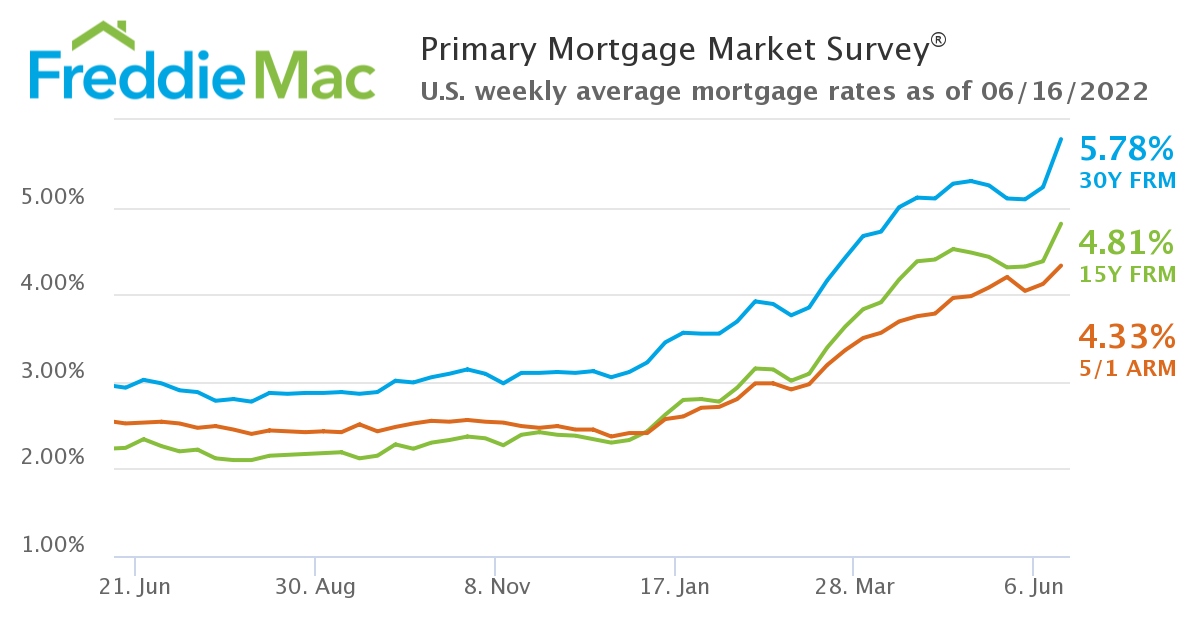
Mortgage rates do not move in a vacuum. They are primarily influenced by the broader economic environment, specifically the interplay between inflation and the monetary policy set by the Federal Reserve. To predict a downward trend, we must first understand the forces that pushed them up.
The Federal Reserve’s Battle with Inflation
The Federal Reserve has a dual mandate: to promote maximum employment and maintain stable prices. When inflation spiked to 40-year highs in 2022, the Fed responded by aggressively raising the federal funds rate. While the federal funds rate is the interest rate banks charge each other for overnight loans, it sets the baseline for all other consumer borrowing. As the Fed raised rates to cool the economy, mortgage lenders followed suit to maintain their profit margins and account for the increased cost of capital. For rates to significantly decline, the Fed must be convinced that inflation is sustainably returning to its 2% target.
The Role of the 10-Year Treasury Yield
A common misconception is that mortgage rates move in lockstep with the Federal Reserve’s decisions. In reality, 30-year fixed mortgage rates are most closely tied to the yield on the 10-year Treasury note. Investors view mortgages as long-term debt instruments similar to government bonds. When investors are optimistic about the economy or fear rising inflation, Treasury yields rise, and mortgage rates typically go up. Conversely, when the economy slows or inflation cools, investors pile into the safety of Treasuries, driving yields down and creating downward pressure on mortgage rates.
Global Economic Stability and Market Sentiment
In an interconnected global economy, international events can influence domestic rates. Geopolitical tensions, energy price fluctuations, and the economic health of major trading partners all play a role. If the global economy enters a significant downturn, the “flight to quality” often leads investors back to U.S. debt securities, which can inadvertently lower mortgage rates even if the domestic economy remains relatively stable.
Forecasting the Pivot: When Will the Shift Occur?
Market analysts and economists spend countless hours analyzing “the pivot”—the moment when the Federal Reserve stops raising rates and begins to cut them. This pivot is the primary signal that interest rates for homes will begin a sustained descent.
The “Higher for Longer” Sentiment
Throughout 2023 and early 2024, the prevailing sentiment among central bankers was “higher for longer.” This meant that even if the Fed stopped raising rates, they intended to keep them at an elevated level to ensure inflation didn’t rebound. However, as labor market data begins to show signs of softening and Consumer Price Index (CPI) reports move closer to the target, the narrative is shifting. Most financial institutions project that a meaningful decrease in mortgage rates will likely be a gradual process extending into late 2024 and throughout 2025.
Historical Rate Cycles and Recovery Timeframes
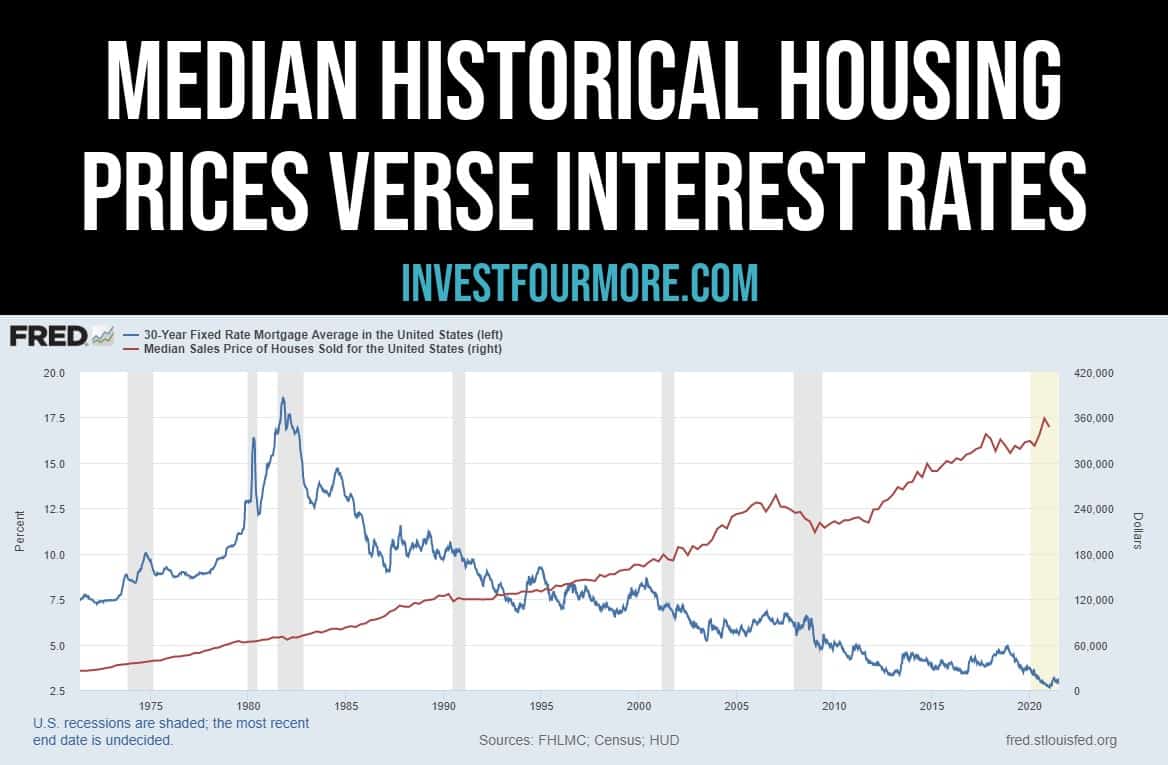
History shows that interest rate cycles are rarely symmetrical. Rates tend to rise quickly and fall slowly. Looking back at the inflationary periods of the 1980s, once the peak was reached, it took several years for rates to return to “normal” levels. While we are unlikely to see the 3% rates of the pandemic era anytime soon—as those were anomalous and driven by a global crisis—a return to a “neutral” rate in the 5% to 6% range is the most realistic mid-term forecast among economic strategists.
Identifying the Bottom of the Market
For many buyers, the goal is to “time the bottom.” However, in personal finance, timing the market is notoriously difficult. Usually, by the time it is clear that rates have bottomed out, competition for housing increases so significantly that home prices rise, offsetting the savings gained from a lower interest rate. Financial advisors often suggest that the best time to buy is when the monthly payment is affordable for the individual’s budget, rather than waiting for an elusive market floor.
Financial Strategies for Homebuyers in a High-Rate Environment
While waiting for rates to drop, prospective homeowners must adjust their financial strategies. The landscape of 2024 requires a more nuanced approach to debt management and capital allocation than the low-rate environment of the previous decade.
Exploring Rate Buydowns and ARMs
Many buyers are turning to creative financing tools to mitigate high rates. A “temporary buydown” (such as a 2-1 buydown) allows the seller or builder to pay a lump sum that lowers the buyer’s interest rate for the first two years of the loan. Additionally, Adjustable-Rate Mortgages (ARMs), which fell out of favor after the 2008 financial crisis, are seeing a resurgence. An ARM typically offers a lower initial rate for a set period (e.g., 5 or 7 years). If rates go down during that period, the homeowner can refinance into a fixed-rate loan without ever having paid the peak market rates.
Improving Credit Profiles to Offset Market Trends
In a high-rate environment, the “spread” between a good credit score and an excellent credit score becomes even more impactful. A borrower with a 760 score may qualify for a rate significantly lower than someone with a 680 score. From a personal finance perspective, the months spent waiting for market rates to drop should be used to aggressively pay down high-interest revolving debt and ensure a pristine credit report, which can effectively “lower” your specific rate regardless of what the Federal Reserve does.
The “Marry the House, Date the Rate” Philosophy
This popular real estate adage suggests that the purchase price of a home is permanent, but the interest rate is temporary. If a buyer finds a property that fits their long-term needs and the price is fair, they might choose to buy now despite high rates, with the intention of refinancing once the market shifts. This strategy assumes that rates will eventually go down and that the buyer will have enough equity and credit standing to qualify for a refinance in the future.
The Impact on Real Estate as an Investment Niche
From a wealth-building perspective, high interest rates change the math for real estate as an asset class. Investors must look beyond simple appreciation and focus on cash flow and tax advantages.
Evaluating Rental Yields vs. Borrowing Costs
When interest rates are high, the “cap rate” (capitalization rate) must also be higher for an investment to make sense. Investors are currently facing a “negative spread” in many markets, where the cost of the mortgage exceeds the net operating income produced by the property. This has led to a cooling in the investor market, which may actually benefit individual homebuyers by reducing competition. For the savvy investor, this period is about finding undervalued assets or using all-cash offers to bypass the interest rate hurdle entirely.
The Inventory Crisis and Price Resilience
Normally, high interest rates lead to a drop in home prices because buyers can afford less. However, the current cycle is unique because of a severe inventory shortage. Many current homeowners are “locked in” to 3% mortgage rates and are unwilling to sell and move into a 7% rate. This lack of supply has kept home prices resilient. Therefore, even when rates eventually do go down, we may see a surge in demand that pushes prices even higher, creating a “catch-22” for those who waited.
Long-Term Wealth Building Through Equity
Despite fluctuations in interest rates, real estate remains a primary vehicle for building generational wealth. The forced savings component of a mortgage—where a portion of every payment goes toward principal—builds equity over time. Even at a 7% interest rate, the long-term appreciation of real estate and the tax-deductibility of mortgage interest (up to certain limits) often make homeownership a better financial move than renting, provided the buyer intends to stay in the home for at least five to seven years.
Conclusion: Navigating the Path Forward
The question of when interest rates will go down for homes is inextricably linked to the trajectory of the U.S. economy. While we are unlikely to return to the ultra-low rates of the past, the consensus among financial experts is that the peak has likely been reached. As inflation continues its slow descent toward the 2% target, the Federal Reserve will eventually find the breathing room to lower the federal funds rate, leading to a corresponding drop in mortgage costs.
For the individual, the focus should remain on financial readiness. By monitoring economic indicators like CPI and Treasury yields, improving credit health, and exploring diverse lending products, you can position yourself to take advantage of the market the moment it shifts. Interest rates are cyclical, but the value of a well-planned financial future is permanent. As we move through 2024 and into 2025, patience and strategic preparation will be the most valuable assets for any prospective homeowner.
aViewFromTheCave is a participant in the Amazon Services LLC Associates Program, an affiliate advertising program designed to provide a means for sites to earn advertising fees by advertising and linking to Amazon.com. Amazon, the Amazon logo, AmazonSupply, and the AmazonSupply logo are trademarks of Amazon.com, Inc. or its affiliates. As an Amazon Associate we earn affiliate commissions from qualifying purchases.