
The question of when interest rates will fall has become one of the most pressing inquiries for households, businesses, and investors worldwide. After a period of aggressive rate hikes by central banks aimed at taming surging inflation, the economic landscape is now ripe with anticipation for a reversal. Understanding the intricate dance between monetary policy, economic indicators, and market sentiment is crucial for anyone looking to navigate the financial future. This article delves into the forces that drive interest rate decisions, the potential impacts of a rate decrease, and what the future might hold for borrowing costs and investment returns.
Understanding the Dynamics of Interest Rates
Interest rates are not merely numbers; they are powerful tools that influence the entire economy. Their movements ripple through everything from mortgage payments to corporate investment decisions, making their trajectory a constant subject of debate and analysis.
What Are Interest Rates and Why Do They Matter?
At its core, an interest rate is the cost of borrowing money or the return on saving money. When you take out a loan, the interest rate determines how much extra you pay back to the lender. When you save money, it determines how much extra you earn on your deposits. Central banks, like the Federal Reserve in the U.S. or the European Central Bank (ECB), set a benchmark interest rate that influences all other rates in the economy. This benchmark, often referred to as the federal funds rate in the U.S., dictates the overnight lending rate between banks, which then cascades down to consumer loans, business credit, and bond yields.
For consumers, higher interest rates mean more expensive mortgages, car loans, and credit card debt, discouraging borrowing and spending. Conversely, lower rates make borrowing cheaper, stimulating economic activity. For businesses, interest rates affect the cost of financing expansions, hiring, and research, directly impacting their profitability and growth prospects. Investors see bond yields fluctuate, and the attractiveness of different asset classes shift in response to rate changes. In essence, interest rates are the fulcrum upon which economic stability and growth often balance.
The Role of Central Banks
Central banks are the primary architects of interest rate policy. Their dual mandate typically involves maintaining price stability (controlling inflation) and fostering maximum sustainable employment. When inflation surges, as it did post-pandemic due central to supply chain disruptions, robust demand, and geopolitical events, central banks often respond by raising interest rates. The aim is to cool down an overheating economy by making borrowing more expensive, thereby reducing demand for goods and services, which in turn should alleviate price pressures.
Conversely, during economic downturns or periods of low inflation, central banks may cut interest rates. This makes borrowing cheaper, encouraging consumers and businesses to spend and invest, stimulating economic growth and job creation. The decision-making process is complex, involving extensive analysis of economic data, forecasts, and global financial conditions. Their communication and forward guidance are equally critical, as they shape market expectations and influence financial behavior even before official policy changes are enacted.
Key Factors Influencing Rate Movements
Predicting when interest rates will fall requires a deep understanding of the economic indicators and forces that central banks prioritize. No single factor determines policy; rather, it’s a confluence of various interconnected elements.
Inflationary Pressures and Economic Growth
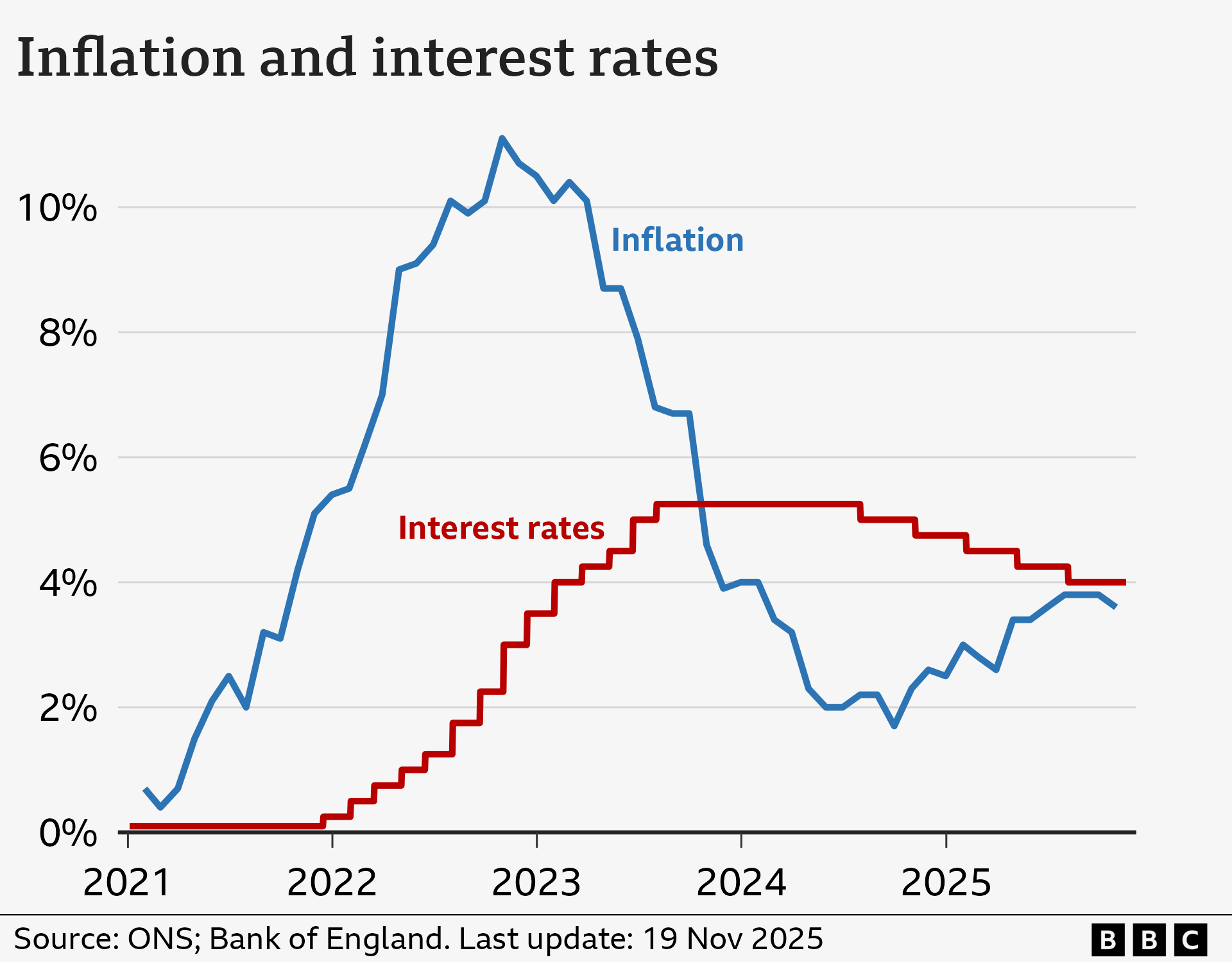
Inflation remains the paramount concern for central bankers. For rates to fall, central banks need to be confident that inflation is not only trending downwards but is also sustainably heading towards their target, typically around 2%. They monitor a range of inflation metrics, including the Consumer Price Index (CPI) and the Personal Consumption Expenditures (PCE) index, paying close attention to core inflation (excluding volatile food and energy prices). If inflation proves sticky or experiences a resurgence, central banks will be hesitant to cut rates, fearing a return to higher prices.
Economic growth is another critical determinant. If the economy shows signs of significant slowdown or recession, central banks might consider rate cuts to provide a stimulus, even if inflation is not fully at target. They walk a tightrope, trying to cool inflation without tipping the economy into a deep downturn, a scenario often referred to as engineering a “soft landing.” Stronger-than-expected economic growth, despite higher rates, might give central banks more room to keep rates elevated for longer.
Global Economic Conditions and Geopolitics
The global interconnectedness of economies means that domestic interest rate policy cannot be made in a vacuum. Major economic trends in other regions, such as a recession in a key trading partner or significant shifts in global commodity prices (like oil), can influence a country’s inflation and growth outlook. For example, a global slowdown could reduce demand for exports, impacting domestic growth, while geopolitical tensions can disrupt supply chains or drive up energy costs, fueling inflation.
Furthermore, the monetary policy decisions of other major central banks can influence currency exchange rates and capital flows, which in turn affect a country’s economic stability and inflationary pressures. A coordinated global effort, or a divergence in policy, can significantly impact the timing and magnitude of rate changes.
Labor Market Health
The health of the labor market is a critical gauge of economic strength and potential inflationary pressures. A robust labor market, characterized by low unemployment rates, high wage growth, and strong job creation, can signal a resilient economy that can withstand higher interest rates. However, persistent wage growth, if it outpaces productivity gains, can also contribute to inflationary pressures (a wage-price spiral), making central banks more cautious about cutting rates.
Conversely, a weakening labor market—evidenced by rising unemployment, declining job openings, and stagnating wages—could signal an impending recession. In such a scenario, central banks might be more inclined to cut rates to support employment and prevent a deeper economic contraction, even if inflation hasn’t fully reached its target. The balance between full employment and price stability is constantly evaluated through the lens of labor market data.
The Impact of Falling Interest Rates

When central banks do decide to cut interest rates, the effects are profound and widespread, touching every corner of the economy. Understanding these impacts helps individuals and businesses prepare for and capitalize on the changing financial landscape.
Benefits for Consumers and Borrowers
For consumers, falling interest rates are generally a boon. Mortgage rates tend to decrease, making homeownership more affordable for new buyers and offering existing homeowners the opportunity to refinance their loans at lower rates, significantly reducing monthly payments. The cost of other forms of credit, such as auto loans, personal loans, and credit card interest, also typically declines, making debt more manageable and encouraging spending on big-ticket items. This boost in consumer purchasing power and confidence can stimulate overall economic activity. Those with variable-rate loans will see immediate relief, while others might consider consolidating debt or taking on new financing for investments or consumption.
Implications for Businesses and Investment
Businesses are also major beneficiaries of lower interest rates. Cheaper borrowing costs make it more attractive to secure loans for capital investments, expansion projects, research and development, and hiring. This can lead to increased productivity, innovation, and job creation. Small businesses, in particular, often rely on accessible credit to manage cash flow and finance growth, making lower rates a significant positive catalyst.
For the investment landscape, falling rates can make bonds less attractive due to lower yields, potentially driving investors towards riskier assets like stocks. Companies with high growth potential or those requiring significant capital expenditure often see their valuations improve as their future earnings are discounted at a lower rate. Real estate markets can also experience a boost as lower mortgage rates increase demand and affordability, although this also carries the risk of asset bubbles if not managed carefully.
Effects on Savers and Fixed-Income Investors
While falling rates are good for borrowers, they present a challenge for savers and those who rely on fixed-income investments. Interest earned on savings accounts, money market accounts, and certificates of deposit (CDs) will decline, reducing passive income for individuals who depend on these returns. Retirees living on fixed incomes, in particular, may find their purchasing power diminished.
Investors in bonds and other fixed-income securities might see capital appreciation on existing bonds (as bond prices move inversely to yields), but new investments will yield less. This often prompts a search for higher-yielding alternatives, sometimes pushing investors further out on the risk curve in their quest for returns, which requires careful financial planning and risk assessment.
Navigating the Future: Predictions and Preparation
The timing of interest rate cuts is still a subject of intense debate among economists and market participants. While the consensus generally points towards cuts in the near future, the exact start date, pace, and magnitude remain uncertain.
Expert Forecasts and Market Sentiment
Economists and central bank officials continually adjust their forecasts based on incoming data. Factors like the persistence of inflation, the resilience of the labor market, and the overall strength of economic growth will dictate the path forward. Market sentiment, often reflected in bond futures and other derivatives, provides a real-time gauge of investor expectations regarding future rate moves. These indicators are crucial for investors and businesses planning their financial strategies.
However, it’s important to remember that forecasts can change rapidly. Unexpected economic data, geopolitical shocks, or shifts in central bank communication can quickly alter expectations. A “wait and see” approach, coupled with adaptability, is often the most prudent strategy. Central banks emphasize a data-dependent approach, meaning they will react to the economic reality as it unfolds, rather than adhering strictly to a predetermined schedule.
Strategies for Personal Finance
For individuals, preparing for falling interest rates involves several key strategies. If you have variable-rate debt, consider refinancing to a fixed rate while current rates are still relatively high, or actively monitor for opportunities to refinance as rates decline. For those looking to buy a home, lower mortgage rates could improve affordability, but it’s important to also consider home prices, which might rise with increased demand.
Savers should explore diversification. While traditional savings accounts may offer lower returns, looking into higher-yielding investment vehicles, such as dividend stocks, certain types of bonds, or real estate investment trusts (REITs), might be beneficial, albeit with higher risk profiles. Reviewing your budget, reducing unnecessary spending, and building an emergency fund remain foundational regardless of the interest rate environment.
Business Adaptations and Investment Approaches
Businesses should strategically review their debt portfolios, looking for opportunities to refinance loans at lower rates, thereby reducing financing costs and freeing up capital for investment or operations. Those planning expansion or large capital expenditures might find the cost of borrowing more favorable, making new projects more viable.
Investors should reassess their portfolios for balance and risk. A shift from fixed income to equities might be considered if the economic outlook supports it, but diversification across asset classes and geographies remains paramount. Understanding the sectors that typically benefit from lower rates—such as housing, technology, and consumer discretionary—can also inform investment decisions. Staying informed about economic trends and central bank announcements is crucial for making timely adjustments.
Conclusion
The question of “When will interest rates fall?” transcends mere curiosity; it’s a critical element in shaping economic policy, business decisions, and personal financial planning. While the exact timing remains contingent on the intricate interplay of inflation, economic growth, and labor market dynamics, the anticipation of cuts signals a potential shift towards a more growth-oriented monetary policy. Understanding these forces and proactively adapting financial strategies will be key for navigating the evolving economic landscape and positioning oneself for success in the wake of changing interest rate tides.
aViewFromTheCave is a participant in the Amazon Services LLC Associates Program, an affiliate advertising program designed to provide a means for sites to earn advertising fees by advertising and linking to Amazon.com. Amazon, the Amazon logo, AmazonSupply, and the AmazonSupply logo are trademarks of Amazon.com, Inc. or its affiliates. As an Amazon Associate we earn affiliate commissions from qualifying purchases.