
In the intricate dance of personal finance, few questions evoke more immediate concern than “When will I get paid?” For members of Navy Federal Credit Union, understanding the nuances of direct deposit timelines is crucial for effective budgeting, bill payment, and overall financial stability. Navy Federal, as a member-owned institution, prides itself on providing reliable and efficient financial services. However, the exact moment funds appear in your account is influenced by a confluence of factors, ranging from the sender’s processing schedule to the intricacies of the banking system itself. This comprehensive guide will demystify Navy Federal’s direct deposit process, shedding light on what to expect, how to leverage features like early pay, and what steps to take if your expected payment encounters a delay.

The anticipation of payday is universal, forming the backbone of most household budgets. Whether it’s your regular salary, military pay, social security benefits, or a tax refund, the timely arrival of these funds is paramount. While Navy Federal endeavors to make funds available as quickly as possible, the journey from sender to recipient is not instantaneous. By understanding the typical cycles and the unique benefits offered by Navy Federal, members can gain greater peace of mind and more robust control over their financial lives.
The Mechanics of Direct Deposit with Navy Federal
Direct deposit is the most common and secure method for receiving funds electronically. It relies on the Automated Clearing House (ACH) network, a sophisticated electronic funds transfer system that facilitates transactions between banks and credit unions across the United States. For Navy Federal members, understanding this underlying mechanism is the first step toward predicting their payday.
How Direct Deposit Works
When your employer, the government, or another entity initiates a direct deposit, they send a payment instruction to their bank. This instruction, containing your account number and Navy Federal’s routing number, is then transmitted through the ACH network. The ACH network batches these transactions and processes them in cycles throughout the day and night. Navy Federal, as the receiving institution, then processes these incoming files and posts the funds to the corresponding member accounts.
This process is highly efficient, significantly faster and safer than traditional paper checks. It eliminates the risk of lost or stolen checks and provides a clear electronic trail for all transactions. However, the multi-step nature of the ACH network means there’s a processing window, not an instant transfer.
Standard Processing Times: ACH Network Explained
The ACH network typically processes transactions in batches, with standard settlement times often taking one to three business days from the time the sender initiates the payment. For a direct deposit, this means that while your employer might “send” your payment on a Monday, it might not settle and become available in your Navy Federal account until Tuesday or Wednesday, depending on their cut-off times and the specific ACH processing cycles.
It’s important to differentiate between when the sender initiates the payment and when it posts to your account. Your employer typically sends payroll information a few days in advance of your official payday to ensure timely delivery. Navy Federal then works to make those funds available as soon as they are received and processed.
Factors Influencing Your Payday
Several variables can influence the exact timing of your direct deposit:
- Sender’s Processing Schedule: The most significant factor is when the sending institution (your employer’s bank, the government agency, etc.) initiates the payment. If they send it later in the week, it could push availability to the following business week.
- Banking Business Days: The ACH network operates on business days. Weekends and federal holidays are not considered business days, meaning payments initiated or scheduled to arrive on these days will be processed on the next available business day. For example, if your payday falls on a Saturday, funds will likely be available on the preceding Friday or the following Monday.
- Cut-off Times: Both the sending bank and Navy Federal have daily cut-off times for processing ACH files. If a payment instruction arrives after the cut-off, it will be processed on the next business day, potentially delaying availability.
- First-Time Deposits: Initial direct deposits may take slightly longer as the system verifies all information. Subsequent payments are usually much smoother.
Decoding Navy Federal’s Early Payday Advantage
One of the most appreciated benefits for many Navy Federal members is the potential for early direct deposit. This feature can be a significant advantage, providing access to funds sooner than many other financial institutions.
What is Early Direct Deposit?
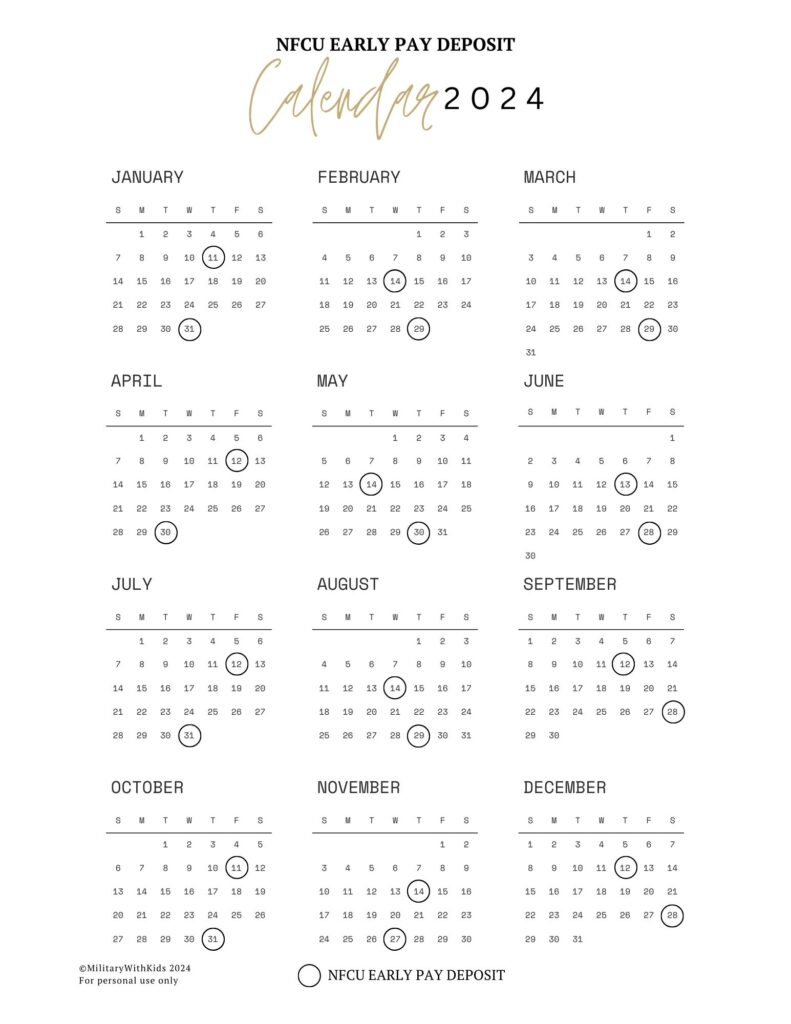
Navy Federal’s early direct deposit feature means that they may post incoming direct deposits to a member’s account as soon as they receive the funds from the sender, which can often be up to one business day earlier than the scheduled payday. This is possible because Navy Federal doesn’t hold the funds until the official settlement date if the payment information is clear and confirmed. Instead, they make the funds available based on the receipt of the ACH pre-notification or pending transaction.
This early availability is a testament to Navy Federal’s commitment to its members, understanding that getting paid a day early can make a substantial difference in managing immediate financial needs and avoiding late fees on bills.
Eligibility and How It Works for Members
Generally, most direct deposits are eligible for early pay, including military pay, federal benefits (Social Security, VA benefits), and civilian payrolls. There isn’t a separate enrollment process; if your employer or payor sends the deposit information to Navy Federal in advance, you automatically benefit from the early posting.
It’s important to note that “early” means up to one business day. It’s not guaranteed that every payment will arrive early, as it still depends on when the sender transmits the payment information to Navy Federal. If the sender transmits the payment on your official payday, then the funds will be available on your official payday.
Common Scenarios and Expectations
- Military Pay: Military pay is often a prime example of early direct deposit at Navy Federal. Many service members frequently report receiving their pay a day or even two days before the official pay date. This is due to the structured and predictable nature of military payroll processing.
- Federal Benefits: Similarly, federal benefits like Social Security and VA benefits are often posted early due to the reliable transmission schedule from government agencies.
- Civilian Payroll: For civilian employers, early direct deposit depends entirely on when your company’s payroll department submits the payment file to their bank. If they submit it a day or two before the scheduled payday, Navy Federal will likely make it available early. If they submit it on the official payday, then it will post on that day.
- New Accounts: While rare, some new accounts or first-time direct deposits might not initially benefit from early pay until the system fully establishes the recurring payment pattern.

To determine if a specific payment is expected early, members can often look for pending transactions within their Navy Federal online banking or mobile app.
Navigating Potential Delays and Solutions
Despite the efficiencies of direct deposit and the benefits of early pay, sometimes payments don’t arrive exactly when expected. Understanding the common causes of delays and knowing what steps to take can alleviate stress and help resolve issues quickly.
Weekends, Holidays, and Banking Cut-off Times
As mentioned, the ACH network does not operate on weekends or federal holidays. This means:
- Weekend Paydays: If your scheduled payday falls on a Saturday or Sunday, your funds will typically be available on the preceding Friday. However, if the sender processes the payment very late on Friday, it might not be available until the following Monday.
- Holiday Impact: Federal holidays have a similar effect. If your payday is on a Tuesday and Monday is a federal holiday, your funds, which would normally arrive on Monday, might not be available until Tuesday. Always check the federal holiday calendar to anticipate shifts in payment schedules.
- Daily Cut-offs: Transactions initiated after a bank’s daily cut-off time (e.g., 5 PM EST) will be treated as if they were initiated on the next business day. This can push back availability by a day.
These are standard banking practices and not specific to Navy Federal. Planning around these non-business days is crucial for budgeting.
Sender-Side Delays and Verification
Often, a delay isn’t on Navy Federal’s end but rather originates with the sender.
- Employer Payroll Errors: Mistakes in payroll processing, incorrect account numbers, or delays in submitting the payroll file can all cause delays.
- New Employer Setup: When you start a new job, the initial direct deposit might take longer as your employer verifies your banking information.
- Government Processing: While typically reliable, government agencies can also experience processing delays, especially around tax time or during major legislative changes impacting benefits.
It’s important to confirm with your employer or the paying agency first if a payment is late. They can often provide the exact date and time the payment was sent and the tracking information.
What to Do If Your Payment is Late
If your direct deposit hasn’t arrived as expected, follow these steps:
- Check Your Navy Federal Account: Log into your online banking or mobile app. Look for pending transactions or a detailed transaction history. Sometimes, the funds are there, but you missed a notification.
- Verify with the Sender: This is the most crucial first step. Contact your employer’s payroll department, the government agency, or the payment sender. Ask them to confirm:
- The exact date and time the payment was sent.
- The correct account number and Navy Federal routing number used.
- If there were any issues or delays on their end.
- If they can provide an ACH trace number.
- Review Banking Information: Double-check that the account and routing numbers you provided to the sender are correct. A single digit error can cause significant delays or even send funds to the wrong account.
- Contact Navy Federal Customer Service: If the sender confirms the payment was sent correctly and on time, and it’s still not in your account after a reasonable waiting period (e.g., 1-2 business days past your expected date), contact Navy Federal’s member services. They can investigate the incoming ACH transactions for your account using the information (especially a trace number) provided by the sender.
Remember, direct deposits are highly reliable, and delays are often due to a specific reason that can be identified and resolved.
Maximizing Your Financial Well-being with Navy Federal
Understanding direct deposit timelines is more than just knowing when your money will arrive; it’s a cornerstone of effective financial planning and leveraging your banking relationship.
Proactive Money Management Strategies
With the knowledge of how direct deposits work and the potential for early pay:
- Create a Buffer: Try to maintain a small financial cushion in your checking account. This buffer can absorb minor delays without impacting your ability to pay bills on time.
- Align Bill Payments: Schedule your automated bill payments to occur after your guaranteed payday, factoring in any potential weekend or holiday shifts. Don’t rely solely on the expectation of early pay for critical bills.
- Utilize Budgeting Tools: Use Navy Federal’s budgeting tools or external apps to track income and expenses. This helps visualize your cash flow and plan for any periods where payments might be delayed.
- Set Up Alerts: Enable direct deposit alerts through Navy Federal’s online banking or mobile app. You’ll receive a notification as soon as your funds hit your account, eliminating the need for constant checking.
Utilizing Navy Federal’s Tools and Services
Navy Federal provides various resources to help members manage their finances effectively:
- Online Banking & Mobile App: These platforms are your primary resource for checking account balances, viewing pending transactions, reviewing transaction history, and setting up alerts.
- Member Services: If you have questions or encounter issues, Navy Federal’s member services are available by phone, online chat, or in person at branches. Their representatives can provide personalized assistance.
- Financial Counseling: For more in-depth financial planning, Navy Federal may offer resources or referrals for financial counseling to help you optimize your budget and financial strategies.
The Broader Impact of Predictable Payments
Predictable and timely access to your income contributes significantly to financial peace of mind. It allows you to:
- Avoid Overdrafts: By knowing when funds arrive, you can prevent costly overdraft fees.
- Build Savings: Consistent income allows for consistent saving, whether for emergencies, large purchases, or retirement.
- Reduce Financial Stress: Less uncertainty about when you’ll get paid translates to less stress and better overall well-being.
In conclusion, while the question “When will I get paid?” is simple, the answer involves a detailed understanding of direct deposit mechanisms, banking schedules, and specific features offered by Navy Federal. By staying informed, leveraging the early direct deposit advantage where applicable, and knowing how to troubleshoot potential issues, Navy Federal members can ensure their financial life remains on a steady and predictable course. Their dedication to members means they are always working to process funds efficiently, giving you more control over your hard-earned money.
aViewFromTheCave is a participant in the Amazon Services LLC Associates Program, an affiliate advertising program designed to provide a means for sites to earn advertising fees by advertising and linking to Amazon.com. Amazon, the Amazon logo, AmazonSupply, and the AmazonSupply logo are trademarks of Amazon.com, Inc. or its affiliates. As an Amazon Associate we earn affiliate commissions from qualifying purchases.