
The quest for cheaper airfare is a universal pursuit for travelers and businesses alike. In recent years, flight prices have seen significant volatility, driven by a complex interplay of economic, operational, and global factors. Understanding when and why these prices might decrease requires a deep dive into the financial mechanics of the aviation industry and the broader economic landscape. For anyone looking to manage their travel budget effectively, discerning these trends is not just about timing a booking; it’s about comprehending the intricate financial ecosystem that dictates the cost of air travel.
The Complex Economics Behind Airfare Pricing
At its core, airfare pricing is a sophisticated financial model balancing numerous variables to achieve profitability for airlines. It’s far more nuanced than simple supply and demand, incorporating a myriad of fixed and variable costs, market competition, and strategic revenue management.
Operational Costs: The Foundation of Flight Prices
Every ticket price begins with covering the fundamental operational costs of running an airline. Fuel, notoriously volatile, represents one of the largest and most unpredictable expenses. Fluctuations in global oil prices directly translate into adjustments in ticket costs. Beyond fuel, airlines incur substantial outlays for aircraft maintenance, which includes routine checks, repairs, and the acquisition of spare parts, often costing millions annually per aircraft. Labor costs, encompassing pilots, flight attendants, ground crew, and administrative staff, are another significant component, influenced by wages, benefits, and union agreements. Airport fees, air traffic control charges, and navigation fees further add to the operational burden, varying by airport and country. These fixed and variable costs form the baseline, below which an airline cannot sustainably operate without incurring losses.
Demand and Supply Dynamics
While operational costs set the floor, demand and supply dictate the dynamic pricing strategy. Airlines employ sophisticated algorithms to optimize revenue based on anticipated demand for specific routes and dates. Peak travel seasons, such as summer holidays, Thanksgiving, or Christmas, inherently command higher prices due to a surge in leisure travelers. Similarly, routes connecting major business hubs often see elevated prices during weekdays when corporate travel is prevalent. Special events, major conferences, or cultural festivals in specific destinations also create temporary demand spikes. Conversely, during off-peak seasons or on less popular routes, airlines may lower prices to fill seats, as an empty seat represents lost revenue that cannot be recouped. The balance between available seats (supply) and the number of people wanting to fly (demand) is continuously recalibrated to maximize revenue.
Competitive Landscape and Route Strategy
The level of competition on a particular route plays a critical financial role. A route serviced by multiple airlines typically experiences more competitive pricing as carriers vie for market share. In contrast, routes with limited competition, or those dominated by a single carrier, may see higher prices due to reduced pressure to undercut rivals. Airlines also strategically manage their networks, often utilizing a “hub-and-spoke” model where flights funnel through major airports. This strategy can reduce direct flight options for certain city pairs, potentially increasing prices for convenience, or allow for cheaper connecting flights. The entry of new budget carriers can disrupt established pricing models, often leading to temporary price wars that benefit consumers, before the market adjusts to the new equilibrium.
Macroeconomic Forces Shaping Travel Budgets
Beyond the internal economics of airlines, broader macroeconomic conditions exert significant influence on airfare pricing, affecting both the airlines’ cost structures and consumers’ willingness and ability to pay.
Inflation and Fuel Prices
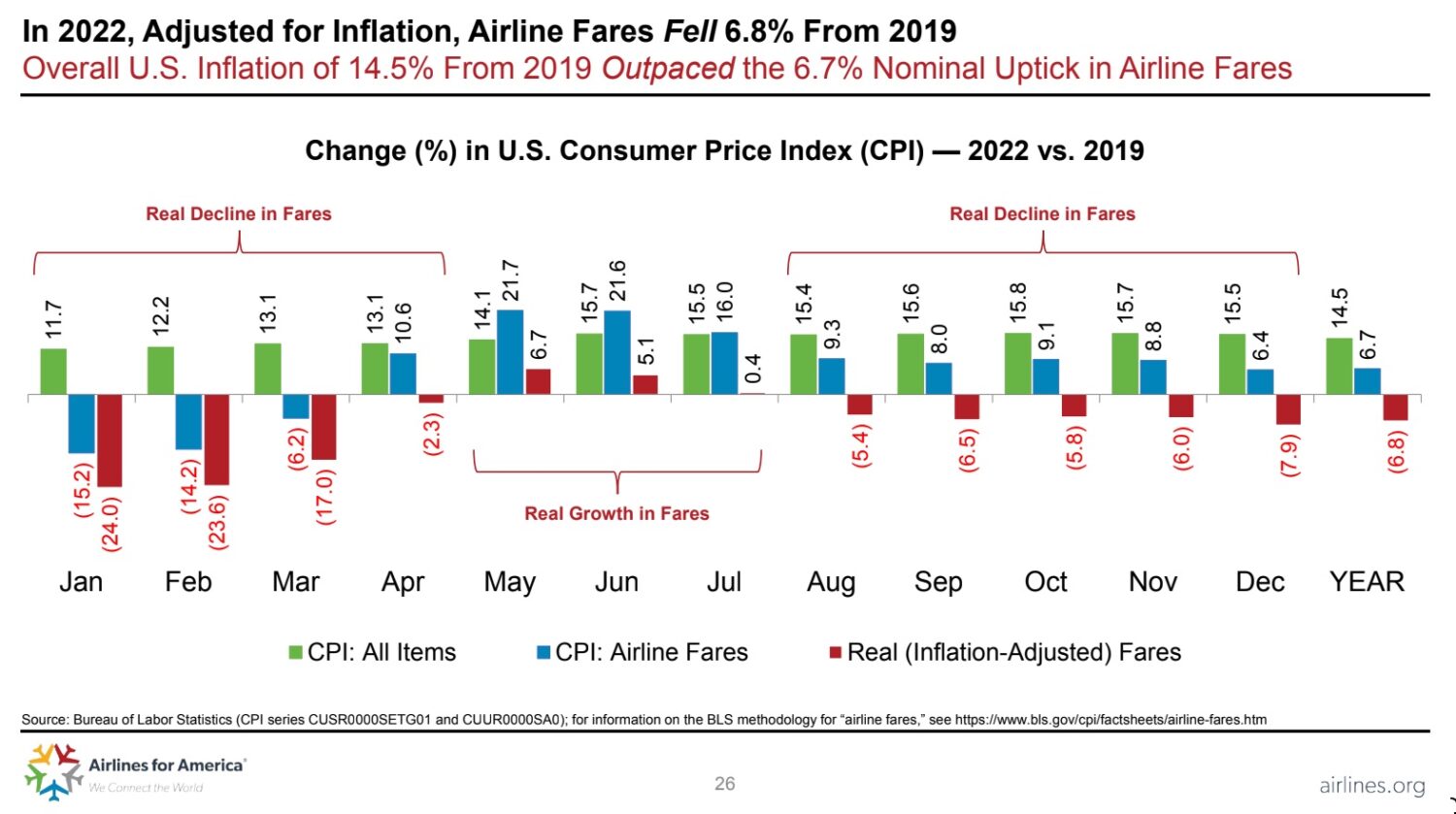
Inflation is a pervasive economic force that directly impacts the aviation industry. Rising inflation increases the cost of everything from aircraft parts and maintenance services to labor wages and airport operating expenses. This pressure inevitably translates into higher ticket prices as airlines seek to maintain their profit margins. Fuel prices, as mentioned, are particularly susceptible to global inflationary pressures, geopolitical events, and supply chain disruptions. When crude oil prices surge, jet fuel costs follow suit, often leading to immediate surcharges or general price increases on tickets. Conversely, sustained periods of lower inflation and stable fuel markets can provide airlines with the breathing room to potentially lower fares or at least slow price increases.
Global Economic Health and Consumer Confidence
The overall health of the global economy is a crucial determinant of travel demand and, by extension, flight prices. During periods of strong economic growth, higher employment rates, and increased disposable income, consumer confidence tends to be high. This encourages both leisure and business travel, leading to greater demand and potentially higher airfares. Conversely, economic downturns, recessions, or periods of high uncertainty typically result in reduced travel budgets for both individuals and corporations. Businesses cut back on non-essential travel, and families prioritize essential spending over vacations. This drop in demand often prompts airlines to lower prices, offer promotions, or reduce capacity to stimulate bookings and fill seats, sacrificing margin for volume.
Currency Fluctuations
For international travel, currency exchange rates introduce another layer of financial complexity. When a traveler’s home currency weakens against the currency of the destination country, the effective cost of a flight to that destination increases, even if the nominal price in the destination’s currency remains stable. Airlines also incur costs and earn revenue in various currencies. Significant shifts in exchange rates can impact an airline’s profitability, especially if their operational costs are in one currency and a substantial portion of their revenue is earned in another. A strong domestic currency can make international travel more affordable for local residents, stimulating demand, while a weak currency can deter outbound travel.
The Future Outlook: When and How Prices Might Decline
Predicting the exact moment flight prices will decline is challenging, but several long-term trends and potential shifts could contribute to more affordable air travel in the future.
Sustained Reduction in Fuel Costs
A significant and sustained drop in global oil prices, possibly due to increased supply, technological advancements in energy production, or a global economic slowdown reducing demand, would directly ease the largest cost burden for airlines. Such a scenario would likely translate into lower fares for consumers. However, given the geopolitical volatility and global energy demand, sustained low fuel prices are often a short-lived phenomenon. Investments in alternative aviation fuels, though currently expensive, could offer a long-term solution to reduce reliance on volatile fossil fuels, stabilizing costs over time.
Increased Airline Competition and Capacity
The entry of new airlines, especially low-cost carriers, into established markets can quickly drive down prices as they compete aggressively for market share. As airlines expand their fleets and add more routes, increased capacity on popular corridors can also lead to more competitive pricing. Governments or regulatory bodies might also play a role by encouraging new entrants or preventing monopolistic practices that keep prices artificially high. However, airlines are strategic; they will add capacity where demand justifies it, and excessive capacity can lead to financial strain, potentially resulting in consolidation or route cuts.
Technological Advancements and Efficiency Gains
Ongoing innovation in aircraft design and operational technology offers a glimmer of hope for future price reductions. Manufacturers are continuously developing more fuel-efficient aircraft, which, as they are integrated into airline fleets, reduce operating costs. Advances in air traffic management systems can optimize flight paths, reducing flying time and fuel burn. Furthermore, digital transformation within airlines, from AI-powered revenue management systems to more efficient ground operations, can lead to overall cost reductions that may, at least partially, be passed on to consumers. These incremental efficiencies contribute to a leaner operating model, making lower fares more sustainable.
Shifts in Consumer Behavior and Travel Patterns
The post-pandemic era has already shown how dramatically consumer behavior can influence travel markets. A sustained trend towards off-peak travel, greater flexibility in travel dates, or an increased willingness to consider alternative, less popular destinations could spread demand more evenly throughout the year and across regions, potentially reducing peak-season price surges. The rise of remote work also means more flexibility for many, allowing them to travel during traditionally quieter times, which can lead to better deals. As consumers become more financially savvy and adaptive, their choices can collectively influence airline pricing strategies.
Financial Strategies for Savvy Travelers
While waiting for a broader market decline, individuals and businesses can employ several financial strategies to mitigate high flight costs and secure more affordable airfare.
The Art of Timing: Booking Windows and Seasonality
One of the most effective financial tactics is understanding the optimal booking window. While this varies, general wisdom suggests booking international flights 3-6 months in advance and domestic flights 1-3 months out. Prices tend to creep up closer to departure as last-minute demand for essential travel fills remaining seats. Avoiding peak travel seasons and holidays is paramount; opting for shoulder seasons (spring and fall) or even off-peak periods can yield significant savings. Tuesdays, Wednesdays, and Saturdays are often cited as the cheapest days to fly, while Monday and Friday flights tend to be pricier due to business travel.
Leveraging Flexibility and Alternative Routes
Flexibility is a traveler’s most powerful financial asset. Being open to slightly adjusting departure or arrival dates, or considering flights at less convenient times (e.g., very early mornings or late nights), can unlock lower fares. Exploring alternative airports near your desired destination, even if they require a short commute, can sometimes be substantially cheaper than flying into the primary hub. Opting for flights with layovers instead of direct routes can also reduce costs, as convenience often comes with a premium. The financial trade-off for an extra hour or two of travel time can be hundreds of dollars in savings.
Harnessing Financial Tools: Price Alerts and Loyalty Programs
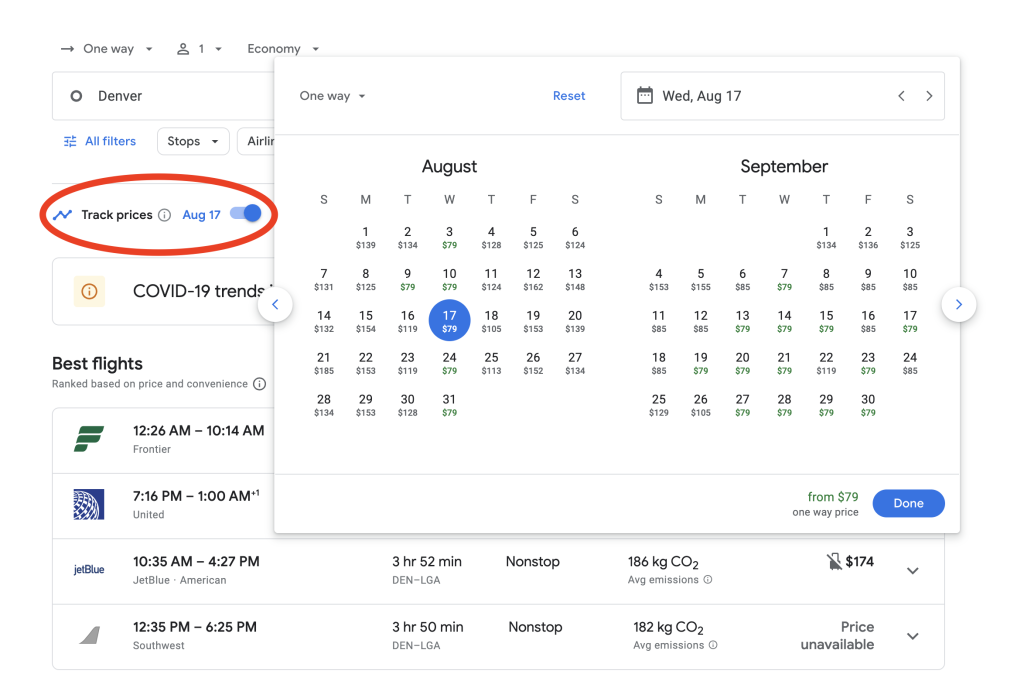
Modern technology offers a suite of financial tools to aid in the search for cheaper flights. Setting up price alerts through flight comparison websites or airline apps can notify you immediately when fares drop for your desired route. These tools empower travelers to act quickly on good deals. Furthermore, leveraging airline loyalty programs and travel-focused credit cards can significantly reduce travel expenses over time. Accumulating points or miles through everyday spending or dedicated travel bonuses can lead to free flights, upgrades, or discounted fares, effectively converting regular expenses into travel savings. Understanding the best redemption values for points is crucial for maximizing their financial impact.
Budgeting for Travel: A Holistic Approach
Effective travel budgeting extends beyond just the flight ticket. It involves a holistic financial plan that accounts for accommodation, ground transport, food, activities, and unforeseen expenses. By setting a realistic overall travel budget and allocating funds to each category, travelers can better absorb potential fluctuations in airfare. Sometimes, paying a slightly higher flight price is acceptable if savings are found in other areas of the trip, or if the convenience aligns better with personal financial value. Viewing travel as a financial investment in experiences requires diligent planning and proactive management of all associated costs.
Ultimately, while external economic forces largely dictate the broader trend of flight prices, financially astute travelers armed with strategic planning and savvy utilization of available tools can often find ways to mitigate the impact of high fares. The market will always fluctuate, but informed financial decisions can make expensive air travel more accessible.
aViewFromTheCave is a participant in the Amazon Services LLC Associates Program, an affiliate advertising program designed to provide a means for sites to earn advertising fees by advertising and linking to Amazon.com. Amazon, the Amazon logo, AmazonSupply, and the AmazonSupply logo are trademarks of Amazon.com, Inc. or its affiliates. As an Amazon Associate we earn affiliate commissions from qualifying purchases.