
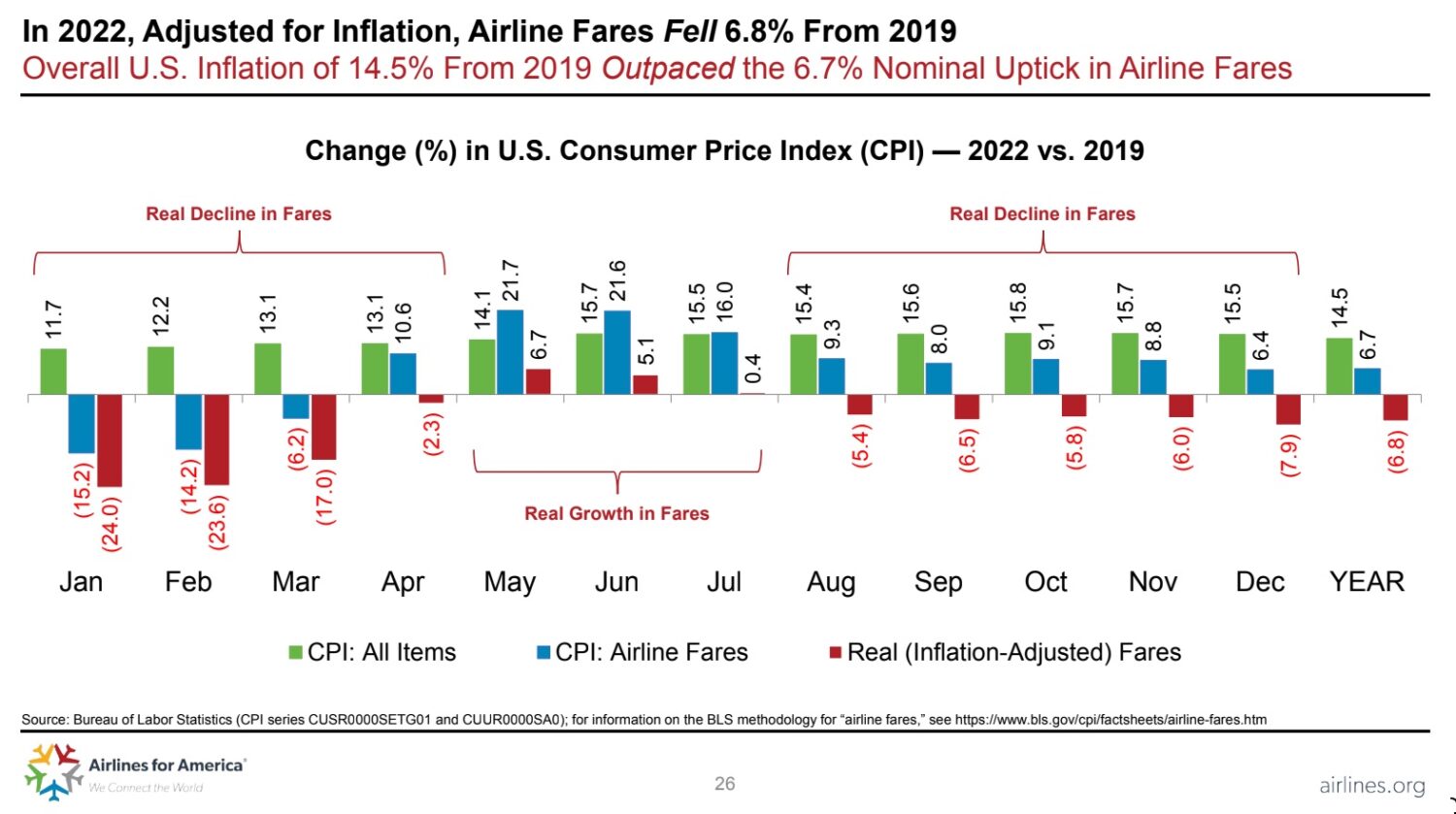
In the realm of personal finance, travel is often one of the largest discretionary expenses a household faces. For many, the cost of a single international flight can rival a monthly mortgage payment or a significant contribution to an investment portfolio. Over the past several years, travelers have watched with concern as airfares have climbed to historic highs, driven by a complex intersection of pent-up demand, limited supply, and global economic shifts. Understanding when flight prices will go down—and how to navigate the market until they do—requires more than just a quick search on a booking engine; it requires a fundamental understanding of the microeconomic and macroeconomic forces at play in the aviation industry.
For the financially conscious traveler, timing the market is a matter of strategic capital management. While we may never return to the rock-bottom prices of the early 2020s, a stabilization is on the horizon. By analyzing market data and economic indicators, we can identify the specific factors that will lead to a reduction in airfare and determine how to optimize travel spending in the meantime.
The Economic Drivers Behind Sustained High Airfares
To predict when prices will drop, we must first understand why they have remained elevated. The airline industry operates on razor-thin margins, and several high-cost inputs have converged simultaneously to keep ticket prices high.
Fuel Costs and Commodity Market Volatility
Jet fuel is typically the largest or second-largest operating expense for an airline, often accounting for 20% to 30% of total costs. Unlike consumer gasoline, jet fuel (Kerosene) is subject to specific refining constraints and geopolitical sensitivities. When global oil prices surge or refining capacity is squeezed, airlines have little choice but to pass these costs onto the consumer through fuel surcharges or increased base fares. Until energy markets achieve greater stability or alternative fuel sources become more scalable, fuel will remain a primary “floor” for how low prices can actually go.
Labor Shortages and Wage Inflation
The aviation sector is currently grappling with a structural labor deficit. From pilots and flight attendants to ground crews and air traffic controllers, the industry is paying more to attract and retain talent. New labor contracts for pilots at major carriers have seen significant double-digit percentage increases in compensation. These are “sticky” costs—unlike fuel prices, which can fluctuate down, wages rarely decrease. This means the baseline cost of operating a flight has permanently shifted higher, making the ultra-low fares of the past decade a statistical anomaly that is unlikely to repeat.
The Capacity Constraint Problem
During the global downturn, many airlines retired older, less efficient aircraft and slowed the acquisition of new ones. Today, manufacturers like Boeing and Airbus are facing massive backlogs and supply chain disruptions, meaning airlines cannot add new seats to the market fast enough to meet demand. In economic terms, when demand outstrips supply, prices rise. We will likely see flight prices go down only when airline capacity—measured in Available Seat Miles (ASMs)—fully recovers to match or exceed consumer demand.
Identifying the “Goldilocks Window” for Booking
While the overall market remains expensive, there are cyclical and tactical windows where prices dip. Mastering these cycles is essential for protecting your travel budget and ensuring you are not overpaying for the same “commodity” seat as the person sitting next to you.
Moving Beyond the “Tuesday Myth”
In the early days of digital booking, there was a persistent belief that booking on a Tuesday at midnight resulted in the lowest fares. Modern airline pricing algorithms are now far too sophisticated for such simple patterns. Today, pricing is dynamic, responding in real-time to search volume, remaining inventory, and competitor pricing. Instead of focusing on the day of the week you book, focus on the “Goldilocks Window”—the period of time before departure where prices are statistically most likely to be at their lowest point. For domestic flights, this is typically 1 to 3 months in advance; for international routes, 2 to 8 months is the standard.
Exploiting Seasonal Elasticity
Airfare is highly elastic based on the time of year. To see a significant decrease in flight prices, travelers must look toward “shoulder seasons”—the periods between peak summer travel and the winter holidays. Strategically planning travel for late April, May, September, or October can result in savings of 30% to 50%. From a personal finance perspective, shifting your travel schedule by just two weeks can be the difference between an affordable trip and one that requires dipping into emergency savings.
The Impact of Business Travel Trends
Historically, high-margin business travelers subsidized lower fares for leisure travelers. However, the shift toward remote work and virtual conferencing has permanently altered the volume of corporate travel. Airlines have responded by reconfiguring cabins and adjusting pricing models to extract more value from leisure travelers. Watching the recovery of the corporate sector is key; as business travel stabilizes, airlines may re-introduce more competitive pricing in economy cabins to ensure high load factors on mid-week flights that were previously filled by consultants and executives.
Leveraging Financial Tools to Hedge Against Price Volatility
When market prices are high, savvy consumers use financial instruments and strategic tools to mitigate costs. Treating travel as an investment allows you to hedge against inflation and currency fluctuations.
Travel Rewards and Point Arbitrage
One of the most effective ways to lower the out-of-pocket cost of flying is through the strategic use of credit card rewards and frequent flyer miles. In an inflationary environment, points often hold their value better than cash for specific high-value redemptions. By diversifying your “currency” into transferable point systems (such as those offered by major banks), you gain the ability to shop across different airline alliances. This “arbitrage” allows you to book a flight using points that might cost $1,200 in cash, effectively “buying down” the price of your travel.
Price Tracking and Automated Monitoring
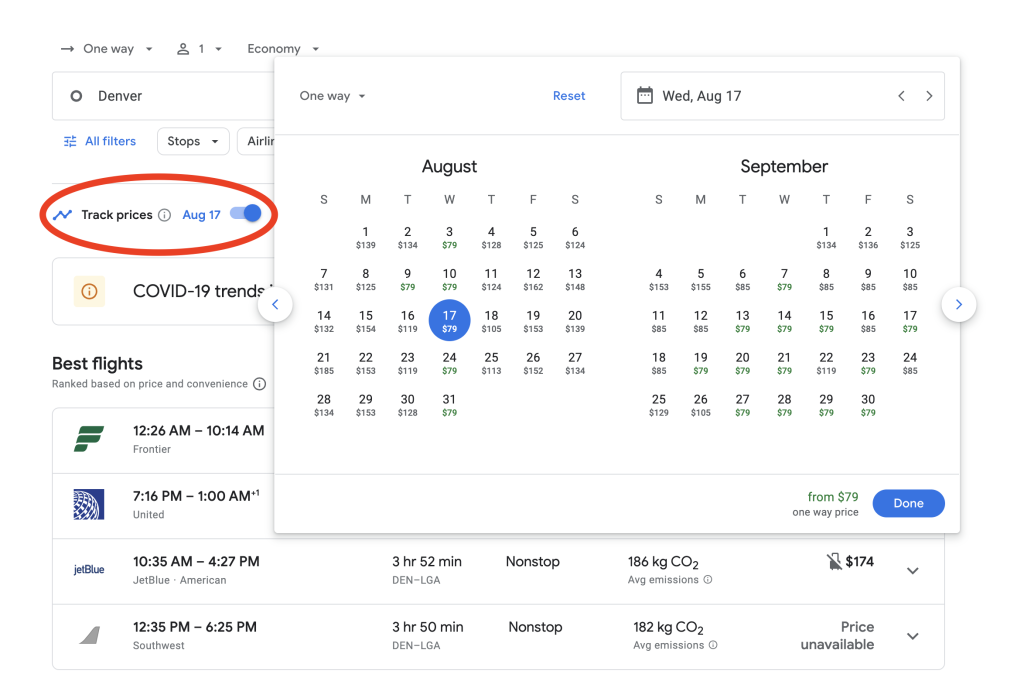
In the current market, prices can fluctuate by hundreds of dollars in a single 24-hour period. Utilizing financial tracking tools and price alerts is no longer optional for the budget-conscious traveler. Setting “buy” signals—where you determine a target price based on historical data and execute the purchase the moment the algorithm hits that number—removes the emotional stress of booking. It treats airfare acquisition like a limit order in stock trading, ensuring you enter the market at your preferred price point.
Using Refunds and Rebooking as a Financial Strategy
Many airlines have moved away from rigid change fees for standard economy tickets. This creates a unique financial opportunity: if you book a flight and the price subsequently drops, you can often “cancel” and rebook the same flight to receive the difference as a travel credit. This essentially provides a “price protection” guarantee on your travel investment. Regularly auditing your booked flights for price decreases is a simple way to build a “bank” of travel credits for future use.
The Future Outlook: When Will the Market Correct?
While we are seeing a gradual cooling of “revenge travel” demand, the path to lower flight prices is not a straight line. Several long-term factors will dictate the future of airfare costs.
The Rise of Low-Cost Carrier Competition
Historically, the entry of a low-cost carrier (LCC) into a specific route forces legacy airlines to drop their prices—a phenomenon known as the “Southwest Effect.” As new budget airlines expand their fleets and move into more transatlantic and transpacific routes, we can expect to see downward pressure on fares. Monitoring the expansion plans of budget-friendly carriers is a good indicator of when specific regions will see a price correction.
Sustainable Aviation Fuel (SAF) and Regulatory Costs
A looming factor that may prevent prices from dropping significantly in the long term is the transition to green energy. Governments are increasingly mandating the use of Sustainable Aviation Fuel (SAF) and imposing carbon taxes on aviation. These fuels are currently much more expensive than traditional jet fuel. While technology may eventually bring these costs down, the initial transition period will likely keep upward pressure on ticket prices, particularly in regions with aggressive environmental regulations like the European Union.

Economic Cycles and Consumer Sentiment
Finally, flight prices are inextricably linked to the broader economy. If the global economy enters a period of contraction, discretionary spending on travel will naturally decrease. In response, airlines will be forced to lower prices to stimulate demand and fill their planes. While no one hopes for an economic downturn, it is the most reliable “reset” button for inflated asset prices, including airfare.
In conclusion, the question of when flight prices will go down is answered by a combination of timing, technology, and economic discipline. By understanding the underlying costs of the airline industry, timing purchases within the Goldilocks Window, and utilizing travel rewards as a financial hedge, you can successfully navigate high-priced environments. While the era of “dirt-cheap” flights may be transitioning into a more expensive reality, strategic financial planning remains the most effective tool for making global travel accessible and sustainable for your personal balance sheet.
aViewFromTheCave is a participant in the Amazon Services LLC Associates Program, an affiliate advertising program designed to provide a means for sites to earn advertising fees by advertising and linking to Amazon.com. Amazon, the Amazon logo, AmazonSupply, and the AmazonSupply logo are trademarks of Amazon.com, Inc. or its affiliates. As an Amazon Associate we earn affiliate commissions from qualifying purchases.