
In the dynamic and often bewildering landscape of modern commerce, where competition is fierce and consumer attention is a precious commodity, the art and science of branding have never been more critical. Yet, amidst the dazzling array of digital tools, sophisticated analytics, and constantly evolving marketing tactics, the most powerful strategies often return to fundamental principles. At the heart of every successful brand lies a clear, coherent, and compelling narrative, a story that resonates deeply with its audience and distinguishes it from the multitude. This narrative isn’t conjured from thin air; it is meticulously constructed by answering four deceptively simple, yet profoundly strategic, questions: When, Where, Who, What.
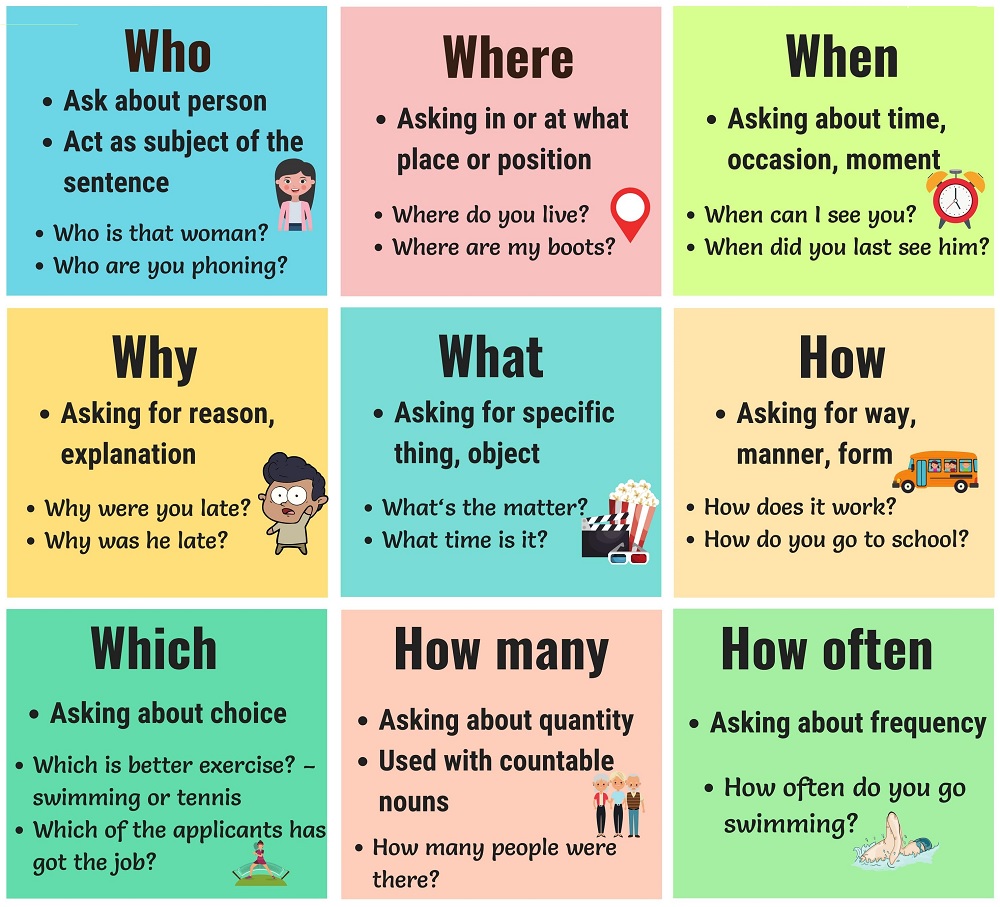
These aren’t merely journalistic prompts; they are the bedrock upon which robust brand identities are built, refined, and sustained. Far from being a checklist, “When, Where, Who, What” represents a continuous strategic inquiry, a cyclical process of self-assessment and external analysis that empowers brands to define their purpose, connect with their audience, optimize their presence, and navigate the tides of change with agility and foresight. This article delves into how each of these pillars contributes to a holistic and impactful brand strategy, transforming abstract concepts into actionable insights that drive growth and foster loyalty.
The ‘What’: Defining Your Core Brand Identity
Before any message can be conveyed or any strategy deployed, a brand must first unequivocally answer the fundamental question: What are we? This isn’t just about listing products or services; it’s about articulating the very essence, purpose, and promise of the brand. It’s the starting point for all differentiation and consumer connection. Without a crystal-clear understanding of its “what,” a brand risks becoming a muddled whisper in a crowded marketplace, struggling to convey value or build a distinct identity.
Unpacking Your Value Proposition: What Do You Offer?
The core of “what” lies in your unique value proposition. This is the promise of value you will deliver to customers. It goes beyond features to highlight the benefits and solutions your brand provides. Why should someone choose you over a competitor? Is it superior quality, unparalleled convenience, innovative design, or exceptional customer service? Articulating this clearly means understanding your strengths, pinpointing gaps in the market, and communicating how your brand uniquely fills those gaps. It’s about being precise: are you offering a luxury experience, an affordable necessity, a disruptive technology, or a comforting tradition? The clarity here defines the playing field.
Crafting Your Brand Message: What Do You Say?
Once the value proposition is defined, the next step is to translate it into a compelling brand message. This involves developing a consistent tone of voice, a clear narrative, and a memorable slogan or tagline that encapsulates your brand’s essence. What is the story you want to tell? What emotions do you want to evoke? Your brand message should be authentic, distinct, and consistent across all touchpoints, from your website to your social media, from your packaging to your customer service interactions. It’s the verbal manifestation of your brand’s identity, ensuring that every communication reinforces your core “what.”
Your Brand’s Purpose and Vision: What Do You Stand For?
Beyond products and messages, a truly enduring brand stands for something larger than itself. Its purpose and vision define its reason for being and its aspirations for the future. What impact does your brand seek to make in the world? What problems does it aim to solve beyond commercial transactions? A strong brand purpose provides direction, inspires employees, and resonates deeply with consumers who increasingly align themselves with brands that share their values. This philosophical “what” elevates a brand from a mere provider of goods or services to a meaningful entity with a significant role to play.
The ‘Who’: Understanding and Connecting with Your Audience
With a clear definition of “what” your brand is, the next crucial step is to identify and deeply understand who you are serving and who represents your brand. A brand cannot exist in a vacuum; its resonance and success are entirely dependent on its ability to connect with the right people. This involves a comprehensive analysis of both external consumers and internal stakeholders, ensuring that the brand’s message is tailored, relevant, and authentically delivered. Misunderstanding your “who” leads to misdirected efforts and wasted resources, weakening brand impact.
Identifying Your Target Demographics and Psychographics: Who Are They?
Understanding your target audience goes far beyond basic demographics like age, gender, and location. It delves into psychographics – their values, attitudes, interests, lifestyles, and behaviors. Who are the individuals most likely to benefit from and appreciate your “what”? What are their aspirations, pain points, and daily routines? What media do they consume? What influences their purchasing decisions? A granular understanding allows for precise targeting, ensuring that brand messages reach the ears that are most receptive, and products are developed with their specific needs in mind. This deep dive into “who” allows for personalized engagement rather than generic broadcasting.
Building Persona Profiles: Who Are You Talking To?
To truly humanize your audience and make them tangible, brands often create detailed buyer personas. These are semi-fictional representations of your ideal customers, based on real data and educated speculation about demographics, behaviors, motivations, and goals. Giving your target audience a name, a backstory, and a set of characteristics transforms them from abstract data points into relatable individuals. This clarity helps refine your messaging, product development, and customer experience strategies, ensuring that every brand touchpoint is designed to speak directly and effectively to “who” matters most. It shifts the focus from a faceless crowd to distinct individuals.
Engaging Your Internal Stakeholders: Who Represents Your Brand?
The “who” also extends internally. Every employee, from the CEO to the front-line customer service representative, is a brand ambassador. Who are the people embodying your brand values and delivering on your brand promise daily? Ensuring that internal stakeholders understand, believe in, and are equipped to articulate the brand’s “what” is paramount. A strong internal brand culture fosters consistency, authenticity, and passion, turning employees into advocates. When the “who” inside aligns with the “what” and the “who” outside, a powerful and cohesive brand experience emerges.
The ‘Where’: Navigating Brand Presence and Touchpoints
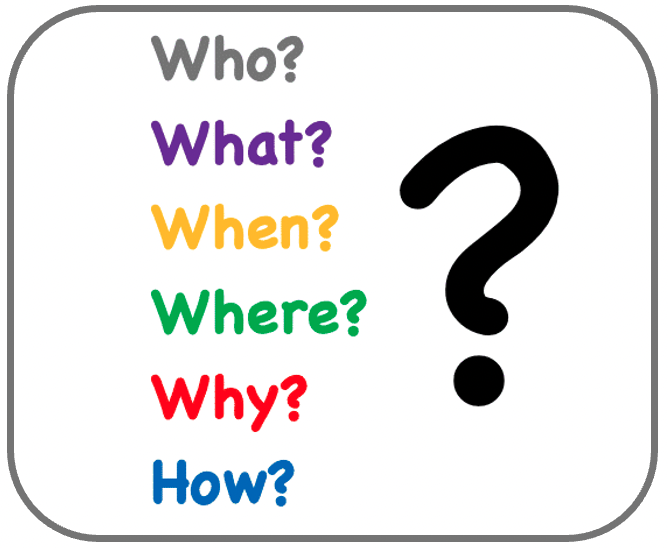
Once a brand understands its “what” and “who,” the next strategic question becomes: Where does it meet its audience? In an increasingly fragmented media landscape, where consumers interact with brands across a multitude of channels, touchpoints, and environments, defining a strategic “where” is critical. It’s about optimizing visibility, accessibility, and experience, ensuring that the brand is present in the right places at the right time, in a manner that reinforces its identity and connects with its target audience.
Strategic Channel Selection: Where Do Your Customers Spend Their Time?
The modern consumer journey is rarely linear. They might discover your brand on social media, research it on your website, read reviews on a third-party site, and eventually purchase from a physical store or an e-commerce platform. The key is to identify where your target “who” primarily resides and interacts. Is it Instagram, LinkedIn, TikTok, niche forums, podcasts, traditional print media, or community events? A strategic “where” means allocating resources effectively to those channels that offer the highest engagement and conversion potential, rather than trying to be everywhere at once. Each channel should serve a specific purpose in the customer journey.
Cultivating Brand Experiences: Where Do Interactions Happen?
The “where” isn’t just about passive presence; it’s about actively cultivating meaningful brand experiences at every touchpoint. Whether it’s the intuitive design of your website, the welcoming atmosphere of your retail store, the efficiency of your customer service chatbot, or the quality of your product packaging, each interaction point is an opportunity to reinforce your brand’s “what.” How does your brand feel and behave in these different spaces? Consistency in experience, tone, and visual identity across all these “wheres” builds trust and strengthens brand recognition. Every point of contact is a chance to live up to the brand promise.
The Digital vs. Physical Landscape: Where Does Your Brand Live?
Brands today must seamlessly bridge the gap between digital and physical realms. The “where” often involves a harmonious blend of both. For e-commerce brands, the digital storefront is paramount, but physical pop-ups or experiential events can create tangible connections. For brick-and-mortar stores, a robust online presence (website, social media, local SEO) is crucial for discovery and engagement. Understanding how your “who” moves between these landscapes, and ensuring a consistent and integrated brand experience across both, is a complex but essential aspect of defining “where” your brand truly lives and thrives.
The ‘When’: Timing, Relevance, and Strategic Evolution
Finally, with a clear “what,” a well-understood “who,” and a strategically chosen “where,” a brand must address the crucial element of when. Timing is everything in branding and marketing. It determines the relevance of your message, the impact of your campaigns, and the longevity of your brand in a rapidly shifting world. The “when” is about seizing opportunities, adapting to change, and understanding the ebb and flow of market dynamics and cultural shifts. It’s the dynamic axis around which all other elements revolve.
Product Launches and Campaign Timelines: When Is the Right Moment?
The success of a new product or marketing campaign often hinges on impeccable timing. When is your target audience most receptive to hearing your message? When are seasonal trends or cultural events most aligned with your brand’s offerings? Launching a summer-themed product in winter, or a back-to-school campaign after classes have resumed, demonstrates a fundamental misunderstanding of the “when.” Strategic timing involves meticulous planning, market research, and a keen awareness of external factors that can amplify or diminish your efforts. It’s about striking while the iron is hot, or even anticipating when it will be.
Market Trends and Cultural Relevance: When Is Your Brand In Sync?
The world is constantly evolving, with new trends, technologies, and cultural movements emerging regularly. A truly enduring brand understands the importance of staying relevant. When does your brand need to adapt its messaging or offerings to reflect current societal values or technological advancements? When do you lean into a trending topic, and when do you strategically remain silent? The “when” here is about agility and foresight – not chasing every fleeting fad, but understanding macro trends and knowing when to pivot or refresh your brand narrative to maintain resonance and avoid obsolescence. It’s about being contemporary without being capricious.
Evolution and Reinvention: When Should Your Brand Adapt?
No brand can remain static forever. Markets mature, consumer tastes change, and competition intensifies. The “when” for evolution and reinvention is a critical strategic decision. When has your brand’s current identity or strategy reached its limit? When is it time for a refresh, a rebrand, or a complete overhaul? This requires an honest assessment of performance, market position, and future aspirations. It’s about recognizing the tipping points – when new generations emerge, when technology disrupts industries, or when consumer expectations shift dramatically. Proactive adaptation, rather than forced reaction, ensures that the brand remains vibrant and relevant for years to come.
The Enduring Power of Interrogative Strategy
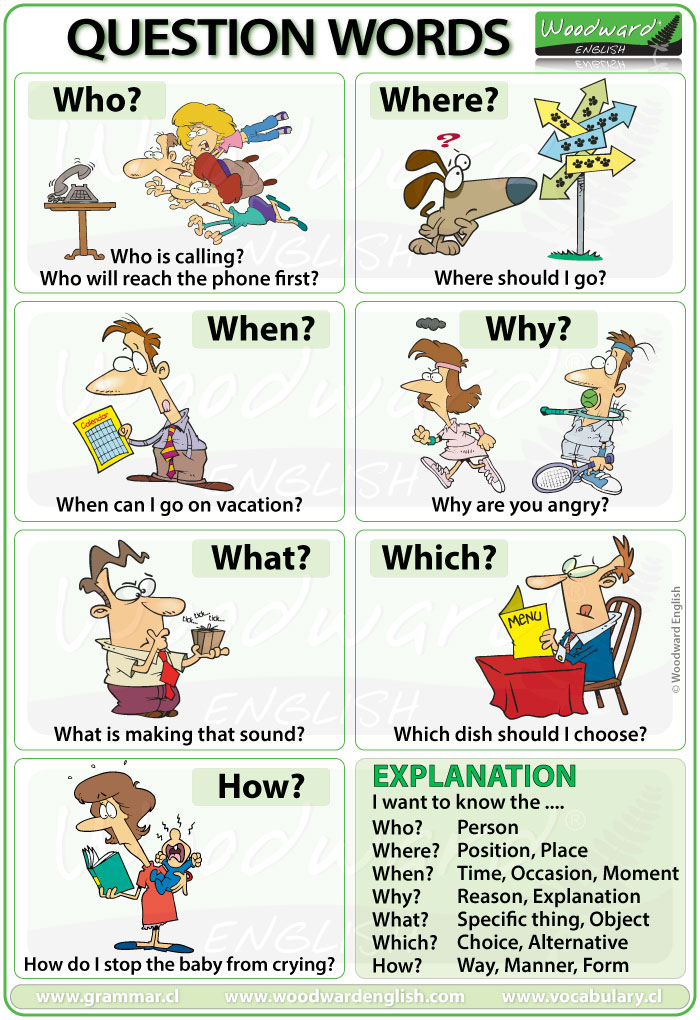
The simple questions of When, Where, Who, What form an interconnected web that defines, refines, and propels a brand forward. They are not isolated inquiries but rather interdependent pillars that, when continuously and thoughtfully addressed, forge a robust and resilient brand strategy. The “what” provides the core, the “who” gives it purpose, the “where” enables its reach, and the “when” ensures its relevance and longevity.
In an era of relentless change, the brands that thrive are those that consistently return to these fundamental questions, using them as a compass to navigate complexity and a lens to gain clarity. By mastering the art of answering When, Where, Who, and What, brands can move beyond tactical execution to build meaningful connections, foster unwavering loyalty, and establish an enduring presence in the hearts and minds of their audience. This iterative process of inquiry and adaptation is not just good practice; it is the essence of building a truly remarkable and sustainable brand.
aViewFromTheCave is a participant in the Amazon Services LLC Associates Program, an affiliate advertising program designed to provide a means for sites to earn advertising fees by advertising and linking to Amazon.com. Amazon, the Amazon logo, AmazonSupply, and the AmazonSupply logo are trademarks of Amazon.com, Inc. or its affiliates. As an Amazon Associate we earn affiliate commissions from qualifying purchases.