
The Intersection of Handwashing Science and Smart Technology
The seemingly simple act of washing hands holds profound implications for public health, a fact underscored by global health organizations. While the core principle remains consistent – soap and friction are paramount – the specific conditions, including water temperature, have often been a subject of debate. From a technological perspective, understanding the scientific consensus on water temperature allows for the development of smart systems that optimize this critical hygiene practice, moving beyond anecdotal beliefs to data-driven efficacy.
Dispelling the Hot Water Myth: What Science Says
For decades, many believed that hot water was essential for effective handwashing, equating higher temperatures with greater germ-killing power. However, extensive scientific research, including studies from the Centers for Disease Control and Prevention (CDC) and the World Health Organization (WHO), has largely debunked this myth. The consensus is that water temperature has a negligible effect on microbial removal compared to the mechanical action of scrubbing with soap. In fact, water hot enough to kill germs on contact would scald human skin.
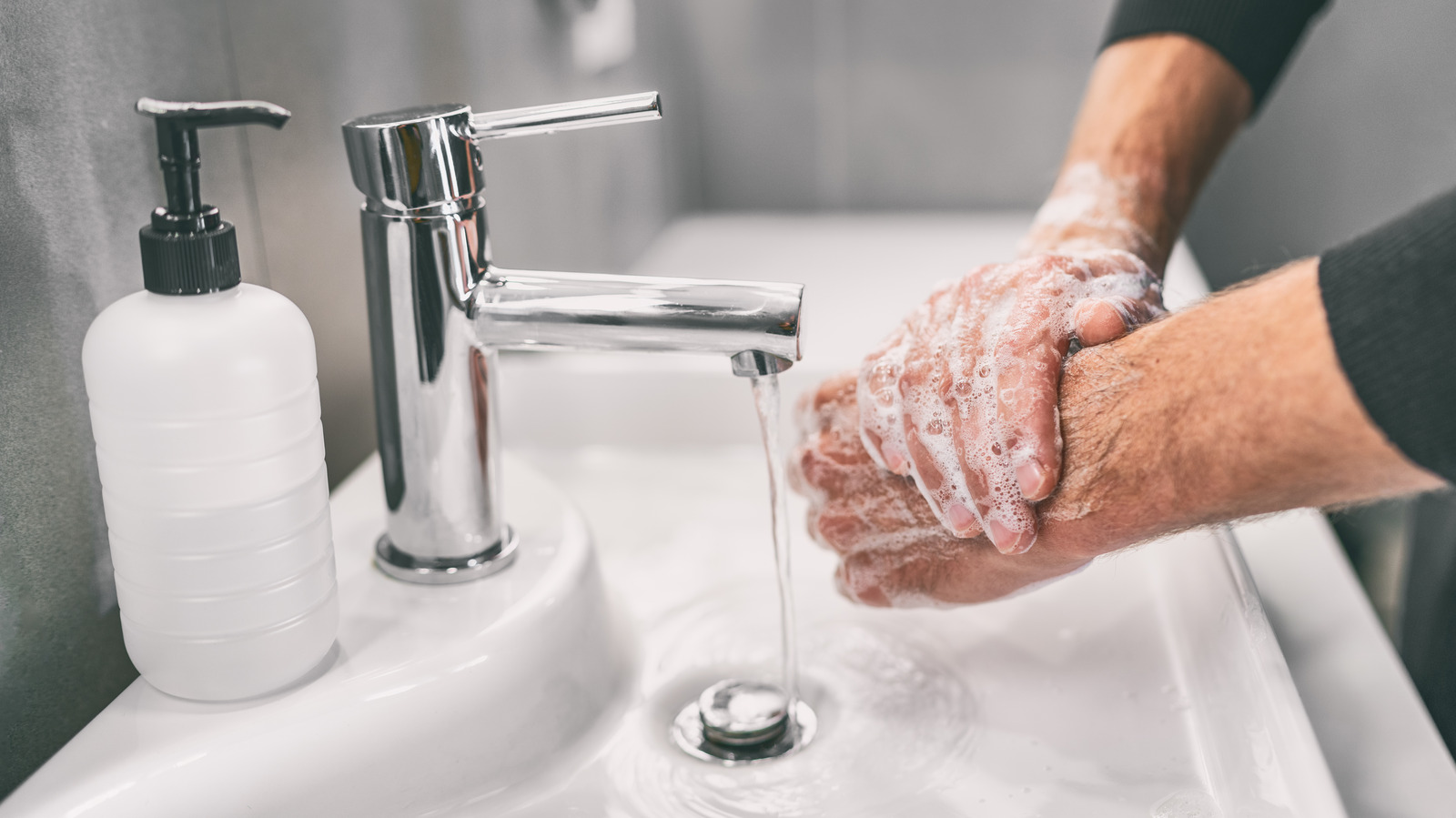
The primary role of water is to aid in lathering soap and rinsing away loosened dirt, debris, and microbes. Lukewarm water, typically between 25°C and 40°C (77°F and 104°F), is generally recommended. This temperature range is comfortable, encouraging people to wash for the recommended 20 seconds, and it is less likely to dry out or irritate the skin, which can lead to cracks that harbor bacteria.
From a technology standpoint, understanding this scientific nuance is crucial. It means that advanced hygiene systems don’t need to prioritize extreme temperatures. Instead, technological solutions can focus on precisely delivering comfortably warm water, ensuring consistent availability, and promoting adherence to the more critical factors of soap application and duration. This insight allows for more energy-efficient designs and user-friendly interfaces in smart sanitation devices.
Overcoming Human Variability with Digital Precision
One of the biggest challenges in promoting effective handwashing is human variability. Individuals have different habits, perceptions of cleanliness, and levels of adherence to recommended protocols. Some may rush the process, others might use too little soap, and many are influenced by personal preferences for water temperature, often leading them to adjust faucets excessively. This inconsistency diminishes the overall efficacy of handwashing as a public health intervention.
Technology offers a powerful solution to this inherent human variability by introducing standardization and precision. Smart handwashing systems can automate or guide users through optimal practices, minimizing the margin for human error. For instance, digitally controlled faucets can dispense water at a pre-set, comfortable lukewarm temperature without manual adjustment, eliminating the waiting time or excessive water usage often associated with finding the “right” heat. Integrated sensors can monitor duration, ensuring the user washes for the full 20 seconds. Automated soap dispensers deliver the correct amount of product, and even real-time feedback mechanisms can prompt users if steps are missed. By leveraging digital precision, these systems transform a variable human action into a consistently effective health measure, making optimal water temperature a default rather than a user choice.
Smart Faucets and IoT: Orchestrating Optimal Hygiene
The advancement of smart home and building technologies, particularly in the realm of Internet of Things (IoT) devices, is revolutionizing how we approach fundamental hygiene practices like handwashing. Smart faucets and integrated sensor networks represent a significant leap forward in ensuring not just convenience, but also precision, consistency, and data-driven insights for optimal water temperature delivery and overall sanitation.
Programmable Temperature Control for Public and Private Spaces
Smart faucets are at the forefront of this revolution, offering programmable temperature control that eliminates guesswork and manual adjustments. These devices can be pre-set to dispense water within the scientifically recommended lukewarm range, ensuring comfort and promoting compliance without requiring users to fiddle with knobs. In public and commercial settings—such as hospitals, restaurants, schools, and offices—this capability is invaluable. It standardizes handwashing protocols across an entire facility, reducing the risk of contamination associated with inconsistent practices. For instance, a hospital can program all its scrub sinks to deliver water at precisely 37°C, ensuring optimal conditions for surgical hand antisepsis.
In residential smart homes, these faucets offer personalized hygiene. Users can create profiles that remember their preferred comfortable temperature, which, critically, can still be constrained within healthy and energy-efficient parameters. Touchless activation further enhances hygiene by minimizing contact with faucet surfaces, while digital displays can provide real-time temperature feedback, reinforcing trust in the system’s precision. The integration with broader smart home ecosystems allows for voice-activated commands or app-based control, offering convenience and accessibility for diverse user needs.
Integrated Sensor Networks for Real-time Monitoring
Beyond individual smart faucets, the true power of IoT lies in integrated sensor networks that can monitor and manage water systems across an entire infrastructure. These networks deploy sensors throughout plumbing systems to track critical parameters like water temperature, flow rates, and usage patterns in real-time. This data is then transmitted to a central hub or cloud-based platform for analysis.
For handwashing protocols, this means facilities managers can gain unprecedented insights. They can verify that water is consistently delivered within the optimal temperature range at every handwashing station. Deviations can trigger immediate alerts, allowing for prompt maintenance before hygiene standards are compromised. For example, if a water heater malfunctions and water temperature drops below the desired lukewarm threshold in a critical area, the system can automatically notify maintenance staff.
Furthermore, these sensor networks contribute to predictive maintenance. By analyzing historical temperature and flow data, the system can identify trends or anomalies that might indicate impending equipment failure in water heaters or pipes. This proactive approach minimizes downtime, ensures continuous adherence to hygiene standards, and extends the lifespan of infrastructure components, all while supporting precise temperature delivery for handwashing.
Driving Efficiency and Sustainability through Temperature Management
While the primary focus of water temperature in handwashing is hygiene, the mechanisms for controlling and delivering that temperature have significant implications for energy consumption and environmental sustainability. Smart technology plays a pivotal role in optimizing water heating, ensuring that optimal hygiene standards are met without undue energy waste or financial burden.
The Energy Footprint of Water Heating

Heating water is one of the most energy-intensive processes in both residential and commercial buildings. Conventional water heating systems often operate inefficiently, maintaining large quantities of water at high temperatures unnecessarily or heating water beyond what is required for hygiene purposes. This constant demand for energy contributes substantially to utility bills and greenhouse gas emissions. When handwashing protocols prioritize excessively hot water based on outdated beliefs, the energy demand escalates even further.
Smart temperature management systems directly address this challenge. Technologies like smart thermostats for water heaters, demand-response water heating, and tankless (on-demand) water heaters integrated with smart controls, allow for precise control over when and how much water is heated. Instead of maintaining a fixed high temperature 24/7, these systems can learn usage patterns, anticipate demand, and only heat water to the target lukewarm temperature when needed. AI-driven scheduling can even factor in external data, such as electricity prices or building occupancy, to optimize heating cycles, ensuring comfort for handwashing while minimizing energy expenditure. By leveraging these technologies, organizations and homeowners can significantly reduce their energy footprint, aligning hygiene practices with broader sustainability goals.
Cost-Benefit Analysis of Smart Water Systems
Implementing smart water temperature management systems for handwashing involves an initial investment, but a comprehensive cost-benefit analysis often reveals substantial long-term savings and operational advantages. The primary financial benefit stems from reduced energy consumption. By preventing the unnecessary heating of water and ensuring temperatures are set only to the optimal lukewarm range, energy bills can see significant reductions. Smart leak detection, often integrated with these systems, also prevents costly water damage and wastage.
Beyond energy, smart systems contribute to operational efficiency. Automated temperature control reduces the need for manual adjustments and troubleshooting, freeing up staff time in commercial settings. Predictive maintenance capabilities, informed by sensor data, help avoid expensive emergency repairs and extend the life of equipment, converting reactive maintenance into planned, cost-effective interventions. For businesses, compliance with health regulations regarding water temperature (e.g., preventing Legionella growth in plumbing systems by maintaining minimum temperatures in some parts of the system, while ensuring safe lukewarm delivery at the tap) becomes easier and less resource-intensive to monitor and report.
The intangible benefits also add value. Consistent water temperature delivery enhances user comfort and satisfaction, promoting better handwashing adherence. This, in turn, can lead to reduced illness transmission in workplaces or public spaces, resulting in fewer sick days and improved productivity. Thus, the initial investment in smart water systems, while significant, yields returns in energy savings, operational efficiency, compliance assurance, and enhanced public health outcomes.
Digital Tools and AI for Enhanced Handwashing Protocols
The synergy between digital tools and artificial intelligence (AI) is creating new frontiers in hygiene management, moving beyond basic water temperature delivery to comprehensive handwashing protocol enforcement, education, and analysis. These technologies are crucial for bridging the gap between recommended practices and real-world execution.
Handwashing Apps and Augmented Reality Guidance
The ubiquity of smartphones has paved the way for innovative handwashing applications designed to educate and guide users. These apps typically incorporate timers to ensure the recommended 20-second duration is met, often playing engaging music or providing visual cues. Crucially, they also reinforce the message about optimal water temperature, advising users on the benefits of lukewarm water for comfort and effectiveness, rather than excessively hot water. Some apps even integrate with smart faucets or IoT sensors to provide real-time feedback on water usage and temperature.
A more advanced application is the use of Augmented Reality (AR) to enhance handwashing technique. AR overlays, delivered via a smartphone camera or a smart mirror, can provide visual guidance on proper soap coverage and scrubbing motions. Imagine an AR app demonstrating how to rub palms, interlace fingers, and clean thumbs, all while a virtual timer counts down. This visual, interactive feedback helps users perfect their technique, ensuring that the mechanical action—which is far more critical than water temperature—is performed effectively. By making the process engaging and instructive, these digital tools dramatically improve adherence and understanding of comprehensive hand hygiene.
AI-Powered Auditing and Feedback Systems
Beyond individual guidance, AI is being deployed to monitor and improve handwashing compliance at scale, particularly in high-stakes environments like healthcare, food service, and public facilities. AI-powered computer vision systems, using strategically placed cameras (anonymized for privacy), can observe handwashing stations. These systems can analyze real-time video feeds to detect if an individual approaches the sink, uses soap, performs the necessary scrubbing motions, and washes for an adequate duration. They can also subtly monitor water usage patterns, identifying if water is run excessively while waiting for temperature adjustment, or if it’s consistently dispensed at the appropriate lukewarm setting.
When non-compliance or deviations from protocol are detected, the AI system can provide immediate, discreet feedback—either directly to the individual via a display screen, or to facility management for intervention and training. For example, if a staff member consistently skips a step or washes for too short a period, the AI can flag this. Aggregated data from these systems allows facility managers to identify training gaps, common areas of non-compliance, and even predict potential outbreaks by correlating hand hygiene data with infection rates. This AI-powered auditing capability transforms hygiene oversight from a sporadic, labor-intensive task into a continuous, data-driven process, ensuring that the critical interplay of water, soap, and friction is consistently optimized.
The Future of Hygienic Automation and Personalization
The trajectory of technology points towards increasingly integrated and personalized hygiene solutions. As smart ecosystems become more sophisticated, the act of handwashing—including precise water temperature management—will evolve from a conscious effort into an automated, seamless, and highly customized experience.
Predictive Hygiene Ecosystems
The next generation of hygiene technology will likely involve predictive hygiene ecosystems. Imagine a scenario where your smart home or workplace learns your routine, monitors environmental factors, and even integrates with personal health data from wearables. If your smartwatch detects you’ve been in a high-contact environment, or if public health alerts indicate elevated risk, your smart handwashing station could proactively prepare. This might involve setting the ideal lukewarm water temperature, queuing a voice reminder, or even preparing a specific type of soap.
In commercial settings, AI could predict peak usage times for restrooms or cafeterias and pre-adjust water heater settings to ensure an uninterrupted supply of perfectly tempered water for handwashing, preventing temperature fluctuations during busy periods. Predictive analytics will move beyond just detecting current non-compliance to anticipating future needs and risks, offering a truly proactive approach to public health and personal hygiene management. This advanced integration ensures that optimal water temperature and handwashing protocols are not just reactive measures but an integral, anticipatory part of our daily lives.
Customization and User Experience in Smart Sanitation
The future of smart sanitation also emphasizes deep customization and an enhanced user experience. Multi-user smart faucets will move beyond generic settings to offer personalized hygiene profiles. Each user, upon approaching a smart sink, could be recognized via facial recognition, a linked wearable, or even a simple voice command. The system would then automatically adjust the water temperature to their preferred comfortable lukewarm setting, dispense their chosen soap type, and even activate a personalized timer display. This level of personalization drastically improves comfort and adherence, especially in shared living spaces or family homes.
Voice-activated controls will become standard, making the entire handwashing process touchless and highly accessible for individuals with mobility challenges. Imagine simply saying, “Alexa, wash my hands,” and the smart faucet dispenses water at your ideal temperature, followed by the perfect amount of soap, and then guides you through the 20-second wash with audio prompts. This fusion of AI, IoT, and user-centric design transforms handwashing from a chore into an intuitive, personalized, and highly effective part of a broader smart living experience, with optimal water temperature being a key, seamlessly managed parameter.
aViewFromTheCave is a participant in the Amazon Services LLC Associates Program, an affiliate advertising program designed to provide a means for sites to earn advertising fees by advertising and linking to Amazon.com. Amazon, the Amazon logo, AmazonSupply, and the AmazonSupply logo are trademarks of Amazon.com, Inc. or its affiliates. As an Amazon Associate we earn affiliate commissions from qualifying purchases.