
The question of “when was the Progressive Era” typically leads one to the history books of the United States, specifically the period between the 1890s and the 1920s. However, from a technological standpoint, this era represents much more than a political movement; it was the crucible of the modern technical landscape. To understand the Progressive Era is to understand the birth of the Second Industrial Revolution—a time when the shift from manual labor to machine-driven automation began to mirror the digital transformation we are experiencing today.
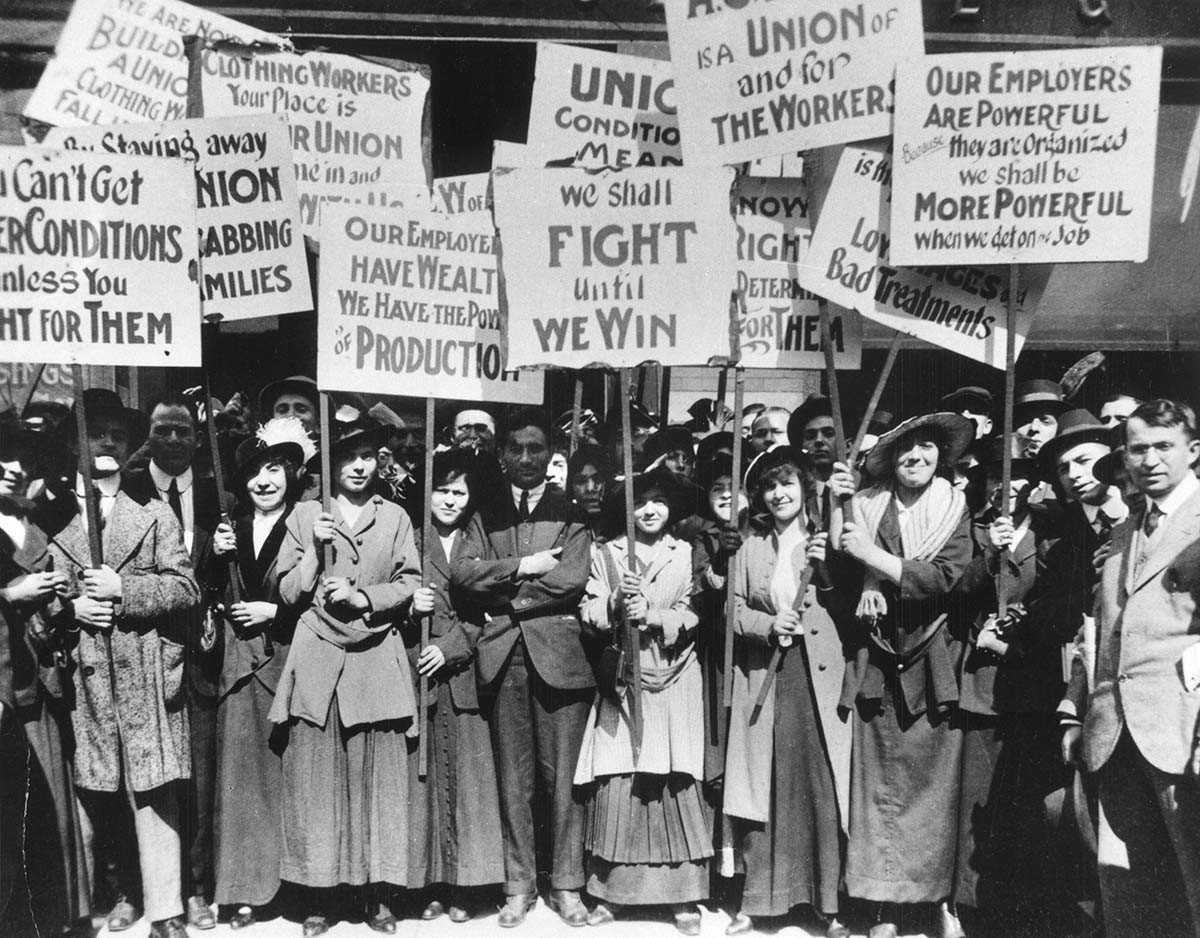
In the tech industry, we often speak of “disruption” and “innovation” as if they are modern inventions. In reality, the Progressive Era was the original age of disruption. It was during these three decades that the infrastructure for the 20th and 21st centuries was laid, from the widespread adoption of electricity to the birth of mass production. Today, as we stand on the precipice of a “New Progressive Era” fueled by Artificial Intelligence and decentralized systems, looking back at the timeline of 1890–1920 provides a vital roadmap for where technology is heading next.
The Historical Timeline: 1890 to 1920 as the Genesis of Modern Tech
When we pinpoint the years of the Progressive Era, we are looking at a period of unprecedented acceleration in engineering and applied science. This was the era that transitioned the world from the “Age of Steam” into the “Age of Electricity and Internal Combustion.”
The Shift from Steam to Electricity
Before the 1890s, power was localized. Factories had to be built near water sources or rely on cumbersome steam engines. The Progressive Era saw the “war of currents” between Edison and Westinghouse reach its conclusion, leading to the electrification of urban centers. This was the first “platform” shift. Much like the transition from on-premise servers to the Cloud, electricity allowed for the decoupling of power from the location of production. It enabled the miniaturization of motors and the birth of household appliances—the “gadgets” of their day.
Mass Production and the Assembly Line
If we look at the year 1913, we find a pivotal moment in the Progressive Era: Henry Ford’s implementation of the moving assembly line. This was the early 20th-century version of an automated CI/CD (Continuous Integration/Continuous Deployment) pipeline. By breaking down complex tasks into repeatable, machine-assisted steps, Ford didn’t just build cars; he pioneered the logic of “optimization” that governs every software development lifecycle today. The Progressive Era taught the world that throughput and efficiency were the primary metrics of success.
Communication Breakthroughs: The Telephone and Radio
The Progressive Era also redefined “connectivity.” While the telegraph existed previously, the refinement of the telephone and the birth of commercial radio occurred during this window. This period saw the first real-time data networks. By the 1920s, the world was becoming a global village, setting the stage for the telecommunications infrastructure that would eventually host the internet. Understanding the “when” of the Progressive Era allows tech enthusiasts to see the roots of our current hyper-connected state.
The Second Progressive Era: The Digital Revolution and the Information Age
While the traditional Progressive Era ended with the onset of the 1920s, many tech historians argue that we entered a “Second Progressive Era” during the late 20th century. This period, roughly from 1970 to 2010, mirrored the original in its rapid reform of how society processes information and interacts with technology.
The Rise of Silicon and Software (1970s–2000s)
Just as the original era was defined by the transition to electricity, the Second Progressive Era was defined by the transition to silicon. The invention of the microprocessor in the early 70s served as the “internal combustion engine” of the digital age. It allowed for the decentralization of computing power, moving it from massive mainframes into the hands of individuals. This era saw the birth of the Personal Computer, the Graphical User Interface (GUI), and eventually, the mobile revolution.
The Internet as a Social Reform Tool
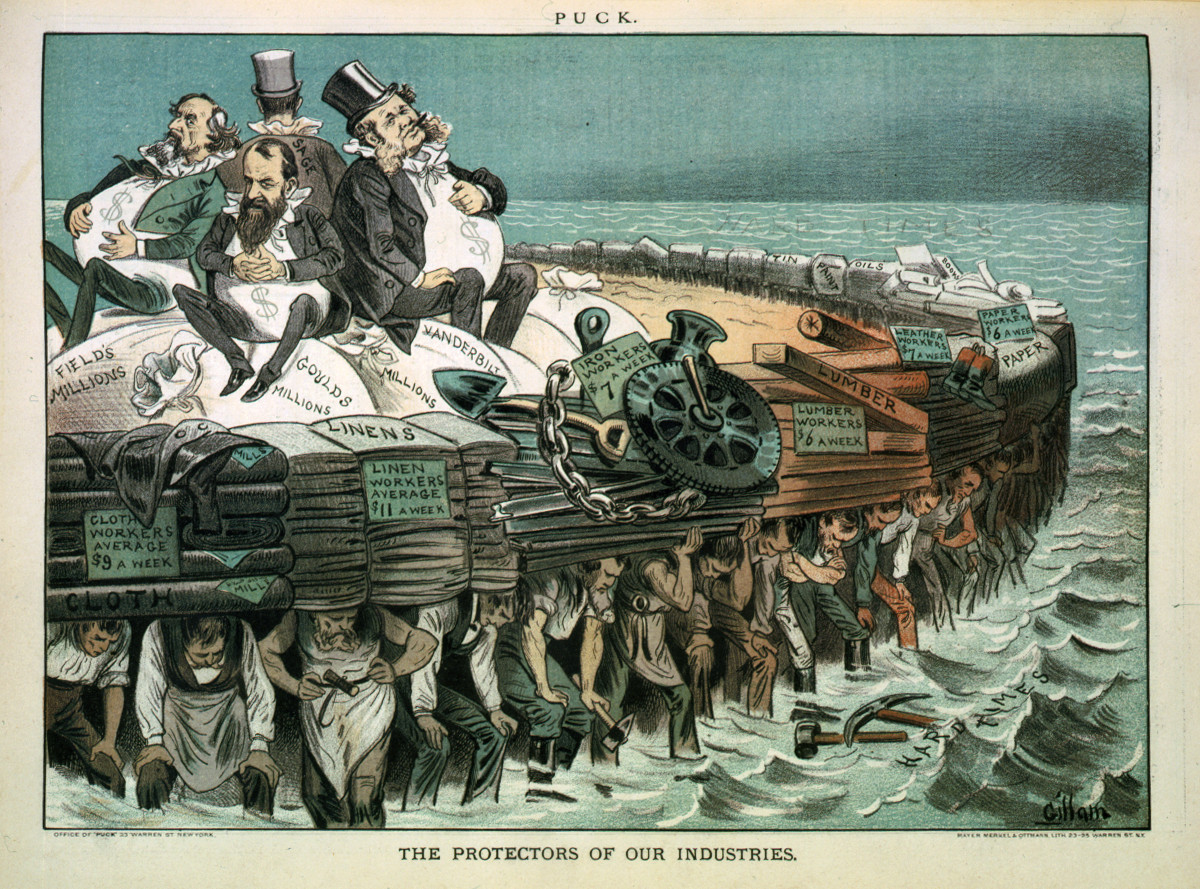
One of the hallmarks of the original Progressive Era was “muckraking”—journalists using new media to expose corruption and demand reform. In the Digital Progressive Era, the internet took over this role. Social media platforms and blogs democratized the flow of information, allowing for transparency on a scale never before seen. The technology itself became a tool for social engineering, much like the legislative reforms of the early 1900s.
Data as the New Oil
During the first Progressive Era, the world’s economy shifted to rely on oil and steel. In the second, it shifted to data. The development of sophisticated databases, search engines like Google, and the initial forays into “Big Data” transformed how companies operated. We moved from selling physical goods to selling services and access—a shift that defined the SaaS (Software as a Service) models we use today.
The AI Frontier: Entering the Third Progressive Era
As we look at the current landscape, many analysts believe we are entering a “Third Progressive Era.” This new phase is characterized by the convergence of AI, biotechnology, and the “Internet of Things” (IoT). If the first era was about physical power and the second was about information access, this third era is about intelligence and automation.
Machine Learning and the Automation of Thought
We are currently witnessing a shift where technology is no longer just a tool we use, but a collaborator we consult. Large Language Models (LLMs) and Generative AI represent the latest “assembly line” of the mind. Just as the Progressive Era of 1900 automated physical tasks, the current era is automating cognitive tasks. This has profound implications for software development, where AI-assisted coding is becoming the standard, significantly reducing the “time to market” for new technological tools.
Ethical Tech: Readdressing Reform in the 21st Century
The original Progressive Era was defined by the “Square Deal” and trust-busting—efforts to ensure that technology and industry served the public good rather than just a few monopolies. Today, we see a parallel movement in “Ethical AI” and “Responsible Tech.” As AI grows more powerful, the call for transparency, bias mitigation, and data sovereignty has become the modern equivalent of the labor reforms and anti-monopoly laws of 1910.
The Role of Digital Security and Privacy
In the early 1900s, “security” meant workplace safety and consumer protection for food and drugs. In our modern Progressive Era, security is digital. Cybersecurity has evolved from a niche IT concern to a fundamental pillar of global stability. As we integrate tech into our very homes and bodies (via wearables and IoT), the “reform” of this era centers on encryption, zero-trust architecture, and the right to digital privacy.
Why Understanding the Timeline Matters for Future Tech Trends
Knowing when the Progressive Era occurred—and recognizing the patterns it established—is essential for anyone working in tech, from developers to CTOs. Technology does not exist in a vacuum; it follows cycles of rapid expansion followed by periods of consolidation and reform.
Predicting the Next Epoch
By analyzing the 30-year window of the original Progressive Era (1890–1920), we can see that we are currently about midway through our own technological upheaval. If the “Digital Era” began in earnest with the internet boom of the late 90s, we can expect the current period of AI-driven “Progressivism” to reach its peak in the late 2020s or early 2030s. This suggests that the next decade will be the most transformative in terms of how we integrate software into daily life.

The Intersection of Hardware and Human Experience
The Progressive Era proved that technology is only as successful as its adoption by the masses. The telephone was a curiosity until it became a utility. The same can be said for modern tech like Blockchain or VR. We are currently in the “utility phase,” where the novelty of these technologies is wearing off, and the focus is shifting toward how they can solve real-world problems. The lesson from the 1900s is clear: the winners of the tech race are those who build the infrastructure that becomes invisible because it is so essential.
In conclusion, the question “when was the Progressive Era” serves as a reminder that we are part of a long lineage of innovators. From the first electric grids of the 1890s to the neural networks of the 2020s, the spirit of the era remains the same: using technology to push the boundaries of what is possible, while simultaneously grappling with the social and ethical responsibilities that come with such power. As we continue to navigate this “Third Progressive Era,” the focus remains on building software, gadgets, and tools that do more than just function—they progress the human condition.
aViewFromTheCave is a participant in the Amazon Services LLC Associates Program, an affiliate advertising program designed to provide a means for sites to earn advertising fees by advertising and linking to Amazon.com. Amazon, the Amazon logo, AmazonSupply, and the AmazonSupply logo are trademarks of Amazon.com, Inc. or its affiliates. As an Amazon Associate we earn affiliate commissions from qualifying purchases.