
In the annals of automotive history, few names resonate with the revolutionary fervor and technological disruption quite like Tesla. From its sleek, high-performance electric vehicles to its audacious vision for sustainable energy, Tesla has indelibly shaped the discourse around transportation and energy independence. Yet, amidst the discussions of Autopilot, Gigafactories, and the latest Model releases, a fundamental question often arises: “When was the first Tesla made?” This seemingly simple query unlocks a deeper narrative of technological pioneering, engineering ingenuity, and the relentless pursuit of an electric future. It’s a story not just about a car, but about the foundational technological breakthroughs that paved the way for an entire industry shift.

The Formative Years: Laying the Groundwork for a Revolution
The genesis of Tesla Motors was not a sudden burst of inspiration but rather a confluence of visionary thinking and a recognition of technological readiness. Long before the company became a household name synonymous with electric luxury, a dedicated group of engineers and entrepreneurs began to piece together the blueprint for an electric vehicle manufacturer fundamentally different from the incumbents.
Origins and Early Visionaries
The story truly begins in July 2003, when Martin Eberhard and Marc Tarpenning officially incorporated Tesla Motors. Their initial vision was to build a sports car around an AC motor, leveraging advancements in battery technology that had previously been confined to laptops and portable electronics. They believed that a high-performance electric vehicle could not only compete with gasoline-powered counterparts but also surpass them in terms of acceleration and driving dynamics, proving that electric cars didn’t have to be slow or unappealing.
Soon after, Ian Wright joined the nascent team, followed by J.B. Straubel, whose expertise in electrical engineering and battery systems proved crucial. Straubel’s early work on powertrain development and battery design laid critical technological foundations. The pivotal moment arrived with the early investment from Elon Musk in February 2004. Musk, who had already demonstrated a knack for disruptive technology with PayPal and SpaceX, became chairman of the board and provided not just capital but also an ambitious technological roadmap and a significant engineering drive. His vision extended beyond merely creating an electric car; he aimed to accelerate the world’s transition to sustainable energy. The combined technical acumen and entrepreneurial spirit of these individuals formed the bedrock upon which Tesla’s initial technological ventures would be built. They weren’t just thinking about building a car; they were conceptualizing a new kind of vehicle with advanced propulsion, energy storage, and software integration at its core.
The Birth of Tesla Motors
Officially founded on July 1, 2003, in San Carlos, California, Tesla Motors set out with a clear, albeit audacious, technological objective: to commercialize electric vehicles, starting with premium models and then moving into more affordable mass-market segments. The founders understood that for electric vehicles to gain widespread acceptance, they needed to overcome several significant technological hurdles. Range anxiety, performance limitations, and lengthy charging times were perceived weaknesses that Tesla aimed to address through innovative engineering.
Their strategy involved a “top-down” approach to product development. By starting with a high-performance, high-price vehicle, Tesla could fund research and development for more affordable models while simultaneously showcasing the technological superiority and excitement of electric powertrains. This approach was deeply rooted in a belief in the power of iterative technological improvement and the idea that cutting-edge innovation could slowly trickle down to wider applications. The first step in this grand technological experiment was the Tesla Roadster.
The Genesis of the Roadster: Tesla’s Inaugural Technological Marvel
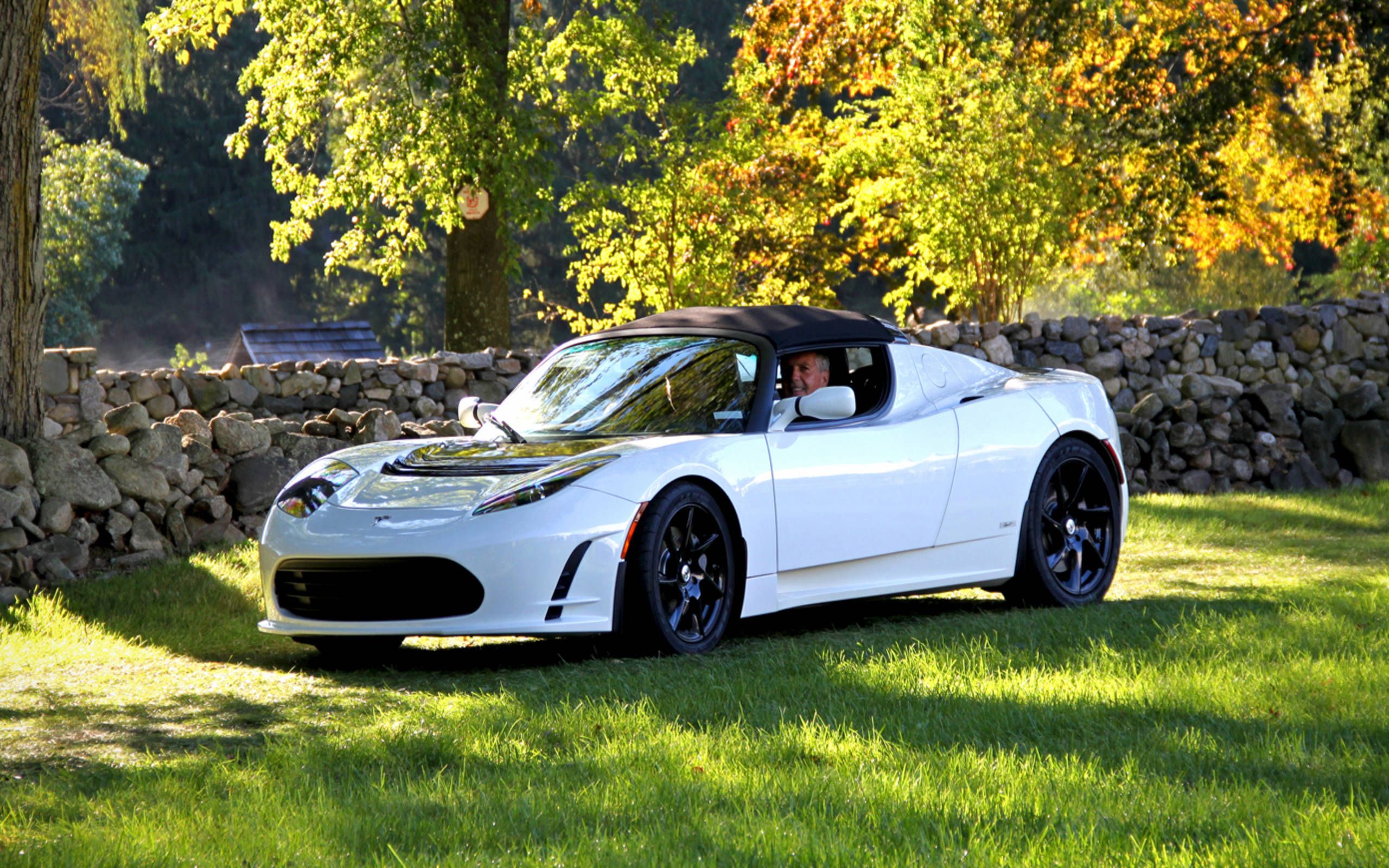
The Tesla Roadster was more than just a car; it was a proof of concept, a defiant statement that electric vehicles could be exhilarating, practical, and technologically advanced. Its creation involved a unique blend of existing architecture and groundbreaking proprietary electric vehicle (EV) technology.
The Lotus Connection and Engineering Challenges
To expedite development and manage costs, Tesla decided to base its first vehicle on an existing lightweight sports car platform: the Lotus Elise. This decision allowed Tesla to focus its engineering resources primarily on the electric powertrain, battery system, and control software, rather than designing an entirely new chassis from scratch. However, simply dropping an electric motor into an Elise frame was far from sufficient. Tesla embarked on a monumental engineering challenge to transform the combustion-engine sports car into a high-performance electric vehicle.
This transformation involved significant structural modifications, weight redistribution to accommodate the massive battery pack, and the integration of entirely new suspension and braking systems designed for the unique dynamics of an EV. The core of Tesla’s innovation lay not in the body, but in what powered it and how that power was managed. It was a complex systems integration problem, demanding novel solutions in thermal management, power electronics, and user interface design. Every component, from the charging port to the driver display, had to be reimagined for an electric future.
Battery Technology and Powertrain Innovation
The true technological heart of the Roadster was its revolutionary battery pack. Unlike large, custom-designed battery cells typically found in other early EVs, Tesla opted for an array of nearly 6,831 off-the-shelf 18650 lithium-ion cells, similar to those used in laptops. This choice was audacious for several reasons: it offered higher energy density than other available EV battery technologies at the time, and by leveraging mass-produced cells, it offered a pathway to scalability and cost reduction.
However, managing such a large array of individual cells presented immense engineering challenges. Tesla developed an advanced Battery Management System (BMS) that meticulously monitored each cell for voltage, temperature, and current flow. This sophisticated software and hardware system was crucial for ensuring safety, maximizing battery life, and optimizing performance. The BMS was a critical technological differentiator, preventing overheating, overcharging, and deep discharge, which could degrade or destroy the battery pack.
Alongside the battery, Tesla developed its proprietary AC induction motor, capable of delivering instant torque and high efficiency. The integration of this motor with the battery pack, power electronics (inverters), and sophisticated software controls allowed the Roadster to achieve supercar-level acceleration (0-60 mph in under 4 seconds) and a significant range (over 200 miles on a single charge), effectively shattering the prevailing stereotypes about electric vehicle performance. This combination of innovative battery architecture, intelligent BMS, and a powerful electric motor was the technological bedrock that truly made the Roadster a groundbreaking vehicle.
From Concept to Production: The First Roadster Rolls Out
After years of intense research, development, and rigorous testing, the first production Tesla Roadster was officially delivered to its first customer, Elon Musk, on February 1, 2008. This date marks the definitive answer to “when was the first Tesla made” in the context of a customer-ready, mass-produced (albeit limited) vehicle. The car was not just a prototype; it was a fully functional, legally compliant, and high-performance electric vehicle ready for the road.
The delivery of the Roadster was a monumental achievement, signaling a paradigm shift in the automotive world. It demonstrated that a startup company, fueled by a commitment to advanced technology and sustainable energy, could not only compete with established automotive giants but also innovate beyond them. The Roadster was a technological tour de force, showcasing what was possible when silicon valley engineering principles were applied to the automotive industry. It proved that electric cars could be fast, fun, and have a viable range, laying the crucial technological groundwork for Tesla’s subsequent, more ambitious projects.
Beyond the Roadster: Paving the Way for Mass-Market EVs
The Roadster was a critical first step, but Tesla’s overarching technological vision extended far beyond a niche sports car. The lessons learned and the technologies refined during the Roadster’s development proved invaluable for the company’s ambitious pivot towards mainstream electric vehicles.
Learning and Iterating: Technological Advancements from the Roadster
The Roadster served as a crucial learning platform. The challenges encountered in manufacturing, battery thermal management, software bugs, and supply chain complexities provided invaluable data and experience. Tesla’s engineering teams meticulously analyzed every aspect of the Roadster’s performance and reliability, feeding those insights back into the design and development of its next generation of vehicles.
Key technological advancements stemming directly from the Roadster era included refining battery chemistry for improved longevity and energy density, developing more robust and scalable manufacturing processes for electric powertrains, and significantly enhancing the sophistication of the vehicle’s software architecture. The Roadster’s architecture, while groundbreaking, was still reliant on some external components. For its next vehicle, the Model S, Tesla aimed for an even higher degree of vertical integration, designing most of the car’s core technology in-house, from the ground up. This shift represented a deep commitment to controlling the entire technological stack, from chip to car.
Expanding the Tech Portfolio: Supercharging and Autopilot
As Tesla moved from the Roadster to the Model S, it didn’t just scale its existing technology; it expanded its technological ecosystem. Two critical innovations that emerged in the years following the Roadster’s debut were the Supercharger network and Autopilot.
The Supercharger network, launched in 2012, addressed the critical issue of long-distance travel for EVs. By designing and deploying proprietary high-speed DC charging stations, Tesla created a seamless charging experience that significantly mitigated range anxiety. This was not just a hardware deployment; it involved sophisticated energy management software, grid integration technologies, and a user interface that made charging effortless, all reinforcing Tesla’s comprehensive technological approach to EV adoption.
Concurrently, Tesla began to introduce advanced driver-assistance systems (ADAS) under the banner of Autopilot. Initially launched in 2014, Autopilot marked Tesla’s entry into the realm of artificial intelligence and machine learning in automotive applications. Through a combination of cameras, ultrasonic sensors, and radar (and later, relying primarily on cameras), coupled with powerful onboard computing and sophisticated algorithms, Autopilot offered features like adaptive cruise control, lane keeping, and automatic lane changes. This represented a profound technological leap, setting Tesla apart as a leader in autonomous driving capabilities and highlighting its software-centric approach to vehicle development. These advancements showcased that Tesla was not merely building electric cars but rather creating intelligent, connected, and continuously improving technological platforms.
Tesla’s Enduring Technological Legacy
The journey from the first Roadster to Tesla’s current lineup of vehicles illustrates a relentless pursuit of technological excellence and a profound impact on the global automotive landscape. The question of “when was the first Tesla made” thus becomes a marker for the beginning of a true technological revolution.
Impact on the Automotive Industry
The Roadster, and indeed Tesla as a whole, forced the established automotive industry to reckon with the viability and desirability of electric vehicles. Before Tesla, EVs were largely seen as niche, underperforming, or economically unfeasible. Tesla’s technological prowess, particularly in battery density, electric powertrain efficiency, and software integration, demonstrated that EVs could be high-performance, luxurious, and practical. This spurred traditional automakers to accelerate their own EV programs, investing billions into electric platforms, battery research, and charging infrastructure. Tesla’s technological innovations created a ripple effect, fostering competition and significantly hastening the global transition away from internal combustion engines. Its pioneering work in over-the-air software updates also set a new standard for vehicle functionality and customer experience, turning cars into continuously improving technological devices.
The Future of Tesla Technology
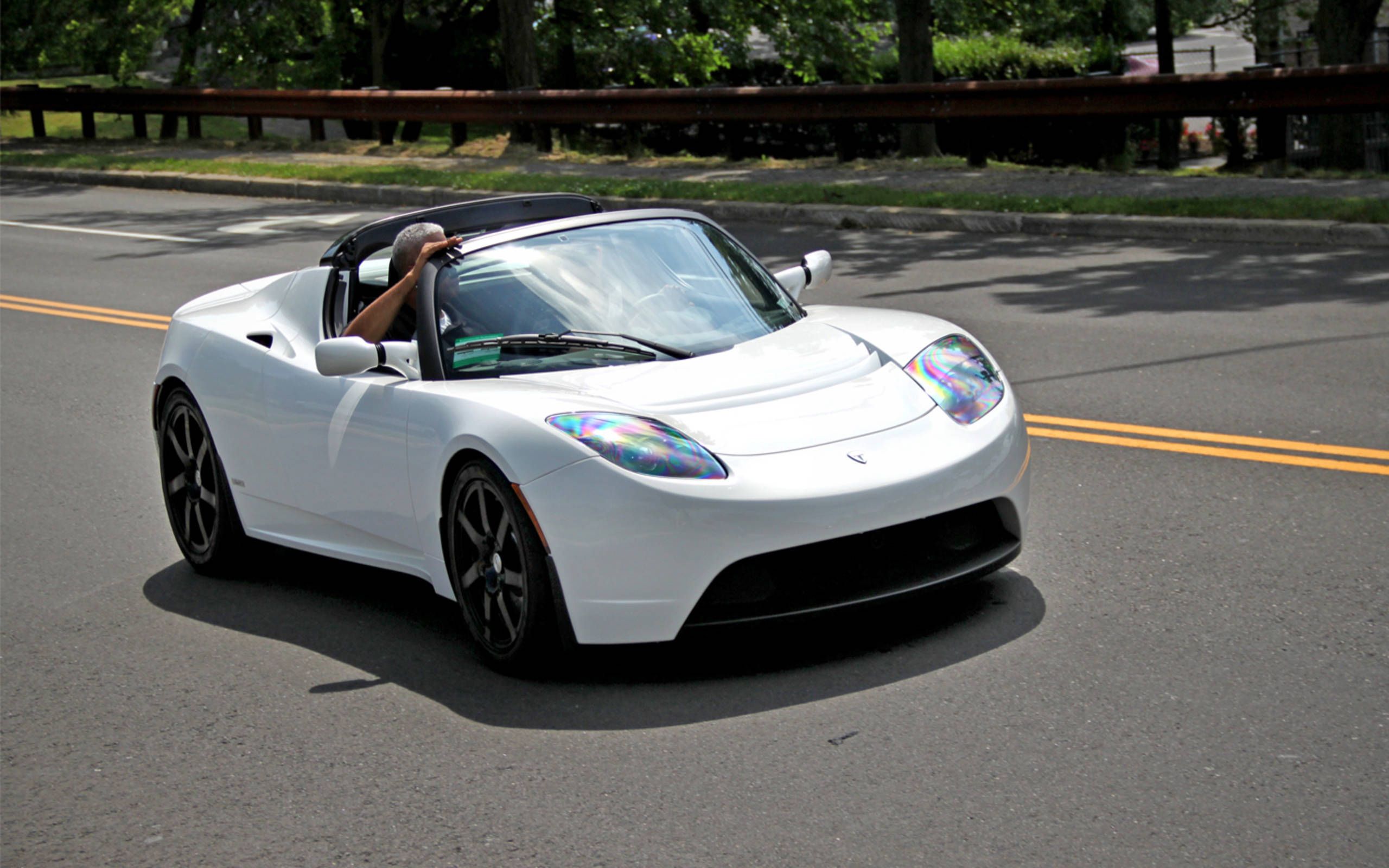
Tesla continues to push the boundaries of automotive technology. From the development of its own AI chips for full self-driving (FSD) capabilities to advancements in battery cell chemistry (like the 4680 cell), and the pioneering of giga-casting manufacturing techniques, the company remains at the forefront of innovation. Its vision extends beyond just electric cars to integrated energy solutions, robotics, and artificial intelligence, cementing its identity as a diversified technology company. The first Tesla, the Roadster, was a formidable technological statement. It wasn’t just a car; it was the audacious spark that ignited a new era of automotive technology, proving that innovation, when coupled with an unwavering vision, could redefine an entire industry and accelerate humanity’s path toward a sustainable future.
In conclusion, while the precise moment of its founding was July 1, 2003, the “first Tesla made” as a commercially available electric vehicle, the Roadster, was delivered on February 1, 2008. This date represents a pivotal moment in technological history, marking the successful culmination of years of intense engineering and the dawn of a new era for electric vehicle innovation. It was the moment Tesla solidified its position not just as an automaker, but as a technological pioneer irrevocably changing the future of transport.
aViewFromTheCave is a participant in the Amazon Services LLC Associates Program, an affiliate advertising program designed to provide a means for sites to earn advertising fees by advertising and linking to Amazon.com. Amazon, the Amazon logo, AmazonSupply, and the AmazonSupply logo are trademarks of Amazon.com, Inc. or its affiliates. As an Amazon Associate we earn affiliate commissions from qualifying purchases.