
The question of when Tesla was “released” is more complex than a single date on a calendar. To understand the release of Tesla is to understand the rollout of a brand strategy that redefined an entire industry. While the company was officially incorporated in 2003, its entry into the public consciousness occurred in waves—first as a niche experiment for Silicon Valley elites, then as a luxury disruptor, and finally as a mass-market powerhouse.
By examining the timeline of Tesla’s various releases, we can uncover a masterclass in brand strategy, corporate identity, and market positioning. Tesla did not just release a car; it released a new philosophy of transportation.

The 2003 Inception: Releasing a New Paradigm in Automotive Branding
Tesla Motors was officially incorporated on July 1, 2003, by Martin Eberhard and Marc Tarpenning. This was the initial “release” of the corporate entity. Unlike the established giants of Detroit or Germany, Tesla was born not in a factory, but in the heart of Silicon Valley. This geographical origin was the first building block of its brand identity: Tesla was to be a tech company that happened to make cars, rather than a car company trying to integrate tech.
The Founders and the Identity Gap
In the early 2000s, electric vehicles (EVs) suffered from a significant branding problem. They were perceived as slow, unattractive “golf carts” intended for environmentalists willing to sacrifice style for sustainability. The release of Tesla as a brand aimed to bridge this identity gap. Eberhard and Tarpenning realized that to change the world, they first had to change the brand perception of electric power.
Defining the Early Mission Statement
Elon Musk joined the company in 2004 as the lead investor and Chairman of the Board. His involvement accelerated the brand’s pivot toward a more aggressive, high-stakes identity. The mission was released to the public early on: to accelerate the world’s transition to sustainable energy. By framing the company’s purpose around a global transition rather than just manufacturing vehicles, Tesla established a high-purpose brand identity that attracted top-tier talent and venture capital long before a single production car hit the road.
The Roadmap to Market Entry: The 2008 Roadster Release
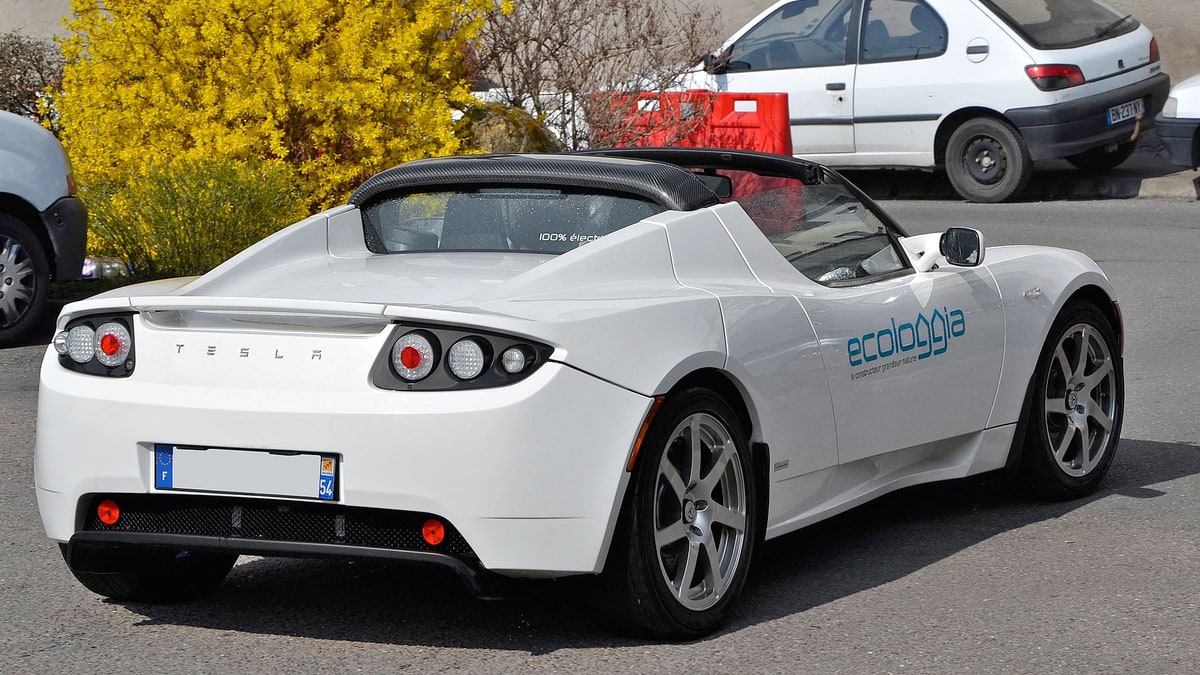
If 2003 was the birth of the company, 2008 was the year the Tesla brand was truly released to the world. The Tesla Roadster was the vehicle that proved the brand’s core thesis: that an electric car could be faster and more desirable than a gasoline-powered equivalent.
The “Secret Master Plan” as Brand Strategy
In August 2006, Elon Musk published a blog post titled “The Secret Tesla Motors Master Plan (just between you and me).” This was a pivotal moment in brand transparency and storytelling. The plan outlined four clear steps:
-
Build a sports car.
-
Use that money to build an affordable car.
-
Use that money to build an even more affordable car.
-
While doing above, also provide zero-emission electric power generation options.
This plan was released to the public to build trust and long-term brand loyalty. It invited consumers to be part of a decade-long journey, creating an aspirational narrative that few other brands could match.
Luxury as a Proof of Concept
The 2008 Roadster was not meant for the masses. With a price tag exceeding $100,000, it was a low-volume, high-margin product. From a branding perspective, this was a deliberate move to position Tesla as a premium, cutting-edge marque. By releasing the Roadster first, Tesla successfully associated “Electric” with “Elite.” The car’s performance—0 to 60 mph in under 4 seconds—shattered the “golf cart” stereotype and established Tesla’s reputation for engineering excellence.
2012: The Release of the Model S and the Birth of a Modern Icon
While the Roadster proved the technology, the release of the Model S in June 2012 marked Tesla’s transition into a legitimate automotive manufacturer. This was the moment the Tesla brand identity became synonymous with “the future.”
Shifting from Niche to Mainstream Luxury
The Model S was designed from the ground up to compete with the Mercedes-Benz S-Class and the BMW 7 Series. Its release signaled that Tesla was no longer a niche player. The car’s sleek design, minimalist interior, and massive 17-inch touchscreen redefined what a luxury vehicle should look like. Tesla’s brand identity shifted from “disruptive startup” to “industry leader.” The Model S won nearly every major automotive award, proving that a sustainable brand could also be the best in its class regardless of the powertrain.
Software as a Core Brand Competency
The Model S release introduced the concept of “Over-the-Air” (OTA) updates. This was a revolutionary shift in branding. For the first time, a consumer’s vehicle could improve after the point of purchase. This positioned the Tesla brand as dynamic and evolving, contrasting sharply with traditional automakers whose products began depreciating and technologizing the moment they left the lot. Tesla became the brand that “stayed young,” a powerful psychological hook for the modern consumer.
Scaling the Brand: The Model 3 and the Democratization of Innovation
The most significant “release” in terms of market volume and brand accessibility occurred in July 2017 with the Model 3. This was the fulfillment of the third step in Musk’s original Master Plan.
Managing High-Volume Expectations
The release of the Model 3 was fraught with challenges, famously referred to by Musk as “production hell.” However, from a brand perspective, the hype was unprecedented. Tesla received over 325,000 reservations within the first week of the car’s unveiling—all without spending a single dollar on traditional advertising. This solidified Tesla’s status as a “cult brand,” where consumer demand was driven by mission-alignment and word-of-mouth rather than marketing budgets.
The Power of Zero-Dollar Marketing
Tesla’s brand strategy is unique in its avoidance of traditional paid media. Instead, the brand relies on the “release” of information through social media, referral programs, and live events. The Model 3 release demonstrated the power of this strategy. By treating product launches like Apple-style keynotes, Tesla created a sense of theater and exclusivity that resonated with a younger, tech-savvy demographic. The brand became a symbol of status that was now accessible to the middle class.
The Future of the Release Cycle: Cybertruck, AI, and Ecosystem Expansion
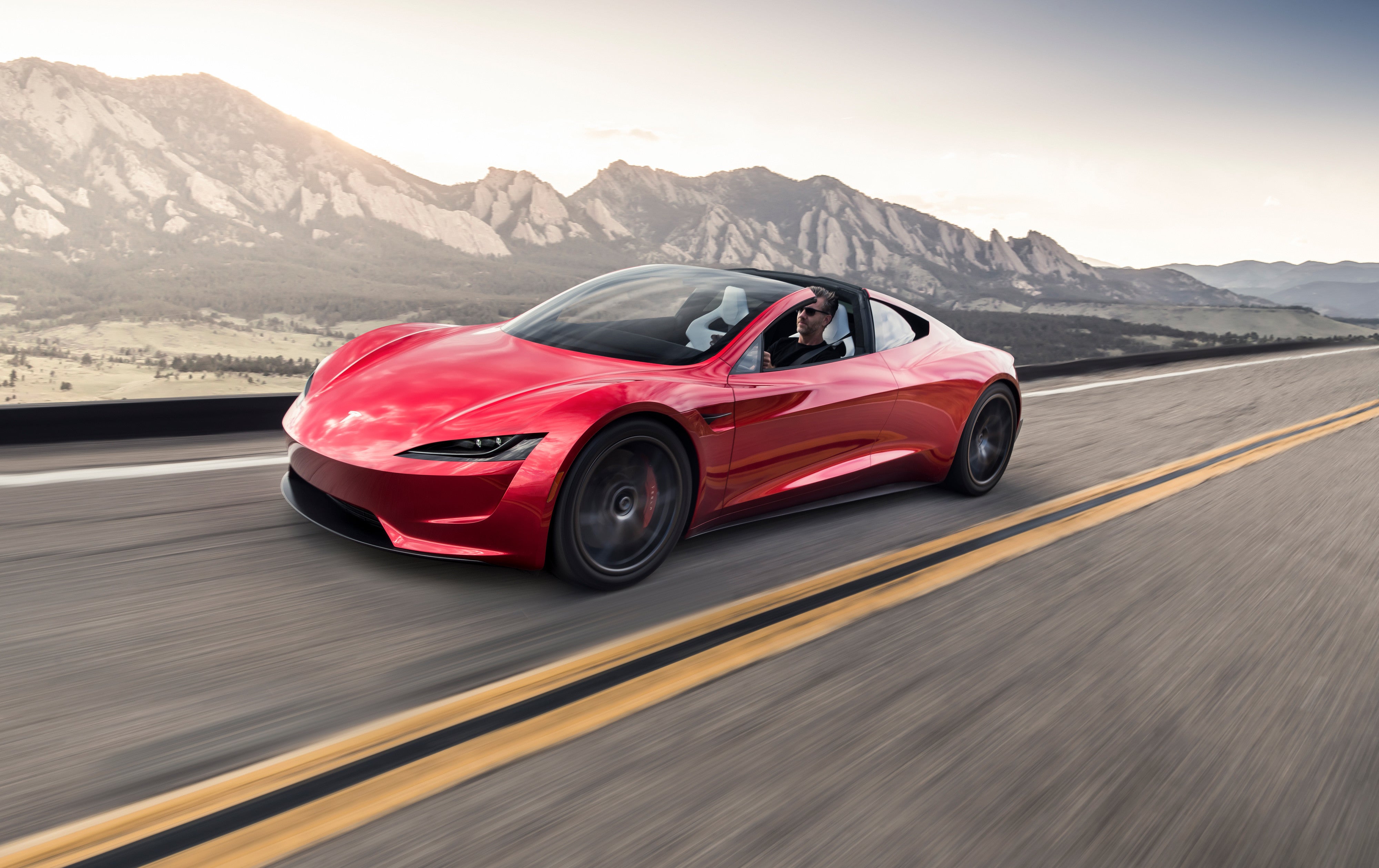
As we look at Tesla today, the brand continues to release products that challenge conventional design and corporate identity. The release of the Cybertruck in late 2023 represents the latest evolution of the Tesla brand: a move toward brutalist, futuristic aesthetics that further differentiate it from the rest of the industry.
Aesthetic Disruption and the Cybertruck Brand
The Cybertruck release was polarizing by design. In brand strategy, being “for everyone” often means being “for no one.” By releasing a vehicle that looked like nothing else on the road, Tesla doubled down on its identity as a radical disruptor. The brand is no longer just about sustainability; it is about challenging the status quo of design itself.
Beyond the Vehicle: The Tesla Energy Ecosystem
Tesla’s brand evolution has seen it drop the word “Motors” from its name, reflecting its broader release into the energy sector. With products like the Powerwall, Solar Roof, and Megapack, the Tesla brand identity has expanded to encompass the entire energy lifecycle. When we ask “when was Tesla released,” we must now consider the release of Tesla as an energy provider and an AI powerhouse.
The brand’s foray into Full Self-Driving (FSD) and the Optimus robot suggests that the next major release will not be a vehicle at all, but a transformation into a robotics and artificial intelligence firm. This constant state of “release”—of new ideas, new technologies, and new boundaries—is what keeps the Tesla brand at the forefront of the global economy.
In conclusion, Tesla was not released at a single moment; it has been released in stages, each one carefully calculated to move the brand from a Silicon Valley underdog to a global icon of innovation. From the 2003 incorporation to the 2008 Roadster and the 2017 Model 3, each release has served as a chapter in a larger narrative of disruption. Tesla remains a living case study in how a clear mission, a sequenced product strategy, and a bold corporate identity can reshape the world.
aViewFromTheCave is a participant in the Amazon Services LLC Associates Program, an affiliate advertising program designed to provide a means for sites to earn advertising fees by advertising and linking to Amazon.com. Amazon, the Amazon logo, AmazonSupply, and the AmazonSupply logo are trademarks of Amazon.com, Inc. or its affiliates. As an Amazon Associate we earn affiliate commissions from qualifying purchases.