
The story of Costco Wholesale Corporation is not merely a tale of retail expansion, but a compelling case study in brand evolution, strategic consolidation, and the enduring power of a clearly defined corporate identity. To understand “when Costco was made” is to trace the lineage of two distinct entities that ultimately merged to form the modern giant, each bringing foundational elements that would define the Costco brand for decades to come. The direct answer involves a significant merger in 1993, but the roots stretch back further to the pioneering efforts of Sol Price and the innovative vision of James Sinegal.

The Genesis of a Retail Giant: Early Foundations
The concept of a warehouse club, offering bulk goods at low prices to a specific clientele, wasn’t born with Costco directly. It was Sol Price, a visionary retailer, who first revolutionized the retail landscape with Price Club. Price Club, established in San Diego, California, in 1976, was the original pioneer of the membership-based warehouse club model. His innovation lay in identifying a niche: small businesses and large families seeking value through bulk purchasing, bypassing traditional retail markups. Price Club’s brand promise was clear: unparalleled value and efficiency. This model attracted a loyal customer base and proved that a membership fee could be justified by significant savings, creating a powerful loop of loyalty and perceived exclusivity.
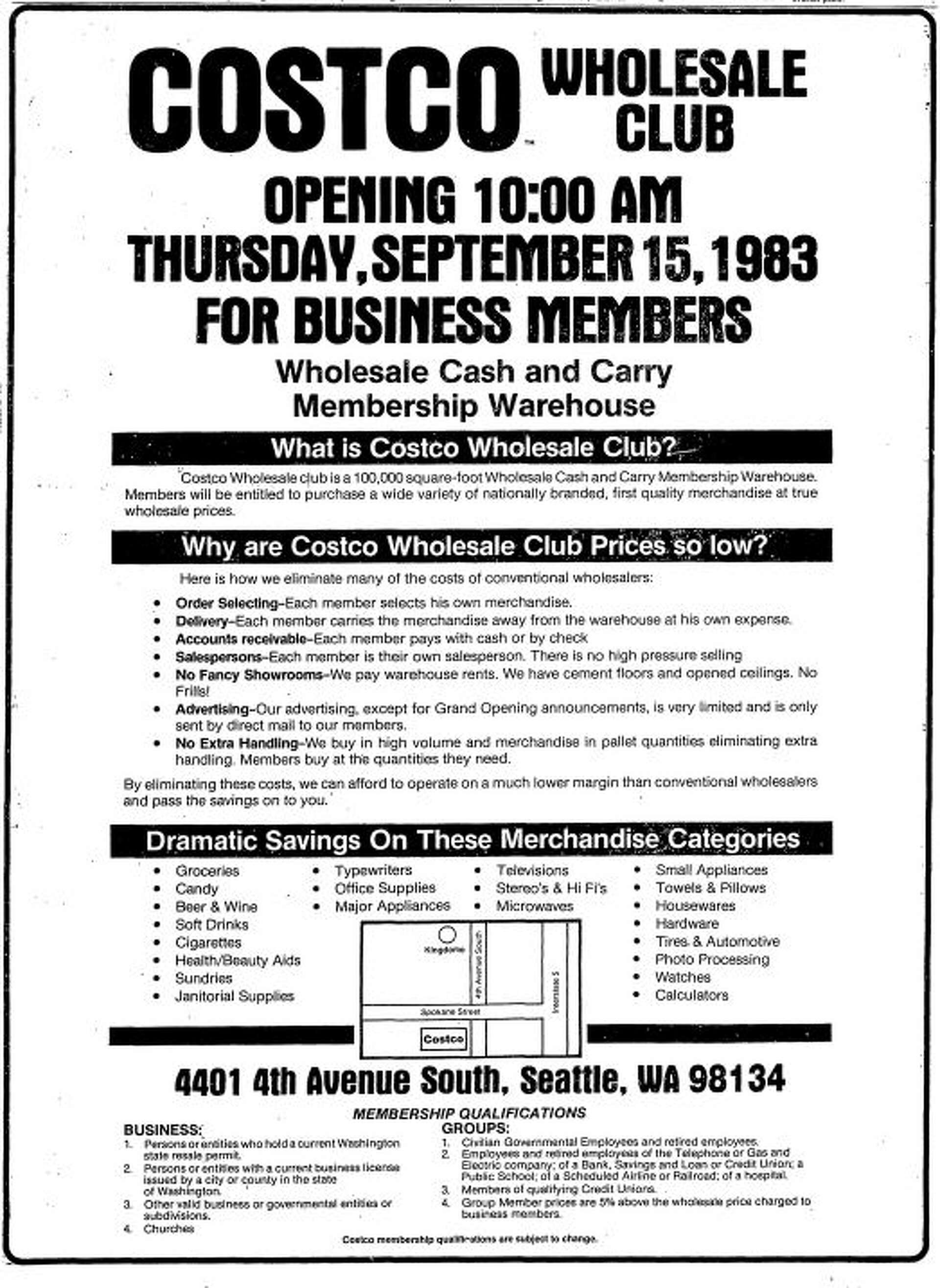
Meanwhile, James Sinegal, along with Jeffrey Brotman, observed the success of Price Club and saw an opportunity to refine and expand upon the model. Sinegal, a protégé of Sol Price who had worked at Price Club, brought a deep understanding of the operational intricacies and customer value proposition. In 1983, Sinegal and Brotman founded Costco Wholesale Corporation in Seattle, Washington. Costco, from its inception, aimed to replicate and enhance the warehouse club experience, focusing on a curated selection of high-quality goods at highly competitive prices for its business and individual members. The early Costco brand quickly established itself through a relentless focus on operational efficiency, lean inventory management, and a culture of valuing both employees and customers.
From Price Club to Costco Wholesale Corporation
The parallel existence of Price Club and Costco Wholesale Corporation through the 1980s saw both companies thrive, each expanding its footprint and refining its brand identity. Price Club, the elder statesman, had the advantage of being the originator, with a deeply entrenched customer base and a proven operational blueprint. Costco, while newer, benefited from its founders’ agility and an aggressive growth strategy, often opening stores in close proximity to Price Clubs, signaling a direct competitive approach rooted in shared foundational principles.
The distinct corporate identities, while similar in their core offering, had subtle differences in their approach to merchandise, store layout, and corporate culture. Yet, the underlying brand promise – value through membership – was a powerful commonality that set them apart from conventional retailers.
The Visionaries: Sol Price and James Sinegal
The enduring brand of Costco today owes an immense debt to the philosophies of Sol Price and James Sinegal. Sol Price, often credited as the “father of the warehouse club,” instilled a brand philosophy centered on extreme operational efficiency, minimal frills, and passing savings directly to the customer. He believed in simplifying the retail experience to its core value proposition. His approach was a masterclass in stripping away unnecessary costs to deliver maximum tangible benefit, a principle that remains a cornerstone of Costco’s brand strategy.
James Sinegal, building on Price’s foundation, refined the brand with an intense focus on quality and a legendary commitment to employee welfare. Sinegal believed that happy, well-compensated employees were essential to delivering superior customer service and, by extension, a stronger brand experience. His vision for Costco’s brand was not just about price, but about a holistic value proposition encompassing product quality, ethical sourcing, and an exceptional shopping environment, even within the no-frills warehouse setting. This dual emphasis on value and quality, combined with a strong internal culture, became a distinguishing characteristic of the Costco brand.
Forging an Identity: The Merger and Brand Consolidation
The pivotal moment in the creation of the modern Costco brand occurred in October 1993. In a landmark retail merger, Price Club and Costco Wholesale Corporation officially combined to form Price/Costco Inc. This merger was not merely a financial transaction; it was a strategic consolidation of two powerful brands, each with a loyal following, into a single, more dominant entity. The motivation was clear: to leverage economies of scale, eliminate head-to-head competition, and create a single, unified brand that could command an even greater market share. The merger effectively answered “when was Costco made” in its current, recognizable form.
The post-merger integration presented significant branding challenges and opportunities. While both companies operated similar models, they each had distinct corporate cultures, supply chains, and marketing approaches. The goal was to synthesize the best of both worlds, retaining the strengths of each while streamlining operations and presenting a cohesive face to the market.
Unifying Cultures and Business Models
The immediate aftermath of the merger saw a careful integration of corporate cultures. James Sinegal, who became the CEO of the combined entity, played a crucial role in harmonizing the operations. He championed a philosophy that sought to adopt the most effective practices from both Price Club and Costco. This included merging supplier relationships, standardizing inventory systems, and consolidating administrative functions. The brand’s efficiency was paramount, and integrating the operational models was key to unlocking the full potential of the combined enterprise.
The business model, already proven by both companies, was refined. The membership structure remained central, reinforcing the brand’s exclusive club feel. The emphasis on limited SKUs, high inventory turnover, and a strong private label (Kirkland Signature, which would later become a brand powerhouse in itself) was solidified. This unification wasn’t just about making operations smoother; it was about ensuring that every aspect of the merged entity consistently delivered on the shared brand promise of value and quality.
Crafting the Costco Experience: Membership and Value Proposition

The Price/Costco brand quickly crystallized around a distinct customer experience. Membership became more than just a gate pass; it was an implicit contract of trust and value. Members understood they were buying into a model that prioritized their savings, even if it meant foregoing certain amenities found in traditional retail. The brand messaging reinforced this: “we pass the savings directly to you.”
The value proposition extended beyond just low prices. It encompassed:
-
Curated Selection: Unlike a discount store with overwhelming choices, Costco offered a carefully selected range of products, implying quality and reducing decision fatigue. This curated approach became a brand hallmark.
-
High-Quality Private Label (Kirkland Signature): Launched prior to the merger but solidified afterward, Kirkland Signature products became synonymous with premium quality at competitive prices, building immense brand loyalty. This house brand became a powerful extension of the main Costco brand.
-
“Treasure Hunt” Shopping: The ever-changing, limited-time “special buys” created an element of excitement and urgency, turning shopping into a brand experience rather than a mere chore.
-
Customer Service and Returns Policy: A generous return policy and a reputation for solid customer service reinforced trust and loyalty, vital components of a strong brand relationship.
By 1997, the company officially changed its name to Costco Wholesale Corporation, signaling the complete integration and the establishment of a single, unified brand identity that largely reflected the vision and operational efficiency synonymous with the original Costco.
Evolution of a Distinctive Brand: Growth and Global Reach
Since its formal consolidation, the Costco brand has evolved through continuous refinement rather than radical reinvention. Its core identity, forged in the merger, has proven incredibly resilient and adaptable. The brand has expanded geographically and diversified its offerings, all while remaining true to its foundational principles.
Pillars of the Costco Brand: Quality, Value, and Customer Loyalty
The enduring success of the Costco brand lies in its unwavering commitment to its core pillars:
-
Quality: From its produce to electronics, Costco has cultivated a reputation for high-quality merchandise, often featuring premium brands alongside its own Kirkland Signature. This commitment to quality builds trust and justifies the membership fee.
-
Value: This isn’t just about low prices, but about the perceived benefit relative to cost. Bulk purchasing, efficient operations, and a lean business model allow Costco to offer exceptional value that resonates deeply with its target demographic. The brand communicates this value proposition through every touchpoint, from the warehouse environment to its digital presence.
-
Customer Loyalty: Costco fosters intense loyalty, not just through savings, but through its entire ecosystem. Members feel part of an exclusive club. The combination of quality, value, treasure hunt items, and even the food court experience creates a unique affinity that transcends mere transactional retail. This high retention rate is a testament to the strength of the Costco brand.
These pillars are not abstract concepts; they are embedded in every operational decision, every product selection, and every interaction, ensuring a consistent brand experience globally.
Expanding the Footprint: Internationalization and Brand Adaptation
Costco’s brand has proven to be remarkably portable across international borders. While some adaptations are made for local tastes and regulatory environments (e.g., product assortments, specific food court items), the core brand promise of membership-based value for high-quality bulk goods remains consistent whether in Japan, the UK, or Mexico. This global expansion demonstrates the universal appeal of its brand identity and business model.
The brand’s success abroad is a testament to the universality of its value proposition and the effectiveness of its operating model. Rather than diluting its identity, international expansion has reinforced the strength and adaptability of the Costco brand, proving that its core tenets resonate with consumers worldwide.
The Enduring Legacy: A Brand Defined by Its Roots
Today, Costco Wholesale Corporation stands as one of the world’s largest and most respected retailers, a testament to the strategic vision that led to its formation. The brand identity crafted in 1993 and refined over the subsequent decades continues to drive its success, distinguishing it in a crowded and competitive retail landscape.
Sustaining the Brand Promise in a Changing Market
In an era of rapid digital transformation and evolving consumer behaviors, Costco has successfully sustained its brand promise. While it has embraced e-commerce, its primary brand experience remains anchored in the physical warehouse, leveraging the unique elements that define it – the large format, the treasure hunt, the direct interaction. The brand’s ability to maintain its core identity while selectively integrating new technologies is a critical factor in its ongoing relevance. The focus on member value, employee well-being, and operational efficiency remains central, proving that foundational brand principles, when consistently applied, can weather market shifts.
The Impact of Its Founding Philosophy on Modern Operations
The philosophies of Sol Price and James Sinegal continue to deeply influence Costco’s modern operations. The emphasis on low markups, operational efficiency, a strong private label, and a commitment to employee satisfaction are direct legacies of its founding fathers. These principles are not just historical footnotes; they are active components of Costco’s brand strategy, forming the bedrock of its corporate identity and guiding its decision-making. The brand’s robust ethical stance, including its wage policies and supplier relationships, is a direct inheritance from Sinegal’s early vision, further solidifying its reputation and reinforcing customer trust.
Thus, while Costco Wholesale Corporation as we know it today was fundamentally “made” in 1993 through the merger of Price Club and Costco Wholesale Corporation, its brand identity, strategic foundations, and enduring success are the cumulative result of visionary leadership and a consistent commitment to a powerful value proposition that began much earlier with two pioneering retail concepts.
aViewFromTheCave is a participant in the Amazon Services LLC Associates Program, an affiliate advertising program designed to provide a means for sites to earn advertising fees by advertising and linking to Amazon.com. Amazon, the Amazon logo, AmazonSupply, and the AmazonSupply logo are trademarks of Amazon.com, Inc. or its affiliates. As an Amazon Associate we earn affiliate commissions from qualifying purchases.