
The genesis of any groundbreaking technology often lies in the identification of a pervasive problem and the innovative application of solutions. For Cash App, a name synonymous with modern digital finance, its origin story is a compelling narrative of technological evolution, strategic expansion, and a relentless pursuit of user convenience. Launched by Square Inc. (now Block Inc.), Cash App began its journey not as the sprawling financial ecosystem it is today, but as a lean, focused tool designed to simplify person-to-person (P2P) payments. Understanding “when Cash App was made” is more than just pinpointing a date; it’s about charting the technological milestones that transformed a simple app into a formidable FinTech powerhouse, profoundly impacting how millions manage their money.

The Incubation: Square’s Vision for P2P Payments (Early 2010s)
In the early 2010s, the digital payments landscape was fragmented. While PayPal had established itself, sending money to friends or family still often involved cumbersome steps, bank transfers, or even physical cash. Square Inc., already a disruptor in merchant payments with its card readers, recognized an untapped potential in the consumer-to-consumer space. The company envisioned a frictionless way for individuals to exchange money using the ubiquitous smartphone, a device rapidly becoming central to daily life. This vision laid the groundwork for what would become Cash App.
From Concept to Code: The Birth of “Square Cash” in 2013
The initial iteration of Cash App, then known as Square Cash, officially entered the market in October 2013. This launch wasn’t a grand, feature-rich debut but a strategic soft launch aimed at solving a singular, pressing problem: making P2P payments as simple as sending an email. The technological genius of Square Cash at its inception was its elegant simplicity. Users could send money directly to another person by merely entering their email address or phone number, and later, through unique identifiers like a “$Cashtag.”
From a technical perspective, Square Cash’s initial architecture focused on speed and reliability for these core transactions. It leveraged Square’s existing payment processing infrastructure, which was already designed for high-volume, secure transactions. The challenge was adapting this merchant-focused system for instantaneous, person-to-person transfers without the traditional banking delays. This involved developing a robust backend that could handle rapid verification, fund transfers, and reconciliation across various bank accounts, all while adhering to stringent financial regulations. Security protocols, including encryption for data in transit and at rest, were paramount from day one, ensuring user trust in a nascent digital payment method. The app’s minimalist user interface (UI) was a deliberate design choice, prioritizing ease of use and quick transaction completion over complex features, which was a significant differentiator at the time.
Architectural Expansion: Building Beyond Basic Transactions (Mid-2010s)
The success of Square Cash’s straightforward P2P functionality quickly demonstrated a broader market appetite for integrated digital financial tools. Recognizing this, Square began an ambitious phase of architectural expansion, iteratively adding features that transformed the app from a simple money transfer service into a more comprehensive digital wallet. This period marked a significant shift in its technological roadmap, moving towards deeper integration with the traditional banking system and venturing into new, complex financial services.
The Cash Card and Direct Deposit: Expanding the Digital Wallet’s Utility
A pivotal moment in Cash App’s evolution was the introduction of the Cash Card in 2017. This customizable, free debit card, linked directly to the user’s Cash App balance, allowed users to spend their funds in physical stores and online, just like a traditional bank card. Technically, this required Cash App to act as a pseudo-bank, partnering with established financial institutions (like Sutton Bank) to issue cards and process transactions through payment networks like Visa. The engineering challenge involved building a seamless integration between the app’s digital ledger and the external card network, ensuring real-time balance updates and secure transaction authorizations. Fraud detection and prevention systems became even more critical, expanding from purely digital transaction monitoring to include physical point-of-sale activities.
Concurrently, the introduction of direct deposit capabilities further solidified Cash App’s position as a viable alternative to traditional banking. Users could now receive paychecks, tax refunds, and other direct deposits directly into their Cash App accounts. This required building robust Application Programming Interfaces (APIs) and backend processes to communicate with employers’ payroll systems and the Automated Clearing House (ACH) network, the electronic funds transfer system used by banks. The development focused on ensuring the accuracy, timeliness, and security of these critical financial inflows, requiring compliance with a new set of regulatory standards related to account holding and fund availability.
Embracing Decentralization: The Bitcoin Integration (2018)
Perhaps one of Cash App’s most audacious technological leaps was the integration of Bitcoin trading in 2018. This move positioned Cash App at the forefront of mainstream cryptocurrency adoption. From an engineering standpoint, integrating Bitcoin was incredibly complex. It necessitated building a secure, user-friendly interface for buying, selling, and holding a volatile digital asset within an app primarily designed for fiat currency.
Key technical challenges included:
- Blockchain Integration: Developing robust connectors and APIs to interact with the Bitcoin blockchain, ensuring accurate transaction processing and wallet management.
- Security for Digital Assets: Implementing enhanced cryptographic security measures, cold storage solutions, and multi-factor authentication to protect users’ Bitcoin holdings from theft and cyberattacks. This was a new frontier for an app that previously dealt exclusively with regulated fiat currency.
- Market Data Integration: Providing real-time Bitcoin price feeds and execution capabilities, which required integrating with cryptocurrency exchanges and managing market volatility.
- Regulatory Compliance: Navigating the evolving and often ambiguous regulatory landscape of cryptocurrencies, including KYC (Know Your Customer) and AML (Anti-Money Laundering) requirements specific to digital assets.
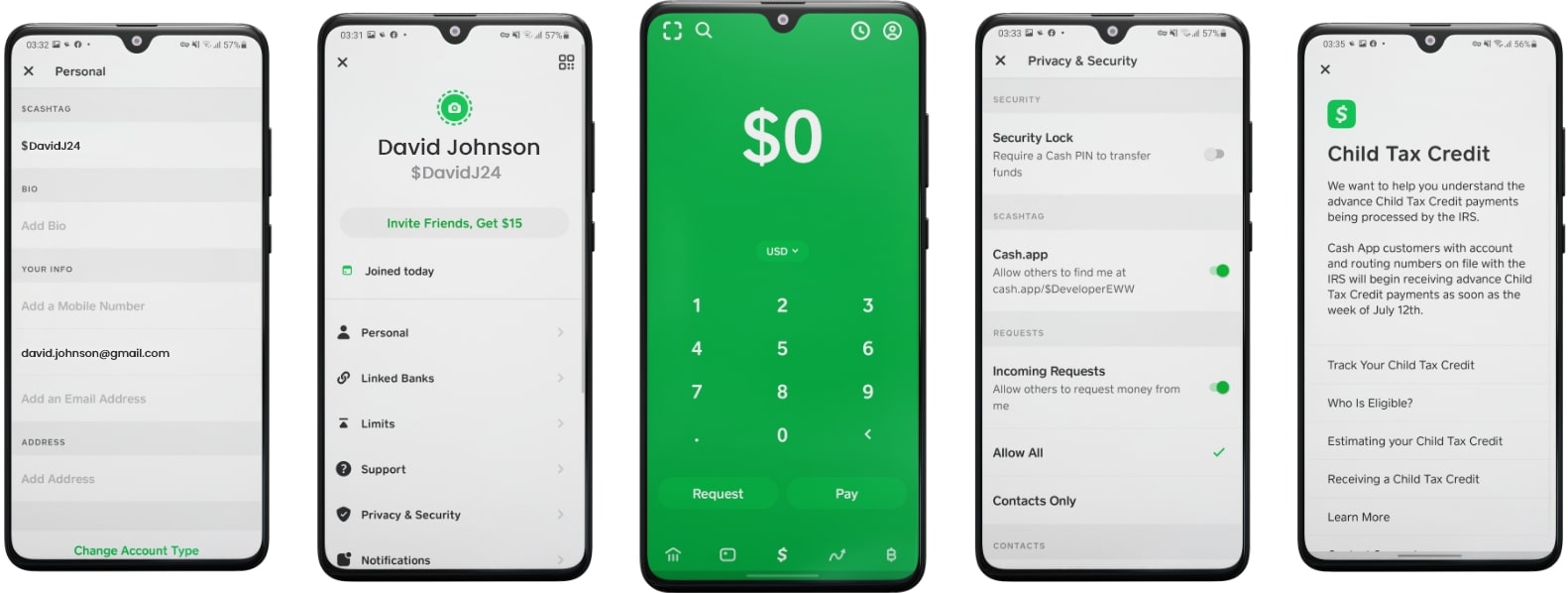
This integration showcased Cash App’s commitment to innovation and its willingness to explore new financial technologies, significantly expanding its feature set and appealing to a broader, tech-savvy user base.
The Ecosystem Evolved: Beyond Payments to Personal Finance Platform (Late 2010s – Present)
As Cash App matured, its strategic vision expanded from merely facilitating payments to becoming a holistic personal finance platform. This evolution was driven by continuous technological innovation, aiming to empower users with more control over their financial lives directly from their smartphones. The app’s journey shifted from being a specialized tool to a comprehensive financial hub, demanding a scalable, secure, and adaptable technological architecture.
Democratizing Investing: Fractional Shares and Stock Trading
Following the success of Bitcoin, Cash App ventured into traditional asset classes with the introduction of stock investing in 2019. A key differentiator was the ability to purchase fractional shares, allowing users to invest small amounts of money in expensive stocks, thereby democratizing access to the stock market.
The technical implementation of this feature involved several sophisticated components:
- Brokerage Integration: Partnering with licensed brokerage firms to execute trades, requiring secure data exchange and transaction routing protocols.
- Real-Time Data Feeds: Integrating with market data providers to display live stock prices and investment performance, crucial for informed decision-making.
- Order Management System: Developing an efficient system to aggregate and execute fractional share orders, which are often more complex to manage than whole share purchases. This required careful consideration of latency and accuracy.
- User Experience for Novices: Designing a simplified investment interface that stripped away the jargon and complexity often associated with traditional brokerage platforms, making it accessible to individuals new to investing. This involved intuitive charting, clear portfolio views, and educational content.
Scaling Infrastructure for Millions: Stability, Security, and Speed
The rapid growth in Cash App’s user base and the increasing complexity of its services demanded a robust and highly scalable infrastructure. Moving from tens of thousands to tens of millions of active users, and from basic P2P to a multi-faceted financial platform, required continuous investment in underlying technology.
Key infrastructure developments included:
- Cloud Architecture and Distributed Systems: Migrating to and optimizing cloud-native architectures (e.g., AWS, GCP) to ensure elasticity, allowing the system to scale resources up or down based on demand. This involved implementing microservices architecture for better fault isolation and independent deployment of features.
- Advanced Encryption and Fraud Detection Algorithms: As a financial platform, security remains paramount. Cash App continuously enhances its encryption standards for data, both in transit and at rest, utilizing industry-leading protocols. Furthermore, the development and deployment of AI and Machine Learning (ML) algorithms for real-time fraud detection became critical. These systems analyze vast datasets of transaction patterns to identify and flag suspicious activities instantaneously, protecting users from unauthorized access and fraudulent transactions.
- High Availability and Low Latency: For financial services, downtime is unacceptable. Cash App’s engineering teams focused on building highly available systems with redundancy across multiple data centers. Optimizing for low latency ensures that transactions are processed quickly, providing a smooth and responsive user experience even during peak usage. This involves sophisticated caching strategies, efficient database management, and network optimization.
The Technological Future: Innovations and Challenges Ahead
Cash App’s journey since its inception in 2013 illustrates a continuous cycle of innovation driven by user needs and technological advancements. As it looks to the future, the platform is poised to leverage emerging technologies and expand its global footprint, facing new challenges and opportunities in the dynamic FinTech landscape.
Leveraging AI and Machine Learning for Enhanced Security and Personalization
The role of AI and ML is expected to deepen across Cash App’s services. Beyond current fraud detection, these technologies will be instrumental in:
- Proactive Risk Assessment: Developing more sophisticated models to predict and prevent potential security threats before they materialize.
- Personalized Financial Insights: Providing users with tailored advice, budgeting tools, and product recommendations based on their spending habits and financial goals. This could involve AI-driven chatbots for customer support and personalized financial nudges.
- Optimized User Experience: Using ML to refine user interfaces, predict user intent, and streamline complex workflows, making the app even more intuitive.

Further Blockchain Exploration and Global Expansion
While Cash App has successfully integrated Bitcoin, the broader potential of blockchain technology remains a fertile ground for exploration. This could include:
- Expanded Cryptocurrency Offerings: Potentially adding support for other cryptocurrencies, stablecoins, or even non-fungible tokens (NFTs), depending on market demand and regulatory clarity.
- Blockchain for Payments and Remittances: Investigating how blockchain could facilitate faster, cheaper, and more transparent cross-border payments, potentially disrupting traditional remittance services. This would involve significant technical hurdles related to interoperability between different blockchain networks and existing financial infrastructure.
- Global Expansion: Extending Cash App’s services beyond its current primary markets. This endeavor would involve navigating diverse regulatory environments, adapting to local payment methods, and building localized technological solutions to meet specific market needs, from language support to compliance with regional data privacy laws.
The journey of Cash App, from a simple P2P payment solution in October 2013 to a comprehensive personal finance platform, is a testament to the power of continuous technological innovation. Its success is not merely in its user growth but in its ability to adapt, scale, and integrate complex financial technologies to create a seamless and empowering experience for millions. As technology continues to evolve, Cash App stands ready to redefine what a mobile financial tool can be.
aViewFromTheCave is a participant in the Amazon Services LLC Associates Program, an affiliate advertising program designed to provide a means for sites to earn advertising fees by advertising and linking to Amazon.com. Amazon, the Amazon logo, AmazonSupply, and the AmazonSupply logo are trademarks of Amazon.com, Inc. or its affiliates. As an Amazon Associate we earn affiliate commissions from qualifying purchases.