
The origins of Bitcoin are often discussed in the context of computer science, but its true foundation lies in the wreckage of the 2008 global financial crisis. To understand when Bitcoin was started is to understand a pivotal moment in economic history—a moment when the traditional banking system faltered, leading to the birth of a decentralized alternative that would eventually redefine the concept of money.
Bitcoin did not emerge from a vacuum. It was the culmination of decades of research into cryptography and electronic cash, but its actual launch was timed perfectly to address the systemic failures of the centralized financial world. By tracing its timeline from the initial proposal to its current status as a multi-billion dollar asset class, we can better understand its role in modern personal finance and global investment strategies.
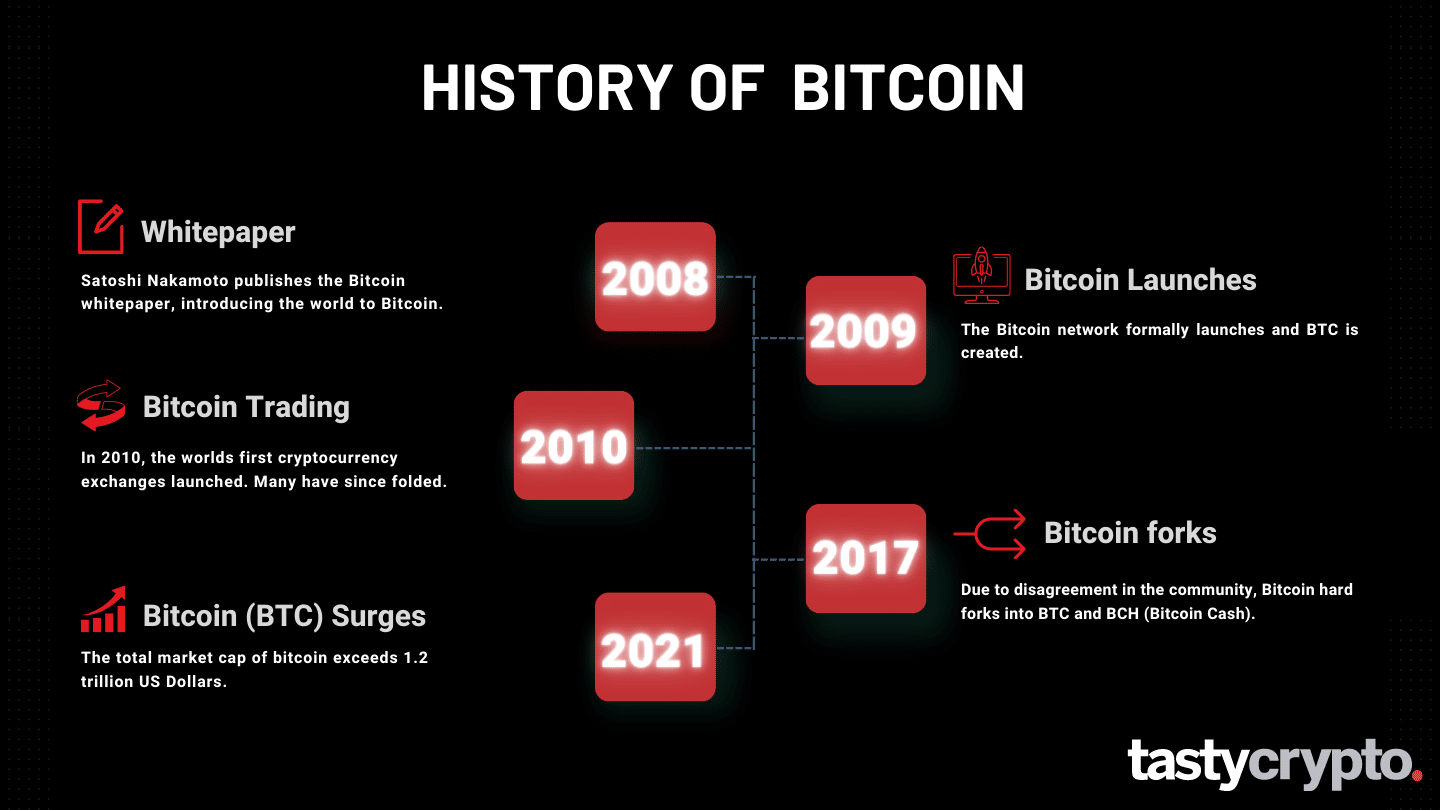
The Genesis of the Decentralized Economy: 2008-2009
The formal beginning of Bitcoin is marked by two distinct dates: the publication of its whitepaper and the mining of its first block. These events occurred against a backdrop of unprecedented economic turmoil. In late 2008, the collapse of Lehman Brothers and the subsequent government bailouts of major banks created a climate of deep distrust toward centralized financial institutions.
The Whitepaper and the Vision of Peer-to-Peer Cash
On October 31, 2008—Halloween—an individual or group operating under the pseudonym Satoshi Nakamoto published a document titled Bitcoin: A Peer-to-Peer Electronic Cash System. This whitepaper was shared on a cryptography mailing list and outlined a revolutionary proposal: a system for electronic transactions without relying on trust.
From a financial perspective, the whitepaper was a direct challenge to the fractional reserve banking system. It proposed a fixed supply and a transparent ledger, known as the blockchain, which would prevent the “double-spending” problem that had plagued previous attempts at digital currency. For the first time, the world had a blueprint for a financial system that required no intermediaries like banks or payment processors.
The Genesis Block: January 3, 2009
While the whitepaper was the theory, the practice began on January 3, 2009. This was the day the Bitcoin network went live with the mining of the “Genesis Block” (Block 0). Satoshi Nakamoto mined this first block, which contained a reward of 50 bitcoins.
Embedded in the code of the Genesis Block was a specific message: “The Times 03/Jan/2009 Chancellor on brink of second bailout for banks.” This headline, taken from a British newspaper, served as a timestamp and a permanent reminder of Bitcoin’s purpose. It was a protest against the monetary policies of the era and an invitation to a new form of financial sovereignty. On January 12, 2009, the first Bitcoin transaction took place when Satoshi sent 10 BTC to Hal Finney, a programmer and early enthusiast, proving that the system was functional.
The Evolution of Value: From Zero to a Global Reserve Asset
In its earliest days, Bitcoin had no market value. It was a project for hobbyists and cypherpunks who were more interested in the technology and the philosophy of “sound money” than in profit. However, as the network grew, the transition from a technical experiment to a financial asset began.
The Early Years and the “Pizza” Benchmark
For the first year of its existence, Bitcoin was effectively worthless in terms of fiat currency. There were no exchanges, and early users traded coins for fun or to test the software. This changed on May 22, 2010, an event now celebrated as “Bitcoin Pizza Day.” A programmer named Laszlo Hanyecz famously paid 10,000 BTC for two large pizzas delivered by Papa John’s.
At the time, those 10,000 coins were worth roughly $41, but this transaction established the first real-world price for Bitcoin. It proved that Bitcoin could be used as a medium of exchange. Shortly after, the first exchanges began to emerge, allowing users to trade Bitcoin for U.S. dollars, which provided the liquidity necessary for it to become an investment vehicle.
The Rise of Exchanges and Market Maturity
The period between 2011 and 2017 saw Bitcoin move from the fringes of the internet to the front pages of financial newspapers. The launch of platforms like Mt. Gox (despite its eventual failure) and later Coinbase allowed retail investors to enter the market easily.

During this era, Bitcoin’s “halving” mechanism became a focal point for investors. Every four years, the reward for mining new blocks is cut in half, reducing the rate at which new supply enters the market. These events, occurring in 2012, 2016, and 2020, have historically preceded significant price appreciation, reinforcing Bitcoin’s narrative as a “deflationary” asset. Unlike fiat currencies, which can be printed in unlimited quantities by central banks, Bitcoin’s hard cap of 21 million coins created a scarcity that appealed to those looking for a long-term store of value.
Bitcoin as a Strategic Financial Tool
As Bitcoin matured, its role in the financial ecosystem shifted. While Satoshi Nakamoto originally envisioned it as “electronic cash,” the high volatility and increasing transaction fees during peak periods led many to view it as “Digital Gold.” Today, it is utilized as a sophisticated tool for wealth preservation and portfolio diversification.
Hedging Against Inflation and Currency Devaluation
One of the primary reasons investors turn to Bitcoin is its role as a hedge against the devaluation of traditional currencies. In countries experiencing hyperinflation—such as Argentina, Turkey, or Venezuela—Bitcoin has served as a lifeline for individuals looking to protect their purchasing power.
Even in developed economies, the aggressive monetary expansion (quantitative easing) seen in the wake of the 2020 pandemic led many institutional investors to view Bitcoin as a safeguard. When the supply of dollars or euros increases rapidly, the fixed supply of Bitcoin makes it an attractive alternative. It is increasingly viewed not as a speculative gamble, but as a strategic asset for maintaining long-term value in an era of fiscal uncertainty.
Diversification in the Modern Portfolio
From a personal finance perspective, Bitcoin has introduced a new asset class that often shows a low correlation with traditional stocks and bonds over long time horizons. Adding a small percentage of Bitcoin to a diversified portfolio can potentially enhance returns while providing exposure to the burgeoning digital economy.
Financial advisors who once dismissed the asset are now exploring its “asymmetric upside.” This refers to the idea that while an investor can only lose 100% of their investment, the potential for growth is many times that. This mathematical profile has made Bitcoin a staple for “side hustles” in the form of crypto-mining or staking, as well as a cornerstone for modern retirement planning for tech-savvy investors.
The Institutionalization of Bitcoin: The ETF Era and Beyond
The most significant shift in Bitcoin’s timeline since its inception has been its acceptance by the “ivory towers” of Wall Street. What started as a peer-to-peer experiment is now a standard component of institutional balance sheets and regulated financial products.
Corporate Adoption and Balance Sheet Integration
The narrative around Bitcoin changed dramatically in 2020 when companies like MicroStrategy and Square (now Block) began converting their cash reserves into Bitcoin. Led by Michael Saylor, MicroStrategy’s move signaled to the corporate world that Bitcoin could be used as a treasury reserve asset.
This was followed by Tesla’s high-profile purchase and the increasing integration of Bitcoin into payment networks like PayPal and Visa. For the first time, Bitcoin was being treated with the same seriousness as gold or corporate bonds. This institutional backing provided a level of legitimacy and price support that was absent in the early years.

The Long-Term Outlook for Individual Investors
The landmark approval of Spot Bitcoin Exchange-Traded Funds (ETFs) in the United States in early 2024 marked the final stage of Bitcoin’s journey into the financial mainstream. These ETFs, managed by giants like BlackRock and Fidelity, allow individuals to gain exposure to Bitcoin’s price through their standard brokerage accounts and IRAs without the need to manage private keys or digital wallets.
This “on-ramping” of trillions of dollars in institutional capital suggests that Bitcoin is no longer a temporary trend but a permanent fixture of the global financial architecture. For the individual investor, the question has shifted from “when was Bitcoin started” to “how does Bitcoin fit into my long-term financial plan?”
As we look back at its start in 2009, it is clear that Bitcoin has traveled an extraordinary path. It has evolved from a cryptic message in a genesis block to a global financial phenomenon. By providing a transparent, borderless, and scarce alternative to traditional money, it continues to offer a unique path toward financial independence and security in an increasingly digital world. Whether viewed as a tool for online income, a retirement hedge, or a revolutionary technology, Bitcoin’s start was the beginning of a new era in the history of value.
aViewFromTheCave is a participant in the Amazon Services LLC Associates Program, an affiliate advertising program designed to provide a means for sites to earn advertising fees by advertising and linking to Amazon.com. Amazon, the Amazon logo, AmazonSupply, and the AmazonSupply logo are trademarks of Amazon.com, Inc. or its affiliates. As an Amazon Associate we earn affiliate commissions from qualifying purchases.