
American Express, a name synonymous with global financial services and premium payment solutions, traces its origins back to a pivotal moment in American history. It was March 18, 1850, when American Express was founded. Far from its current incarnation as a credit card and financial services giant, the company began as an express mail business in the rapidly expanding United States. Its story is a remarkable chronicle of adaptation, innovation, and an unwavering commitment to meeting evolving financial needs, making it a quintessential case study in the evolution of business finance and financial tools.
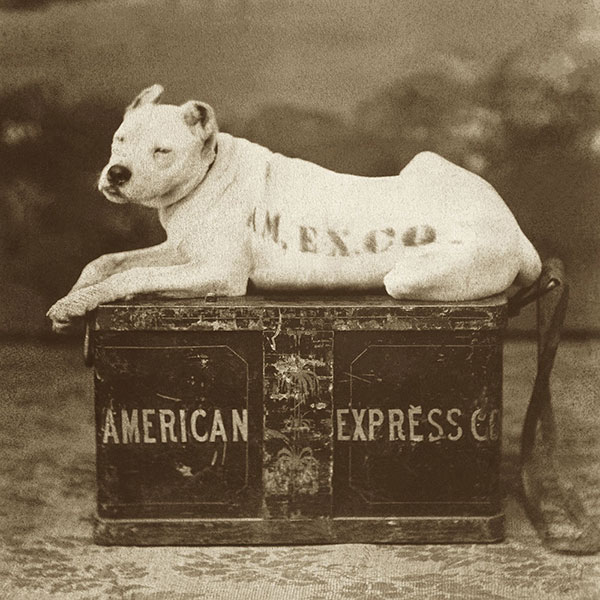
The mid-19th century was a period of immense growth and transformation across America. The advent of railways and the westward expansion created an urgent demand for reliable and secure methods of transporting goods, documents, and, crucially, money across vast distances. It was into this fertile ground of opportunity that American Express was born, laying the groundwork for what would become one of the world’s most enduring and impactful financial institutions.
The Dawn of an American Financial Powerhouse: 1850 and Beyond
The founding of American Express was not an isolated event but rather the culmination of entrepreneurial spirit and strategic mergers designed to dominate the burgeoning express delivery market. This initial focus on logistics, while seemingly disparate from modern financial services, inherently involved the secure handling of valuables, thus planting the very seeds of its future in finance.
Genesis in Express Delivery
In the 1840s, the “express” business was booming. As the postal service was often slow and unreliable for urgent or valuable shipments, private express companies emerged to fill the void. These companies promised speed, security, and personal accountability. Henry Wells and William G. Fargo were prominent figures in this nascent industry, operating competing express lines from Albany, New York, to various points west.
The need for a unified, more efficient network became apparent. The consolidation of several smaller express companies into a larger, more formidable entity was a strategic move to reduce competition and leverage economies of scale. American Express was primarily formed from the merger of three companies: Wells & Co. (owned by Henry Wells), Livingston, Fargo & Co. (owned by William G. Fargo and John Butterfield), and Butterfield & Co. The new company, headquartered in New York City, quickly established itself as a major player in the transportation of parcels, freight, and, significantly, financial instruments. Their routes extended across New York State and into the Midwest, connecting burgeoning commercial centers and vital trade hubs.
The Visionaries Behind the Venture
The principal architects of American Express were formidable businessmen with a keen understanding of logistics and the nascent financial needs of a growing nation.
- Henry Wells: A pioneer in the express industry, Wells had previously founded Wells & Company. His vision was instrumental in recognizing the need for a national express network.
- William G. Fargo: Also a veteran of the express business, Fargo, alongside Wells, would later co-found Wells Fargo & Company in 1852, signaling his continuing ambition in both express and banking. At American Express, his operational acumen was crucial.
- John Warren Butterfield: Another key figure, Butterfield had established his own successful express and stagecoach lines. His expertise in overland transportation was invaluable to the early American Express.
These founders brought not only capital but also invaluable experience in managing complex logistical operations, building trust with customers, and navigating the challenges of inter-state commerce. They understood that the secure transport of goods naturally extended to the secure transport of money, bills of exchange, and other financial papers, laying the groundwork for a pivot that would define the company’s future.
Early Financial Innovations in Logistics
Even in its express delivery phase, American Express was intrinsically involved in financial transactions. They handled cash shipments, valuable securities, and important documents requiring secure, expedited delivery. This put them in a unique position of trust and responsibility for clients’ financial assets. They effectively served as an informal financial intermediary, ensuring that payments reached their destinations and that business transactions could be completed efficiently across vast distances. This early role was more than just transportation; it was about guaranteeing the safe passage of financial value, a concept that would become central to their future identity. The experience gained in securing and tracking these high-value items provided the operational bedrock for their later, more explicit forays into financial services.
Navigating the Shifting Sands of Commerce: Diversification into Finance
The late 19th and early 20th centuries presented both challenges and opportunities for American Express. As the railway network expanded and eventually nationalized express services, the company’s core business faced increasing competition and changing market dynamics. Recognizing the need to adapt, American Express skillfully leveraged its established network, its reputation for reliability, and its inherent involvement with financial transactions to pivot decisively into the financial services sector.
From Freight to Financial Services
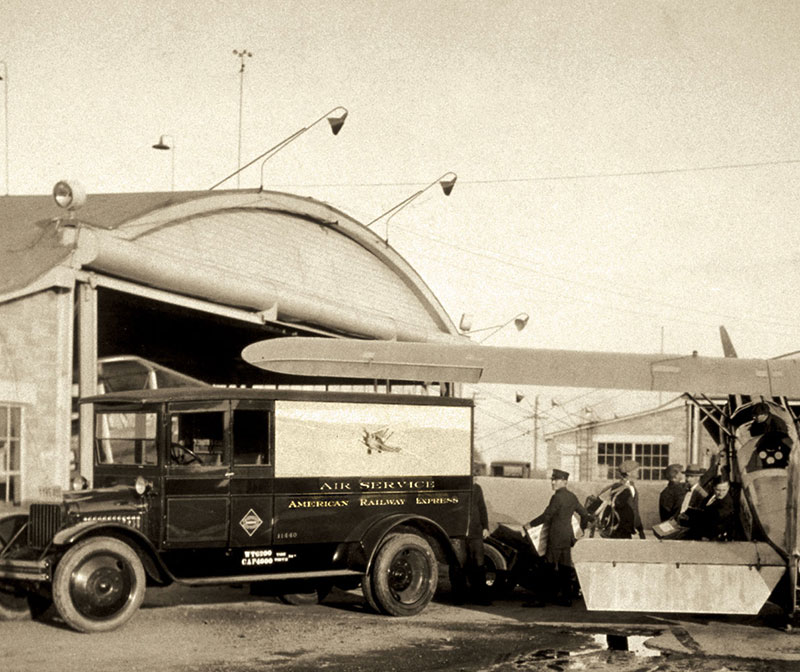
The decline of the independent express business was inevitable as the U.S. government consolidated express services during World War I. While this might have been the end for many companies, American Express saw it as a catalyst for transformation. Their existing infrastructure, which included numerous offices and agents across the country and internationally, and their trusted relationship with businesses and individuals for handling valuables, became invaluable assets.
The company had already been engaging in financial activities for decades, almost as a natural extension of its express business. They offered remittance services, allowing customers to send money to others safely. This experience, coupled with a deep understanding of the need for secure financial transfers, positioned them perfectly for a full transition. Instead of merely transporting money, they began to facilitate its movement through new, innovative financial products.
The Birth of the Money Order and Travelers Cheque
American Express’s most significant early contributions to personal and business finance were the money order and, particularly, the Travelers Cheque.
-
The Money Order (1882): In an era before widespread personal checking accounts and accessible banking, sending money safely was a considerable challenge. The American Express Money Order provided a secure and convenient way for individuals to send funds. Customers could purchase a money order at an Amex office and send it to a recipient, who could then cash it at another Amex office or a cooperating bank. This revolutionized personal remittances and small business payments, offering a level of security and accessibility previously unavailable to many.
-
The Travelers Cheque (1891): This product truly cemented American Express’s place in financial history. Invented by James C. Fargo (William’s brother and then treasurer of the company) after a frustrating experience trying to cash letters of credit in Europe, the Travelers Cheque was a groundbreaking innovation. It allowed travelers to carry their money in a secure, pre-paid, and widely accepted form, reducing the risk of theft and the inconvenience of currency exchange. The unique feature—signing the cheque once upon purchase and again upon cashing it in front of a counter agent—provided a robust layer of security. The Travelers Cheque became an indispensable tool for international travelers and domestic tourists alike, facilitating the growth of global commerce and leisure travel by making money portable and safe. Its impact on personal finance was immense, offering peace of mind and financial liquidity in an era where ATM networks and credit cards were decades away.
Building Trust in a Developing Financial Landscape
In the late 19th and early 20th centuries, the financial landscape was fragmented. Many small banks existed, but a unified, universally trusted system for financial transactions was still developing. American Express, with its vast network of offices and agents, its history of secure express delivery, and its innovative financial products, filled a crucial void. They established a reputation for trustworthiness and reliability that transcended local banking limitations. This trust was paramount, especially for their money orders and Travelers Cheques, which relied on the public’s confidence in American Express to honor its commitments globally. This foundation of trust was a vital precursor to their later success in the credit card industry.
Forging a Global Financial Network: The 20th Century Expansion
Building on the success of its money orders and Travelers Cheques, American Express continued its journey of financial innovation and global expansion throughout the 20th century. The company meticulously built out its international presence, adapting its financial services to the evolving needs of a world becoming increasingly interconnected through trade and tourism.
International Reach and Banking Operations
American Express began establishing offices in major European cities like Paris and London in the late 19th century, initially to support the Travelers Cheque business. These offices soon evolved into more comprehensive banking and travel services hubs. They facilitated foreign exchange, offered banking services to Americans living or traveling abroad, and provided travel assistance. This international network was critical during the two World Wars, assisting soldiers, civilians, and governments with financial and logistical support. By the mid-20th century, American Express had become a formidable international banking presence, supporting global trade, tourism, and a burgeoning global economy with its robust financial infrastructure.
The Advent of the Credit Card Era
While American Express’s founding predates the modern credit card by over a century, its foray into this domain was a logical evolution, building on its legacy of payment convenience and trust. In 1958, American Express launched its first charge card. Unlike a credit card, a charge card required the balance to be paid in full each month. However, it offered a powerful new way for consumers and businesses to make purchases without cash, relying on Amex’s established network and reputation.
The Amex Card was initially targeted at a premium clientele, offering prestige and a wide acceptance network, particularly in travel and entertainment. This strategic focus allowed American Express to differentiate itself in the burgeoning payment card market. The launch of the charge card marked a significant shift in its business model, moving from being a facilitator of secure payments through paper instruments to a direct provider of electronic payment solutions. This innovation had a profound financial impact, simplifying transactions, providing greater purchasing power, and fundamentally changing how consumers and businesses managed their spending and payments. It was a natural progression from the Travelers Cheque, which also aimed to make payments easier and safer, albeit in a pre-electronic format.
Adapting to Modern Financial Needs
Throughout the latter half of the 20th century and into the 21st, American Express continued to innovate and adapt. They introduced co-branded cards, loyalty programs (like Membership Rewards), and services tailored for small businesses and corporations. They ventured into merchant acquiring, online banking, and digital payment solutions. The company consistently focused on enhancing the value proposition for its cardholders and merchants, leveraging technology to offer more seamless, secure, and rewarding financial experiences. This continuous adaptation has been crucial in maintaining its competitive edge in a rapidly changing financial market, moving from physical documents to digital payment ecosystems.
American Express Today: A Legacy of Financial Innovation
From its humble beginnings as an express delivery service, American Express has transformed into a global financial powerhouse, embodying a legacy of innovation, trust, and adaptability in the financial sector. Its journey underscores the critical role of understanding evolving financial needs and pivoting strategically to meet them.
Core Business Lines and Market Position
Today, American Express operates primarily in three interconnected segments: Global Consumer Services Group (GCSG), Global Commercial Services (GCS), and Global Merchant and Network Services (GMNS).
- GCSG offers a range of proprietary charge and credit cards, travel, and lifestyle services to consumers worldwide.
- GCS provides payment and expense management solutions to small and medium-sized enterprises and large corporations.
- GMNS operates the global American Express network, processing transactions and acquiring merchants.
American Express maintains a strong market position as a premium financial services provider. While it doesn’t boast the sheer card volume of Visa or Mastercard, it strategically focuses on delivering exceptional value, rewards, and customer service to a discerning customer base, often targeting higher-spending individuals and businesses. Its closed-loop network (where Amex is both the issuer and the network operator) provides unique insights into card member spending and merchant acceptance, enabling tailored products and services.
The Value Proposition in Modern Finance
In the digital age, American Express continues to differentiate itself through its robust rewards programs, renowned customer service, and a perception of prestige and exclusivity. Its focus on travel, dining, and premium experiences resonates with its target demographic. Furthermore, its continuous investment in digital capabilities, security features, and integration with modern payment methods ensures that its financial tools remain relevant and competitive. Whether it’s through mobile payments, online account management, or sophisticated fraud protection, American Express strives to offer a seamless and secure financial experience. For businesses, its expense management tools and corporate cards provide critical financial control and insights.
Lessons from a 170-Year Journey
The history of American Express offers profound lessons in business finance:
- Adaptation is Key: The company’s survival and success hinge on its ability to repeatedly pivot its core business in response to market shifts – from express freight to money orders, Travelers Cheques, and then credit cards.
- Trust is Paramount: From securely delivering valuables to guaranteeing Travelers Cheques and processing billions in card transactions, trust has always been the cornerstone of American Express’s financial relationship with its customers.
- Innovation Drives Growth: Identifying unmet financial needs (like secure travel money) and developing groundbreaking solutions has consistently propelled the company forward.
- Understanding Customer Needs: American Express has consistently tailored its financial products and services to specific segments, delivering value that justifies its premium positioning.
Conclusion
American Express, founded on March 18, 1850, began its journey not in the realm of credit cards but as a vital link in the logistics chain of a burgeoning nation. Its transformation from an express delivery company to a global financial services and payment solutions leader is a testament to its foresight, adaptability, and an unwavering commitment to financial innovation. From securing gold shipments in its early days to pioneering the Travelers Cheque and later the charge card, American Express has consistently shaped the landscape of personal and business finance. Its enduring legacy is one of empowering commerce and facilitating secure financial transactions, making its founding a significant milestone in the broader history of modern finance.
aViewFromTheCave is a participant in the Amazon Services LLC Associates Program, an affiliate advertising program designed to provide a means for sites to earn advertising fees by advertising and linking to Amazon.com. Amazon, the Amazon logo, AmazonSupply, and the AmazonSupply logo are trademarks of Amazon.com, Inc. or its affiliates. As an Amazon Associate we earn affiliate commissions from qualifying purchases.