
The American retail landscape is dotted with brands that have become household names, weaving themselves into the fabric of consumer culture. Among these, American Eagle Outfitters stands out as a brand synonymous with casual, comfortable, and trend-right apparel for young adults. Yet, behind its ubiquitous presence in malls and online storefronts lies a foundational story, a specific moment when the idea of American Eagle first took flight. Pinpointing this exact origin is crucial to understanding the brand’s trajectory and its enduring appeal.
American Eagle Outfitters was founded in 1977 by brothers Jerry and Mark Silverman. However, its initial incarnation was quite different from the specialty apparel retailer we know today. The Silvermans’ primary business at the time was Retail Ventures, Inc., which owned and operated a chain of menswear and womenswear stores. American Eagle was initially conceived as a sub-brand within these larger stores, designed to offer a more specific selection of outdoor-inspired apparel and accessories, catering to a niche market for durable, casual wear. This distinction is vital for brand strategists, as it illustrates how even major brands can begin as an offshoot or an experiment, rather than a fully formed corporate entity. The vision was to create a destination for adventure-ready clothing, a concept that resonated with a segment of the American consumer base looking for functional yet stylish options.

The Genesis Story: From Concept to Cornerstone
The birth of American Eagle in 1977 wasn’t a sudden explosion onto the fashion scene but rather a strategic expansion within an existing retail operation. The Silverman brothers, with their keen understanding of the market, identified a gap for a specific type of casual wear that wasn’t being fully served by general department stores or high-end boutiques. This early insight laid the groundwork for what would become a formidable brand in its own right.
The Founding Visionaries and Early Years
Jerry and Mark Silverman were seasoned retailers long before American Eagle became a standalone success. Their company, Retail Ventures, Inc., had a history of adapting to consumer trends and expanding its offerings. The decision to launch American Eagle Outfitters was a testament to their entrepreneurial spirit and foresight. In its nascent stages, American Eagle didn’t boast dedicated flagship stores but rather sections within the Silverman brothers’ existing chains, particularly within the larger “Silvermans” department stores. These sections offered items like jeans, sweaters, outdoor gear, and accessories, aiming to capture the essence of a rugged, adventurous American lifestyle. This phased approach to market entry, starting as a ‘store within a store,’ allowed the brand to test concepts, gauge consumer interest, and refine its product assortment without the immense capital outlay required for immediate independent store launches. It was a strategic branding move, allowing the core business to fund and incubate a new venture.
Initial Market Positioning and Target Audience
In 1977, American Eagle’s initial market positioning was distinct. It wasn’t targeting the high-fashion crowd, nor was it solely focused on the mass market. Instead, it carved out a niche for “outfitter” style clothing—durable, comfortable, and practical apparel with an outdoor, adventurous aesthetic. Think flannels, denim, sturdy boots, and sweaters designed for warmth and utility. The target audience, while not as sharply defined as today’s focus on teenagers and young adults, leaned towards those who appreciated quality, functionality, and a relaxed lifestyle. This early positioning was crucial; by not trying to be everything to everyone, American Eagle could build a loyal customer base attracted to its specific brand promise. This early strategy also provided a robust foundation for the brand’s eventual pivot and expansion, demonstrating the power of niche targeting in the early stages of brand development.
Establishing a Brand Identity: Beyond the Basics
While the founding date marks the beginning, the true establishment of American Eagle as a significant brand involved a meticulous process of identity creation and refinement. This went far beyond just product offerings, encompassing everything from visual aesthetics to the underlying values the brand sought to project.
Evolution of the American Eagle Aesthetic
The initial “outfitter” aesthetic of American Eagle, rooted in practical outdoor wear, began to evolve significantly in the late 1980s and early 1990s. As the brand gained traction and began opening standalone stores, it started to shift its focus from purely functional outdoor gear to more casual, fashion-forward apparel for a younger demographic. The 1990s were a pivotal decade, seeing the brand fully embrace a collegiate, laid-back style that resonated deeply with high school and college students. This aesthetic was characterized by comfortable denim, graphic tees, hoodies, and polo shirts—items that became staples in youth wardrobes. This strategic shift in aesthetic was not arbitrary; it was a response to market trends and a conscious decision to capture a rapidly growing and influential consumer segment. By adapting its visual identity, American Eagle successfully transformed from a niche outfitter to a mainstream youth brand.
Early Marketing Strategies and Customer Engagement
Early marketing efforts for American Eagle focused on projecting an image of authenticity, freedom, and an aspirational lifestyle. Before the age of digital marketing, this largely involved print advertisements, in-store merchandising, and word-of-mouth generated by a desirable product line. The brand effectively communicated its message through imagery that depicted young, carefree individuals enjoying life, often in natural, picturesque settings. This approach created an emotional connection with consumers, making them feel that American Eagle wasn’t just selling clothes, but a lifestyle. The in-store experience also played a vital role; stores were designed to be inviting and approachable, encouraging lingering and exploration. By building a consistent narrative around its product and presentation, American Eagle fostered a sense of community and belonging among its target audience, a cornerstone of successful brand building.
The Significance of Name and Logo
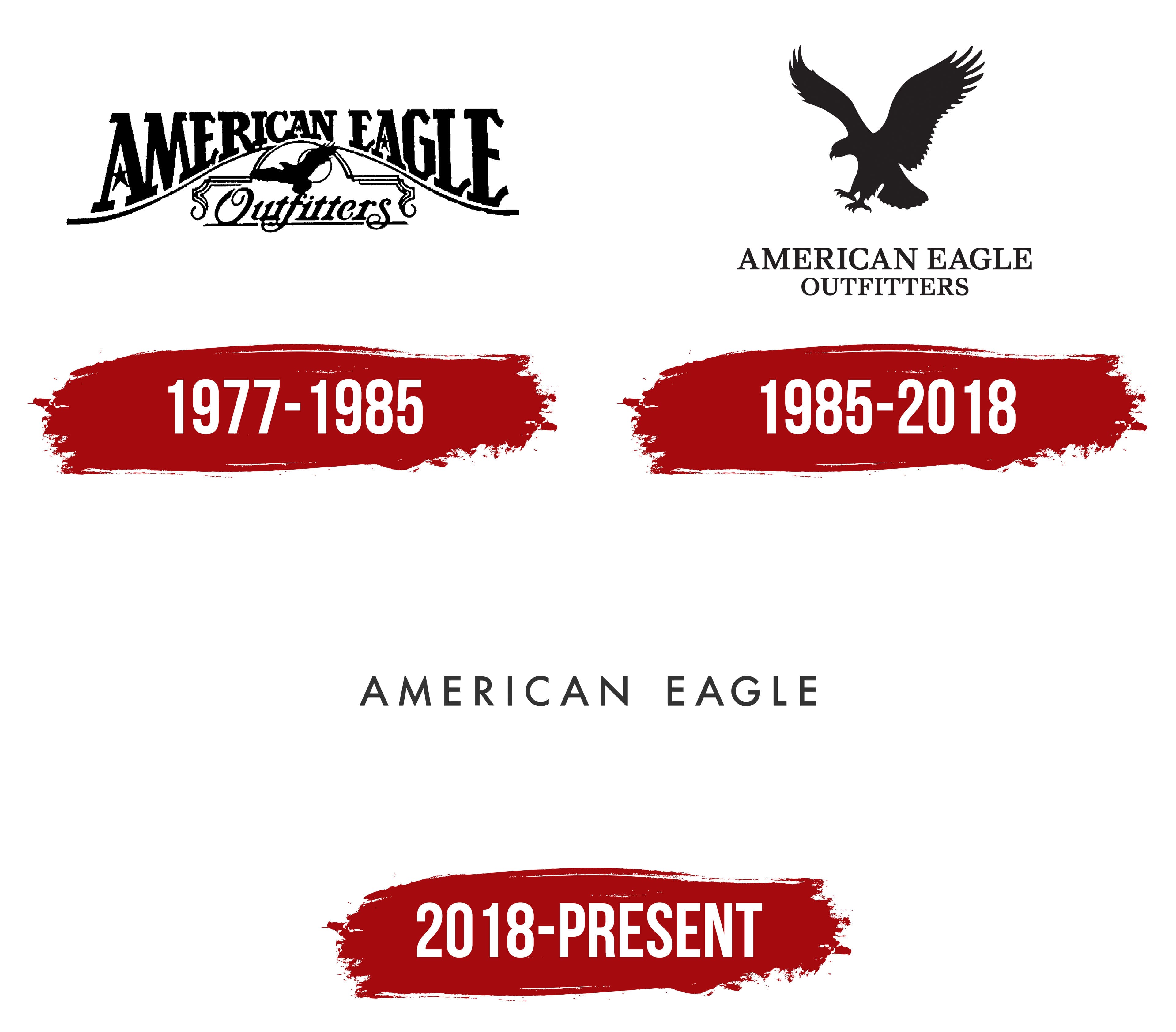
The name “American Eagle Outfitters” itself carries significant branding weight. “American Eagle” evokes a sense of national pride, freedom, and aspiration, while “Outfitters” initially anchored it to its outdoor utility roots. This combination positioned the brand as quintessentially American and adventurous. The logo, often featuring a stylized eagle or simplified typography, also evolved over time but consistently maintained a clean, classic, and accessible feel. The eagle motif, a powerful symbol, reinforced the brand’s association with strength, vision, and a certain all-American spirit. A well-chosen name and logo are invaluable assets in brand strategy, providing instant recognition and conveying core attributes without words. For American Eagle, these elements became powerful mnemonic devices, helping it stand out in a crowded retail market.
Growth and Expansion: Navigating the Retail Landscape
The period following its founding saw American Eagle Outfitters embark on an aggressive growth strategy, transforming from a small segment within larger stores to a dominant specialty retailer with hundreds of locations. This expansion wasn’t without its challenges but showcased the brand’s ability to adapt and innovate.
Key Milestones and Geographic Reach
The late 1980s and early 1990s marked a significant period of expansion for American Eagle. After the Silverman brothers sold a controlling interest in the company in 1991 to Jacob Goldfarb, a new era of growth began. Goldfarb brought in new management, including Robert Hanson, who spearheaded the brand’s pivot towards a younger demographic and a focus on casual wear. This strategic shift led to a rapid increase in standalone American Eagle stores across shopping malls throughout the United States. By the mid-1990s, American Eagle was a ubiquitous presence, becoming a go-to destination for high school and college students. This aggressive geographic expansion was crucial for building brand awareness and market share, solidifying its position as a national player in the youth apparel market.
Adapting to Market Shifts and Consumer Demands
One of American Eagle’s enduring strengths has been its capacity for adaptation. The retail landscape is constantly shifting, driven by evolving fashion trends, economic conditions, and technological advancements. American Eagle has consistently demonstrated a keen ability to adjust its product lines, marketing messages, and retail strategies to remain relevant. When competitors emerged, the brand innovated with new fabrics, fits, and collaborations. When the digital revolution took hold, American Eagle was an early adopter of e-commerce, building a robust online presence that complemented its brick-and-mortar stores. This continuous adaptation, driven by a deep understanding of its target consumer’s ever-changing demands, has been critical to the brand’s longevity and competitive edge.
Diversification and Sub-Brands (e.g., Aerie)
A pivotal strategic move for American Eagle’s long-term brand health was the introduction of sub-brands. The most prominent example is Aerie, launched in 2006. Aerie initially focused on intimate apparel and sleepwear for young women but quickly distinguished itself through its groundbreaking “AerieREAL” campaign, which promotes body positivity and unretouched models. This initiative not only resonated powerfully with consumers but also carved out a distinct and highly successful niche for Aerie, separate from American Eagle’s core offerings. The success of Aerie demonstrates a sophisticated understanding of brand diversification: creating distinct identities that cater to specific needs and values within the broader target demographic, thereby expanding market reach without diluting the core brand. This multi-brand strategy allows the parent company to capture various consumer segments and respond to different cultural movements effectively.
The Enduring Legacy: American Eagle in the Modern Era
Decades after its founding, American Eagle continues to be a formidable force in retail. Its journey from a small “outfitter” section to a global brand offers valuable insights into sustained brand relevance and success in a challenging market.
Reinvention and Digital Transformation
In an era dominated by e-commerce and social media, American Eagle has skillfully navigated the digital transformation. The brand invested heavily in its online platforms, creating seamless shopping experiences across desktop and mobile devices. Crucially, it understood that digital presence extended beyond just sales; it was about building community and engagement. Through platforms like Instagram, TikTok, and YouTube, American Eagle connects with its audience, leveraging influencer marketing, user-generated content, and interactive campaigns. This digital savvy allows the brand to stay current with trends, gather real-time feedback, and maintain a constant dialogue with its core demographic, demonstrating that even heritage brands must continuously reinvent their engagement strategies to thrive.
Social Responsibility and Brand Values
Modern consumers, particularly young adults, are increasingly discerning about the brands they support, prioritizing those that align with their values. American Eagle has responded by integrating social responsibility into its brand identity. From sustainable practices in manufacturing to initiatives supporting mental health and LGBTQ+ rights, the brand actively engages in causes that matter to its audience. The “AerieREAL” campaign is perhaps the most visible example, but broader commitments to ethical sourcing, diversity, and community involvement underscore a conscious effort to build a brand that stands for more than just clothing. This commitment to brand values not only fosters customer loyalty but also positions American Eagle as a responsible corporate citizen, a critical aspect of contemporary brand building.
Sustaining Relevancy in a Competitive Market
The retail sector is notoriously competitive, with new brands constantly emerging and consumer preferences shifting rapidly. American Eagle’s ability to sustain relevancy since 1977 is a testament to its dynamic brand strategy. This involves a continuous cycle of trend forecasting, product innovation, and marketing evolution. By maintaining a finger on the pulse of youth culture, responding swiftly to fashion cycles, and consistently delivering high-quality, comfortable, and stylish apparel at accessible price points, American Eagle has managed to avoid the fate of many once-popular brands that failed to adapt. Its blend of classic styles with modern twists ensures it remains a staple for successive generations of young consumers.
Lessons from the Eagle: A Brand Study in Longevity
The nearly five-decade journey of American Eagle Outfitters provides a rich case study in brand development and sustained success. Its origins in 1977 set the stage for a brand that would master the art of evolution.
The Power of Authenticity and Adaptability
American Eagle’s success story highlights the critical interplay between authenticity and adaptability. While its initial “outfitter” concept provided an authentic foundation, the brand’s willingness to adapt its aesthetic, target audience, and marketing strategies over the decades has been paramount. It has consistently understood that authenticity is not static; it must evolve with the times while retaining a core essence that resonates with its audience. Brands that fail to adapt risk becoming obsolete, no matter how strong their initial vision. American Eagle demonstrates that true brand strength lies in a dynamic balance of staying true to oneself while constantly reinventing.
Building Community Through Brand
From its early days of projecting an aspirational lifestyle to its current emphasis on social responsibility and body positivity, American Eagle has consistently sought to build a community around its brand. It sells more than just clothes; it sells an identity, a sense of belonging, and a set of shared values. This approach fosters deep customer loyalty, turning casual shoppers into brand advocates. In an increasingly fragmented world, brands that can create a genuine sense of community and connection hold a powerful advantage, transforming transactional relationships into meaningful engagements.
Future Outlook and Continuous Evolution
As American Eagle looks towards its next chapter, its commitment to continuous evolution remains key. The brand will undoubtedly face new challenges—from shifting economic landscapes to emerging technologies and changing consumer expectations. However, by staying true to its founding principles of understanding its customer, innovating its product, and adapting its brand narrative, American Eagle is well-positioned to maintain its status as a beloved and relevant retail icon for years to come. Its journey since 1977 serves as a powerful reminder that while a founding date marks a beginning, the true story of a brand is told through its ongoing commitment to evolution and its enduring connection with its audience.
aViewFromTheCave is a participant in the Amazon Services LLC Associates Program, an affiliate advertising program designed to provide a means for sites to earn advertising fees by advertising and linking to Amazon.com. Amazon, the Amazon logo, AmazonSupply, and the AmazonSupply logo are trademarks of Amazon.com, Inc. or its affiliates. As an Amazon Associate we earn affiliate commissions from qualifying purchases.