
Supplemental Security Income (SSI) is a critical federal program designed to provide financial assistance to eligible individuals with limited income and resources. It offers a lifeline for millions, ensuring basic needs can be met for the elderly, blind, and disabled. However, understanding when to apply for SSI, and indeed when it is the most appropriate financial strategy, involves navigating a complex web of eligibility criteria, application processes, and strategic considerations. This comprehensive guide will demystify SSI, helping you discern the optimal timing for engaging with this vital safety net.
Understanding Supplemental Security Income (SSI): A Foundation for Financial Stability
Before delving into the specifics of timing, it’s crucial to establish a clear understanding of what SSI is, who it serves, and how it differs from other government benefits. This foundational knowledge is paramount for anyone considering “when to take SSI.”
What is SSI and Who Does It Serve?
Supplemental Security Income (SSI) is a needs-based program administered by the Social Security Administration (SSA). Unlike Social Security retirement or disability benefits, which are earned through work contributions (FICA taxes), SSI is funded by general U.S. Treasury funds. Its primary purpose is to provide a minimum level of income to aged (65 or older), blind, or disabled individuals who have very limited income and resources.
The program aims to assist those who may not have a substantial work history or who have exhausted their ability to work due to a severe medical condition, ensuring they can cover essential living expenses like food and shelter. The benefit amount is federal, but many states supplement this federal payment, leading to variations in the total monthly benefit depending on where an individual resides. Crucially, receiving SSI often automatically qualifies individuals for Medicaid, a significant health insurance benefit for those with low incomes, further enhancing its role as a fundamental pillar of financial and health security.
Key Differences: SSI vs. Social Security Disability Insurance (SSDI)
One of the most common areas of confusion lies in distinguishing SSI from Social Security Disability Insurance (SSDI). While both programs are administered by the SSA and provide benefits to people with disabilities, their eligibility requirements and funding mechanisms are fundamentally different, impacting when one might consider each.
SSDI is an entitlement program for workers who have paid FICA taxes through employment, earning sufficient “work credits.” It’s akin to an insurance policy: if you become disabled and have paid enough into the system, you receive benefits. There are no income or resource limits for SSDI, though earnings from work may affect benefits.
SSI, on the other hand, is a welfare-style program based purely on financial need. It does not require a work history, but rather strict income and resource limits. An individual can be eligible for SSI immediately upon meeting the disability criteria and financial tests, regardless of past employment. Some individuals may qualify for both SSI and SSDI, known as “concurrent benefits,” if their SSDI benefit is very low and they meet SSI’s income and resource thresholds. Understanding this distinction is vital, as it dictates which program an individual should consider applying for, or if they should apply for both, at a given point in their life. The “when to take SSI” question primarily concerns individuals whose work history is insufficient for SSDI, or whose income and resources are extremely low.
Deciphering SSI Eligibility: The Critical “When”
The decision of “when to take SSI” is intrinsically linked to meeting the program’s stringent eligibility criteria. These criteria are the gatekeepers, determining if an individual can even be considered for benefits. Understanding them precisely helps individuals identify the moment they cross the threshold into eligibility.
The Income and Resource Test
The cornerstone of SSI eligibility is the financial means test. For individuals, countable resources (assets like bank accounts, cash, investments, and some property) generally cannot exceed $2,000. For couples, this limit is $3,000. Not all assets count; for example, the home you live in, one vehicle, and certain personal effects are typically excluded.
Beyond resources, income is a primary determinant. The SSA evaluates “countable income,” which includes earned income (wages), unearned income (pensions, social security benefits, interest), and even “in-kind” income (food or shelter received from someone else). There are various exclusions and deductions applied to income, meaning not every dollar you receive counts against you. For instance, the first $20 of most income and the first $65 of earned income plus half of the remainder are usually disregarded. The monthly countable income must fall below the Federal Benefit Rate (FBR), which is the maximum federal SSI payment. If your countable income exceeds the FBR, you are generally not eligible. The “when” to apply often arises when an individual’s income drops significantly, or their medical condition prevents them from earning above these thresholds.
Medical Disability and Age Requirements
Beyond financial criteria, the individual must meet specific definitions for age, blindness, or disability.
For disability, the SSA has a very strict definition: you must be unable to engage in any “substantial gainful activity” (SGA) due to a medically determinable physical or mental impairment(s) that is expected to result in death, or has lasted or is expected to last for a continuous period of not less than 12 months. This is a crucial distinction. Many people may feel disabled, but the SSA’s definition is extremely rigorous. The “when” for disability often comes after an injury or illness has clearly rendered someone unable to work for an extended period, or when a pre-existing condition significantly worsens.
For blindness, the definition is also specific: central visual acuity of 20/200 or less in the better eye with the use of a correcting lens, or a visual field limitation such that the widest diameter of the visual field subtends an angle no greater than 20 degrees.
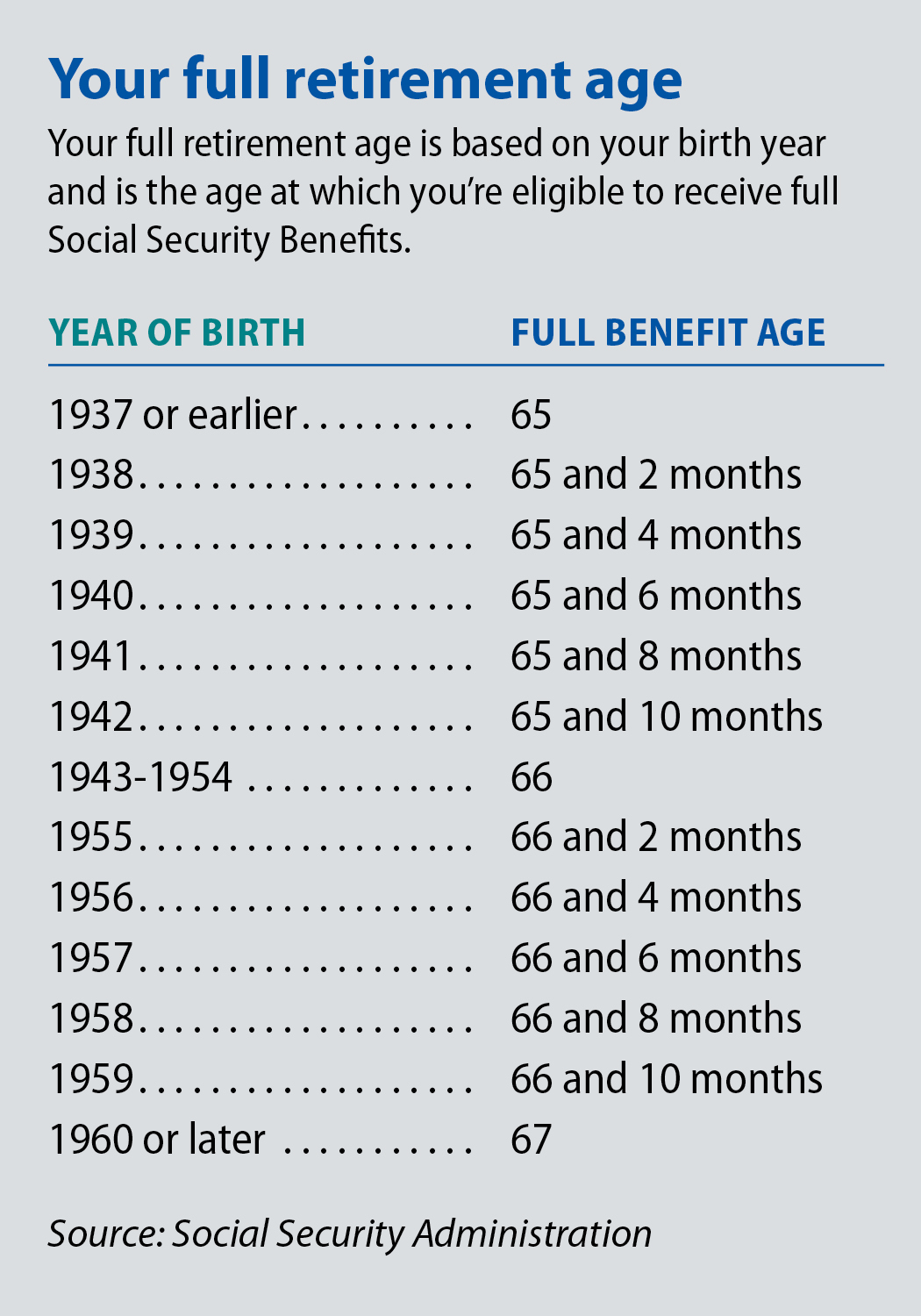
Finally, if an individual is not blind or disabled, they must be age 65 or older. For many seniors with limited or no work history and minimal savings, reaching age 65 is the natural “when” to consider applying for SSI, as their primary eligibility criterion is met.
Citizenship and Residency Status
To be eligible for SSI, individuals generally must be a U.S. citizen or national, or in certain categories of aliens. This includes lawful permanent residents (green card holders) who meet specific additional conditions, such as having lived in the U.S. for five years or being a refugee. Furthermore, the applicant must reside in one of the 50 states, the District of Columbia, or the Northern Mariana Islands. These demographic and legal requirements are non-negotiable and form a foundational aspect of “when to take SSI.” If an individual does not meet these basic requirements, the timing of their application is irrelevant as they would be ineligible.
Strategic Timing for Your SSI Application
Identifying the precise moment to apply for SSI involves more than just meeting the basic criteria; it requires a strategic approach that considers immediate needs, the application process itself, and the interplay with other potential benefits.
Recognizing the Immediate Need
The most compelling “when” to apply for SSI is often when an immediate and pressing financial need arises due to a qualifying condition. If an individual becomes disabled and can no longer work, or if their income and resources fall below the SSI thresholds due to job loss, medical expenses, or other life changes, then prompt application is crucial. SSI benefits typically do not begin until the first full month after the application is filed and approved. There are no retroactive benefits for SSI in the same way there might be for SSDI. This means any delay in applying, once eligible, translates directly into lost potential income during a period of financial vulnerability. For individuals facing homelessness, food insecurity, or an inability to pay for essential utilities, the “when” is unequivocally “as soon as possible.”
Navigating the Application Process Timeline
The application process for SSI can be lengthy, especially for disability claims, which often require extensive medical documentation and multiple reviews. While applications for age-based or blindness-based SSI might be quicker, disability determinations can take several months, or even over a year if appeals are necessary. This extended timeline is a critical factor in “when to take SSI.” Prospective applicants should anticipate this duration and ideally apply before their financial situation becomes dire.
Starting the application when stable housing is still possible, or while they still have access to medical care, can significantly ease the burden of the process. Gathering all necessary documents—medical records, financial statements, birth certificates, proof of citizenship—in advance can help expedite the process. Understanding that the wheels of bureaucracy turn slowly should inform the timing of one’s application; proactive engagement is almost always more beneficial than reactive.
The Role of Other Benefits and Resources
The decision of “when to take SSI” also needs to consider any other benefits or resources an individual might be receiving or be eligible for. As mentioned, SSI is a payer of last resort for many. If an individual is receiving unemployment benefits, workers’ compensation, or a small pension, these will likely count as income and could reduce or eliminate SSI eligibility. Therefore, the “when” might be after other temporary benefits have expired, or when those benefits are insufficient to meet basic needs and the individual now also meets the strict income and resource tests for SSI.
For individuals applying for both SSDI and SSI (concurrent claims), the timing can be more complex. Often, SSI can provide interim financial support while awaiting a potentially larger SSDI approval, especially since SSDI has a 5-month waiting period from the onset of disability before benefits begin. Understanding how these benefits interact is essential for maximizing overall financial support. Consulting with an expert can help determine the most advantageous sequence and timing for applying for various benefits.
Maximizing Your SSI Benefits: Considerations Beyond Eligibility
Once the decision has been made on “when to take SSI,” the focus shifts to ensuring that the benefits are maximized and maintained. This involves understanding ongoing rules and knowing when to seek professional help.
Understanding Deeming Rules and Their Impact
A unique aspect of SSI, especially for children and married couples, is “deeming.” Deeming is the process by which the SSA considers a portion of the income and resources of other people (like a spouse or parent) as available to the SSI applicant, even if it’s not actually given to them. This can significantly impact eligibility and benefit amounts.
For example, if a child applies for SSI, a portion of their parents’ income and resources may be “deemed” to the child, potentially making the child ineligible or reducing their benefit. Similarly, a non-disabled spouse’s income can be deemed to a disabled spouse. The “when to take SSI” decision in these scenarios must factor in the household’s entire financial picture. Sometimes, a change in household composition (e.g., a child turning 18, which often stops parental deeming) can be the strategic “when” to apply, or to re-evaluate eligibility for increased benefits.
Maintaining Eligibility: Ongoing Responsibilities
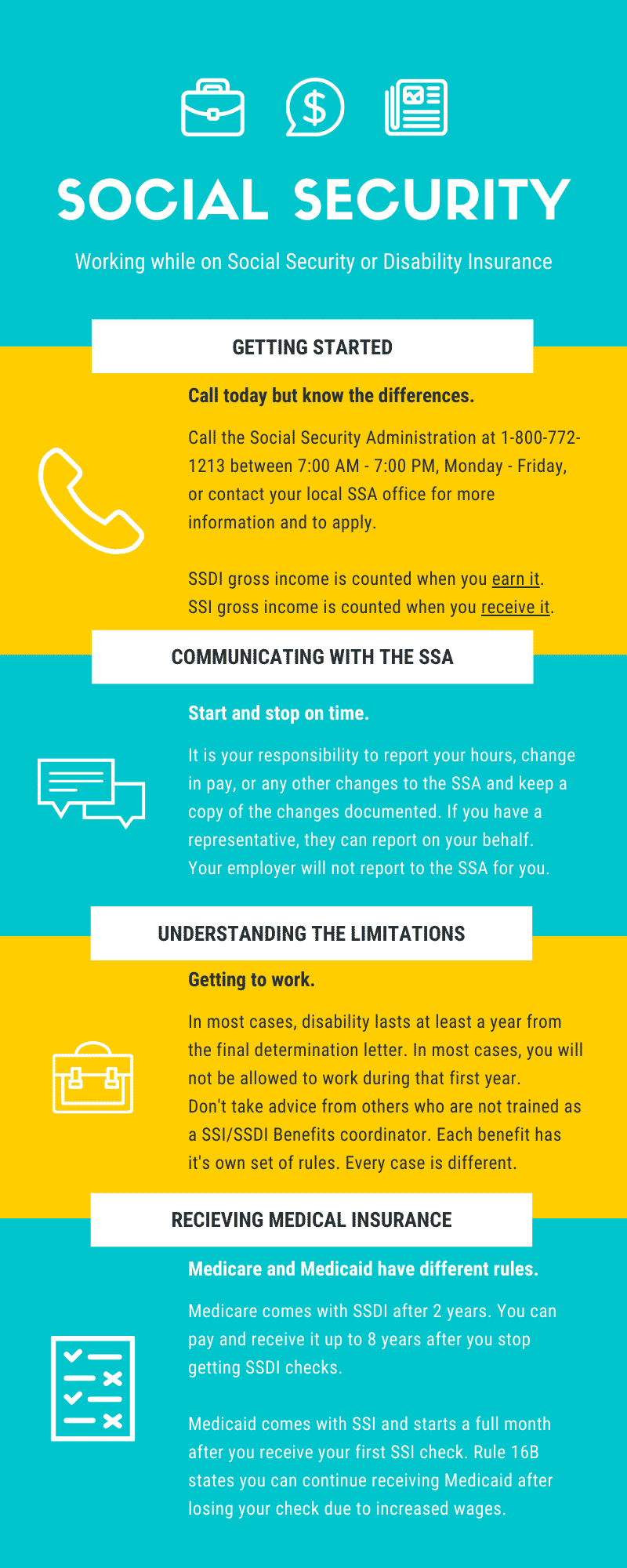
Receiving SSI is not a one-time event; it involves ongoing responsibilities to maintain eligibility. Beneficiaries must report changes in income, resources, living arrangements, and medical condition to the SSA promptly. Failure to do so can lead to overpayments, which the SSA will later seek to recover, creating significant financial hardship. The “when to take SSI” includes a commitment to these ongoing reporting duties.
The SSA periodically reviews eligibility through “redeterminations” (for financial factors) and “continuing disability reviews” (CDRs) for medical factors. Understanding that these reviews are a part of the program is crucial. Preparing for them by keeping accurate records of income, expenses, and medical treatments helps ensure benefits continue without interruption.
The Importance of Professional Guidance
Given the complexity of SSI rules, including intricate income exclusions, resource limitations, deeming rules, and the rigorous disability determination process, seeking professional guidance is often indispensable. Disability attorneys, advocates, and financial advisors specializing in government benefits can provide invaluable assistance. They can help assess eligibility, navigate the application process, gather necessary documentation, represent claimants in appeals, and advise on how “when to take SSI” aligns with an individual’s broader financial and life goals.
Their expertise can prevent common pitfalls, ensure all available benefits are explored, and potentially speed up the approval process. For many, the investment in professional help translates into a smoother, less stressful experience and a higher likelihood of a favorable outcome.
Common Misconceptions and Proactive Steps
Many myths surround SSI, often deterring eligible individuals from applying or causing them to apply at suboptimal times. Dispelling these and taking proactive steps can significantly improve outcomes.
Dispelling Myths About SSI and Work
A pervasive myth is that you cannot work at all while receiving SSI. While SSI is for individuals with very limited income, the SSA has programs designed to help beneficiaries work and become more self-sufficient without immediately losing their benefits. These are known as “Work Incentives.” Programs like the Plan to Achieve Self-Support (PASS) allow individuals to set aside income and resources for a work goal, without impacting their SSI eligibility. The “when to take SSI” also considers future work potential, and these incentives show that SSI can be a bridge, not a barrier, to employment for those who are able to work part-time or move into the workforce gradually.
Preparing for Your Application
Regardless of “when” you decide to apply, thorough preparation is key. This involves:
- Gathering Documentation: Collect birth certificates, proof of citizenship, Social Security card, bank statements, asset records, income statements, and medical records (doctors’ names, addresses, treatment dates, test results).
- Organizing Medical History: Create a detailed list of all medical conditions, treatments, medications, and healthcare providers.
- Understanding Your Finances: Have a clear picture of all income sources and assets, understanding what counts and what doesn’t.
- Seeking Support: Inform family or trusted friends about your plans so they can assist you, especially with documentation or transportation to appointments.
Future Planning and SSI
For individuals currently receiving SSI or those considering applying, future planning is essential. This includes understanding how inheritance, gifts, or sudden windfalls could impact eligibility. Special Needs Trusts (SNTs) are a legal tool that can allow individuals with disabilities to receive inheritances or lawsuit settlements without losing their SSI and Medicaid benefits, by holding the funds for their supplemental needs. The “when to take SSI” discussion sometimes needs to extend to “how to keep SSI” in the face of future financial events. Proactive planning ensures that financial stability is maintained not just at the point of application, but throughout the beneficiary’s life.
In conclusion, “when to take SSI” is not a simple question with a single answer. It is a nuanced decision influenced by individual circumstances, financial needs, medical realities, and a comprehensive understanding of the program’s intricate rules. By gaining clarity on eligibility, strategic timing, and ongoing responsibilities, individuals can make informed choices that leverage SSI as a vital component of their financial well-being.
aViewFromTheCave is a participant in the Amazon Services LLC Associates Program, an affiliate advertising program designed to provide a means for sites to earn advertising fees by advertising and linking to Amazon.com. Amazon, the Amazon logo, AmazonSupply, and the AmazonSupply logo are trademarks of Amazon.com, Inc. or its affiliates. As an Amazon Associate we earn affiliate commissions from qualifying purchases.