
The perennial question of “when to start taxes” often elicits a sense of dread, conjuring images of frantic midnight coffee sessions and overflowing shoeboxes of receipts in mid-April. However, for the financially savvy individual or business owner, tax season is not a singular event but a year-round cycle of strategic management. Understanding exactly when to begin the various phases of tax preparation is the difference between a stressful compliance obligation and a strategic financial maneuver that preserves wealth.
The reality of the modern financial landscape is that “starting” your taxes on April 1st is actually starting three months too late. To optimize your returns, minimize your liabilities, and maintain your sanity, you must view the tax calendar through a proactive lens. This guide explores the critical milestones of the tax timeline, shifting the focus from mere filing to comprehensive financial stewardship.
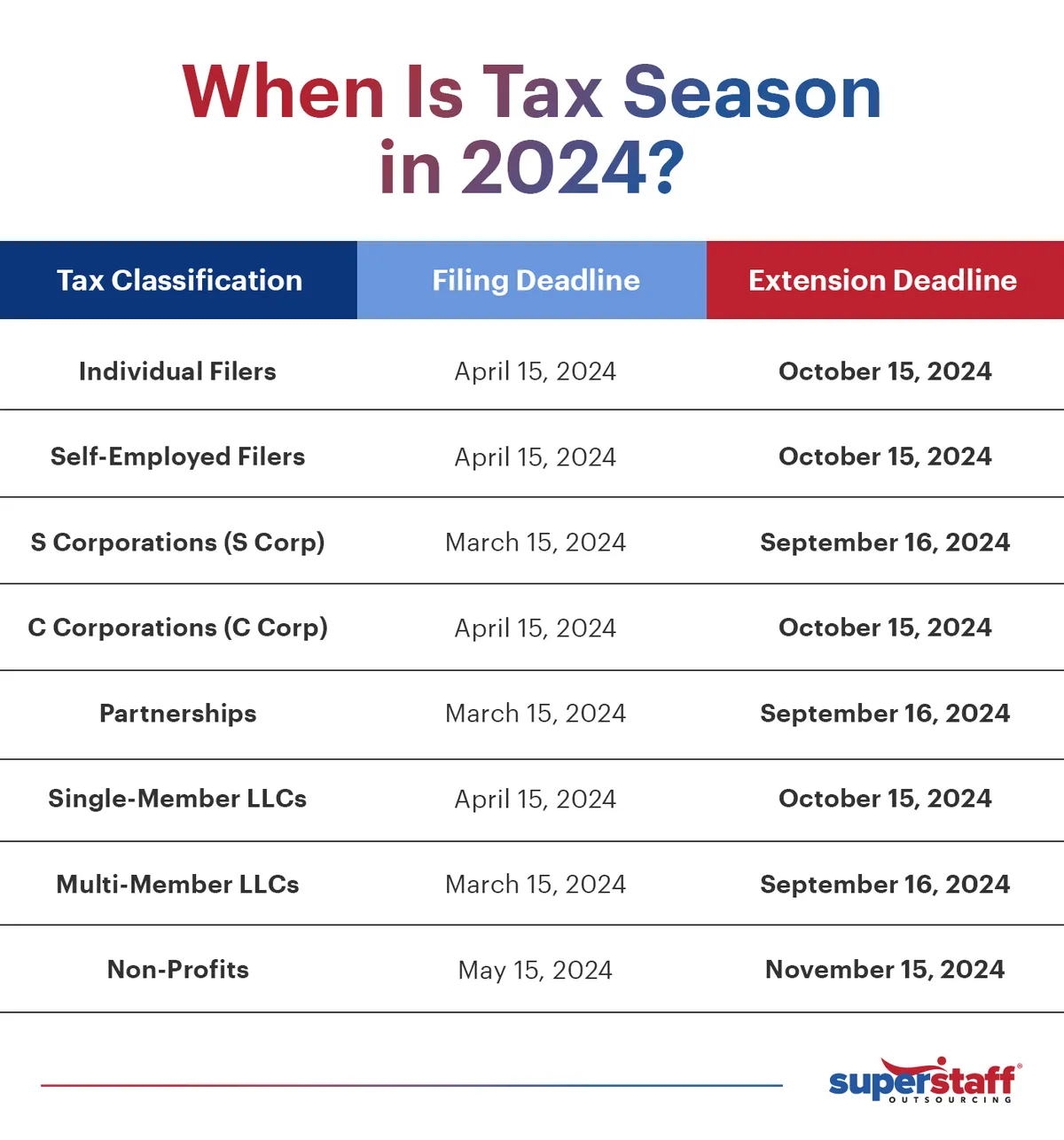
The Psychological and Financial Cost of the April Deadline
Most taxpayers operate on a reactive basis. They wait until they receive their W-2s or 1099s in late January or February, set them aside, and only begin the actual data entry or consultation process as the April 15th deadline looms. This reactive approach carries significant, often hidden, costs.
Breaking the “Once-a-Year” Mindset
Taxation is a reflection of your annual financial life. Every transaction, investment, and business expense throughout the year has a tax implication. When you relegate tax activity to a single month, you lose the ability to influence the outcome. Starting your taxes in the “pre-season”—which begins as early as the preceding November—allows you to make moves that can legally lower your taxable income before the books close on December 31st. Once January 1st hits, many of the most effective tax-saving strategies, such as tax-loss harvesting or specific business equipment purchases, are no longer available for the prior year.
The Hidden Penalties of Procrastination
Procrastination does more than cause stress; it creates financial leakage. Tax professionals are at their most overwhelmed in the six weeks leading up to the deadline. If you wait until March to book a CPA, you are likely paying a premium for their time, or worse, you are being handled by a junior associate because the principal’s schedule is saturated.
Furthermore, early filing is one of the most effective ways to combat identity theft. Criminals often use stolen Social Security numbers to file fraudulent returns early in the season to claim “refunds.” If you have already filed your legitimate return, the fraudulent one will be rejected by the IRS system. Starting early secures your spot in line and protects your capital.
The Ideal Tax Preparation Timeline: A Phased Approach
To master your finances, you must divide the “starting” process into four distinct phases. This ensures that when the filing window actually opens, the hard work is already done.
Phase 1: The Documentation Engine (Year-Round)
The most successful taxpayers “start” their taxes on January 1st of the tax year in question. This involves setting up a robust documentation engine. Whether you use cloud-based accounting software, specialized apps for receipt scanning, or a simple dedicated digital folder, the goal is real-time categorization.
For those with complex portfolios or multiple income streams, waiting until the end of the year to categorize expenses is a recipe for missed deductions. By starting the documentation process immediately, you ensure that every deductible business meal, every charitable contribution, and every home office expense is captured at the moment of impact.
Phase 2: The Year-End Strategy (November – December)
This is the “pre-filing” start date. In the final two months of the year, you should perform a “mock tax return.” By estimating your total income and potential deductions before the year ends, you can identify if you are on track to owe a significant balance or if you have room to reduce your liability.
During this phase, you might decide to increase your 401(k) contributions, donate to a 501(c)(3) organization, or accelerate business expenses into the current year. This is also the time to review your investment portfolio for tax-loss harvesting—selling underperforming assets to offset capital gains.
Phase 3: The Reconciliation Period (January)
January is the month of “The Great Gathering.” This is when employers, banks, and brokerage firms begin issuing forms like W-2s, 1099-INTs, and 1099-DIVs. The official “start” for filing usually begins in late January when the IRS opens its e-file gates.
During this month, your primary task is reconciliation. You should compare your internal records (from Phase 1) against the official forms you receive. Discrepancies are common, and catching an error on a 1099 in January is much easier to resolve than trying to fix it in April.
Phase 4: The Filing Window (February – March)
By the time February rolls around, you should be ready to execute. Filing in February or early March provides two major benefits: if you are owed a refund, you get your money back sooner to put into interest-bearing accounts; if you owe money, you have more time to arrange for the payment without the pressure of a 24-hour deadline.

Strategic Timing for Business Owners and Freelancers
For those who are self-employed or running a corporation, the question of when to start taxes is governed by different rules, primarily the quarterly estimated tax system.
Quarterly Estimated Payments: The “Pay-As-You-Go” Model
For the business owner, tax season is every three months. The IRS requires individuals who expect to owe more than $1,000 to pay taxes in four installments (typically April, June, September, and January).
If you view the April deadline as your “start” date, you have already failed the quarterly requirement and will likely face underpayment penalties. Therefore, the “start” for a business owner is the beginning of every quarter. This requires a sophisticated level of bookkeeping where profit and loss statements are generated monthly to accurately estimate tax liability.
Closing the Books and Amortization
Business taxes often involve complex calculations like depreciation and amortization. Starting the conversation with a tax strategist in early December allows for decisions regarding Section 179 deductions, which allow businesses to deduct the full purchase price of qualifying equipment and software purchased or financed during the tax year. If you wait until January to “start” thinking about these deductions, you have missed the window to make those strategic purchases.
Leveraging Financial Tools and Professional Help
The timing of when to start taxes is also influenced by the tools and professionals you utilize. The complexity of your financial life dictates how early you need to move.
When to Secure Your CPA
If you have a high net worth, own a business, or have significant foreign assets, you should have a CPA on retainer year-round. However, if you are looking for tax preparation services specifically, the time to engage a professional is before tax season begins.
Top-tier accounting firms often stop taking new clients as early as February. If your financial situation has changed—perhaps you bought a house, started a side hustle, or entered the crypto market—you should reach out to a professional in November or December to ensure you are on their roster for the upcoming season.
The Early Bird Advantage in Software Filing
For those who use DIY software, the benefit of starting early is the ability to use “pro-forma” data. Many software platforms allow you to import data from the previous year as early as December. By starting the data entry process with your known fixed variables, you can see exactly which missing pieces of information you still need to collect. This prevents the “missing document” syndrome where you get 90% through a return only to realize you forgot a specific mortgage interest statement.
Maximizing Returns through Proactive Planning
Ultimately, the goal of knowing when to start taxes is to maximize your total financial health. Taxes are not a penalty; they are a variable expense that can be managed like any other business cost.
Contributing to Retirement Accounts
One of the unique aspects of the tax timeline is the “grace period” for certain retirement contributions. For example, you typically have until the tax filing deadline in April to contribute to a Traditional or Roth IRA for the previous year.
Starting your tax review in February allows you to determine exactly how much you need to contribute to move into a lower tax bracket. This is a powerful tool for wealth building, but it requires you to have your preliminary tax numbers calculated weeks before the deadline.

Adjusting Withholding for the Future
The most overlooked part of “starting” taxes is the forward-looking adjustment. Once you have completed your filing—ideally in February—you should immediately look at the year ahead. If you received a massive refund, you are essentially giving the government an interest-free loan. If you owed a large sum, you are at risk of penalties.
By starting your “next year’s” taxes immediately after finishing the current ones, you can adjust your W-4 withholding or your estimated payment schedule to ensure your cash flow is optimized for the remaining months of the year.
In conclusion, the answer to “when to start taxes” is simple: now. Whether you are in the middle of a fiscal year or approaching the April deadline, there is always a strategic action to be taken. By moving away from a deadline-driven mindset and toward a calendar-driven strategy, you transform tax preparation from a source of anxiety into a cornerstone of your personal and business financial success.
aViewFromTheCave is a participant in the Amazon Services LLC Associates Program, an affiliate advertising program designed to provide a means for sites to earn advertising fees by advertising and linking to Amazon.com. Amazon, the Amazon logo, AmazonSupply, and the AmazonSupply logo are trademarks of Amazon.com, Inc. or its affiliates. As an Amazon Associate we earn affiliate commissions from qualifying purchases.