
Navigating the labyrinthine world of airfare pricing can often feel like a high-stakes gamble. For many, the cost of plane tickets represents a significant portion of their travel budget, making the decision of when to click “buy” a critical financial one. The difference between a well-timed purchase and a delayed one can easily amount to hundreds, if not thousands, of dollars, directly impacting one’s personal finance goals. This guide delves into the strategies and insights that empower travelers to make financially astute decisions, ensuring they secure the best possible fares without sacrificing their travel aspirations.
The Dynamic World of Airfare Pricing
Before we pinpoint the optimal buying windows, it’s crucial to understand the underlying mechanics that govern flight prices. Airfare is not static; it’s a constantly fluctuating commodity, influenced by a complex interplay of supply, demand, algorithms, and market conditions. Understanding these dynamics is the first step toward becoming a financially savvy traveler.
Understanding Airline Revenue Management
Airlines employ sophisticated revenue management systems designed to maximize profitability for every single flight. These systems use predictive analytics, historical data, and real-time market information to adjust prices dynamically. They segment passengers into different fare classes, each with a limited number of seats, and assign varying prices. As seats in lower fare classes sell out, the system automatically moves to higher (and more expensive) fare classes. This is why two people on the same flight might have paid vastly different prices for their tickets. The goal is to fill as many seats as possible at the highest possible average price. This intricate dance of supply and demand, mediated by powerful algorithms, ensures that prices are rarely constant for long.
Factors Influencing Price Volatility
Several key factors contribute to the notorious volatility of airfare:
- Demand: Peak travel seasons (holidays, summer, major events) naturally drive up demand and, consequently, prices. Conversely, off-peak seasons or mid-week flights often see lower demand.
- Supply: The number of available seats on a particular route, the introduction or cancellation of routes by airlines, and the number of competing airlines all impact supply. Less supply and more demand equate to higher prices.
- Fuel Costs: Jet fuel prices are a significant operational cost for airlines. Fluctuations in global oil markets can lead to surcharges or adjustments in base fares.
- Competition: Routes with multiple airlines competing typically experience more competitive pricing than monopolized routes. Airlines will often match or undercut competitors’ prices to attract passengers.
- Booking Class Availability: As mentioned, when cheaper booking classes sell out, only more expensive ones remain, even if the flight isn’t full.
- Time Until Departure: Generally, prices tend to be lower when booked well in advance and then spike significantly in the last few weeks before departure, catering to business travelers or those with urgent needs who are less price-sensitive.
The “Sweet Spot” for Booking
While there’s no single magic formula that guarantees the absolute lowest price every time, extensive data analysis and travel industry insights have identified general “sweet spots” – periods when prices are historically at their most competitive. Recognizing these windows is paramount for making financially optimal decisions.
Domestic Flights: The 1-3 Month Window
For domestic travel within your own country, the consensus among experts suggests that the optimal booking window is typically 1 to 3 months (approximately 28 to 112 days) before your departure date. Within this period, airlines have usually finalized their schedules and are actively trying to fill seats without resorting to last-minute price gouging. Prices tend to be stable, and promotional fares are often available. Booking too early (e.g., 6+ months out) might mean missing out on sales, while booking too late (within a few weeks) almost guarantees higher prices due to limited availability in cheaper fare classes.
International Flights: The 2-8 Month Advantage
International travel often requires more planning, and its associated airfare reflects that. For flights crossing borders, the ideal booking window widens significantly, stretching from 2 to 8 months (approximately 60 to 240 days) in advance. This extended period accounts for the greater complexity of international routes, the larger number of potential connections, and the higher base cost. Airlines release international fares further in advance, and waiting too long can mean missing out on competitive deals, especially for popular destinations or during peak travel seasons. Booking within this window provides ample opportunity to monitor price fluctuations and snag a good deal before prices invariably climb closer to the departure date.
Holiday and Peak Season Considerations
The general rules for booking windows often bend, or even break, when it comes to holidays and peak travel seasons (e.g., summer vacation, Christmas, New Year’s, Spring Break, major festivals). During these periods, demand surges dramatically, and airlines are less inclined to offer discounts. For such high-demand times, it’s advisable to book even earlier than the standard sweet spots – think 3 to 6 months in advance for domestic, and 6 to 12 months for international holiday travel. This proactive approach helps secure seats before they become scarce and incredibly expensive. Financial discipline here means anticipating your travel needs far in advance and acting decisively.
Strategies to Optimize Your Purchase
Beyond knowing the ideal booking windows, a suite of practical strategies can further enhance your chances of securing the best financial deal on plane tickets. These tactics leverage technology, flexibility, and a shrewd understanding of airline pricing psychology.
Leverage Price Tracking Tools and Alerts
In today’s digital age, relying solely on manual searching is inefficient. Financial prudence dictates using the powerful tools available. Websites like Google Flights, Skyscanner, Kayak, and Hopper offer price tracking features. You can set up alerts for specific routes and dates, receiving email notifications when prices drop or increase. This allows you to monitor fluctuations without constant manual effort, empowering you to act swiftly when a desirable price appears. Hopper, in particular, uses predictive analytics to advise whether to buy now or wait, offering a data-driven financial forecast.

Be Flexible with Dates and Destinations
Flexibility is perhaps the greatest financial advantage a traveler can possess.
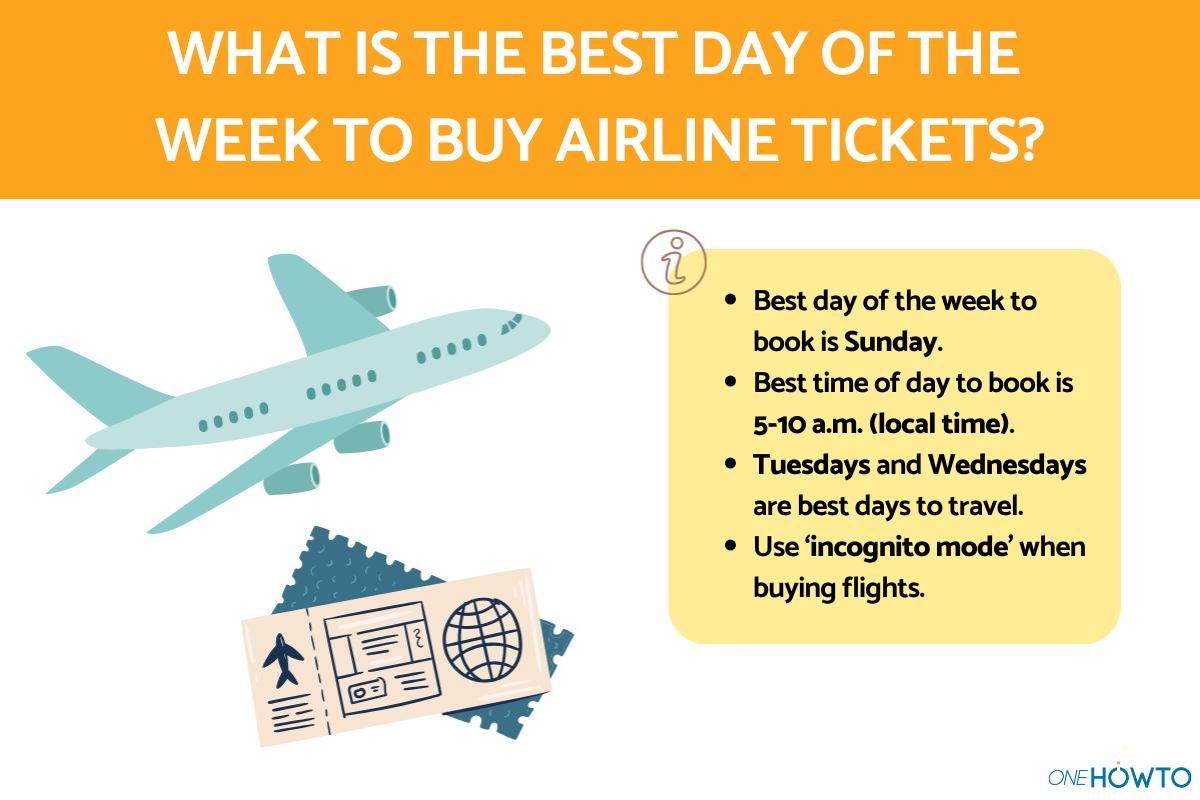
- Dates: Flying on Tuesdays, Wednesdays, and Saturdays is often cheaper than Fridays or Sundays. Similarly, choosing early morning or late-night flights can yield savings. Shifting your travel by just a day or two can sometimes unlock significantly lower fares. Using a “flexible dates” search option on travel sites can reveal these opportunities.
- Destinations: If your primary goal is to travel and explore rather than visit a specific location, consider being flexible with your destination. Tools that allow you to search for “flights to everywhere” from your home airport can uncover incredibly cheap deals to less obvious or off-peak locations, presenting excellent value for money.
Consider Incognito Browsing and VPNs
While widely debated, some travelers report that airline websites and online travel agencies (OTAs) may use cookies to track your searches. Repeated searches for the same flight could potentially lead to higher prices, as the system might interpret your persistent interest as a sign you’re willing to pay more. Using your browser’s incognito or private browsing mode, or clearing your cookies, can help prevent this. For more advanced users, a Virtual Private Network (VPN) can mask your IP address, making it appear as if you’re searching from a different geographical location, which occasionally might yield different pricing based on regional market strategies. While not a guaranteed saving, these steps add a layer of financial privacy and protection.
Explore Alternative Airports and Stopovers
Don’t limit yourself to the most obvious choices. Major metropolitan areas often have multiple airports. Flying into or out of a smaller, less popular airport in the same region might be considerably cheaper. For example, instead of London Heathrow (LHR), check London Gatwick (LGW) or Stansted (STN). Similarly, a flight with a layover, even a long one, is almost always cheaper than a direct flight. While it adds travel time, the financial savings can be substantial, especially for international routes. Evaluate if the time cost is worth the monetary saving based on your personal priorities.
The Myth of Last-Minute Deals
While once a rarity, the concept of “last-minute deals” for leisure travelers is largely a myth in today’s algorithmic pricing environment. Airlines optimize for full flights and higher yields. The only “deals” you might find last minute are for business travelers who need to fly regardless of cost, or extremely rare instances of an airline struggling to fill a specific, unpopular route. For the financially conscious leisure traveler, waiting until the last minute is a risky and generally expensive strategy. Prices almost invariably spike in the final weeks leading up to departure.
Payment and Loyalty Considerations
Beyond the timing of your purchase, how you pay for your ticket and your engagement with airline loyalty programs can further impact your overall travel costs and financial benefits. This is a crucial aspect of personal finance management in the travel sphere.
Maximizing Credit Card Rewards
Choosing the right credit card for your plane ticket purchase can translate into significant financial advantages. Many travel rewards credit cards offer bonus points or miles for booking flights directly with airlines or through specific travel portals. These points can then be redeemed for future flights, hotel stays, or other travel expenses, effectively reducing your future travel budget. Furthermore, some premium travel cards offer benefits like travel insurance, baggage delay coverage, trip cancellation/interruption insurance, and even access to airport lounges, all of which add tangible value and financial protection. Always compare the annual fees against the benefits to ensure a net financial gain.
Understanding Baggage Fees and Ancillary Costs
The displayed airfare is often just the base cost. Airlines, especially budget carriers, have become adept at unbundling services, charging extra for everything from checked baggage and seat selection to in-flight meals and priority boarding. These ancillary costs can quickly add up, turning an initially cheap ticket into an expensive one. Before purchasing, meticulously review the airline’s baggage policy, especially for carry-on and checked bags, and factor in any other services you might need. Sometimes, a slightly more expensive ticket on a full-service airline that includes baggage can be more financially advantageous than a cheaper base fare that requires multiple add-ons.
Loyalty Programs and Airline Alliances
Committing to one or a few airline loyalty programs can yield long-term financial benefits. Earning miles through flying, co-branded credit cards, or partner activities can eventually lead to free flights or upgrades, representing a direct saving on future travel. Understanding airline alliances (like Star Alliance, SkyTeam, Oneworld) is also key, as miles earned on one airline within an alliance can often be redeemed on partner airlines, offering greater flexibility and reward potential. For frequent travelers, elite status within these programs can unlock perks like complimentary baggage, lounge access, priority services, and free seat upgrades, further reducing travel expenses and enhancing the overall experience.
Final Tips for Savvy Travelers
Making the right decision about when to purchase plane tickets is a blend of market awareness, strategic planning, and financial discipline. Here are some concluding thoughts to empower you further.
Act Decisively When Prices Are Right
Airfare prices are notoriously fickle. If you’ve been tracking a flight and the price drops to a level you’re comfortable with, especially within the optimal booking window, don’t hesitate. Procrastination can often lead to regret as prices can jump back up just as quickly as they fell. Have your payment method ready and be prepared to book when you see a good deal.
Read the Fine Print on Flexibility and Cancellations
Before finalizing any purchase, always review the ticket’s terms and conditions, particularly regarding changes and cancellations. Basic economy fares, while cheaper, often come with stringent restrictions, making them non-changeable and non-refundable. While these can offer significant savings, they also present a financial risk if your plans are uncertain. Consider purchasing travel insurance or a more flexible fare type if there’s any doubt about your ability to travel as planned, as the cost of insurance can be far less than losing the entire ticket price.
Continuously Monitor After Purchase (for rebooking potential)
Even after you’ve bought your ticket, your financial journey isn’t necessarily over. Some airlines and OTAs (like Hopper) offer price drop protection or allow you to rebook if the fare drops significantly after your purchase (often with a fee). It’s worth briefly monitoring your flight’s price, especially if you booked several months out. While rare, a substantial price drop might warrant a call to the airline to see if you can receive a voucher or a partial refund, or rebook to a cheaper fare, minus any applicable change fees.
In conclusion, purchasing plane tickets is more than just picking a date; it’s a strategic financial decision. By understanding the forces that drive airfare, identifying the optimal booking windows, employing smart search tactics, and leveraging financial tools, you can consistently secure better deals, stretch your travel budget further, and make your wanderlust more financially sustainable. Happy travels!
aViewFromTheCave is a participant in the Amazon Services LLC Associates Program, an affiliate advertising program designed to provide a means for sites to earn advertising fees by advertising and linking to Amazon.com. Amazon, the Amazon logo, AmazonSupply, and the AmazonSupply logo are trademarks of Amazon.com, Inc. or its affiliates. As an Amazon Associate we earn affiliate commissions from qualifying purchases.