
Navigating the landscape of tax obligations can feel like a daunting task for many, but understanding the crucial timelines for filing your tax return is a cornerstone of sound personal finance. Compliance with tax deadlines is not merely a legal requirement; it’s a strategic move that can significantly impact your financial well-being, from ensuring timely refunds to avoiding costly penalties. This guide delves into the specifics of when to file, why these dates matter, and how to manage various scenarios effectively.
Understanding the Annual Tax Season
The United States tax system operates on a calendar year basis for most individual taxpayers, running from January 1 to December 31. This means that income earned and financial transactions completed within this period are reported in the subsequent filing season. The period following the close of the tax year is dedicated to gathering necessary documentation, calculating liabilities or refunds, and ultimately submitting your return to the Internal Revenue Service (IRS) and relevant state tax authorities.
The Standard Filing Deadline
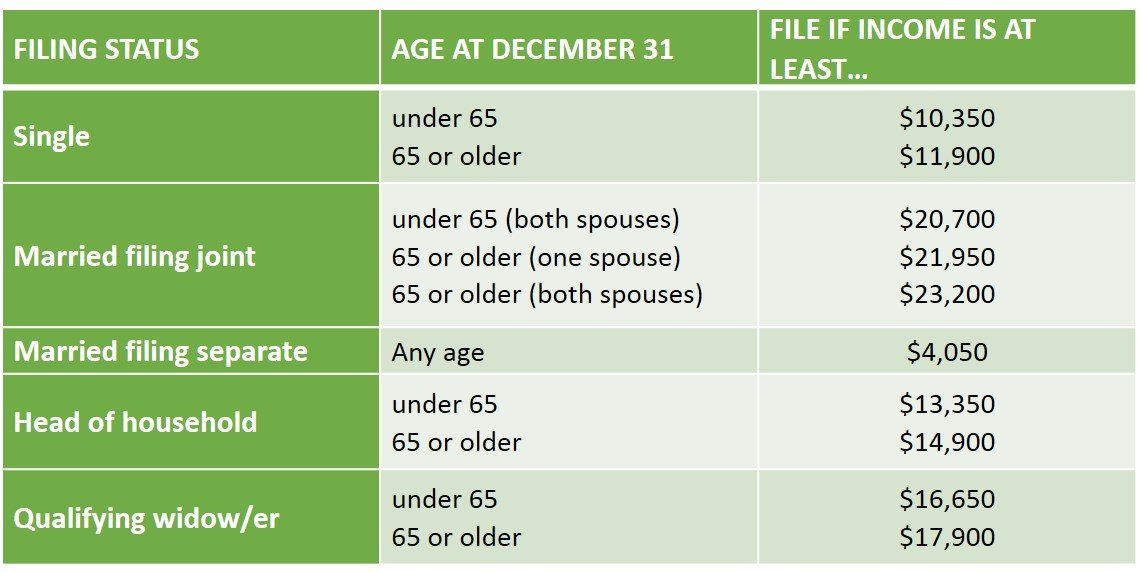
For the vast majority of individual taxpayers in the United States, the federal income tax return (Form 1040) is due by April 15th of the year following the tax year. For example, income earned in the 2023 tax year would typically be due on April 15, 2024. However, this date can shift if April 15th falls on a weekend or a holiday recognized by the District of Columbia. In such cases, the deadline is typically pushed to the next business day. It is crucial to remember that state income tax deadlines can vary, although many states align their deadlines with the federal one. Always verify the specific due dates for your state to ensure full compliance.
Important Dates to Mark on Your Calendar
While April 15th is the most prominent date, the tax season involves several other key milestones, especially for certain groups of taxpayers or those with specific income sources.
- January 1st: The new tax year begins.
- January 31st: Employers must send out W-2 forms (Wage and Tax Statement) to employees, and businesses must send out 1099 forms for various types of non-employment income (e.g., freelance income, interest, dividends). This is also the deadline for some other information returns, such as Form 1099-NEC for nonemployee compensation.
- Estimated Tax Deadlines: For self-employed individuals or those with significant income not subject to withholding, estimated taxes are paid quarterly. These typically fall on April 15, June 15, September 15, and January 15 of the following year. If any of these dates fall on a weekend or holiday, the deadline shifts to the next business day. Meeting these deadlines is vital to avoid underpayment penalties.
- October 15th: This is the extended filing deadline for those who requested an extension on their federal income tax return.
Understanding and tracking these dates is a fundamental aspect of proactive financial management, allowing ample time for preparation and preventing last-minute stress or errors.
Extensions: When and Why You Might Need One
Life happens, and sometimes, despite best intentions, you might find yourself unable to meet the standard April 15th deadline. The good news is that the IRS offers an automatic extension to file, providing taxpayers with an additional six months to submit their federal income tax return.
How to Request an Extension
To request an extension, you must file Form 4868, Application for Automatic Extension of Time To File U.S. Individual Income Tax Return, by the original April 15th deadline. This can be done electronically through tax software, via a tax professional, or by mailing a paper form. Filing this form automatically grants you an extension until October 15th. It’s a straightforward process designed to give taxpayers more time to accurately prepare their returns without fear of late-filing penalties.
The Difference Between Filing and Paying
A critical distinction to understand when requesting an extension is that an extension to file is not an extension to pay. While Form 4868 grants you more time to submit your paperwork, it does not delay your obligation to pay any taxes you owe. If you anticipate owing taxes, you must estimate that amount and pay it by the original April 15th deadline to avoid potential penalties and interest charges. Failure to pay on time, even with an extension to file, can result in failure-to-pay penalties and accrued interest on the unpaid balance. Therefore, if you request an extension, it is advisable to pay as much of your estimated tax liability as possible by April 15th to minimize additional costs.
The Benefits of Early Filing
While the filing deadline might seem distant, especially early in the year, there are compelling financial and practical advantages to filing your tax return as early as possible. Procrastination can lead to unnecessary stress and potential financial setbacks, making early preparation a wise strategy.
Quicker Refunds
For taxpayers anticipating a refund, filing early is perhaps the most obvious benefit. The sooner you submit your complete and accurate return, the sooner the IRS can process it and issue your refund. In an era where digital filing and direct deposit are prevalent, refunds can often be issued in as little as 21 days. This can provide a welcome cash injection for personal savings, debt reduction, or other financial goals, rather than waiting until the last possible moment.
Preventing Fraud
Tax-related identity theft remains a significant concern. Scammers often attempt to file fraudulent tax returns using stolen Social Security numbers early in the tax season to claim refunds before the legitimate taxpayer has a chance to file. By submitting your return early, you beat potential fraudsters to the punch. If your return is already on file, any subsequent fraudulent attempts using your information will be flagged by the IRS, protecting you from the headache of proving your identity and reclaiming your refund.

Ample Time for Corrections
Filing early provides a crucial buffer. If you discover an error after filing, or if the IRS identifies discrepancies, you have more time to review and amend your return (using Form 1040-X, Amended U.S. Individual Income Tax Return) before the original deadline or any penalty accrual. This allows for a more relaxed and thorough correction process, reducing the likelihood of rushed mistakes or missing crucial details that could lead to further complications or additional liabilities. It also provides peace of mind, knowing that your financial obligations are handled well in advance.
The Risks of Late Filing
Ignoring or missing tax deadlines can lead to a cascade of negative financial consequences. The IRS imposes strict penalties for late filing and late payment, designed to encourage timely compliance. Understanding these risks is essential for responsible financial planning.
Penalties and Interest
The most direct financial consequence of late filing is the imposition of penalties.
- Failure-to-File Penalty: If you fail to file your return by the due date (including extensions), the IRS can charge a penalty of 5% of the unpaid taxes for each month or part of a month that a return is late. This penalty is capped at 25% of your unpaid tax. If your return is more than 60 days late, the minimum penalty is the lesser of $485 (for tax returns required to be filed in 2024) or 100% of the tax due.
- Failure-to-Pay Penalty: If you don’t pay your taxes by the original due date (even if you filed an extension), the IRS can impose a penalty of 0.5% of the unpaid taxes for each month or part of a month the taxes remain unpaid. This penalty is also capped at 25% of your unpaid tax.
- Interest: In addition to penalties, the IRS charges interest on underpayments. The interest rate can change quarterly and typically hovers around the federal short-term rate plus three percentage points. This interest compounds daily, meaning the amount owed can grow quickly over time, adding significantly to your tax burden.
These penalties and interest can quickly escalate, turning a manageable tax liability into a substantial financial drain.
Impact on Future Financial Endeavors
Beyond immediate financial penalties, a history of late or non-filing can have long-term repercussions on your financial standing.
- Credit Applications: While not directly reported to credit bureaus, tax liens (filed by the IRS for unpaid taxes) appear on public records and can severely damage your credit score, making it difficult to secure loans for homes, cars, or businesses.
- Government Benefits: Delinquent tax obligations can hinder your ability to receive certain government benefits or professional licenses.
- Future IRS Scrutiny: Repeated non-compliance can flag your account for increased scrutiny from the IRS, potentially leading to more frequent audits or more aggressive collection actions in the future.
- Social Security Benefits: For self-employed individuals, failure to file and pay self-employment taxes can impact the amount of Social Security and Medicare benefits you qualify for in retirement, as these are based on your reported earnings.
The long-term financial consequences underscore the importance of consistent and timely tax compliance as a fundamental aspect of personal financial health.
Special Circumstances and Exceptions
While April 15th is the general rule, certain situations warrant different filing timelines or considerations. Awareness of these exceptions can prevent inadvertent non-compliance for specific groups of taxpayers.
Military Personnel and Overseas Filers
Members of the military and those living abroad often receive automatic extensions for filing and paying taxes.
- Military Combat Zones: Individuals serving in a combat zone or a qualified hazardous duty area generally have an automatic extension of 180 days after leaving the zone to file and pay taxes.
- U.S. Citizens and Resident Aliens Abroad: If you live outside the U.S. and Puerto Rico, and your main place of business or post of duty is outside the U.S. and Puerto Rico, or you are in the military or naval service on duty outside the U.S. and Puerto Rico, you are usually granted an automatic two-month extension to file your return. This pushes the deadline to June 15th. Even with this extension, interest is still charged on any tax not paid by the original April 15th deadline.
Disaster-Affected Areas
The IRS often provides tax relief to victims of natural disasters. This typically includes extending tax filing and payment deadlines for individuals and businesses in federally declared disaster areas. These extensions are announced on a case-by-case basis and can provide significant relief during challenging times. It’s crucial for those in affected areas to monitor IRS announcements for specific guidance.
Self-Employed Individuals and Estimated Taxes
As mentioned previously, self-employed individuals and those with significant income not subject to withholding are generally required to pay estimated taxes quarterly. These payments are due on specific dates throughout the year (April 15, June 15, September 15, and January 15 of the following year). Failure to make these payments, or paying less than what is owed, can result in underpayment penalties, even if you ultimately file your annual return on time. Proper planning and accurate estimation of income and deductions are vital for self-employed individuals.

Deceased Taxpayers
When an individual passes away, a final income tax return must generally be filed for the decedent for the year of death. The due date for the decedent’s final federal income tax return is the same as it would have been if they were living, typically April 15th of the year following their death. However, an extension can be requested. This responsibility usually falls to the executor or administrator of the estate.
Understanding “when to file tax return” is more than just remembering a single date; it’s about comprehending a system designed to ensure financial compliance and stability. By staying informed about deadlines, leveraging extensions wisely, recognizing the benefits of early filing, and mitigating the risks of late submissions, individuals can maintain good financial standing and avoid unnecessary penalties, making tax season a manageable and less stressful experience.
aViewFromTheCave is a participant in the Amazon Services LLC Associates Program, an affiliate advertising program designed to provide a means for sites to earn advertising fees by advertising and linking to Amazon.com. Amazon, the Amazon logo, AmazonSupply, and the AmazonSupply logo are trademarks of Amazon.com, Inc. or its affiliates. As an Amazon Associate we earn affiliate commissions from qualifying purchases.