
In an era where travel has become more accessible yet increasingly complex in its pricing, the question of “when to buy flights” transcends mere curiosity; it’s a fundamental query for any financially savvy individual. For many, airfare represents a significant portion of their travel budget, making strategic flight purchases a cornerstone of effective personal finance. This isn’t just about luck; it’s about understanding the intricate dance of supply, demand, and sophisticated algorithms that govern airline pricing. By adopting a well-informed, disciplined approach, travelers can unlock substantial savings, transforming potentially expensive journeys into affordable adventures. This comprehensive guide will delve into the mechanisms behind flight pricing, equip you with actionable strategies, and highlight financial tools to ensure you consistently secure the best possible value for your air travel.
The Core Principle: Understanding Dynamic Pricing
At the heart of airline ticket pricing lies a sophisticated system known as dynamic pricing. Far from static, flight prices are in a constant state of flux, reacting to a multitude of variables in real-time. Grasping this core principle is the first step toward becoming a more astute flight shopper and, consequently, a more effective manager of your travel budget.
How Airlines Set Prices: A Financial Algorithm
Airlines don’t just pluck numbers from the sky. Their pricing strategies are driven by complex algorithms that analyze vast quantities of data. Key factors include:
- Supply and Demand: This is the most fundamental economic principle at play. If a route is popular and seats are filling up quickly (high demand, diminishing supply), prices will rise. Conversely, if a flight is undersold, prices may drop to stimulate bookings.
- Historical Data: Airlines meticulously track past flight patterns, seasonal demand, holiday surges, and even specific days of the week when particular routes are most expensive or affordable. This historical insight allows them to predict future demand and price accordingly.
- Competitor Pricing: Airlines constantly monitor each other. If a rival airline lowers prices on a similar route, others may follow suit to remain competitive, creating brief windows of opportunity for consumers.
- Route Popularity and Time of Day: Direct flights to major hubs during peak business hours or popular leisure times will almost always command higher prices than connecting flights or those departing at inconvenient times (e.g., very early morning or late at night).
- Fuel Costs and Operational Expenses: While less visible to the consumer, fluctuations in fuel prices and other operational costs are built into ticket prices, contributing to their overall variability.
The Illusion of Fixed Prices: Why Prices Constantly Change
Unlike purchasing a fixed-price item in a store, buying a flight is an entry into a live marketplace. A ticket price you see today might be drastically different tomorrow, or even hours later. This constant fluctuation is designed to maximize airline revenue by segmenting the market: business travelers needing last-minute flexibility might pay a premium, while leisure travelers booking far in advance expect and often find lower fares. This dynamic environment means that timing is not just a factor; it’s the factor in securing economical air travel.
The Impact on Your Wallet: Budgeting for Volatility
For the personal finance enthusiast, understanding dynamic pricing is crucial for effective budgeting. Relying on a price seen weeks ago can lead to budgetary shocks. Instead, savvy travelers factor in a range for airfare, setting aside a little extra in their travel fund to account for potential price increases, or conversely, ready to pounce when a low price appears. This proactive financial planning minimizes stress and maximizes the chances of adhering to your travel budget.
The Golden Window: Optimal Booking Times
While dynamic pricing means there’s no single “magic day,” extensive analysis of historical flight data has revealed consistent patterns, allowing us to identify optimal booking windows that significantly increase your chances of securing the best prices.
The “Sweet Spot” for Domestic Flights
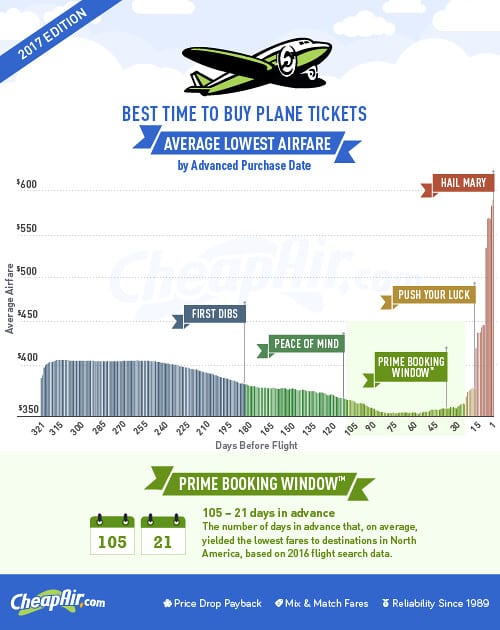
For flights within your own country or region, the widely accepted sweet spot for booking is typically 1 to 3 months (approximately 28 to 112 days) before your departure date.
- Too Early (4+ months out): Airlines often start with higher prices to capture early planners and business travelers who prioritize certainty over cost. They haven’t yet begun their aggressive yield management to fill seats.
- Too Late (Less than 4 weeks out): As the departure date approaches, airlines raise prices, knowing that last-minute travelers (often business travelers or those with urgent needs) have less flexibility and are willing to pay more. Prices tend to spike significantly in the last two weeks.
International Travel Considerations
International flights demand a longer lead time. The optimal window for booking overseas travel generally falls between 3 to 6 months (approximately 90 to 180 days) in advance. For very popular destinations or during peak seasons (e.g., European summer, Christmas holidays), extending this to 6-8 months out can yield even better savings. The longer lead time accounts for the higher cost of these tickets, the greater competition among airlines, and the longer planning horizons of international travelers.
The Myth of Last-Minute Deals: A Costly Gamble
A common misconception is that waiting until the last minute will net you a cheap deal. While this can happen very occasionally (e.g., a charter flight with unsold seats), it is overwhelmingly the exception, not the rule. Airlines prefer to fill their planes well in advance. Last-minute bookings are typically priced at a premium, designed to capture urgent business travelers or those with little choice. For the budget-conscious traveler, relying on a last-minute miracle is a risky financial strategy that usually results in paying significantly more.
Early Bird vs. Procrastinator: Weighing Financial Risks
- Early Bird (Booking too far in advance): The risk here is minimal financial loss, but potential opportunity cost. You might miss out on a future sale, but you’ve locked in a price and secured your travel plans.
- Procrastinator (Booking too late): The financial risk is substantial. You’re almost guaranteed to pay higher fares, potentially forcing you to either overspend or alter your travel plans entirely. This lack of financial discipline can derail a carefully constructed travel budget.
Strategic Tools and Techniques for Smart Savers
Beyond knowing when to buy, employing the right tools and techniques can further refine your flight purchasing strategy, transforming you into a truly financially astute traveler.
Leverage Flight Comparison Websites
These aggregators are indispensable. Websites like Google Flights, Skyscanner, Kayak, and Expedia allow you to compare prices across hundreds of airlines and online travel agencies (OTAs) simultaneously.
- Utilize Filters: Don’t just look at the top result. Use filters for specific airlines, number of stops, departure/arrival times, and even aircraft type to find the best balance of cost and convenience that suits your budget and preferences.
- “Anywhere” or “Explore” Features: Many sites offer options to search for flights to “anywhere” within a given budget, or to “explore” destinations during specific dates. This can open up opportunities for unexpected, affordable trips.
Price Alerts and Tracking: Automating Your Savings
One of the most powerful financial tools for flight buying is the price alert. Almost all major flight comparison websites and even some airline apps allow you to set up alerts for specific routes and dates.
- How it Works: You receive an email or notification when the price for your desired flight changes. This eliminates the need for constant manual checking, saving you time and ensuring you’re immediately aware of price drops.
- Act Fast: When a price drop alert comes in, especially for a popular route or during a peak season, be prepared to act quickly. These drops can be fleeting.
The Power of Flexibility (Dates & Airports)
Flexibility is currency when it comes to airfare.
- Flexible Dates: If your travel dates are somewhat malleable, use the “flexible date” search options (e.g., “whole month” view on Google Flights or Skyscanner). Often, shifting your departure or return by a day or two can yield hundreds of dollars in savings, especially avoiding weekends.
- Alternative Airports: Consider flying into or out of smaller, nearby airports. Sometimes, a short drive or train ride to an alternative airport can dramatically reduce your airfare. Always compare the cost of ground transportation with the flight savings.
Incognito Mode and VPNs: Myth or Money-Saver?
The idea that airlines track your searches and raise prices on repeat visits has been widely debated. While direct, concrete evidence is scarce, many travelers report success using incognito/private browsing mode or even a Virtual Private Network (VPN) to mask their location and browsing history when searching for flights.
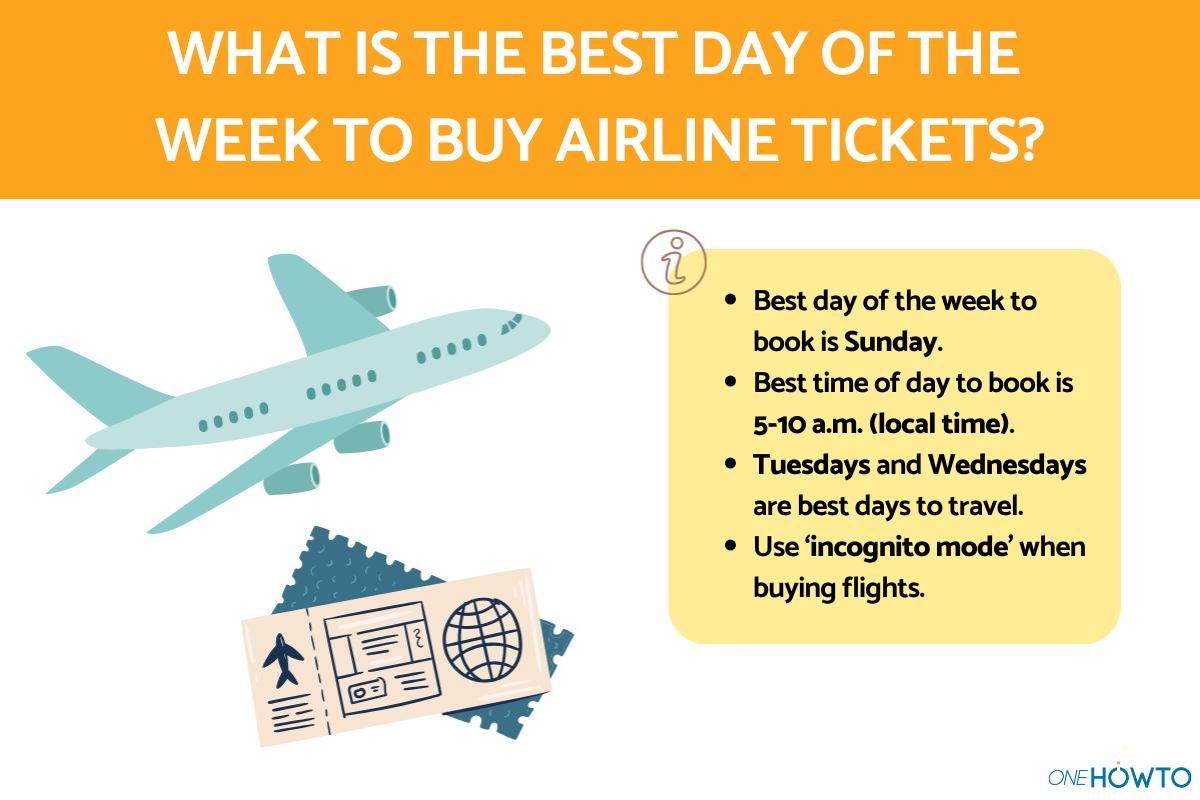
- Incognito Mode: This simply prevents your browser from storing cookies and site data for that session. It’s a quick and easy habit to adopt and poses no risk, so it’s worth trying.
- VPN: A VPN changes your perceived location, potentially showing you prices from a different country. While results vary, some users claim to find cheaper fares by appearing to browse from countries with lower average incomes. It’s a more advanced tactic, but one to consider for significant savings.
Budget Airlines and Hidden Costs: A Financial Assessment
Budget airlines (e.g., Ryanair, Spirit, Allegiant) often offer incredibly low base fares. However, it’s crucial to perform a thorough financial assessment of the total cost.
- Baggage Fees: These are almost always extra and can be substantial. Factor in the cost of carry-on and checked luggage.
- Seat Selection Fees: Many budget carriers charge for selecting a seat.
- Food and Drink: Expect to pay for everything onboard.
- Airport Location: Some budget airlines fly into smaller, more distant airports, adding to ground transportation costs and time.
Always compare the final, all-inclusive price of a budget airline with a full-service carrier to ensure you’re truly saving money.
Seasonal and Event-Driven Influences on Airfare
The calendar plays a significant role in flight pricing. Understanding these seasonal and event-driven patterns allows for more strategic financial planning around travel.
Peak Travel Seasons: Navigating Price Surges
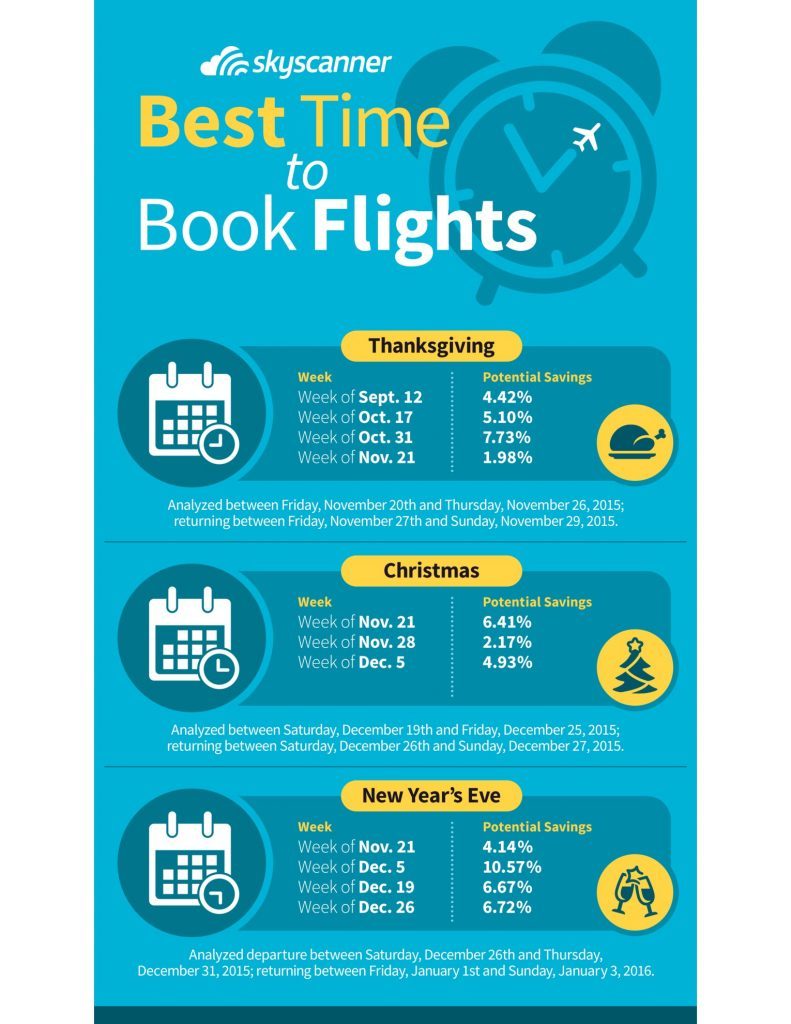
- Holidays: Christmas, New Year’s, Easter, Thanksgiving, and major public holidays universally see significant price surges. Airlines capitalize on non-negotiable travel times.
- Summer: June, July, and August are peak travel months in many parts of the world, especially for family vacations.
- Major Events: Sporting events (Olympics, World Cup), major festivals (Carnival, Oktoberfest), or conferences can cause localized price spikes for specific destinations.
The financial strategy here is simple: if you must travel during these times, book as far in advance as possible within the “golden window.” Otherwise, consider alternative dates.
Off-Peak and Shoulder Seasons: Maximizing Value
The most financially astute travelers often target off-peak or shoulder seasons:
- Off-Peak: These are times when demand is lowest – typically late January to early March (post-holiday lull), and September/October (post-summer, pre-holiday). You’ll find the lowest prices, fewer crowds, and often better weather than true winter.
- Shoulder Season: These are the periods immediately before or after peak season (e.g., May or September for European travel). You get decent weather, fewer crowds than peak, and significantly better prices. This offers the best value proposition.
The Day of the Week Effect: Booking vs. Flying
- Cheapest Day to Book: While highly debated and less consistent than other factors, many experts suggest that Tuesday afternoon or Wednesday are often the best times to book flights. This theory posits that airlines release sales on Monday evenings, and by Tuesday afternoon, competitors have matched those prices, creating a brief window of competitive pricing.
- Cheapest Days to Fly: Generally, flying on Tuesdays, Wednesdays, and Saturdays tends to be cheaper for domestic routes. For international, weekdays often beat weekends. Fridays and Sundays are almost always the most expensive days to fly due to business travel and weekend leisure demand. Adjusting your travel dates by even a day can result in substantial savings.
Impact of Global Events: Unforeseen Financial Shocks
While unpredictable, major global events (e.g., pandemics, political unrest, natural disasters) can have a dramatic and immediate impact on airfare. Demand can plummet, leading to short-term price drops, or routes can be suspended, causing prices on alternative routes to soar. While impossible to plan for, staying informed allows you to react quickly if an opportunity or a risk arises.
Beyond Booking: Further Financial Savings Strategies
Securing a cheap flight is a victory, but a comprehensive financial approach to travel extends beyond the ticket purchase itself. Smart money management can yield further savings throughout your journey.
Loyalty Programs and Credit Card Rewards: Investing in Future Travel
- Airline Loyalty Programs: Joining an airline’s frequent flyer program is a no-brainer, even if you don’t fly often. Accumulating miles/points can eventually lead to free flights or upgrades, representing significant financial value.
- Travel Credit Cards: Many credit cards offer lucrative sign-up bonuses in miles or points, ongoing rewards for travel spending, and perks like free checked bags, lounge access, or travel insurance. Carefully research cards that align with your spending habits and travel goals to maximize these financial benefits. Treat these points as a form of currency, a direct investment in future travel.
Packing Smart to Avoid Baggage Fees: Direct Financial Impact
Baggage fees can quickly erode any savings you made on your flight.
- Carry-On Only: Master the art of packing light. For shorter trips, aiming for carry-on only can save you dozens, if not hundreds, of dollars in checked bag fees per round trip.
- Weight Limits: Be mindful of weight limits for both carry-on and checked bags. Overweight fees are notoriously expensive. Investing in a portable luggage scale is a small cost that can prevent a larger financial hit at the airport.
Considering Alternative Transportation: When Flying Isn’t the Most Cost-Effective Option
Sometimes, the cheapest flight isn’t the most economical way to travel, especially for shorter distances.
- Trains and Buses: For inter-city travel, particularly in regions with good public transport infrastructure, trains or buses can be significantly cheaper and sometimes even faster (door-to-door) than flying, once you factor in airport transfers, security, and boarding times.
- Car Rentals/Car Sharing: For group travel or destinations with poor public transport, a rental car might be more cost-effective than multiple flight tickets and subsequent local transportation. Always perform a cost-benefit analysis.
Travel Insurance: An Investment in Peace of Mind
While it represents an upfront cost, travel insurance is a critical financial safeguard, particularly for expensive international trips or those with complex itineraries.
- Protect Your Investment: Insurance can cover non-refundable flight costs in case of unforeseen circumstances like illness, family emergencies, or natural disasters, preventing a total loss of your travel funds.
- Medical Emergencies: Overseas medical care can be astronomically expensive. Travel insurance provides vital coverage, protecting your personal finances from potentially crippling medical bills.
- Lost Luggage/Delays: It can also compensate for lost luggage or expenses incurred due to significant flight delays. View travel insurance not as an optional expense, but as a strategic investment in mitigating financial risks associated with travel.
Mastering the art of buying flights is a crucial skill for anyone committed to smart personal finance. By understanding dynamic pricing, leveraging optimal booking windows, utilizing comparison tools, and adopting a flexible, financially astute mindset, you can consistently unlock significant savings. Remember, every dollar saved on airfare is a dollar available for experiences, investments, or simply bolstering your financial security. Proactive planning and informed decision-making are your most powerful allies in the quest for economical air travel.
aViewFromTheCave is a participant in the Amazon Services LLC Associates Program, an affiliate advertising program designed to provide a means for sites to earn advertising fees by advertising and linking to Amazon.com. Amazon, the Amazon logo, AmazonSupply, and the AmazonSupply logo are trademarks of Amazon.com, Inc. or its affiliates. As an Amazon Associate we earn affiliate commissions from qualifying purchases.