
In the complex ecosystem of modern travel, few questions resonate with budget-conscious individuals as much as: “When is the cheapest time to book a flight?” The answer, while seemingly straightforward, is a nuanced blend of algorithms, market dynamics, behavioral economics, and a touch of strategic planning. For those committed to smart personal finance and maximizing their travel budget, understanding the intricacies of airfare pricing is not just an advantage—it’s an imperative. This comprehensive guide delves into the data-driven strategies and practical insights that empower travelers to identify and seize the most financially advantageous moments to secure their flights, transforming potential savings into real-world funds that can be allocated to other aspects of their journey or broader financial goals.

Understanding the Dynamics of Airfare Pricing
Before we can pinpoint the “cheapest time,” it’s crucial to understand what drives flight prices. Unlike commodities with relatively stable pricing, airfares are a highly volatile product, fluctuating based on a multitude of factors that airline revenue management systems meticulously analyze. This isn’t just about supply and demand; it’s a sophisticated interplay of predictive analytics and competitive strategy, all designed to maximize revenue for airlines.
The Algorithmic Nature of Flight Costs
At the heart of modern airfare pricing lies complex algorithms. These proprietary systems continuously monitor bookings, search patterns, competitor prices, fuel costs, historical data, and even external events like holidays or major conferences. They adjust prices in real-time, often multiple times a day, based on perceived demand and the remaining inventory of seats. Early bird pricing, last-minute surcharges, and fare buckets (different prices for the same seat based on booking class) are all manifestations of these algorithms at work. For the financially savvy traveler, this means vigilance and a dynamic approach are more effective than rigid rules.
Supply and Demand: The Fundamental Drivers
While algorithms orchestrate the daily price changes, the underlying principle of supply and demand remains the most powerful force. When demand for a particular route and date is high (e.g., during peak holiday seasons, school breaks, or popular events), prices naturally soar. Conversely, when demand is low, airlines are more inclined to offer competitive fares to fill seats that would otherwise fly empty. This explains why flying to a popular beach destination in its rainy season or a ski resort in summer generally yields significantly cheaper tickets. Understanding the general ebb and flow of travel demand for your desired destination is a critical financial first step.
Seasonal Fluctuations and Holiday Impact
Predictable demand spikes occur around major holidays (Christmas, New Year’s, Easter, Thanksgiving), long weekends, and peak summer vacation periods. During these times, even with increased flight capacity, demand almost always outstrips supply, leading to inflated prices. Conversely, the “shoulder seasons” (e.g., spring and autumn for many destinations) and off-peak periods often present the best value. Traveling immediately after a major holiday (e.g., the first week of January) or during less popular months can lead to substantial savings. From a financial planning perspective, if your travel dates are flexible, aligning them with these less-trafficked periods is one of the most impactful decisions you can make.
The Optimal Booking Window: Timing Your Purchase
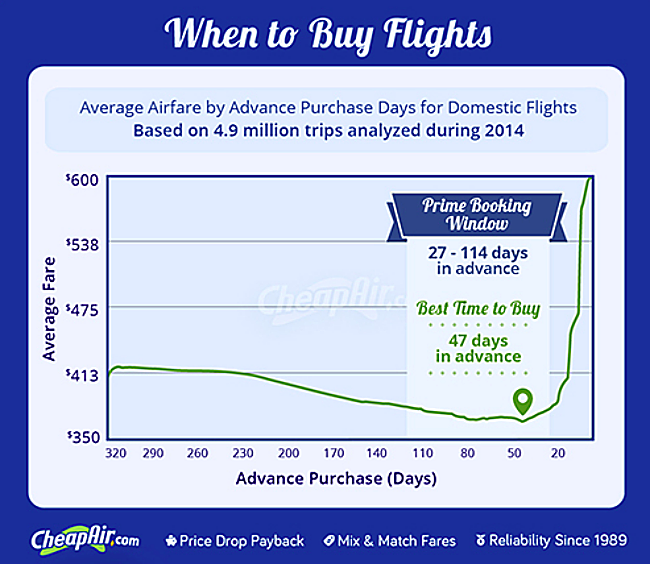
Identifying the “sweet spot” for booking is perhaps the most sought-after piece of advice in the quest for cheap flights. This window represents the balance between booking too early (when airlines haven’t started their competitive pricing adjustments) and booking too late (when demand has peaked and only expensive seats remain). While not an exact science, historical data provides strong guidelines.
Domestic Flights: The Sweet Spot
For domestic travel, the consensus among travel experts and data analytics firms suggests that the optimal booking window typically falls between 1 to 3 months (approximately 21 to 90 days) before your departure date. Within this period, airlines tend to offer a good mix of fare classes, and competitive pricing is generally active. Booking too far in advance (e.g., 6+ months) often means you’re paying a premium because airlines haven’t yet adjusted prices based on real-time demand or competitor actions. Conversely, waiting until the last minute (within 2-3 weeks of departure) almost invariably leads to higher prices, as airlines anticipate last-minute business travelers or those with urgent needs who are less price-sensitive.
International Journeys: A Longer Lead Time
International flights require a longer lead time for optimal savings. Due to greater complexity, fewer direct routes, and often higher base fares, airlines tend to reward earlier bookings. The ideal window for international travel is generally 2 to 8 months (approximately 60 to 240 days) in advance. This extended period allows travelers to take advantage of early promotional fares and provides ample time for airlines to adjust prices downwards if initial demand is lower than expected. Booking less than 2 months out for an international trip usually sees prices begin to climb steadily, with last-minute international fares often being prohibitively expensive. This extended planning horizon is a key financial consideration for major trips abroad.
The Myth of “Tuesday Bookings” and What Really Matters
For years, the adage “book on a Tuesday” was a widely circulated tip. The theory was that airlines would release their weekly sales on Monday evenings, and by Tuesday morning, competitors would match those prices, leading to a temporary dip. While there might have been some historical truth to this, modern dynamic pricing algorithms have largely rendered this specific day less relevant. Prices can change hourly, not just weekly. What matters more now is consistency in checking prices and leveraging technology. Instead of fixing on a specific day of the week to book, focus on booking within the optimal window and being prepared to purchase when a good fare appears, regardless of the day.
Strategic Travel Dates: Flying Smart, Not Hard
Beyond when you book, when you actually fly plays an equally significant role in the final price of your ticket. Flexibility with your travel dates and times can unlock substantial savings, directly impacting your travel budget.
The Best Days of the Week to Fly
Statistically, Tuesdays, Wednesdays, and Saturdays are often the cheapest days to fly. Mid-week flights, particularly early morning or late evening departures, tend to have lower demand from business travelers and weekend leisure travelers, leading to more favorable pricing. Conversely, Fridays and Sundays are almost universally the most expensive days to fly, as they cater to weekend getaways and the start/end of business weeks. Shifting your departure or return by even a single day can sometimes result in hundreds of dollars in savings, a direct boon to your personal finance.

Avoiding Peak Travel Periods
As discussed, major holidays and popular seasons drive up prices. If your travel plans are flexible, actively avoid these periods. Consider traveling during the “shoulder season” (just before or after peak season) or the true off-season. For instance, visiting Europe in early spring or late autumn can be significantly cheaper than in the summer. Similarly, tropical destinations often have lower prices during their “green season” (rainy season), which can still offer plenty of sunshine interspersed with refreshing showers. A financially astute traveler views these periods not as disadvantages, but as opportunities for value.
The Advantage of Red-Eye Flights and Early Departures
Less desirable flight times often come with lower price tags. Red-eye flights (overnight flights) and very early morning departures (e.g., 5 AM) are typically cheaper because fewer people want to sacrifice sleep or deal with inconvenient airport hours. While they might require an extra effort, the financial reward can be considerable. For instance, a family of four choosing an early morning flight over a midday one could save enough to cover an extra activity or a few meals at their destination. This trade-off between convenience and cost is a common theme in smart financial decision-making for travel.
Leveraging Tools and Tactics for Maximum Savings
In the digital age, a plethora of online tools and strategies can assist in finding the cheapest flights. Beyond timing your booking and travel, employing these tactics can further reduce costs and ensure you’re getting the best possible deal.
Price Alerts and Comparison Websites
One of the most effective strategies is to set up price alerts. Websites like Google Flights, Skyscanner, Kayak, and Hopper allow you to track specific routes and receive email notifications when prices drop. This eliminates the need for constant manual checking and ensures you’re immediately aware of a good deal. Furthermore, always use multiple comparison websites. While they often aggregate data, their inventory and commission structures can vary, leading to different results. After comparing, it’s often wise to check the airline’s direct website as well, as they sometimes offer exclusive deals or better bundled options (e.g., with checked bags).
Flexibility with Dates and Destinations
The more flexible you are, the greater your chances of finding a bargain.
- Flexible Dates: Instead of searching for an exact date, use search engines’ “flexible date” or “month view” options (like Google Flights’ calendar feature) to see the cheapest days to fly within a broader range.
- Flexible Destinations: If your primary goal is simply to “get away,” consider using tools like Skyscanner’s “Everywhere” feature or Google Flights’ “Explore” map. These allow you to see the cheapest destinations from your departure airport for specific dates or within a given month. Being open to new destinations can unlock truly incredible value.
The Incognito Mode and Cookie Conundrum
A widely debated tactic is the use of incognito (or private) browsing mode. The theory is that airlines and travel sites track your searches via cookies and might subtly increase prices on subsequent visits for the same route, creating a sense of urgency. While concrete evidence proving this is scarce and contested by many, it causes no harm to try. Clearing your browser cookies or using incognito mode (or even switching devices/networks) when conducting repeated flight searches might prevent any potential price increases based on your browsing history. It’s a low-effort financial safeguard worth considering.
Considering Alternative Airports and Layovers
Don’t limit your search to just one airport. Many major cities have multiple airports (e.g., London has Heathrow, Gatwick, Stansted, Luton). While one might be more convenient, another could offer significantly cheaper flights. Always check surrounding airports within a reasonable travel distance. Similarly, direct flights are often more expensive than those with layovers. If time isn’t a critical factor, opting for a flight with a single, longer layover can often reduce the ticket price considerably. Weigh the value of your time against the potential monetary savings.
Beyond the Ticket Price: Accounting for Total Travel Costs
While securing a cheap flight is a significant victory, a truly financially astute traveler considers the total cost of their journey. The ticket price is just one component; ancillary fees and other travel-related expenses can quickly erode your initial savings if not accounted for.
Baggage Fees and Ancillary Charges
Budget airlines, in particular, are notorious for their unbundled pricing. A seemingly cheap fare can quickly become expensive once you add fees for checked luggage, carry-on bags (beyond a small personal item), seat selection, priority boarding, and even printing your boarding pass at the airport. Always read the fine print and factor these potential costs into your budget before booking. Sometimes, a slightly more expensive full-service airline ticket that includes a checked bag can end up being cheaper overall than a budget airline fare with added fees.
Rewards Programs and Credit Card Benefits
For frequent travelers, leveraging airline loyalty programs and travel credit cards can lead to substantial long-term savings. Earning miles or points through everyday spending or specific travel purchases can eventually lead to free flights or significant discounts. Many travel-focused credit cards also offer perks like free checked bags, lounge access, travel insurance, and statement credits for travel expenses, which can effectively reduce your total outlay. This is a crucial element of sophisticated personal finance management for regular travelers.
Travel Insurance: A Prudent Investment
While technically an additional cost, travel insurance can be a financially prudent investment. Unexpected events like flight cancellations, lost luggage, medical emergencies abroad, or trip interruptions can lead to massive unforeseen expenses. A good travel insurance policy can mitigate these risks, protecting your financial investment in the trip. While it adds to the upfront cost, it provides peace of mind and safeguards against potentially devastating financial losses, aligning perfectly with sound money management principles.
In conclusion, finding the cheapest time to book a flight is less about a single magical moment and more about an informed, strategic approach. By understanding the underlying financial dynamics of airfare pricing, timing your purchases within optimal windows, embracing flexibility with travel dates and destinations, and diligently leveraging modern tools, travelers can consistently secure better deals. Remember that true financial savings extend beyond the ticket price, encompassing all potential fees and the wise investment in protecting your journey. With these insights, you can transform the often-stressful process of flight booking into a rewarding exercise in personal financial optimization.
aViewFromTheCave is a participant in the Amazon Services LLC Associates Program, an affiliate advertising program designed to provide a means for sites to earn advertising fees by advertising and linking to Amazon.com. Amazon, the Amazon logo, AmazonSupply, and the AmazonSupply logo are trademarks of Amazon.com, Inc. or its affiliates. As an Amazon Associate we earn affiliate commissions from qualifying purchases.