
The phrase “stock market crash” evokes a visceral sense of fear and uncertainty for investors worldwide. It conjures images of panicked traders, plummeting portfolios, and widespread economic anxiety. Yet, for seasoned investors and those prepared to navigate the storm, market downturns, even severe crashes, are not merely periods of loss but often present unique opportunities for long-term wealth accumulation. Understanding the dynamics of a market crash – what causes them, how they unfold, and critically, how to respond – is paramount for anyone invested in the financial markets. This article delves into the cyclical nature of market downturns, offering insights into preparation, strategic navigation, and ultimately, how to leverage these tumultuous periods to one’s advantage.
The Nature of Market Crashes: Defining the Undulating Cycles
Financial markets are inherently cyclical, characterized by periods of growth, stability, correction, and occasionally, dramatic decline. A “crash” represents the most severe end of this spectrum, a rapid and often unforeseen collapse in asset prices. Distinguishing between different types of market contractions is crucial for a nuanced understanding and effective response.
Distinguishing Corrections, Bear Markets, and Crashes
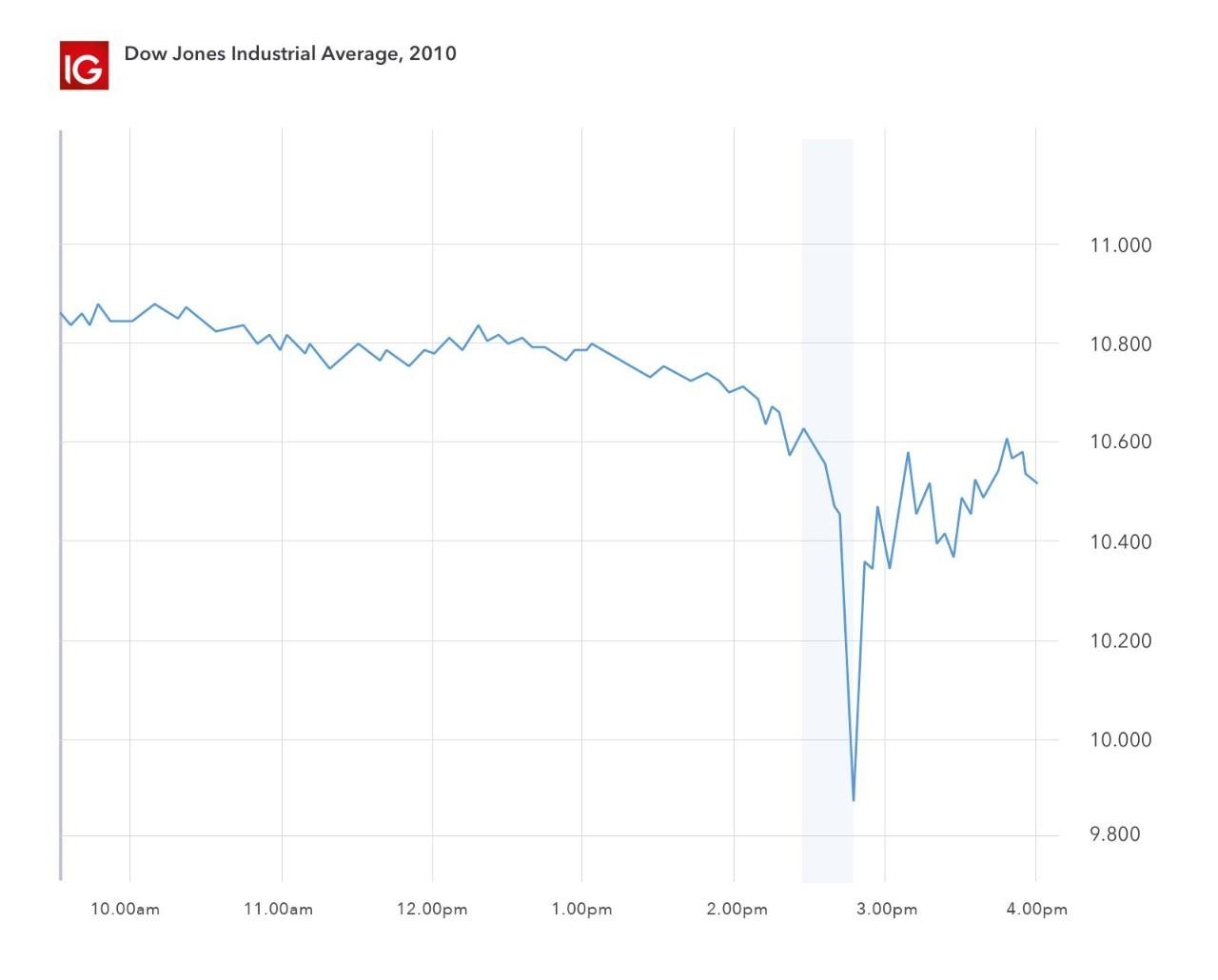
Not every dip in the market signals an impending catastrophe. A market correction is typically defined as a decline of 10% or more from a recent peak in a major market index. These are relatively common, often serving as healthy “resets” that prune excessive speculation. A bear market, a more significant downturn, occurs when a market index falls by 20% or more from its recent high over an extended period, often lasting months or even years. Bear markets reflect broader investor pessimism and economic slowdowns. A market crash, however, is characterized by a sudden, often dramatic, and steep drop in stock prices over a very short period – sometimes a single day or week – typically much larger than 20%. Crashes are often triggered by specific, acute events or a rapid unwinding of exuberance. While the definitions can overlap, the speed and magnitude of a crash are its defining features. For example, Black Monday in 1987 saw the Dow Jones Industrial Average drop 22.6% in a single day, a clear crash, whereas the Dot-com bubble burst led to a multi-year bear market with several sharp declines.
Historical Context: Echoes from the Past
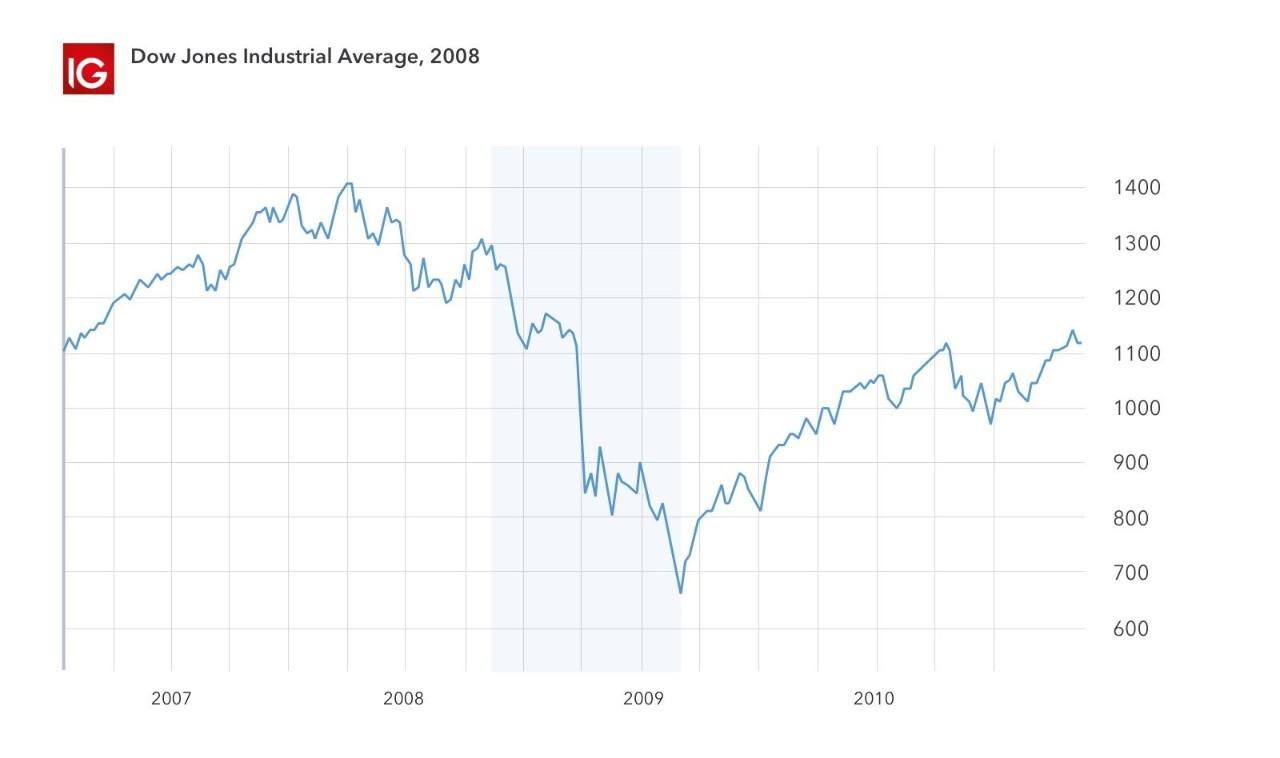
History offers a sobering reminder of the regularity of market crashes and severe downturns, demonstrating that they are an inherent, albeit infrequent, feature of capitalism. The Great Crash of 1929 initiated the Great Depression, fundamentally reshaping global financial regulation. The Black Monday crash of 1987 stunned markets with its speed, highlighting vulnerabilities in global interconnectedness. The Dot-com bubble burst in 2000-2002 erased trillions in tech valuations, exposing the dangers of speculative excess. The Global Financial Crisis of 2008 nearly brought the world financial system to its knees, triggered by a housing market collapse and complex derivatives. More recently, the COVID-19 induced crash of March 2020 showcased how a sudden, external shock can trigger a rapid market meltdown, followed by an equally swift recovery, underscoring both vulnerability and resilience. Each event, while unique in its triggers, shares common themes of investor fear, liquidity crunches, and the eventual, often painful, process of price discovery. Studying these historical precedents provides invaluable lessons in understanding market psychology and the mechanisms of recovery.
Common Catalysts for Market Meltdowns
Market crashes seldom occur in a vacuum; they are typically the culmination of various economic, financial, and psychological factors. One primary catalyst is the bursting of asset bubbles, where prices for a specific asset class or the market as a whole detach from underlying fundamentals, driven by speculative fervor. When confidence wavers, the bubble inevitably bursts, leading to sharp declines. Systemic risks within the financial system, such as excessive leverage, opaque financial products, or interconnectedness among institutions, can also amplify downturns, turning localized problems into widespread contagion. Geopolitical events like wars, political instability, or major policy shifts can introduce significant uncertainty, prompting investors to pull back. Furthermore, sudden external shocks – like a pandemic, a natural disaster, or a technological disruption – can trigger immediate and severe market reactions. Ultimately, these tangible factors often combine with investor psychology, where fear, herd mentality, and panic selling accelerate the downward spiral, creating a feedback loop that intensifies the crash.
Proactive Preparedness: Fortifying Your Financial Position
While the precise timing and cause of the next market crash are unknowable, its eventual occurrence is a certainty. Therefore, an investor’s best defense is a robust, proactive strategy designed to weather economic storms and minimize emotional decision-making. Preparation begins long before the first signs of trouble appear.
The Imperative of Diversification
Diversification is the cornerstone of risk management. It involves spreading investments across various asset classes (stocks, bonds, real estate, commodities), different industries, geographies, and company sizes. The rationale is simple: when one part of your portfolio underperforms, another might perform well, or at least decline less severely, cushioning the overall impact. For instance, during a stock market crash, high-quality bonds often appreciate as investors seek safety, offsetting some equity losses. Diversifying across international markets also hedges against country-specific economic downturns. Within equities, diversifying across sectors (e.g., tech, healthcare, consumer staples) and market capitalization (large-cap, mid-cap, small-cap) ensures that no single company’s or industry’s struggles can decimate your entire portfolio. A well-diversified portfolio doesn’t guarantee against losses, but it significantly reduces the volatility and magnitude of drawdowns during turbulent times, allowing for more stable long-term growth.
Maintaining a Robust Emergency Fund
Before even considering market investments, a fundamental pillar of personal finance is a healthy emergency fund. This is typically 3-6 months’ worth of living expenses, held in highly liquid, low-risk accounts like savings accounts or money market funds. An emergency fund serves multiple critical purposes during a market crash. Firstly, it provides a safety net for unexpected personal expenses (job loss, medical emergency, home repairs) without forcing you to sell investments at a loss. Secondly, it removes the psychological pressure of needing to access investment capital during a downturn. Without an emergency fund, a sudden need for cash could compel you to liquidate parts of your portfolio when prices are depressed, locking in permanent losses. A robust emergency fund ensures financial stability, allowing your long-term investments the necessary time to recover.
Understanding Your Risk Tolerance
Every investor has a unique risk tolerance – their ability and willingness to take on financial risk. This personal characteristic is crucial in determining an appropriate asset allocation. Someone with a high risk tolerance might allocate more to equities, understanding that higher potential returns come with greater volatility. Conversely, an investor with a low risk tolerance might prefer a more conservative portfolio heavily weighted towards bonds and cash. During a market crash, an investment strategy misaligned with one’s true risk tolerance can lead to panic selling and irreversible mistakes. Before investing, conducting an honest assessment of your financial goals, time horizon, and emotional response to potential losses is vital. A financial advisor can help quantify this and design a portfolio that allows you to sleep soundly, even when markets are turbulent, preventing rash decisions born of fear.
Avoiding Margin and Excessive Leverage
Leverage, or borrowing money to invest, amplifies both gains and losses. While it can accelerate returns in a bull market, it can be devastating during a downturn. Investing on margin, a common form of leverage where an investor borrows money from a broker to buy securities, introduces significant risks. If the value of the securities falls below a certain threshold, the broker can issue a “margin call,” requiring the investor to deposit more funds or sell off assets at fire-sale prices to cover the loan. This forced selling can lead to substantial, rapid, and often irreparable losses, sometimes exceeding the initial investment. In a market crash, leverage can transform a significant but manageable drawdown into a catastrophic loss, accelerating the need for liquidation. Therefore, prudent investors generally avoid or severely limit the use of margin, especially for long-term investments, to protect their capital from amplified downturns.
Navigating the Downturn: Strategic Responses During a Crash
Once a market crash is underway, the emotional urge to act quickly, often irrationally, is potent. However, successful navigation requires a disciplined, strategic approach that leverages long-term perspective over short-term panic. This period is not for reactiveness but for thoughtful execution of a pre-established plan.
The Pitfalls of Panic Selling
Perhaps the most damaging mistake an investor can make during a crash is panic selling. This involves liquidating investments in a state of fear, locking in losses that would otherwise be temporary. The adage “buy low, sell high” is inverted; panic sellers “buy high, sell low.” This behavior is driven by primal fear and the herd mentality, where individuals capitulate to the overwhelming narrative of impending doom. Data consistently shows that investors who stay invested through downturns and patiently wait for recovery outperform those who try to time the market by selling at the bottom and buying back too late. Selling means missing the inevitable rebound, which often occurs swiftly and unexpectedly. Instead, successful investors understand that market declines are a normal part of the investment cycle and that holding through the volatility, or even buying more, is typically the optimal strategy for long-term growth.
Rebalancing Your Portfolio Strategically
A market crash can significantly alter your portfolio’s asset allocation. For example, if stocks plummet, your equity exposure might fall below your target percentage, while your bond allocation might rise proportionally. This presents an opportunity for strategic rebalancing. Rebalancing involves selling some of the assets that have performed well (or declined less) and buying more of those that have underperformed, bringing your portfolio back to its target allocation. In a crash, this often means selling some bonds (which typically perform better during downturns) and buying more stocks at depressed prices. This contrarian approach ensures you are “buying low” and “selling high” in a disciplined manner, automatically taking advantage of market dislocations without succumbing to emotional biases. It’s a mechanism to systematically harvest opportunities created by volatility.
Dollar-Cost Averaging: Leveraging Lower Prices
Dollar-cost averaging (DCA) is a powerful strategy during volatile markets, especially crashes. It involves investing a fixed amount of money at regular intervals (e.g., monthly) regardless of market conditions. When prices are high, your fixed investment buys fewer shares; when prices are low (during a crash), it buys more shares. Over time, this averages out your purchase price, reducing the risk of making a large investment at an unfavorable peak. During a crash, DCA allows investors to systematically accumulate more shares at lower prices, which can significantly boost returns when the market eventually recovers. It removes the emotional decision-making of trying to “time the bottom” and ensures continuous participation in the market’s eventual rebound. For those with ongoing contributions to retirement accounts or investment plans, continuing these contributions without interruption during a crash effectively utilizes DCA.
Focusing on Long-Term Goals
In the throes of a market crash, the immediate losses can be psychologically overwhelming, causing investors to lose sight of their long-term objectives. However, successful investing is fundamentally a long-term endeavor. Most retirement plans, educational savings, and other significant financial goals are decades away. A temporary dip, even a severe one, in a portfolio’s value is often a minor blip when viewed over a 20-, 30-, or 40-year investment horizon. Reminding oneself of these goals helps to anchor perspective and resist impulsive decisions. Historically, every major market crash has been followed by a recovery and new all-time highs. By focusing on the long game, maintaining discipline, and adhering to an asset allocation designed for your specific time horizon, investors can ride out the storm, knowing that their long-term wealth creation remains on track.
Opportunities in Adversity: Profiting from Market Dislocation
While difficult for many, a market crash is often viewed by astute investors as a “sale” on quality assets. The panic-driven sell-off tends to be indiscriminate, driving down the prices of strong, fundamentally sound companies alongside weaker ones. This creates significant opportunities for those with capital and conviction.
Identifying Undervalued Assets
During a crash, market sentiment often overrides fundamental value. High-quality companies with strong balance sheets, consistent earnings, and competitive advantages can see their stock prices plummet alongside struggling businesses. This presents an opportunity to “buy low” by acquiring shares of these fundamentally sound companies at attractive valuations. Investors can use various metrics, such as price-to-earnings (P/E) ratios, price-to-book (P/B) ratios, dividend yields, and free cash flow analysis, to identify businesses whose intrinsic value far exceeds their market price during the downturn. This requires diligent research and a contrarian mindset, as buying when everyone else is selling goes against natural human instincts. The goal is not just to buy any cheap stock, but to buy great companies at bargain prices, positioned to thrive once the economy recovers.
The Role of Quality Companies
Not all companies are created equal, especially during an economic downturn. Quality companies are those with strong financial health, minimal debt, consistent profitability, durable competitive advantages (moats), and resilient business models. These characteristics allow them to better weather economic storms, continue innovating, and often gain market share when weaker competitors falter. During a crash, these companies might experience a temporary dip in earnings or stock price, but their underlying business strength remains intact. Investing in such “quality at a discount” increases the likelihood of a strong rebound and sustained long-term growth. Conversely, speculative or financially fragile companies are more likely to face bankruptcy or severe distress during a crash, making them riskier bets even at significantly reduced prices.
Exploring Alternative Investment Strategies
For sophisticated investors, market crashes can open doors to more advanced strategies beyond simply buying and holding. Short-selling, for instance, involves borrowing shares and selling them, hoping to buy them back at a lower price later, thus profiting from a decline. This is a high-risk strategy, suitable only for experienced investors, as potential losses are theoretically unlimited. Defensive sectors like utilities, consumer staples, and healthcare often demonstrate greater resilience during downturns because demand for their products and services remains relatively stable regardless of economic conditions. Shifting a portion of the portfolio to these sectors can provide some stability. Additionally, certain alternative investments, like gold or managed futures, can sometimes provide uncorrelated returns, acting as a hedge against equity market declines, though these also come with their own risks and complexities.
Tax-Loss Harvesting
Market crashes, while painful, can also present a silver lining in the form of tax-loss harvesting. This strategy involves selling investments at a loss to offset capital gains and, potentially, a limited amount of ordinary income. By realizing losses during a downturn, investors can reduce their tax bill, effectively transforming a market setback into a tax benefit. The proceeds from the sale can then be reinvested into a similar, but not “substantially identical,” security to maintain market exposure and participate in the eventual recovery. It’s important to be aware of the “wash-sale rule,” which prohibits buying a substantially identical security within 30 days before or after selling the loss-generating one. Properly executed, tax-loss harvesting can soften the blow of a crash and enhance after-tax returns over the long run.
The Road to Recovery: Post-Crash Market Dynamics
While the intensity of a crash can make it feel like the decline will never end, history unequivocally shows that markets always recover. Understanding this recovery phase is critical for maintaining conviction and planning for future growth.
The Inevitability of Market Rebound
One of the most comforting lessons from financial history is the market’s enduring resilience. Every single major market crash, from 1929 to 2020, has been followed by a recovery, eventually leading to new all-time highs. The timeframe for recovery varies widely – from a few months (like the COVID-19 crash) to several years (like the Dot-com bust or the Great Depression) – but the upward trajectory eventually resumes. This phenomenon is driven by fundamental economic growth, innovation, corporate profitability, and human ingenuity. Economies adapt, companies find new ways to create value, and investor confidence gradually returns. For long-term investors, this historical pattern underscores the importance of patience and the futility of trying to exit and re-enter the market, as the strongest recovery days often occur unexpectedly.
Learning from Experience
Each market downturn offers invaluable lessons. Post-crash, it’s essential for investors to conduct an honest review of their decisions, their portfolio’s performance, and their emotional responses. Did your diversification strategy hold up? Was your emergency fund sufficient? Did you stick to your investment plan, or did you panic? What companies or sectors proved more resilient, and why? These reflections are not about dwelling on mistakes but about refining your investment philosophy, adjusting your risk management strategies, and strengthening your psychological fortitude for future market cycles. Learning from a crash involves understanding what worked, what didn’t, and how to improve future preparedness and response, turning adversity into a valuable educational experience.
The Importance of Professional Guidance
While this article provides general guidance, navigating complex financial markets, especially during periods of extreme volatility, can be daunting. A qualified financial advisor can offer personalized guidance tailored to your specific financial situation, risk tolerance, and goals. They can help construct a diversified portfolio, implement rebalancing strategies, assist with tax-loss harvesting, and most importantly, provide an objective, unemotional perspective when fear and uncertainty are rampant. An advisor acts as a behavioral coach, helping you avoid common pitfalls and stick to a disciplined long-term strategy, ensuring that you are prepared for, and can even profit from, the inevitable market crashes that lie ahead.
aViewFromTheCave is a participant in the Amazon Services LLC Associates Program, an affiliate advertising program designed to provide a means for sites to earn advertising fees by advertising and linking to Amazon.com. Amazon, the Amazon logo, AmazonSupply, and the AmazonSupply logo are trademarks of Amazon.com, Inc. or its affiliates. As an Amazon Associate we earn affiliate commissions from qualifying purchases.