
The rhythmic pulse of the financial world is often measured by the opening and closing bells of its major exchanges. For many, the phrase “when the stock market closes” conjures an image of stillness, a temporary pause in the ceaseless dance of capital. Yet, this daily cessation is far more than a simple halt; it’s a strategically designed mechanism with deep historical roots, profound operational implications, and significant strategic considerations for investors globally. Understanding why and how markets close, and what transpires in the interim, is fundamental for anyone navigating the complex currents of personal finance, investing, and business finance. Far from a mere shutdown, the closing bell marks a transition, offering both a moment for reflection and a prelude to the next trading day.
The Rationale Behind Fixed Market Hours
The concept of fixed trading hours, culminating in a definitive closing bell, might seem anachronistic in an increasingly always-on digital world. However, these established timeframes are far from arbitrary. They are the result of centuries of evolution, designed to balance efficiency, fairness, and stability in the intricate ecosystem of financial markets.
Historical Context and Evolution
Early stock exchanges, born in coffeehouses and on street corners, operated informally. As trading formalized, specific hours emerged to facilitate physical gatherings of brokers and to manage the manual clearing and settlement processes that followed each day’s transactions. Before the advent of high-speed computing and digital networks, processing trades, verifying ownership, and settling accounts was a laborious, paper-intensive endeavor that simply couldn’t occur 24/7. These historical precedents set the stage for the structured trading days we observe today, even as the underlying technology has dramatically evolved. The tradition, once a necessity, has persisted due to its inherent benefits.
Operational Efficiency and Price Discovery
Fixed hours concentrate trading activity into specific windows, which is crucial for efficient price discovery. When all market participants are actively buying and selling during the same period, it aggregates liquidity. This concentration ensures that a large volume of orders meets during a defined timeframe, leading to tighter spreads (the difference between bid and ask prices) and more accurate, representative pricing for securities. If trading were completely continuous and diffused across all hours, liquidity could be fragmented, potentially leading to wider spreads, greater price volatility, and less reliable pricing, especially for less actively traded stocks. The closing bell essentially draws a line under the day’s collective judgment of value.
Investor Protection and Fair Access
Regulated trading hours also play a vital role in investor protection and ensuring fair access to market information. By limiting the window of active trading, regulatory bodies can more effectively monitor for manipulative practices, insider trading, and other illicit activities. It provides a level playing field, ensuring that all investors, from institutional giants to individual retail traders, generally have access to the same information and trading opportunities within the same timeframe. Without this structure, an individual investor might struggle to keep pace with an institution operating around the clock, potentially leading to significant disadvantages. The closure allows for a reset, a period where market news can be digested and evaluated by all before trading resumes.
Managing Volatility and Information Flow
Finally, fixed market hours serve as a crucial mechanism for managing market volatility and the flow of information. Major news announcements, earnings reports, or geopolitical events often occur outside of standard trading hours. The closure provides a buffer, allowing the market time to digest and evaluate this information before trading resumes. This prevents immediate, knee-jerk reactions that could trigger excessive volatility and circuit breakers if markets were open during the initial shock of unexpected news. Instead, the collective wisdom of the market can form a more considered response once the opening bell rings, leading to a more orderly absorption of new data into asset prices.
Navigating the Standard Trading Day Closure
While the underlying rationale for market closure is broad, the mechanics of how it actually happens and its immediate impact on the financial world are quite specific. For investors, understanding the precise dynamics of the closing bell is critical for managing risk, executing strategies, and understanding daily price movements.
Typical Closing Times: NYSE and NASDAQ
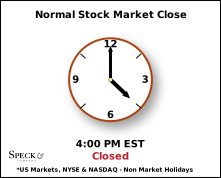
In the United States, the two primary stock exchanges, the New York Stock Exchange (NYSE) and the NASDAQ, generally operate on the same schedule for their core trading hours. They typically open at 9:30 AM Eastern Time (ET) and close at 4:00 PM ET, Monday through Friday. There are, however, exceptions for holidays or shortened trading days, which are usually announced well in advance. These fixed hours provide a predictable framework for global investors and financial institutions, allowing for the coordination of strategies across different markets and time zones. The consistency of this schedule underpins much of the financial market’s daily operations.
The Closing Auction and Price Determination
The moment the market officially “closes” at 4:00 PM ET isn’t simply a switch being flipped off. Instead, it culminates in a highly structured process known as the “closing auction.” This auction is a critical event where a vast number of buy and sell orders that have accumulated throughout the day, and specifically those designated for the close, are matched and executed simultaneously. The closing price, which is often referenced as the official price of a stock for the day, is determined by this auction. It’s designed to minimize price dislocation and ensure an orderly end to the trading day by absorbing a large volume of orders into a single, efficient price point. This process is vital for calculating portfolio values, benchmark performance, and derivatives contracts.
Impact on Day Traders and Short-Term Investors
For day traders and other short-term investors, the closing bell signifies the end of their active trading window. Many day traders aim to close out all positions before the market closes to avoid the unpredictable risks associated with holding positions overnight, especially if significant news breaks after hours. The final hour of trading can often see increased volatility as traders unwind positions, institutions execute large orders, and market participants try to capitalize on last-minute price movements. This period demands acute awareness and often rapid decision-making, as liquidity can surge or recede depending on the stock and market sentiment. The 4:00 PM bell acts as a hard deadline for these fast-paced strategies.
End-of-Day Rituals for Institutions
For large institutional investors, hedge funds, and mutual funds, the closing bell triggers a series of intricate end-of-day rituals. Portfolio managers finalize their daily performance calculations, compliance officers review trading activity, and back-office teams begin the process of trade settlement and reconciliation. Research analysts often issue their closing market commentaries, and strategists start to formulate their outlook for the next day, taking into account any overnight news or global market movements. The market’s closure provides a necessary pause for these complex operations, allowing for robust processing, reporting, and planning before the cycle begins anew.
The World Beyond the Closing Bell: Pre-Market and After-Hours Trading
While the official trading hours define the core market activity, the financial world doesn’t simply go dark at 4:00 PM ET. The advent of electronic communication networks (ECNs) and advanced trading platforms has given rise to robust pre-market and after-hours trading sessions, extending the market’s reach beyond its traditional confines.
Understanding Extended-Hours Trading
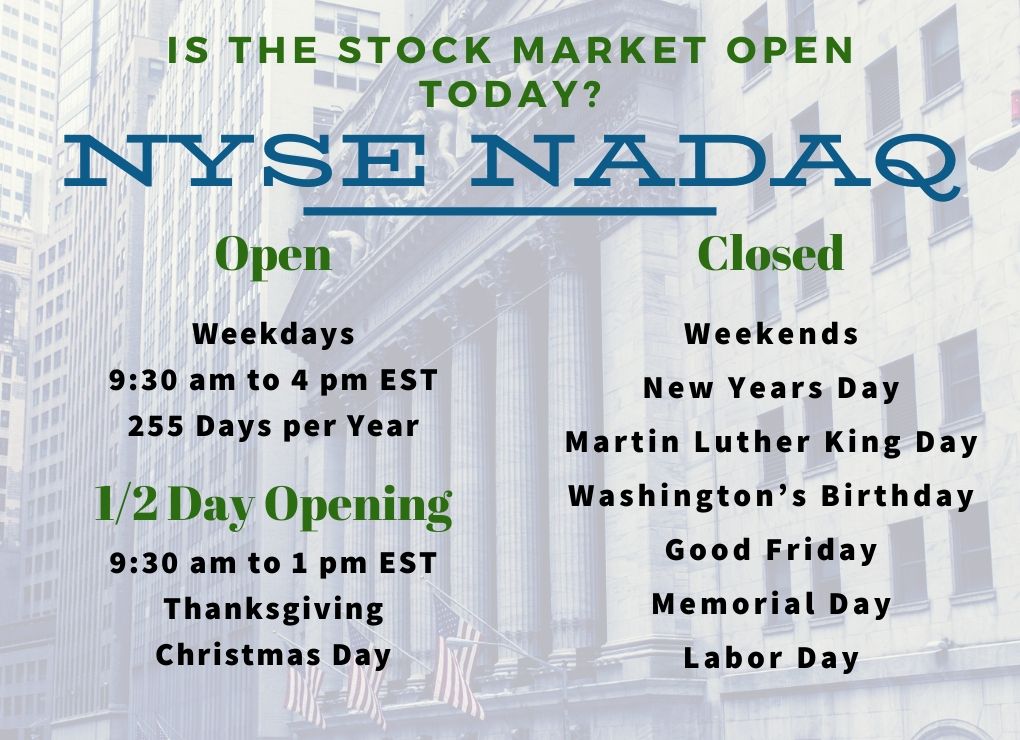
Extended-hours trading refers to trading activity that occurs outside the standard 9:30 AM to 4:00 PM ET window. This includes pre-market trading, typically from 4:00 AM to 9:30 AM ET, and after-hours trading, usually from 4:00 PM to 8:00 PM ET. These sessions allow investors to react to news that breaks outside of regular market hours, such as corporate earnings reports released in the evening or economic data published before the market opens. They also provide flexibility for international investors who may find standard U.S. trading hours inconvenient due to time zone differences.
Mechanics and Platforms
Extended-hours trading doesn’t occur on the primary exchanges like NYSE or NASDAQ directly but rather through ECNs. These automated systems match buy and sell orders electronically, bypassing the traditional floor-based or specialist-driven mechanisms. Most major brokerage firms offer their clients access to extended-hours trading, typically through their online platforms. Investors usually need to explicitly opt-in for this feature and place “limit orders” (orders to buy or sell at a specific price) rather than “market orders” (orders to buy or sell at the best available current price), due to the unique characteristics of these sessions.
Opportunities and Risks: Volatility and Liquidity Concerns
Extended-hours trading presents both opportunities and significant risks. The primary opportunity is the ability to react quickly to breaking news. For instance, if a company announces surprisingly positive earnings after the market closes, investors can potentially buy shares in after-hours trading before the general market opens, hoping to profit from an anticipated price surge. Conversely, negative news can be acted upon to mitigate losses.
However, the risks are substantial. The most critical concerns are lower liquidity and higher volatility. With fewer participants, the volume of trading is significantly lower than during regular hours. This reduced liquidity means that it can be harder to find a buyer or seller for a desired price, leading to wider bid-ask spreads. Even relatively small orders can have a disproportionate impact on a stock’s price, resulting in greater volatility and potentially significant price swings that may not reflect the stock’s true value once regular trading resumes. This increased risk profile makes extended-hours trading a domain often favored by professional traders or those with a high tolerance for risk.
Who Trades After Hours?
While individual retail investors can participate, extended-hours trading is often dominated by institutional investors, hedge funds, and sophisticated individual traders. These participants have the resources to monitor real-time news feeds, access advanced trading tools, and react swiftly to developments. They understand the nuances of order flow and market microstructure that are exacerbated in less liquid environments. For the average long-term investor, extended-hours trading is generally not recommended due to its inherent risks, though being aware of its existence and potential impact on opening prices is still important.
Strategic Implications for Investors
The closing of the stock market, whether for a few hours overnight or for an entire weekend, has profound strategic implications for all types of investors. It forces a change in pace, requiring a shift from active trading to thoughtful analysis and planning, shaping both immediate decisions and long-term portfolio management.
Processing News and Earnings Reports
A significant strategic implication of market closure is the timing of information dissemination. Companies frequently release crucial information, such as quarterly earnings reports, mergers and acquisitions announcements, or significant product updates, either before the market opens or after it closes. This strategy is deliberate, designed to give investors and analysts time to digest and evaluate the news without the immediate pressure of active trading. For investors, the period between the close and the open becomes a critical window for processing this new data, understanding its potential impact on stock prices, and recalibrating their investment thesis before the next trading session begins. Failure to do so can lead to being caught off guard when the market reacts.
Reassessing Portfolios and Planning Trades
The overnight or weekend closure provides an invaluable opportunity for investors to step back from the frantic pace of live trading and perform a comprehensive review of their portfolios. This is a time for thoughtful re-assessment: evaluating current holdings against new information, reconsidering risk exposure, and planning future trades. For long-term investors, it’s a chance to ensure their portfolio remains aligned with their financial goals and risk tolerance. For short-term traders, it’s the time to refine entry and exit strategies for the next trading day, based on technical analysis, fundamental news, and market sentiment that may have evolved during the off-hours. This analytical pause is a strategic advantage, preventing impulsive decisions driven by real-time market noise.
The Psychological Aspect of Market Closure
Beyond the technical and strategic, market closure has a significant psychological impact on investors. It enforces a necessary break, allowing individuals to disconnect from the constant monitoring of fluctuating prices. This enforced detachment can be beneficial, preventing burnout and reducing emotional decision-making. However, it can also create anxiety, particularly during weekends or extended holidays, where investors might worry about potential “gap downs” or “gap ups” (when the opening price is significantly different from the previous day’s close) due to unexpected global events. Learning to manage this psychological aspect – accepting the market’s temporary closure and trusting one’s long-term strategy – is a crucial skill for sustained investing success.
Long-Term vs. Short-Term Investor Perspectives
The implications of market closure differ significantly between long-term and short-term investors. For long-term investors, the daily closing bell is largely irrelevant beyond providing a benchmark for daily performance. Their focus is on fundamental value, long-term growth trends, and compounding returns, making daily fluctuations less critical. They use the closure to reflect on broader economic trends and strategic asset allocation. Short-term investors and traders, however, are highly sensitive to market closure. For them, every minute of trading counts, and the close represents a hard stop to their active strategies, forcing them to consider overnight risk and potentially close positions to avoid unforeseen events. Understanding these differing perspectives is key to appreciating how various market participants interact with the concept of market closure.
A Global Perspective: When One Market Closes, Another Opens
While individual markets adhere to fixed trading hours, the global financial landscape is characterized by an almost continuous flow of trading activity. As the closing bell rings in one major financial center, the opening bell is often chiming elsewhere, creating an interconnected web of markets that, collectively, truly never sleep.
Understanding Time Zone Overlaps
The world’s major stock exchanges are distributed across different time zones. When New York (EST) is closing for the day, markets in Asia, such as Tokyo and Hong Kong, are well into their trading sessions. Similarly, as Asian markets begin to wind down, European markets like London and Frankfurt are typically opening or in full swing. This sequential opening and closing, dictated by the planet’s rotation, means that there is almost always a major financial market actively trading somewhere in the world. This staggered operation allows for a continuous process of price discovery and capital allocation on a global scale, blurring the lines between “open” and “closed” from a truly global perspective.
Interconnectedness of Global Markets
The interconnectedness of these global markets means that events in one region can have ripple effects across others, even when local markets are officially closed. For instance, a major economic announcement in China during U.S. market off-hours might immediately impact European and Asian markets, and these movements will often be reflected in U.S. pre-market trading or influence the opening bell when American exchanges resume. This phenomenon highlights the fallacy of viewing any single market in isolation. Global investors constantly monitor indices and news from various regions, understanding that the health and activity of one market can be a precursor to movements in another.
Continuous Information Flow and Its Impact
The continuous nature of global trading also means an unrelenting flow of information. Economic data, corporate news, geopolitical developments, and shifts in sentiment are constantly being generated and absorbed by active markets worldwide. This uninterrupted information stream means that the “fresh start” often associated with a market opening bell is increasingly an illusion. Instead, the opening price of a stock on the NYSE might already incorporate reactions to news that occurred hours earlier in London or Tokyo. For the savvy investor, this necessitates a broader perspective, understanding that their local market is but one component of a vast, interdependent global financial system that is constantly evolving, even when their primary exchange is officially closed.
aViewFromTheCave is a participant in the Amazon Services LLC Associates Program, an affiliate advertising program designed to provide a means for sites to earn advertising fees by advertising and linking to Amazon.com. Amazon, the Amazon logo, AmazonSupply, and the AmazonSupply logo are trademarks of Amazon.com, Inc. or its affiliates. As an Amazon Associate we earn affiliate commissions from qualifying purchases.