
Navigating the intricate world of airfare pricing can feel like a high-stakes game of chance. For many, the decision of when to purchase plane tickets is fraught with anxiety – buy too early, and you might miss a cheaper deal; wait too long, and prices could skyrocket. In an era where travel is both a necessity and a cherished experience, understanding the dynamics of airfare pricing is not just about saving a few dollars; it’s about making informed financial decisions that maximize your travel budget and allow for more frequent or more luxurious adventures. This comprehensive guide will demystify the art and science of buying plane tickets, equipping you with the knowledge and strategies to secure the best possible fares for your next journey.
The Dynamic World of Airfare Pricing
Before diving into specific timing recommendations, it’s crucial to understand why ticket prices fluctuate so dramatically. Airlines employ sophisticated algorithms and revenue management strategies designed to maximize profit, which means prices are constantly shifting based on a myriad of factors. This isn’t random; it’s a calculated dance between supply, demand, and predictive analytics.
Understanding Airline Revenue Management
Airlines utilize complex revenue management systems that dynamically adjust prices based on real-time data. These systems consider everything from the number of seats already sold on a particular flight, historical demand for that route, competitor pricing, and even the browsing behavior of potential customers. The goal is to sell every seat at the highest possible price, meaning different passengers on the same flight might have paid vastly different fares depending on when and how they booked. Early bird discounts might attract budget-conscious travelers, while last-minute premium prices target business travelers with less flexibility. This constant optimization is why the “perfect” time to buy is rarely static.
Factors Influencing Ticket Prices
Beyond revenue management, several key factors exert significant influence on airfare costs. Demand is paramount; flights to popular destinations during peak seasons (holidays, summer, major events) will naturally be more expensive. Supply also plays a role; fewer available seats on a flight or fewer flights on a particular route will drive prices up. Fuel costs are a major operational expense for airlines, and fluctuations in global oil prices can be passed on to consumers. Competition between airlines on a given route can lead to price wars, offering temporary dips in fares. Lastly, booking class and fare rules dictate how flexible your ticket is, whether it includes baggage, and if it’s refundable, all impacting the final price. Understanding these underlying forces helps contextualize why advice on “when to buy” is never a one-size-fits-all answer.
The “Sweet Spot” for Domestic vs. International Travel
While the ideal booking window is dynamic, historical data and expert analysis reveal general trends that can serve as excellent guidelines for both domestic and international flights. Identifying these “sweet spots” can significantly impact your travel budget.
Domestic Flights: The 1-3 Month Window
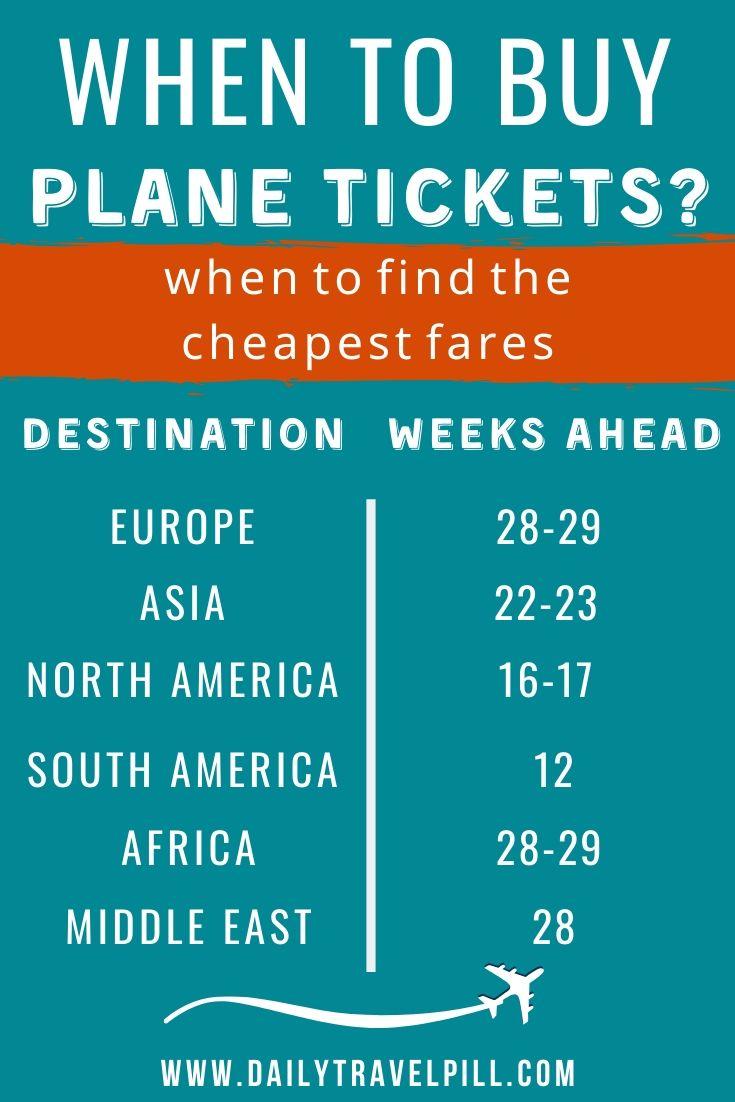
For flights within your home country or continent, the optimal booking window typically falls between one and three months (30-90 days) before your departure date. Within this period, airlines tend to offer a good balance of availability and competitive pricing. Buying too early (e.g., 6+ months out) often means you’re paying a premium because airlines haven’t yet released their full range of discounted fares. Conversely, waiting until the last minute (within a few weeks) usually results in higher prices as popular fare buckets sell out and airlines cater to less price-sensitive travelers. There can be exceptions, particularly for very popular routes or during major holidays, where booking closer to the 90-day mark might be safer.
International Flights: The 3-6 Month Lead Time
Venturing across continents generally requires a longer lead time to secure the best deals. For international travel, the “sweet spot” extends to three to six months (90-180 days) prior to your departure. International routes often involve more complex logistics, higher operating costs, and different demand patterns. Booking within this window allows you to capitalize on early bird promotions and catch fares before they escalate due to increased demand or limited availability. For exceptionally popular destinations or during peak tourist seasons (e.g., European summer, holiday travel), pushing that window closer to six or even nine months might be advisable. The further you’re traveling and the more exclusive the destination, the earlier you should consider booking to lock in favorable rates.
Last-Minute Deals: Myth or Reality?
The allure of a last-minute flight deal is persistent, but for most travelers, it’s more myth than reality, especially for leisure travel. While airlines occasionally release deeply discounted seats a few days before departure if a flight is severely undersold, these are rare and highly unpredictable. These deals are usually for less desirable routes, at inconvenient times, or come with significant restrictions. For planned trips, relying on a last-minute miracle is a gamble that almost always results in paying significantly more. Business travelers with urgent needs or those with extreme flexibility might occasionally benefit, but for the average person planning a vacation, it’s a financial risk not worth taking. Focus on the sweet spot windows for reliable savings.
Strategic Timing: Day of the Week and Seasonality
Beyond the general booking window, specific days of the week for both buying and flying, as well as broader seasonal trends, can significantly impact the price you pay. Understanding these nuances allows for even greater optimization of your travel expenditures.
Best Days to Buy: Midweek Advantages
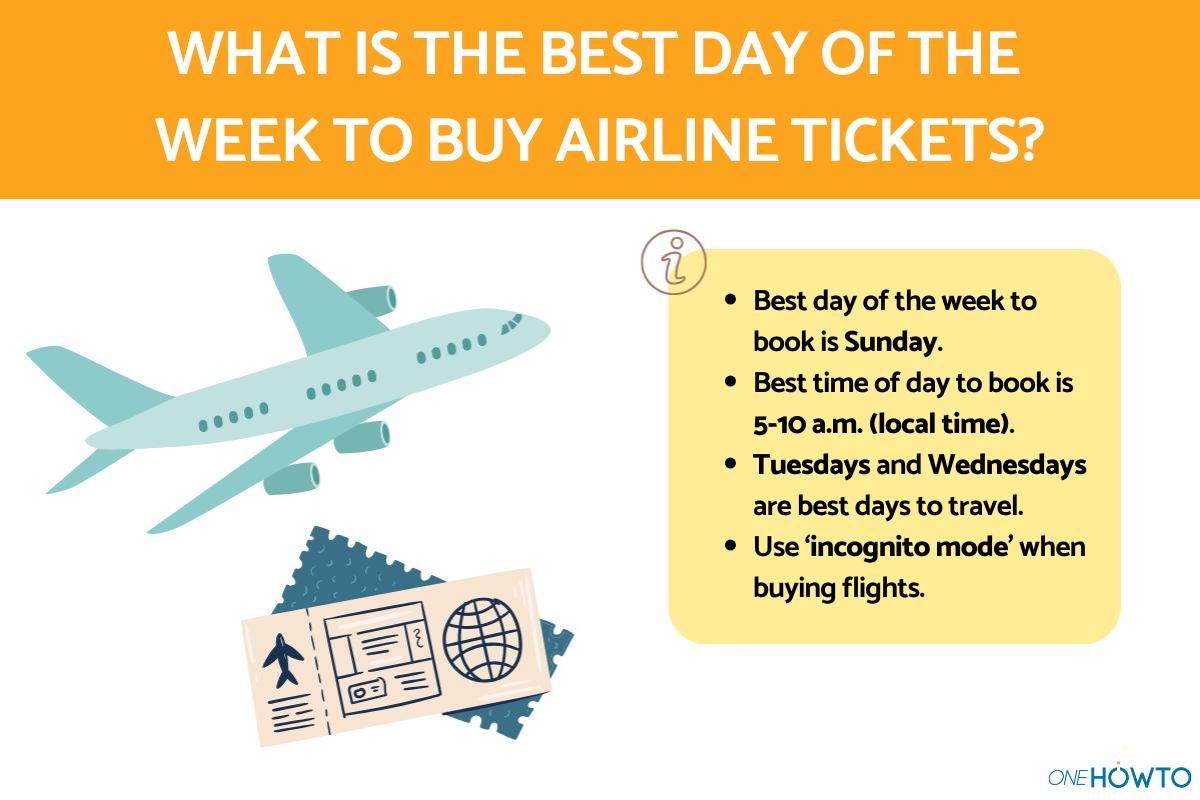
Conventional wisdom, supported by various studies, suggests that the middle of the week—specifically Tuesdays, Wednesdays, and sometimes Mondays—are often the best days to purchase plane tickets. The theory behind this is that airlines often release new sales or adjust prices on Monday evenings or early Tuesday mornings. Competitors then have a chance to match these prices, leading to a cascade of lower fares by Tuesday afternoon and into Wednesday. By the weekend, prices tend to creep up as leisure travelers, who typically browse and book on their days off, enter the market. While this isn’t a hard and fast rule for every single fare, it’s a strong enough pattern to warrant checking prices during the midweek for potential savings.
Best Days to Fly: Avoiding Peak Travel
Just as there are better days to buy, there are also better days to fly to save money. Generally, midweek flights (Tuesdays, Wednesdays, and Thursdays) are less expensive than flying on weekends (Fridays, Saturdays, and Sundays). This is primarily due to demand; business travelers often fly early in the week or late in the week, while leisure travelers fill up weekend flights. Opting for a departure or return on a Tuesday or Wednesday can often shave a noticeable amount off the ticket price. Early morning flights or late-night red-eyes can also be cheaper than flights during prime daytime hours, as they are less convenient for most travelers. Flexibility with your travel days is a powerful tool for cost reduction.
The Impact of Holiday and Seasonal Demand
Seasonality is arguably one of the most significant drivers of airfare pricing. Flights during major holidays (Christmas, New Year’s, Thanksgiving, Easter), school breaks (spring break, summer vacation), or peak tourist seasons for specific destinations will always command higher prices. If your travel dates are fixed around these peak periods, you must book much earlier – pushing into the outer limits of the “sweet spot” or even beyond. For example, holiday travel might require booking 6-9 months in advance for international trips and 3-5 months for domestic. Conversely, traveling during the “shoulder seasons” (just before or after peak season) or the “off-season” can lead to substantial savings, as demand is lower, and airlines are more eager to fill seats. Aligning your travel plans with these demand cycles can yield significant financial benefits.
Tools and Tactics for Savvy Ticket Purchases
Beyond understanding the market dynamics and timing, employing specific tools and tactics can give you a distinct advantage in the quest for cheaper flights. Leveraging technology and being a strategic shopper are key elements of a financially savvy travel plan.
Price Alerts and Tracking Tools
One of the most effective strategies is to use price tracking websites and apps. Services like Google Flights, Skyscanner, Kayak, Hopper, and Expedia allow you to set up price alerts for specific routes and dates. These tools monitor fare fluctuations and notify you when prices drop, taking the guesswork out of constant manual checking. This passive approach ensures you don’t miss a sudden sale or a temporary dip in fares, allowing you to act quickly when an optimal price appears. Many also offer “price prediction” features, advising whether to buy now or wait, based on historical data.
Incognito Browsing and VPNs
A common piece of advice in airfare hunting is to use incognito or private browsing modes. The theory is that airline and travel booking websites track your searches through cookies and may subtly increase prices for routes you repeatedly check, creating a sense of urgency. While the evidence for this is anecdotal and debated, using incognito mode ensures your search history isn’t influencing the prices you see. Clearing your browser’s cookies regularly or using a VPN (Virtual Private Network) to mask your IP address and appear as if you’re browsing from a different location might also yield different results, as prices can vary by country or region of booking. While not guaranteed, these are low-effort tactics worth trying.
The Flexibility Advantage: Dates and Airports
Flexibility is your greatest asset in saving money on flights. If your travel dates are not rigid, using flexible date search features (like Google Flights’ date grid or calendar view) can reveal significantly cheaper fares on days just before or after your preferred dates. Similarly, being open to flying into or out of alternative airports can unlock substantial savings. Major metropolitan areas often have multiple airports, and sometimes a smaller, less convenient airport might offer significantly cheaper flights than the primary hub. Factor in the cost and time of transport to and from these alternative airports, but often the savings on the flight itself far outweigh these minor inconveniences.
Considering Budget Airlines and Layovers
Don’t dismiss budget airlines out of hand. While they often charge extra for amenities like checked baggage, seat selection, and in-flight meals, their base fares can be incredibly low, especially for shorter domestic or intra-continental flights. Always compare the total cost, including any add-ons, against full-service carriers. Additionally, consider flights with layovers rather than direct flights. Non-stop convenience comes at a premium. If you’re not in a rush, a flight with one or even two layovers can be considerably cheaper, particularly for international routes. The time saved with a direct flight often has a direct cost equivalent, so evaluate if the convenience is worth the extra expense.
Beyond the Purchase: Maximizing Your Airfare Value
Securing a great ticket price is an excellent start, but smart financial management extends beyond the initial purchase. There are additional strategies to consider that can further enhance the value you derive from your airfare investment, from loyalty programs to crucial protections.
Loyalty Programs and Credit Card Rewards
For frequent flyers, enrolling in airline loyalty programs is a no-brainer. Earning miles or points on every flight can lead to free flights, upgrades, or other travel perks down the line. Many airlines are also part of alliances (Star Alliance, SkyTeam, Oneworld), allowing you to earn and redeem points across multiple carriers. Furthermore, strategically using travel rewards credit cards can significantly boost your points accumulation through sign-up bonuses and everyday spending. These points can then be redeemed for flights, offsetting future travel costs. Always choose cards that align with your spending habits and preferred airlines or alliances, and be mindful of annual fees and interest rates.
Understanding Fare Classes and Inclusions
When comparing prices, it’s vital to look beyond the headline number and understand what’s included in the fare. Airlines offer different fare classes, even within economy, which dictate flexibility (e.g., change fees, refundability), baggage allowances (carry-on, checked bags), seat selection options, and even priority boarding. A slightly more expensive ticket from a full-service airline might include a checked bag, while a cheaper budget airline fare could incur significant fees for the same service, ultimately making it more expensive. Always read the fine print and calculate the total cost of your desired travel experience, not just the base fare.

Travel Insurance: A Prudent Investment?
While not directly related to the price of your ticket, travel insurance is a financial consideration that can protect your investment. For expensive international trips or travel during uncertain times, travel insurance can be a prudent investment. It can cover costs associated with trip cancellations, delays, lost luggage, medical emergencies abroad, and more. Weigh the cost of the insurance against the potential financial losses if something goes awry with your travel plans. Some premium travel credit cards offer built-in travel insurance benefits, so check your card’s perks before purchasing a separate policy. It’s a small upfront cost that can prevent significant financial heartache later.
The quest for the cheapest plane tickets is an ongoing endeavor, but by understanding the underlying market forces, leveraging strategic timing, utilizing smart tools, and making financially informed decisions, you can significantly improve your chances of securing excellent deals. Remember, flexibility is often the most powerful currency in airfare shopping. By combining patience, research, and a strategic approach, you’ll be well-equipped to book your next adventure without breaking the bank, leaving more money in your pocket for the experiences at your destination. Safe travels and happy savings!
aViewFromTheCave is a participant in the Amazon Services LLC Associates Program, an affiliate advertising program designed to provide a means for sites to earn advertising fees by advertising and linking to Amazon.com. Amazon, the Amazon logo, AmazonSupply, and the AmazonSupply logo are trademarks of Amazon.com, Inc. or its affiliates. As an Amazon Associate we earn affiliate commissions from qualifying purchases.