
The rhythmic clang of an opening bell, whether physical or digital, signals far more than just the start of another trading day; it heralds a global awakening of capital, a complex interplay of optimism, apprehension, data, and human psychology. For investors, traders, and businesses worldwide, the moment markets open is a critical inflection point, setting the stage for the hours that follow and often dictating the sentiment that will ripple through the financial ecosystem. Understanding the intricacies of this daily ritual – from the various opening times across different asset classes to the strategies employed by market participants – is fundamental to navigating the dynamic world of finance. It’s a time of heightened volatility, opportunity, and risk, demanding both astute analysis and robust strategic planning.

The Symphony of the Opening Bell: More Than Just a Time
The opening of financial markets is a staggered global event, a relay race of capital that begins in one timezone and passes the baton to the next. This synchronized yet independent launch across continents creates a rich tapestry of opportunity and provides continuous access to capital for a 24-hour global economy. It’s a moment charged with anticipation, where the collective hopes and fears of millions of participants converge.
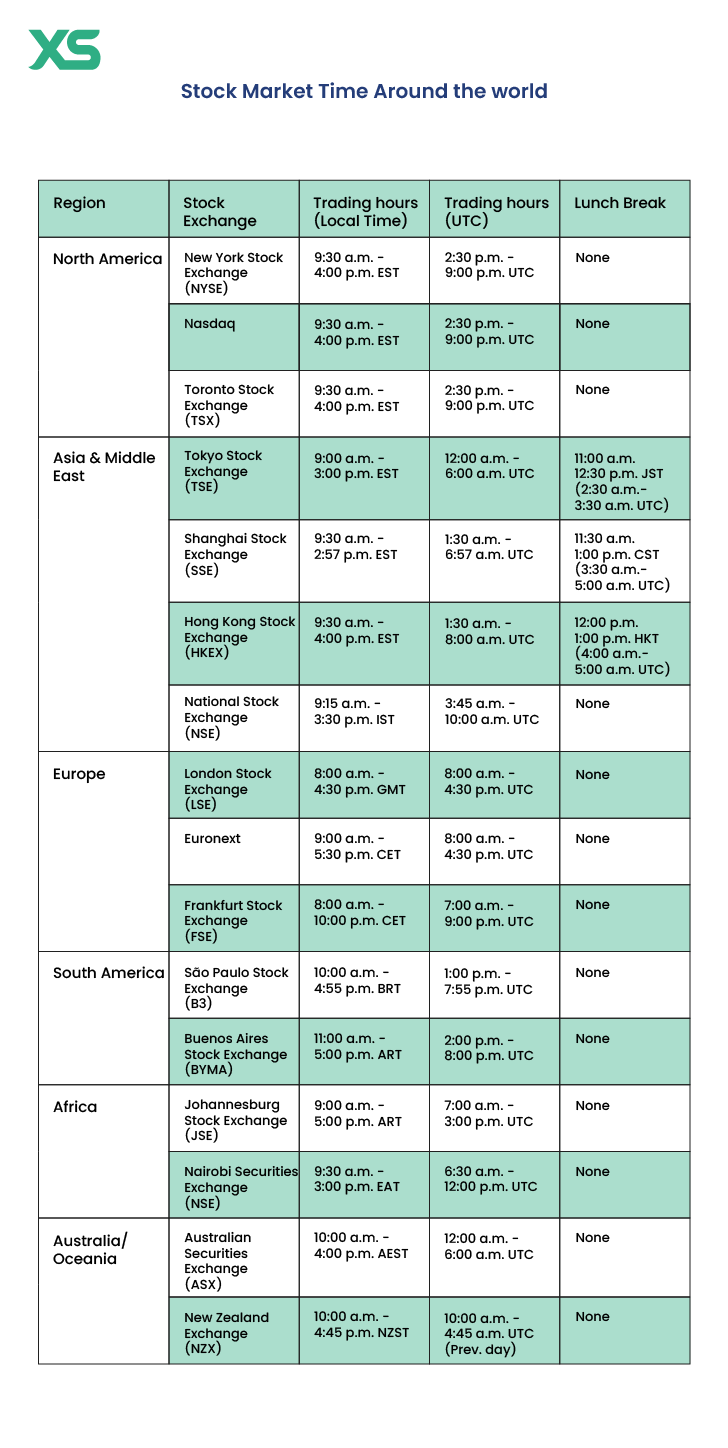
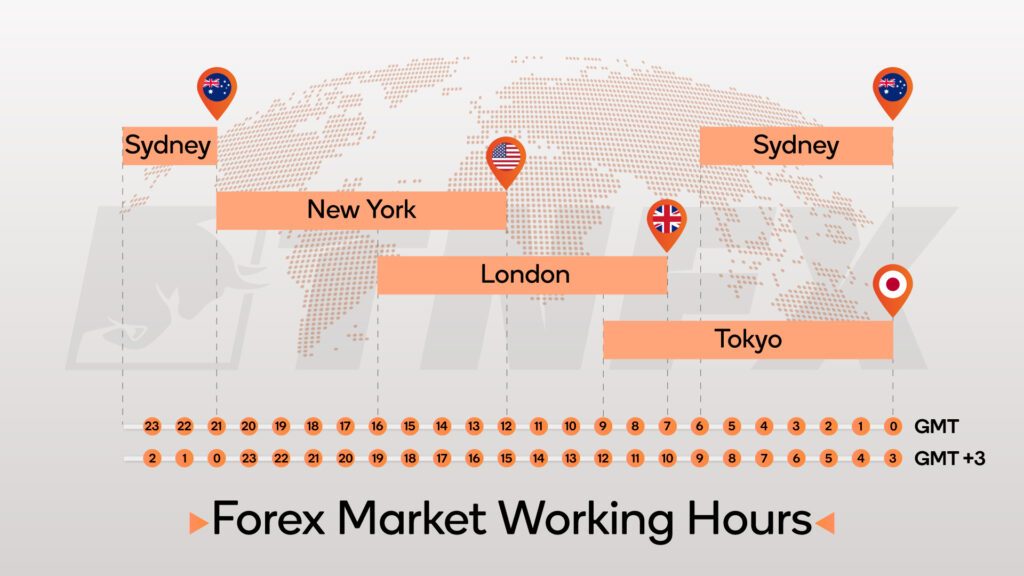
A Global Roster of Opening Hours: Stock, Forex, Crypto, Commodities
While many immediately think of the New York Stock Exchange (NYSE) or NASDAQ when “markets open,” the reality is far more diverse. Each major financial center, from London to Tokyo, Shanghai to Sydney, has its own distinct trading hours, often overlapping to facilitate international transactions. Stock exchanges typically operate within standard business hours of their respective countries, such as the NYSE and NASDAQ from 9:30 AM to 4:00 PM ET.
However, the world of foreign exchange (Forex) markets is virtually always “open,” operating 24 hours a day, five days a week, as currency trading shifts between major financial hubs. Cryptocurrency markets, too, defy traditional opening and closing times, trading 24/7 across global exchanges. Commodity markets, including futures for oil, gold, and agricultural products, also have specific trading hours that can vary significantly and often include extended electronic sessions. This global diversity means that “when markets open” is a perpetual state of affairs somewhere in the world, requiring investors to be acutely aware of the specific markets relevant to their portfolios.
The Ritual and Its Resonance: Symbolic and Practical Importance
Beyond the sheer mechanics of transaction initiation, the market open carries significant symbolic and practical weight. Symbolically, the opening bell represents transparency, order, and the enduring strength of the financial system. It’s a daily reaffirmation of free markets and capital allocation. Practically, the initial minutes and hours of trading are crucial for several reasons. It’s when the market absorbs and reacts to all news, economic data, and corporate announcements that have occurred since the previous close. This period is characterized by intense price discovery, as market participants collectively determine the fair value of assets based on new information. Initial orders, placed overnight or in pre-market sessions, are executed, contributing to significant trading volumes and often leading to sharp price movements that can set the tone for the entire day.
Volatility and Opportunity: Navigating the Opening Minutes
The moments immediately following a market’s opening are often the most dynamic, presenting both significant opportunities for savvy traders and heightened risks for the unprepared. This period is a crucible where overnight developments are digested and translated into price action, making it a critical phase for understanding market sentiment and direction.
Price Discovery and Early Trends
The initial surge of trading activity after the open is essentially a rapid process of price discovery. Buy and sell orders, accumulated during the non-trading hours, flood the market, causing prices to adjust swiftly to reflect new information, updated valuations, and shifting investor sentiment. For example, a positive earnings report released after hours might lead to a stock “gapping up” at the open, meaning its opening price is significantly higher than its previous close. Conversely, negative news could cause a gap down.
Observing these early movements is vital for identifying nascent trends. The direction and strength of the initial price action in key indices or individual stocks can provide clues about the broader market’s appetite for risk or its reaction to specific sector news. Traders often look for confirmation of these early trends as volume settles, but the initial burst can signal strong underlying sentiment.
Gaps and Premarket Activity
“Gaps” are a common phenomenon at market open, occurring when an asset’s opening price is distinctly different from its previous closing price, creating an empty space on a chart. These gaps are almost always a direct result of significant news or events that happened when the market was closed. Understanding what caused a gap – whether it’s corporate earnings, a geopolitical event, or a major economic data release – is crucial for interpreting its sustainability and potential future direction.
Premarket trading, available on many electronic platforms, allows institutional investors and some retail traders to place orders before the official open. While liquidity is typically lower in premarket, the activity here can offer an early glimpse into how a stock might behave once the main market opens, providing an additional layer of data for analysis ahead of the bell.
Liquidity Dynamics and Order Flow
The opening bell typically brings with it a surge in liquidity, as a high volume of buyers and sellers enter the market. This increased liquidity generally leads to tighter bid-ask spreads, making it easier to execute trades without significant price impact. However, within the first few minutes, this liquidity can also be sporadic, especially for less actively traded securities, leading to exaggerated price swings.
Analyzing order flow – the sequence of buy and sell orders – can provide deeper insights into the conviction behind price movements. A heavy imbalance of buy orders over sell orders, for instance, suggests strong upward pressure. While complex, understanding these dynamics helps sophisticated traders gauge the immediate supply and demand forces at play and anticipate short-term price movements.
Strategic Approaches to the Opening Bell
The heightened volatility and liquidity at market open demand well-defined strategies, tailored to individual risk tolerances and investment horizons. Whether you’re a high-frequency trader or a long-term investor, how you approach this critical period can significantly impact your financial outcomes.
The Day Trader’s Edge: High-Frequency Strategies
For day traders, the market open is prime time. The volatility of the first 30-60 minutes offers numerous opportunities for quick profits, but also carries substantial risk. Strategies often revolve around identifying strong opening trends, trading gaps (either fading them or riding them), and capitalizing on momentum. Day traders might use indicators like opening ranges, volume analysis, and short-term moving averages to make rapid decisions. They prioritize speed of execution and rigorous risk management, often setting tight stop-loss orders to protect capital from adverse price swings. This approach requires intense focus, quick decision-making, and a deep understanding of market microstructure.
Long-Term Investor’s Perspective: Tuning Out the Noise
In contrast, long-term investors generally view the initial market gyrations with more detachment. Their strategy is focused on fundamental analysis, company growth, and macroeconomic trends, not intraday price fluctuations. For them, the market open is often a period to observe without necessarily acting. They might use the open to gauge overall market sentiment, but they are typically looking at the forest, not the individual trees. Placing trades at the open for long-term positions is often avoided unless specific, pre-determined criteria are met, as the increased volatility can lead to suboptimal entry or exit prices. Patience and a focus on intrinsic value are their guiding principles, allowing them to ride out short-term noise.
Risk Management at the Outset: Protecting Capital
Regardless of the strategy, robust risk management is paramount at the open. The rapid price movements can lead to significant losses if positions are not carefully managed. This includes setting clear stop-loss levels before entering a trade, understanding your maximum acceptable loss per trade, and ensuring proper position sizing. For day traders, this might mean limiting exposure during the most volatile first 15 minutes. For investors, it means having a clear investment thesis and not being swayed by initial panic or euphoria. Diversification, while not a solution for every market open, is also a long-term risk management tool that mitigates the impact of adverse movements in single assets.
Data and News Aggregation: Informing Decisions
Effective decision-making at market open relies heavily on timely and accurate information. Traders and investors spend the pre-market hours digesting news headlines, economic reports, corporate earnings announcements, and geopolitical developments. Financial news services, social media analysis, and proprietary data feeds become invaluable tools for aggregating this information. Understanding how these data points are likely to influence market sentiment and individual asset prices is key to forming an informed strategy for the open. Algorithmic traders leverage this information instantly, but even human traders must quickly synthesize complex data sets to gain an edge.
The Technological Underpinnings of Modern Market Openings
The experience of “when markets open” has been profoundly transformed by technological advancements. What was once a bustling trading floor dominated by human voices and hand signals is now an interconnected global network, where algorithms often execute trades faster than human perception. This technological evolution has democratized access, increased efficiency, but also introduced new complexities and challenges.
Electronic Trading Platforms: Speed and Accessibility
The shift from physical trading pits to fully electronic trading platforms has been revolutionary. These platforms allow instantaneous order submission, real-time price dissemination, and sophisticated order management. For retail investors, online brokerages provide direct access to markets, enabling them to place trades from anywhere with an internet connection. For institutional investors, advanced trading terminals offer high-speed connections and complex order types designed to navigate large block trades. This accessibility means that the “opening bell” is no longer confined to a single physical location but is experienced simultaneously by millions of participants globally, significantly increasing market participation and efficiency.
Algorithmic Trading and AI: Automated Responses
Perhaps the most significant technological influence on market openings is the rise of algorithmic trading. Sophisticated computer programs, operating at microsecond speeds, are designed to execute trades based on pre-defined criteria, analyze market data, and even predict price movements. These algorithms can process vast amounts of information much faster than any human, reacting instantly to news, order imbalances, or price changes.
At the market open, algorithmic trading plays a critical role in price discovery and liquidity provision. High-frequency trading (HFT) firms, a subset of algorithmic trading, aim to profit from tiny price discrepancies, contributing a large proportion of the initial trading volume. The increasing sophistication of AI and machine learning further refines these algorithms, allowing them to adapt and learn from market conditions, making the opening period even more dynamic and often challenging for human traders to compete with on speed alone.
Market Data Feeds and Analytics: Real-Time Insights
Access to real-time market data is the lifeblood of modern trading, especially at the open. Data feeds provide instantaneous updates on prices, volumes, order books, and news events. Beyond raw data, advanced analytics platforms process this information, presenting it in actionable formats through charts, indicators, and alerts. This allows traders to quickly identify emerging patterns, gauge market sentiment, and make informed decisions during the chaotic opening minutes. The speed and quality of these data feeds and analytical tools are crucial, particularly for those looking to capitalize on the initial volatility.
Beyond the First Hour: Sustaining Informed Investment
While the market open sets the tone, the financial day is far from over. Effective investment strategy requires continuous monitoring, adaptability, and a long-term perspective that extends well beyond the initial rush. The informed investor understands that the market is a marathon, not a sprint.
Monitoring Intraday Developments: Adapting to New Information
After the initial burst of activity, markets often settle into more predictable patterns, but new information can emerge at any point during the day. Economic reports, company announcements, analyst upgrades/downgrades, or unexpected geopolitical news can all cause intraday volatility. Astute investors and traders remain vigilant, monitoring news feeds and price action, ready to adapt their positions or strategies if fundamental conditions change. This continuous assessment prevents tunnel vision and ensures that decisions are based on the most current available data, not just the opening sentiment.
The Role of Macroeconomic Releases: Scheduled Announcements
Many significant macroeconomic data releases, such as inflation reports, unemployment figures, or central bank interest rate decisions, are scheduled for specific times during the trading day, often after the market open. These announcements can trigger substantial market reactions, creating mini-“opening bell” events throughout the day. Investors must be aware of these schedules and understand their potential impact on various asset classes, as these releases can swiftly alter the market’s direction and invalidate previous assumptions.
Psychological Traps to Avoid: Emotional Trading
The volatility of market open and the subsequent intraday movements can take a toll on an investor’s psychology. Emotions like fear of missing out (FOMO), greed, or panic can lead to irrational decisions. Chasing rapidly moving stocks, cutting profits too early, or holding onto losing positions for too long are common psychological traps. A disciplined approach, sticking to a pre-defined strategy, and maintaining emotional detachment are crucial for long-term success. It’s vital to remember that not every market open offers a clear opportunity, and sometimes the best trade is no trade at all.
In conclusion, “when markets open” is a multifaceted event, a daily convergence of economic forces, technological prowess, and human decision-making. For the shrewd investor, it represents a canvas of continuous learning and adaptation, where understanding the intricacies of global market timing, leveraging technology for informed decision-making, and adhering to sound financial principles are key to navigating the opportunities and challenges that each new trading day brings.
aViewFromTheCave is a participant in the Amazon Services LLC Associates Program, an affiliate advertising program designed to provide a means for sites to earn advertising fees by advertising and linking to Amazon.com. Amazon, the Amazon logo, AmazonSupply, and the AmazonSupply logo are trademarks of Amazon.com, Inc. or its affiliates. As an Amazon Associate we earn affiliate commissions from qualifying purchases.