
Understanding the operating hours of stock markets is more than just a logistical detail; it’s a critical piece of information that underpins effective investment strategy, risk management, and timely decision-making. For both seasoned traders and novice investors, knowing precisely when the markets open, close, and when they deviate from their standard schedule can significantly impact trade execution, portfolio adjustments, and even the interpretation of financial news. This guide delves into the intricate timings of the stock market, exploring standard hours, holiday closures, early dismissals, and the increasingly relevant world of extended-hours trading.
The perception of a continuously active global financial landscape can sometimes overshadow the reality of discrete trading sessions. While news, economic data, and company announcements might ripple across time zones 24/7, the actual buying and selling of securities on major exchanges adhere to specific, regulated schedules. Mastering these timings is not just about avoiding missed opportunities; it’s about aligning your investment actions with market liquidity, volatility patterns, and the broader economic narrative.
Understanding Standard Stock Market Hours
The backbone of stock market operations lies in its regular trading sessions. These are the periods when the vast majority of trading volume occurs, characterized by high liquidity and efficient price discovery. For investors operating within or interacting with the U.S. financial system, the New York Stock Exchange (NYSE) and NASDAQ are the primary benchmarks for these standard hours.
The New York Stock Exchange (NYSE) and NASDAQ
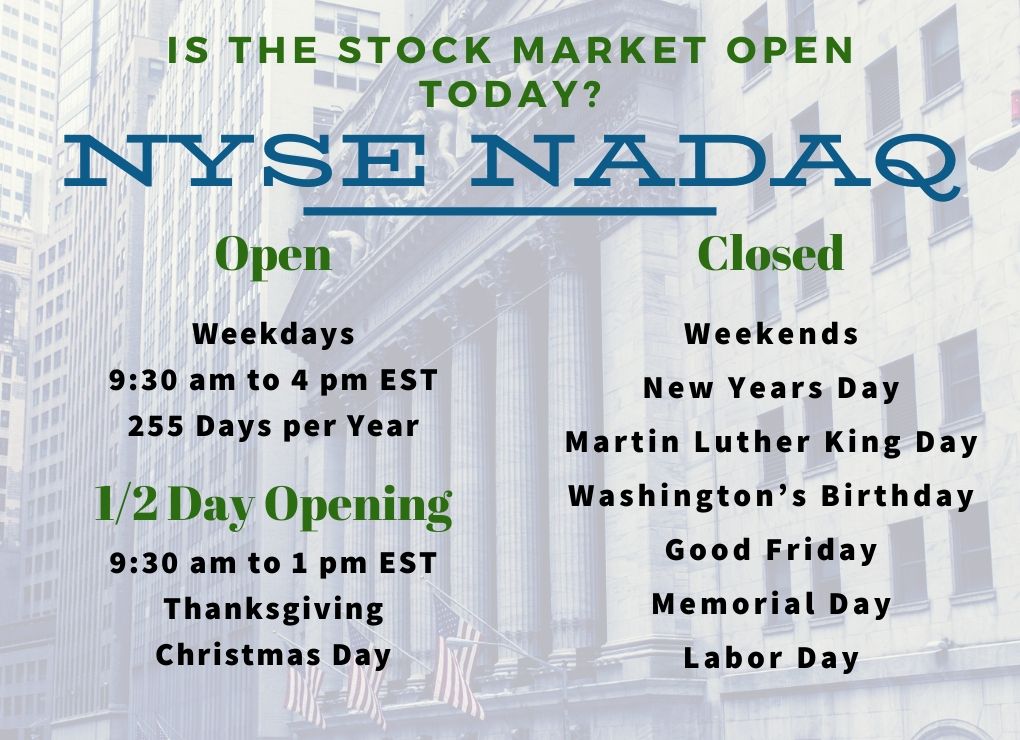
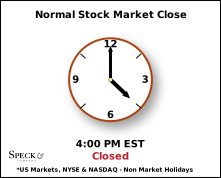
Both the New York Stock Exchange (NYSE), the world’s largest stock exchange by market capitalization, and the NASDAQ, known for its technology and growth companies, operate on the same standard schedule. Their regular trading hours are from 9:30 AM to 4:00 PM Eastern Time (ET), Monday through Friday. This six-and-a-half-hour window represents the core period for market activity, where the bids and offers of millions of investors converge to determine asset prices.
The opening bell at 9:30 AM ET signifies the start of the trading day, often marked by increased volatility as overnight news and pre-market activity are absorbed into the broader market. Similarly, the closing bell at 4:00 PM ET can also see a surge in trading volume as investors rush to execute trades or square off positions before the market shuts down for the day. These specific times are not arbitrary; they are designed to provide sufficient time for market participants while allowing for off-market processing and preparation for the next trading session.
Regular Trading Sessions: Weekdays Only
A fundamental aspect of stock market operation is its adherence to a five-day trading week. Stock markets are closed on Saturdays and Sundays, providing a crucial pause for reflection, research, and for market participants to disconnect from the constant flow of real-time data. This weekend hiatus allows for a cooling-off period, preventing burnout and enabling a fresh start each Monday.
The weekday-only schedule is a global norm, though specific hours vary by region. This standardization across major U.S. exchanges simplifies planning for domestic investors and institutional traders alike. It ensures that critical regulatory oversight, settlement processes, and back-office operations have predictable schedules, contributing to the overall stability and integrity of the financial system.
Time Zones and Their Impact
While the 9:30 AM to 4:00 PM ET schedule is standard for U.S. markets, it’s crucial for investors outside the Eastern Time zone to adjust accordingly. For example, an investor on the West Coast (Pacific Time) would experience the market opening at 6:30 AM PT and closing at 1:00 PM PT. Similarly, those in the Central Time zone would see an 8:30 AM CT open and a 3:00 PM CT close.
This time zone consideration becomes even more critical for international investors. A European investor might find the U.S. market hours overlapping significantly with their afternoon or evening, while an Asian investor might be monitoring U.S. markets during their nighttime. Understanding these time differences is paramount for coordinating trades, responding to market events, and avoiding unexpected market closures due to local time zone discrepancies. Many online brokerage platforms and financial news sites automatically adjust market hours to the user’s local time, but it’s always wise to double-check.
Navigating Market Closures: Weekends, Holidays, and Early Dismissals
While the weekday 9:30 AM to 4:00 PM ET schedule is the norm, the stock market does not operate every single weekday. Various holidays and special circumstances lead to full-day closures or abbreviated trading sessions. Being aware of these exceptions is vital for managing liquidity, planning trades, and understanding when to expect market data releases.
Federal Holidays: A Full Day Off
The U.S. stock market observes several federal holidays, during which it remains completely closed. These holidays typically include:
- New Year’s Day (January 1)
- Martin Luther King, Jr. Day (Third Monday in January)
- Washington’s Birthday / Presidents’ Day (Third Monday in February)
- Good Friday (Varies, typically March or April)
- Memorial Day (Last Monday in May)
- Juneteenth National Independence Day (June 19)
- Independence Day (July 4)
- Labor Day (First Monday in September)
- Thanksgiving Day (Fourth Thursday in November)
- Christmas Day (December 25)
It’s important to note that if a holiday falls on a Saturday, the market will typically close on the preceding Friday. If it falls on a Sunday, the market will typically close on the following Monday. This shifting ensures that market participants still receive a full-day holiday off. These full closures mean no regular trading, no pre-market or after-hours sessions, and no new market data for the day.
Early Closing Days: Planning for Abbreviated Sessions
Beyond full-day holidays, there are specific dates when the U.S. stock market observes early closings, typically ending at 1:00 PM ET. These abbreviated sessions commonly occur on:
- The day before Independence Day (if it’s a weekday)
- The day after Thanksgiving (Black Friday)
- Christmas Eve (December 24)
These half-day sessions can be particularly tricky for investors who are not paying close attention. The reduced trading hours mean less time to react to news, and the lower liquidity often associated with abbreviated sessions can lead to increased volatility or wider bid-ask spreads. It’s crucial for investors, especially those engaged in short-term trading or requiring quick execution, to mark these dates on their calendars and adjust their strategies accordingly.
Global Markets: A Different Calendar
While the U.S. market schedule is important, a truly comprehensive understanding of “when the stock market is closing” requires a glance at global markets. Major exchanges around the world, such as the London Stock Exchange (LSE), Tokyo Stock Exchange (TSE), Shanghai Stock Exchange (SSE), and Euronext, operate on their own local time zones and observe their respective national holidays.
For instance, the LSE’s main market operates from 8:00 AM to 4:30 PM GMT, while the TSE operates with a morning session (9:00 AM to 11:30 AM JST) and an afternoon session (12:30 PM to 3:00 PM JST). An investor with a diversified international portfolio must be mindful of these varied schedules. News impacting a U.S.-listed company might break when European markets are open but U.S. markets are closed, leading to price movements on related ADRs (American Depositary Receipts) or in other asset classes. Staying informed about key global market holidays is essential for international diversification strategies and understanding cross-market influences.
Beyond Standard Hours: Pre-Market and After-Hours Trading
The traditional 9:30 AM to 4:00 PM ET window doesn’t tell the whole story of market activity. Electronic communication networks (ECNs) and alternative trading systems (ATSs) have enabled trading to extend beyond these conventional boundaries, giving rise to pre-market and after-hours sessions.
What is Pre-Market Trading?
Pre-market trading refers to the period before the official market open, typically from 4:00 AM ET to 9:30 AM ET. During this time, investors can place buy and sell orders that are matched by electronic networks. This segment of trading is often driven by corporate earnings announcements released before market open, macroeconomic data, or significant geopolitical news.
The ability to trade pre-market allows investors to react quickly to new information, potentially capitalizing on early price movements or mitigating losses before the main session begins. However, pre-market trading is characterized by lower liquidity and wider bid-ask spreads compared to regular hours. This means it can be harder to execute large orders without impacting the price, and prices can be more volatile. Retail investors often access pre-market trading through their brokerage platforms, which aggregate orders from various ECNs.
Exploring After-Hours Trading
After-hours trading occurs immediately following the close of the regular session, typically from 4:00 PM ET to 8:00 PM ET. Similar to pre-market trading, this period is often a reaction to news that breaks after the market closes, such as quarterly earnings reports, company guidance updates, or late-breaking economic data.
For investors, after-hours trading offers another window to adjust positions based on fresh information. It can be particularly useful for reacting to company-specific news that might otherwise lead to a significant price gap at the next day’s open. Like pre-market trading, after-hours sessions are generally marked by lower liquidity and increased price volatility. These conditions present both opportunities for savvy traders to gain an edge and risks for those who are not prepared for rapid price fluctuations or difficulty in executing trades at desired prices.
Risks and Opportunities in Extended Hours
While extended-hours trading provides flexibility and early access to market reactions, it comes with inherent risks. The lower volume means fewer participants, making it easier for a small number of large trades to disproportionately affect prices. This reduced liquidity can lead to significant price discrepancies, making it challenging to get favorable execution prices. Additionally, news released during extended hours might not be fully disseminated, leading to less informed decision-making compared to the broad participation of regular hours.
However, for sophisticated investors and those with a strong understanding of market dynamics, extended hours can present opportunities. The ability to react ahead of the crowd to specific news events, arbitrage price differences, or even engage in limited-risk strategies can be advantageous. It requires a keen eye on news feeds, a robust trading platform, and a clear understanding of the unique characteristics of these less liquid trading periods.
Why Knowing Market Hours Matters for Investors
Understanding when the stock market is open or closed is not merely an academic exercise; it has profound practical implications for every investor, regardless of their strategy or experience level. It directly influences trade execution, portfolio management, and strategic financial planning.
Executing Trades and Price Discovery
The most immediate impact of market hours is on trade execution. During standard market hours, the high volume of buyers and sellers ensures deep liquidity, meaning orders are typically filled quickly and at prices very close to the quoted bid or ask. This environment facilitates efficient price discovery, where the true value of an asset is continuously refined by the collective actions of market participants.
Conversely, attempting to place market orders when the market is closed or during low-liquidity extended hours can lead to unexpected outcomes. Orders placed overnight or during holidays will only be executed at the next open, potentially at a significantly different price. Limit orders offer more control but may not be filled if the market moves away from your specified price during the downtime. Strategic investors use market hours to their advantage, timing their entries and exits when liquidity is highest and price discovery is most robust.
Impact on News Releases and Volatility
Companies and economic agencies often schedule significant news releases around market hours to manage their impact. Earnings reports, FDA approvals, and major economic indicators (like CPI or unemployment figures) are frequently released either before the market opens (e.g., 7:00 AM ET – 8:30 AM ET) or after it closes (e.g., 4:00 PM ET – 6:00 PM ET). This timing allows market participants to digest the information and formulate their strategies before the next trading session or during the more volatile extended-hours period.
Understanding these release schedules relative to market hours is crucial. A positive earnings surprise released after hours might cause a stock to gap up significantly at the next open, while negative news could lead to a sharp decline. Investors who are aware of these timings can prepare by adjusting their portfolio, placing conditional orders, or simply being ready to react when trading resumes. The interplay between news, market hours, and subsequent volatility is a key consideration for both short-term traders and long-term investors evaluating their positions.
Strategic Planning for Long-Term and Day Traders
For day traders, precise knowledge of market hours is the foundation of their entire strategy. Their goal is to capitalize on intra-day price movements, making the 9:30 AM to 4:00 PM window their primary battleground. They must be acutely aware of opening and closing volatility, mid-day lulls, and any early closure days that shorten their trading opportunities. Their risk management and profit-taking strategies are intricately linked to the rhythm of the daily market cycle.
Long-term investors, while not constantly monitoring intra-day price swings, also benefit from understanding market hours. Knowledge of holidays and early closures allows them to anticipate periods of reduced liquidity or potential market overreactions to news. They might choose to place orders during peak liquidity to ensure better execution for large positions, or they might factor in holiday closures when planning the timing of major portfolio adjustments or rebalancing activities. Knowing when the market is closed also gives them designated time for research, strategy review, and reflection, without the pressure of live market action.
Staying Informed: Tools and Resources for Market Schedules
In today’s fast-paced financial world, staying updated on stock market operating hours is easier than ever, thanks to a plethora of digital tools and resources. Leveraging these effectively ensures you’re never caught off guard by an unexpected closure or abbreviated session.
Brokerage Platforms and Financial News Sites
Your primary brokerage platform is often the first and most reliable source for market hour information. Most reputable online brokers integrate market calendars directly into their dashboards or provide easy access to them. They will typically display real-time market status (open, closed, pre-market, after-hours) and clearly list upcoming holiday closures and early dismissals. Many will also send out email notifications or in-platform alerts regarding changes to trading schedules.
Beyond brokerage firms, major financial news websites and apps (e.g., Bloomberg, Wall Street Journal, Reuters, Yahoo Finance, Investopedia) maintain comprehensive market holiday calendars. These resources are invaluable for cross-referencing information and gaining a broader perspective on global market schedules. They often provide context for why certain days are holidays or why early closures are observed, adding to an investor’s overall understanding.
Calendar Reminders and Notifications
Proactive management of market schedules involves integrating them into your personal or professional digital calendars. Many financial news sites allow you to download iCal files for market holidays, which can be imported directly into Google Calendar, Outlook Calendar, or Apple Calendar. Setting up automated reminders for key dates, especially early closing days, can prevent costly oversights.
Furthermore, some financial apps and trading platforms offer customizable notification services. You can often set alerts for market open, market close, or even specific upcoming holidays. Utilizing these notification features ensures that you receive timely prompts, allowing you to adjust your trading plans or simply be aware of when the market will next be available for trading.
The Importance of Due Diligence
While tools and resources abound, the ultimate responsibility for staying informed rests with the investor. Due diligence is paramount. Always cross-reference information from multiple reliable sources if you have any doubts. Market schedules, especially for international exchanges, can sometimes have last-minute changes due to unforeseen circumstances (e.g., extreme weather, national emergencies), though these are rare for major U.S. markets.
For investors who frequently trade around news events, developing a routine of checking the market calendar at the start of each week or month is a wise habit. This consistent approach ensures that your investment decisions are always made with a full understanding of the market’s operational status, contributing to more informed and potentially more profitable outcomes. Knowing when the stock market is closing isn’t just about avoiding surprises; it’s about empowering you to make strategic decisions that align with the true rhythms of global finance.
aViewFromTheCave is a participant in the Amazon Services LLC Associates Program, an affiliate advertising program designed to provide a means for sites to earn advertising fees by advertising and linking to Amazon.com. Amazon, the Amazon logo, AmazonSupply, and the AmazonSupply logo are trademarks of Amazon.com, Inc. or its affiliates. As an Amazon Associate we earn affiliate commissions from qualifying purchases.