
For billions across the globe, soccer (or football, as it’s known in most of the world) is more than just a game; it’s a way of life. The rhythmic pulse of league play, the drama of international tournaments, and the passionate roar of the crowd create an unparalleled global spectacle. However, keeping track of the myriad of soccer seasons worldwide can be a daunting task. From the Premier League’s winter calendar to MLS’s summer schedule, and the periodic bursts of international competition like the World Cup or continental championships, the question “When is the soccer season?” often elicits a complex, multi-layered answer.

In an age dominated by instant information and interconnectedness, technology has emerged as the ultimate referee in managing this scheduling complexity. No longer are fans reliant on print newspapers or word-of-mouth; a tap on a smartphone or a quick voice command can unlock a wealth of real-time, personalized soccer information. This article delves into how cutting-edge technology, from smart applications and AI to streaming platforms and emerging AR/VR experiences, has revolutionized how fans track, engage with, and truly live through every exhilarating soccer season.
Navigating the Global Soccer Calendar with Digital Tools
The sheer volume and diversity of soccer seasons across continents present a unique challenge for even the most dedicated fan. Technology, however, has stepped up to provide elegant and efficient solutions, transforming a potential information overload into a seamless user experience.
The Complexity of Worldwide Soccer Seasons
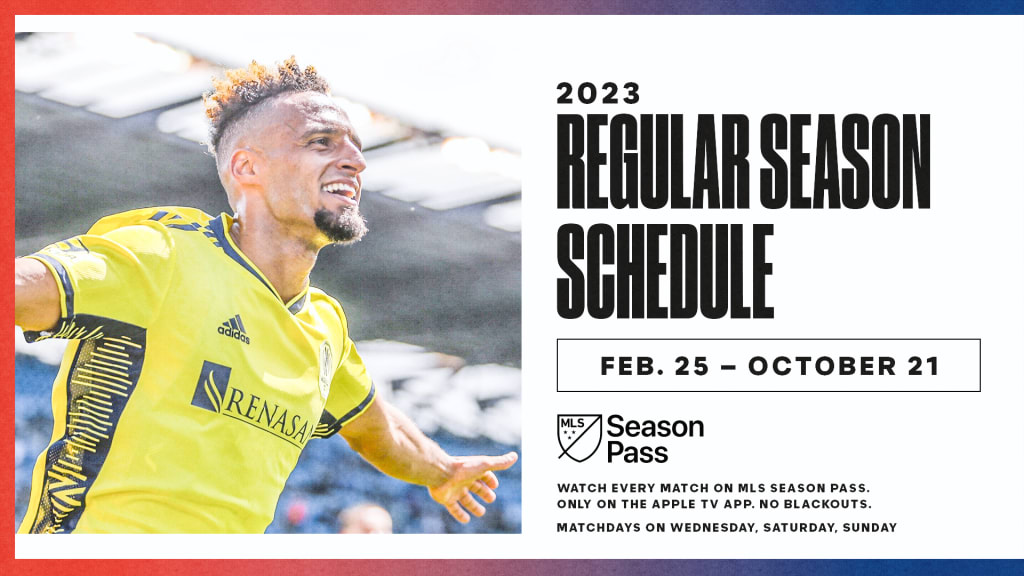
Imagine a scenario where you’re a fan of Manchester United in England, a follower of Lionel Messi in MLS, and also keen on the Champions League, the Copa América, and your national team’s World Cup qualifiers. Each of these entities operates on its own distinct calendar, often overlapping and creating a chaotic tapestry of fixtures. European leagues typically run from August to May, while Major League Soccer in the USA spans from late February/early March to October/November. South American leagues often have Apertura and Clausura formats, and Asian leagues follow yet another rhythm. Add to this the quadrennial cycles of major international tournaments like the FIFA World Cup, UEFA European Championship, Copa América, and Africa Cup of Nations, and the complexity multiplies exponentially. Historically, keeping track meant juggling multiple sources, marking physical calendars, and constantly searching for updates. The digital age, thankfully, has rendered such manual efforts largely obsolete.
Essential Apps and Platforms for Season Tracking
The cornerstone of modern soccer season management lies in a robust ecosystem of dedicated mobile applications and online platforms. These tools consolidate vast amounts of data, offering fans a single point of access for all their soccer information needs.
- Dedicated Sports Apps: Apps like FotMob, Onefootball, ESPN, SofaScore, and BBC Sport are indispensable for the contemporary soccer fan. They offer comprehensive coverage of virtually every league and tournament globally, providing real-time scores, detailed fixtures, league tables, player statistics, news updates, and transfer rumors. Their customizable notification systems allow users to receive alerts for specific teams, matches, or events (e.g., kick-off, goals, red cards), ensuring they never miss a crucial moment regardless of their local time zone.
- Official League and Club Apps: Beyond generic sports aggregators, many top leagues (e.g., Premier League, La Liga, Bundesliga, Serie A) and individual clubs offer their own official applications. These apps often provide exclusive content, behind-the-scenes access, official news, ticketing information, and fan loyalty programs, creating a more immersive experience directly from the source. They are particularly useful for detailed fixture lists, venue information, and specific team news related to the current season.
- Digital Calendars and Syncing: Modern digital calendars (Google Calendar, Outlook Calendar, Apple Calendar) can be integrated with sports apps or subscribed to directly from league websites. This allows fans to sync entire season fixtures directly into their personal schedules, receiving automated reminders and ensuring that soccer matches appear alongside personal appointments, making season management effortless and integrated into daily life.
AI and Data Analytics: Predicting and Personalizing Your Soccer Experience
Beyond mere scheduling, the power of Artificial Intelligence (AI) and sophisticated data analytics has begun to profoundly shape how we interact with and understand the soccer season. These technologies move beyond simply telling us “when” to offering predictive insights and hyper-personalized experiences.
AI-Powered Schedule Management and Discovery
Imagine an intelligent assistant that not only knows when your favorite team plays but also recommends other games you might enjoy based on your viewing history, preferred playing styles, or even the historical rivalries involved. This is where AI excels. By analyzing vast datasets of past matches, viewing patterns, player form, and league dynamics, AI algorithms can predict potential upsets, key fixtures, and even optimal viewing times for global audiences. For example, AI can identify a “must-watch” game between two mid-table teams based on their recent goal-scoring records or tactical approaches, enriching the fan’s season experience beyond just following their primary team. Furthermore, AI helps broadcasters and leagues optimize scheduling for maximum viewership and engagement, anticipating conflicts and maximizing exposure for marquee matchups.
Beyond Fixtures: Data-Driven Insights for the Season
The modern soccer season is awash with data. Every pass, tackle, shot, and sprint is recorded, categorized, and analyzed. AI and data analytics platforms transform this raw data into actionable insights, providing fans, pundits, and even professional teams with an unprecedented depth of understanding.
- Advanced Statistics: Platforms offer real-time advanced statistics, far beyond basic goals and assists. Fans can delve into expected goals (xG), progressive passes, defensive actions, heatmaps, and much more. This allows for a deeper tactical appreciation of the game and a more informed perspective on player and team performance throughout the season.
- Fantasy Leagues and Betting: The multi-billion-dollar industries of fantasy soccer and sports betting are heavily reliant on data analytics and AI. Algorithms help users make informed decisions for their fantasy teams by predicting player performance based on form, opposition, and historical data. Similarly, betting markets leverage sophisticated models to set odds, and informed bettors use data analytics tools to identify value bets, making the season an even more engaging (and potentially lucrative) experience.

The Evolution of Fan Engagement: Streaming and Interactive Platforms
Technology has not only streamlined the discovery of soccer seasons but has also fundamentally transformed how fans consume and engage with the sport. The shift from traditional broadcast to digital streaming and interactive social platforms has made the soccer season more accessible, flexible, and participatory than ever before.
Live Streaming Services and On-Demand Content
The advent of high-speed internet and sophisticated streaming technologies has democratized access to soccer seasons from across the globe. No longer are fans constrained by geographical location or rigid broadcast schedules.
- Global Accessibility: Services like Peacock (Premier League in the US), Paramount+ (UEFA Champions League in the US), DAZN, ESPN+, and various local broadcasters’ apps allow fans to subscribe and watch live matches from numerous leagues and tournaments. This means a fan in Asia can easily follow the Argentinian Primera División, or a fan in Europe can catch MLS games in real-time, greatly expanding the reach and interconnectedness of global soccer seasons.
- Flexibility and Convenience: Beyond live viewing, streaming platforms offer extensive on-demand content. Missed a game due to work or a time zone conflict? No problem. Full match replays, highlights packages, pre- and post-match analysis, and documentary series are available at the viewer’s convenience. This ensures that every fan can engage with the full breadth of the soccer season on their own terms, fitting the sport into their modern, busy lifestyles.
- Multi-Platform Experience: Streaming is no longer confined to the living room TV. Fans can watch games on their smartphones, tablets, laptops, and smart TVs, allowing for a seamless transition between devices and ensuring that the soccer season is always within reach.
Social Media and Fan Communities
Social media platforms have become virtual stadiums, where fans gather to discuss, celebrate, commiserate, and dissect every moment of the soccer season in real-time.
- Real-time Interaction: During live matches, Twitter, Instagram, Facebook, and Reddit explode with discussions, memes, and instant reactions. Fans can follow live text commentaries, engage with official club accounts, and connect with fellow supporters from around the world. This collective experience amplifies the excitement and drama of the season.
- Direct Access to Information: Clubs, leagues, and even individual players use social media to provide instant updates, announce lineups, share behind-the-scenes content, and interact directly with fans. This direct line of communication keeps fans intimately connected to the ongoing narrative of the season.
- Virtual Watch Parties and Fan Forums: Technologies like Discord, Telegram, and even dedicated social media groups facilitate virtual watch parties, where fans can chat and react together as a game unfolds, creating a shared experience that transcends physical distance. These online communities are vibrant hubs for discussing tactics, player performances, transfer rumors, and the overall progression of the season.
Future Tech Trends Shaping the Soccer Season Experience
The evolution of technology is ceaseless, and the soccer season experience is poised for even more dramatic transformations in the coming years. Emerging technologies promise to make the sport more immersive, interactive, and personalized than ever before.
Augmented Reality (AR) and Virtual Reality (VR) in Stadiums and at Home
AR and VR are set to blur the lines between physical and digital, offering unprecedented ways to experience the soccer season.
- Enhanced Live Stadium Experience: Imagine attending a game and, through AR glasses or a smartphone app, seeing real-time player stats overlaid on the pitch, tactical formations highlighted, or replays instantly available from multiple angles. AR could provide personalized information directly in the fan’s line of sight, enhancing the stadium experience.
- Immersive Home Viewing: VR could transport fans virtually into the stadium, offering 360-degree views from various vantage points, including behind the goal or even the dugout. This creates a deeply immersive experience, allowing fans to feel as though they are physically present, regardless of their geographical location. Beyond watching, VR could offer interactive experiences like virtual stadium tours, training simulations, or even meet-and-greets with virtual players.
Blockchain and NFTs for Ticketing and Fan Ownership
Blockchain technology and Non-Fungible Tokens (NFTs) are gaining traction, particularly in areas like ticketing and fan engagement, promising greater security and novel forms of digital ownership during the season.
- Secure and Transparent Ticketing: Blockchain-based ticketing systems can combat counterfeiting and scalping by providing verifiable, unique digital tickets. This ensures that fans are purchasing legitimate tickets for season matches and can track their provenance, creating a more secure and trustworthy marketplace.
- Fan Tokens and Digital Collectibles: Many clubs have launched fan tokens, often built on blockchain, allowing supporters to have a say in minor club decisions (e.g., choosing a new goal celebration song or bus design) throughout the season. NFTs offer a new realm of digital collectibles, allowing fans to own unique digital moments (e.g., a specific goal, a player’s debut, a championship-winning play) or digital art associated with their favorite team or player during the season. These digital assets create a new layer of engagement and ownership, tying fans even more closely to the club’s journey throughout the competitive year.
Conclusion
The question “When is the soccer season?” has evolved from a simple query about dates to an entry point into a sophisticated, interconnected digital ecosystem. Technology has demystified the global soccer calendar, transforming a potentially confusing landscape into an accessible and engaging experience. From intuitive mobile applications that track every fixture and goal, to AI-powered insights that personalize and predict, and streaming platforms that bring every match to any device, tech is the invisible hand guiding the modern fan through the exhilarating journey of each season. As we look ahead, the integration of AR, VR, and blockchain promises even deeper levels of immersion and ownership, ensuring that the future of the soccer season will be as dynamic, unpredictable, and technologically advanced as the beautiful game itself. For the contemporary fan, missing a kick-off is now less about oversight and more about choice, thanks to the pervasive and ever-evolving power of technology.
aViewFromTheCave is a participant in the Amazon Services LLC Associates Program, an affiliate advertising program designed to provide a means for sites to earn advertising fees by advertising and linking to Amazon.com. Amazon, the Amazon logo, AmazonSupply, and the AmazonSupply logo are trademarks of Amazon.com, Inc. or its affiliates. As an Amazon Associate we earn affiliate commissions from qualifying purchases.