
The New York Stock Exchange (NYSE) stands as the world’s largest equities marketplace, representing the primary engine of global capitalism. For the modern investor, understanding when the doors of the “Big Board” open and close is more than a matter of simple logistics; it is a fundamental component of a disciplined investment strategy. While we live in an era of 24/7 digital connectivity, the NYSE operates on a specific, regulated schedule that dictates liquidity, volatility, and the pricing of trillions of dollars in assets.
Whether you are a long-term value investor, a day trader, or a financial enthusiast, mastering the nuances of the NYSE clock is essential for optimizing trade execution and managing risk.
The Core Trading Session: Navigating the Heart of the Financial Day
The primary operating window for the New York Stock Exchange is known as the “Core Trading Session.” For most retail investors, this is the period during which the vast majority of transaction volume occurs and where price discovery is most efficient.
The Regular Trading Hours
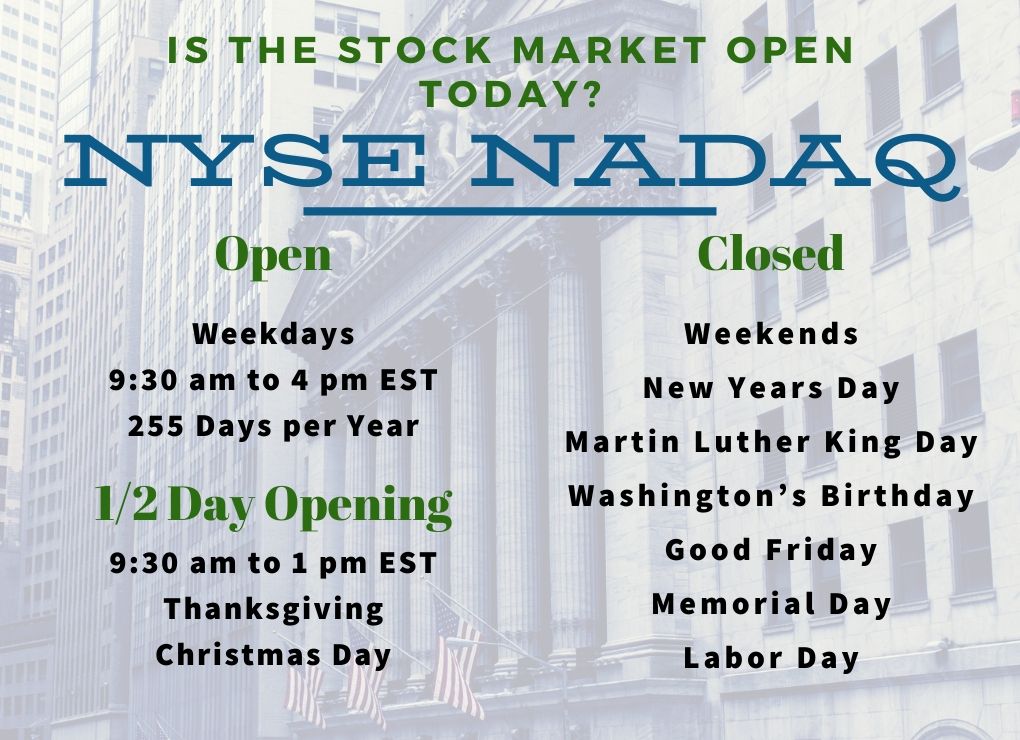
The NYSE is officially open for regular trading from 9:30 AM to 4:00 PM Eastern Time (ET), Monday through Friday. During these six and a half hours, thousands of publicly traded companies, from blue-chip giants to emerging growth stocks, are actively exchanged.
This window is characterized by high liquidity, meaning there are enough buyers and sellers in the market to ensure that trades can be executed quickly and at prices close to the current market quote. For the average investor, the core session provides the safest environment to execute market orders because the “bid-ask spread”—the difference between what a buyer is willing to pay and what a seller is willing to accept—is typically at its narrowest.
The Opening and Closing Bells
The start and end of the core session are marked by the ringing of the iconic NYSE bell. These moments are not merely ceremonial; they represent critical auction periods.
The Opening Auction (9:30 AM) consolidates all the buy and sell interest that has accumulated overnight into a single opening price. This period is often the most volatile part of the day as the market reacts to news, earnings reports, or economic data released while the exchange was closed.
Similarly, the Closing Auction (4:00 PM) is a high-stakes period where institutional investors and index funds rebalance their portfolios. The final price at 4:00 PM is the official “closing price” used for mutual fund valuation and historical charting. Understanding that volatility peaks at these two points is vital for investors who wish to avoid—or capitalize on—rapid price swings.
Extended Trading Hours: Opportunity Beyond the Traditional Clock
While the physical floor and core electronic systems have a 9:30 AM to 4:00 PM schedule, the digital nature of modern finance allows for trading outside these hours. This is known as Extended Hours Trading, and it is divided into two distinct segments: the Pre-Market and the After-Hours sessions.
Pre-Market Trading
The NYSE Arca, the exchange’s fully electronic platform, begins accepting trades as early as 4:00 AM ET, though many retail brokerages do not grant access to their clients until 7:00 AM or 8:00 AM ET. Pre-market trading is largely driven by professional traders and institutional players reacting to international market moves (such as those in London or Tokyo) or early-morning economic indicators like the Consumer Price Index (CPI) or employment reports.
After-Hours Trading
After the closing bell at 4:00 PM, the market enters the After-Hours session, which typically runs until 8:00 PM ET. This session is often the most dramatic for individual stocks, as companies traditionally release their quarterly earnings reports shortly after the 4:00 PM close. A positive or negative earnings surprise can cause a stock price to move 10% or 20% in a matter of minutes during the after-hours session.
The Risks of Extended Hours
While the allure of trading news immediately is strong, extended hours come with significant caveats.
-
Lower Liquidity: With fewer participants, it can be harder to enter or exit a position.
-
Wider Spreads: The gap between the bid and ask prices often widens, meaning you may pay significantly more for a stock than its last “recorded” price.
-
Increased Volatility: Small trades can cause large price movements because there is less volume to absorb the impact.
For these reasons, most financial advisors suggest that retail investors stick to the core session unless they are using “limit orders” to protect themselves from unfavorable pricing.

The NYSE Holiday Schedule: Planning Your Annual Investment Calendar
The NYSE does not operate on weekends, and it observes several federal and traditional holidays throughout the year. Knowing these dates is crucial for managing cash flow and ensuring that settlement times for trades are not unexpectedly delayed.
Standard Holiday Closures
The NYSE typically closes for the following holidays (observed):
-
New Year’s Day: January 1
-
Martin Luther King, Jr. Day: Third Monday in January
-
Washington’s Birthday (Presidents’ Day): Third Monday in February
-
Good Friday: The Friday before Easter Sunday
-
Memorial Day: Last Monday in May
-
Juneteenth National Independence Day: June 19
-
Independence Day: July 4
-
Labor Day: First Monday in September
-
Thanksgiving Day: Fourth Thursday in November
-
Christmas Day: December 25
If a holiday falls on a Saturday, the exchange usually closes on the preceding Friday. If it falls on a Sunday, the exchange closes on the following Monday.
Early Closures
In addition to full-day closures, the NYSE frequently observes “early early dismissals.” On the day before Independence Day, the day after Thanksgiving (Black Friday), and Christmas Eve, the market traditionally closes early at 1:00 PM ET. These shortened days often see light trading volume, as many institutional traders take time off, leading to a “quiet” market that can occasionally be disrupted by unexpected news.
Tactical Execution: Choosing the Best Time of Day to Trade
Financial success is often as much about when you trade as what you trade. The six and a half hours of the core session are not all created equal. Professionals often divide the day into three distinct phases based on investor behavior.
The Morning Rush (9:30 AM – 10:30 AM)
This is the “Golden Hour” for volatility. It is the time when the market “prices in” all the news that happened since the previous day’s close. For the disciplined investor, this is often a time to watch rather than act. Decisions made in the first 15 minutes of trading are often driven by emotion and can be reversed by mid-morning once the initial excitement fades.
The Mid-Day Lull (11:30 AM – 2:00 PM)
Often referred to as the “lunchtime doldrums,” this period typically sees a significant drop in volume. Many traders in New York take their breaks, and the market often enters a sideways pattern. While this is a lower-risk time to place trades because the volatility has subsided, the lack of volume can lead to “slippage”—where a large order might move the price slightly against you because there aren’t enough active participants.
The Power Hour (3:00 PM – 4:00 PM)
The final hour of trading is when institutional “big money” makes its moves. Fund managers often wait until the end of the day to finalize their positions to ensure they are aligned with the day’s overall trend. This hour usually sees a surge in volume and a return of volatility. For many, the “Power Hour” is the best time to gauge the market’s true sentiment; if the market finishes strong near its daily highs, it often signals “bullish” momentum for the following day.
Market Disruptions and Specialized Trading Rules
While the schedule is generally rigid, there are extraordinary circumstances where the NYSE may deviate from its standard hours or pause trading entirely.
Trading Halts and Circuit Breakers
To prevent a catastrophic market collapse, the NYSE employs “circuit breakers.” These are automated pauses in trading triggered by significant percentage drops in the S&P 500 Index.
-
Level 1: A 7% drop results in a 15-minute halt.
-
Level 2: A 13% drop results in another 15-minute halt.
-
Level 3: A 20% drop results in the market closing for the remainder of the day.
Individual stocks can also be “halted” due to pending news or extreme volatility (LULD – Limit Up-Limit Down). These pauses are designed to give investors time to digest information and prevent panic-driven feedback loops.
The Impact of Global Time Zones
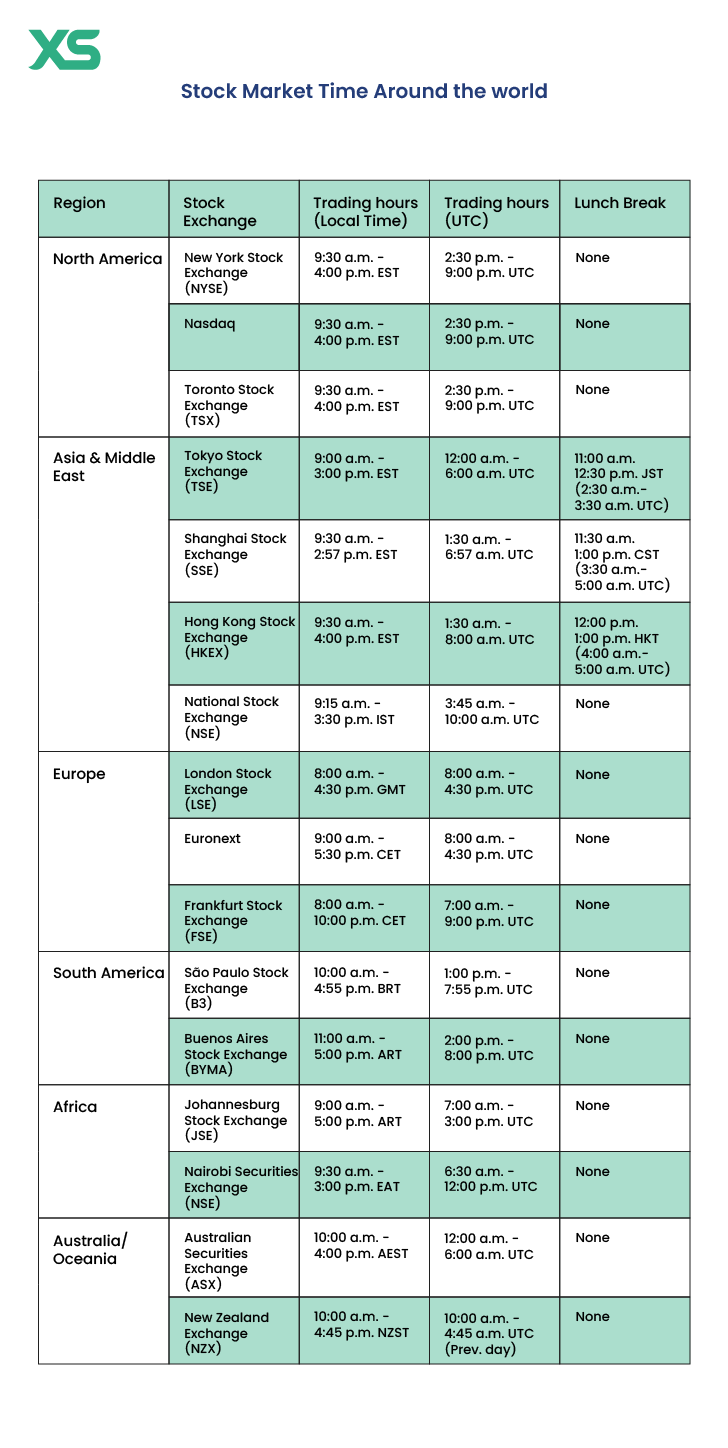
For investors residing outside the Eastern Time zone, the NYSE schedule requires constant mental translation. A California-based investor must be ready at 6:30 AM PT for the opening bell, while an investor in London sees the NYSE open at 2:30 PM GMT.
Daylight Saving Time (DST) adds another layer of complexity. The United States transitions to and from DST on different dates than Europe and other regions. For a few weeks each year, the time difference between the NYSE and international markets shifts by an hour, which can impact the “overlap” periods where global liquidity is at its peak.
In conclusion, the operating hours of the NYSE are the heartbeat of the financial world. By aligning your investment activities with these cycles—understanding the intensity of the opening bell, the risks of extended hours, and the strategic importance of the closing auction—you can move from being a reactive participant to a proactive strategist. In the world of money, timing isn’t just everything; it’s the framework upon which all successful portfolios are built.
aViewFromTheCave is a participant in the Amazon Services LLC Associates Program, an affiliate advertising program designed to provide a means for sites to earn advertising fees by advertising and linking to Amazon.com. Amazon, the Amazon logo, AmazonSupply, and the AmazonSupply logo are trademarks of Amazon.com, Inc. or its affiliates. As an Amazon Associate we earn affiliate commissions from qualifying purchases.