
The concept of a “no tax on overtime” policy is a recurring theme in economic and political discussions, often championed as a means to stimulate productivity, boost worker income, and inject vitality into local economies. While there is no universal “no tax on overtime” policy currently in effect across all jurisdictions, the idea represents a significant shift from standard income taxation and carries profound implications for personal finance, business operations, and national fiscal health. Understanding when such a policy might come into effect requires an examination of legislative processes, economic motivations, and the complex interplay of various stakeholders.
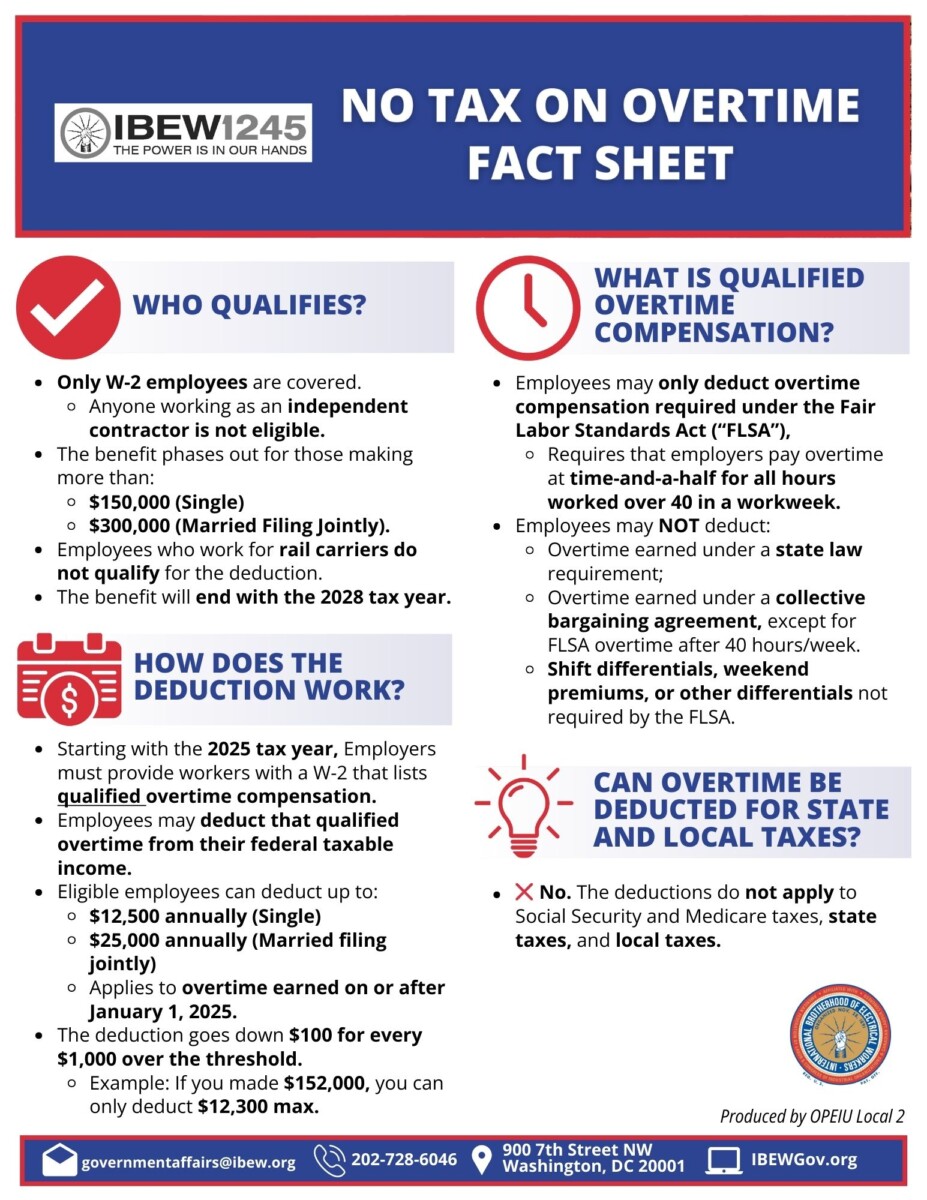
The Shifting Landscape of Overtime Taxation
Currently, overtime pay is generally treated as regular income and is subject to the same federal, state, and local income taxes, as well as payroll taxes (Social Security and Medicare). This means that for many workers, a portion of their hard-earned extra hours goes directly to taxes, reducing the net financial benefit of working beyond standard hours.
Understanding Current Overtime Tax Rules
For most employees, any wages earned for hours worked beyond the standard 40-hour week are classified as overtime and are subject to marginal tax rates. This implies that if working overtime pushes an individual into a higher tax bracket, a larger percentage of their additional income, including overtime, could be taxed at that higher rate. This can sometimes lead to a perception that working extra hours offers diminishing returns, financially. Payroll deductions, including income tax withholding, Social Security, and Medicare contributions, are applied to overtime pay just as they are to regular wages. The impact on net pay is direct: while gross pay increases, the take-home amount is significantly less due to these mandatory deductions. This system, while standard, is what prompts discussions around potential exemptions or reductions in tax for overtime earnings, aiming to put more money directly into workers’ pockets.
The Concept of Tax-Exempt Overtime
A policy of tax-exempt overtime would fundamentally alter this dynamic. For workers, it would mean that a greater, if not entire, portion of their overtime earnings would be free from income tax, leading to a higher net pay for the same amount of work. This could act as a powerful financial incentive, encouraging employees to work additional hours and potentially alleviating financial pressures for households. From an economic perspective, proponents argue that such a measure could serve as a powerful stimulus. Increased disposable income for workers could translate into higher consumer spending, driving demand for goods and services, and fostering economic growth. While historical precedents for full overtime tax exemption are rare on a broad federal scale in many countries, targeted tax breaks for specific types of work or industries during particular economic conditions have occurred, demonstrating the government’s capacity to use tax policy to influence labor markets.
Drivers Behind Calls for Overtime Tax Exemption
The impetus for considering a no-tax policy on overtime stems from a confluence of economic and social factors. Advocates typically highlight its potential to enhance worker welfare, stimulate economic activity, and address pressing labor market challenges.
Boosting Worker Pay and Morale
One of the primary arguments for tax-exempt overtime is its direct impact on worker compensation. In an era of rising living costs and stagnant real wages for many, increasing take-home pay through tax breaks on overtime could significantly improve the financial stability of households. This policy could incentivize employees to work more hours without the disincentive of substantial tax deductions, directly addressing the common complaint that “it’s not worth working the extra hours” due to the reduced net benefit. Beyond the purely financial aspect, a policy that explicitly rewards extra effort through tax relief could boost employee morale and foster a sense of being valued by the economic system.
Stimulating Economic Activity
From a broader economic perspective, the additional disposable income flowing into workers’ hands could fuel consumer spending. This increased demand could, in turn, spur businesses to expand, hire more staff, and invest in their operations, creating a virtuous cycle of growth. For businesses, while the gross cost of overtime pay remains, the prospect of a more motivated workforce willing to work longer hours could translate into higher productivity and output. Industries facing labor shortages or those requiring intensive labor during peak seasons (e.g., healthcare, manufacturing, retail during holidays) could particularly benefit from a more willing and financially incentivized workforce. The policy could be seen as a targeted stimulus, putting money directly into the hands of those who are likely to spend it.
Political and Legislative Considerations
The appeal of tax relief, especially for working-class and middle-income families, often garners significant public support, making it an attractive proposition for politicians. Legislation proposing such changes would typically navigate through various stages, including committee reviews, floor debates, and potential amendments. A key challenge, however, would be addressing the implications for government revenue. Any reduction in tax income needs to be offset or justified by projected economic benefits, or accounted for through other revenue-generating measures or expenditure cuts. The legislative process is inherently political, with different parties and interest groups weighing in on the economic rationale, social equity, and administrative feasibility of such a significant tax policy shift.
Navigating the Legislative Path to No-Tax Overtime
The journey from a policy proposal to enacted law is complex and multi-faceted. For a “no tax on overtime” policy, it would involve careful legislative crafting, rigorous economic analysis, and preparedness from both the public and private sectors.
Proposed Legislation and Policy Debates

The inception of such a policy would likely involve the introduction of specific bills in legislative bodies, outlining the scope and mechanisms of the overtime tax exemption. Debates would revolve around several critical questions: Would the exemption be partial or total? Would it apply to all sectors or be targeted? What would be the income thresholds, if any? Key arguments in favor would emphasize economic growth and worker empowerment, while arguments against would likely center on potential revenue loss for the government, the complexity of implementation, and concerns about potential distortions in labor markets or fairness across different income levels. The legislative process might also include proposals for “sunset clauses,” where the policy would expire after a certain period unless renewed, allowing for evaluation of its effectiveness.
Economic Modeling and Fiscal Impact
Before any such policy could be seriously considered for implementation, extensive economic modeling would be required. Government agencies, such as the Treasury or Congressional Budget Office, would analyze the potential impact on federal, state, and local tax revenues. These analyses would also project the potential economic benefits, such as GDP growth, job creation, and increased productivity, to determine if the economic stimulus outweighs the revenue loss. Policymakers would need to perform a delicate balancing act, weighing the immediate fiscal costs against the potential long-term economic gains and the political benefits of increased worker income. This often involves making assumptions about consumer behavior, business responses, and the broader economic environment.
Public and Private Sector Readiness
If a no-tax overtime policy were to be enacted, both employers and individual workers would need time to adjust. Businesses would require clear guidance and potentially updates to their payroll systems and accounting practices to accurately process tax-exempt overtime. This could involve significant administrative effort, particularly for small and medium-sized enterprises. For individual workers, understanding the new rules, how their pay stubs would change, and how to best utilize their increased disposable income would be crucial. Financial advisors would play a key role in helping individuals incorporate these changes into their personal financial planning, including adjustments to budgeting, savings, debt repayment strategies, and investment portfolios.
Financial Implications for Individuals and Businesses
A policy removing tax from overtime earnings would reverberate throughout the financial ecosystem, offering distinct advantages and challenges for various stakeholders.
For the Individual Worker
The most immediate and tangible benefit for individuals would be a direct increase in disposable income. For someone earning a significant portion of their income through overtime, this could translate into hundreds or even thousands of extra dollars annually. This additional capital could be allocated to a range of personal financial goals: reducing high-interest debt, building an emergency fund, increasing contributions to retirement accounts, or making larger down payments on major purchases. The psychological impact of seeing a higher net pay for extra effort could also lead to a greater sense of financial security and motivation. However, workers would also need to carefully understand how this change affects their overall tax liability and withholdings, potentially requiring adjustments to their W-4 forms or tax planning.
For Employers and Business Finance
From an employer’s perspective, while the gross cost of overtime pay would remain the same, a tax-exempt policy could effectively lower the net cost of incentivizing employees to work additional hours, considering the enhanced productivity and morale. It could become easier to staff projects requiring extended hours without encountering resistance from employees concerned about the tax impact on their overtime earnings. However, businesses would face the administrative burden of implementing and managing new payroll rules. Accounting departments would need to ensure compliance with the updated tax codes, and HR departments might need to revise compensation strategies. Strategic workforce planning could be influenced, potentially leading to a greater reliance on overtime rather than hiring additional full-time staff in certain situations, depending on the overall cost analysis.
Broader Economic Effects
On a macro level, the economic effects could be far-reaching. Increased consumer spending, while generally positive for GDP growth, could also contribute to inflationary pressures if not balanced by increased supply. Changes in labor supply and demand dynamics could emerge; for instance, more workers might be willing to take on overtime, potentially alleviating labor shortages in some sectors. The policy could also be compared to other tax incentive programs designed to stimulate specific economic behaviors, requiring careful evaluation of its efficiency and equity relative to alternative fiscal policies. The overall impact on the national debt and government’s ability to fund public services would also be a critical factor in determining the sustainability and longevity of such a tax policy.
The Timeline: When to Expect Such a Change
Pinpointing an exact date for when a “no tax on overtime” policy might go into effect is impossible without specific legislative proposals. However, we can identify the critical factors that would influence its potential implementation.
Factors Influencing Implementation Dates
The legislative calendar is a primary driver. Major tax reforms often coincide with new government administrations, significant budget cycles, or specific economic conditions, such as recessions when stimulus measures are sought. The political will and consensus among lawmakers are paramount; without broad bipartisan support or strong advocacy from a ruling party, such a significant tax change is unlikely to advance quickly. Economic conditions also play a crucial role: during periods of high unemployment or economic stagnation, governments might be more inclined to consider measures that boost worker income and consumer spending. Conversely, during periods of strong economic growth or high national debt, the fiscal implications of revenue loss might deter such policies. Public opinion and the lobbying efforts of labor unions and business associations would also exert pressure on the timeline.

Monitoring Policy Developments
For individuals and businesses keen on understanding the potential for tax-exempt overtime, vigilance in monitoring policy developments is key. Reliable sources include official government websites (e.g., Treasury Department, Congressional websites for tracking bills), reputable financial news outlets, and analyses from non-partisan economic think tanks. Staying informed about proposed legislation, committee hearings, and public debates is crucial. Preparing for potential changes could involve individuals reviewing their current income streams and potential overtime earnings, while businesses might start assessing the administrative adjustments required for their payroll systems. While the prospect of a complete no-tax policy on overtime remains hypothetical without active legislation, the ongoing discussion highlights a consistent desire to optimize financial incentives for work and productivity within the broader economy.
aViewFromTheCave is a participant in the Amazon Services LLC Associates Program, an affiliate advertising program designed to provide a means for sites to earn advertising fees by advertising and linking to Amazon.com. Amazon, the Amazon logo, AmazonSupply, and the AmazonSupply logo are trademarks of Amazon.com, Inc. or its affiliates. As an Amazon Associate we earn affiliate commissions from qualifying purchases.