
When is the Next Crash of the Stock Market?
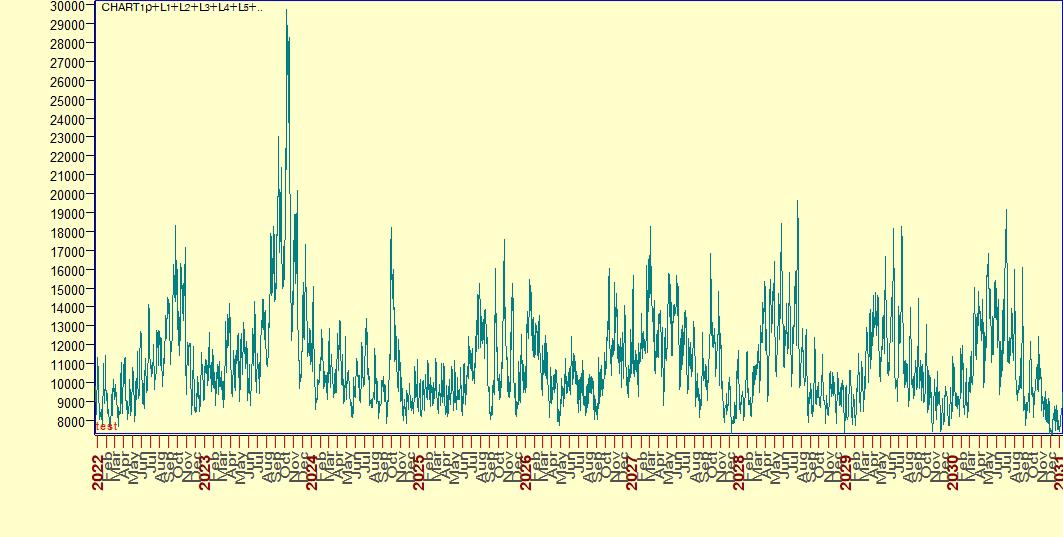
The question “when is the next crash of the stock market?” is one that has haunted investors, economists, and everyday individuals for as long as financial markets have existed. It’s a question laden with anxiety, fear of loss, and a natural human desire for foresight in an inherently unpredictable world. While the allure of predicting such a seismic event is undeniable, the truth is that pinpointing the exact timing of a stock market crash is, quite simply, an impossible task. No analyst, algorithm, or guru has consistently and accurately called market tops or bottoms with any reliable precision.
However, acknowledging this unpredictability doesn’t mean we are powerless. Instead, a more constructive approach involves understanding the underlying dynamics of market cycles, recognizing potential warning signs, and, most importantly, developing robust strategies to prepare for and navigate inevitable downturns. Stock market crashes, defined as sudden and steep declines, are an inherent, albeit painful, feature of capitalism and economic growth. They represent a cleansing process, re-evaluating valuations and often laying the groundwork for future rallies. This article delves into the elusive nature of market timing, explores key indicators that historically precede significant corrections, examines the broad impact of such events, and outlines actionable strategies for investors to build resilience against future market volatility.
The Elusive Nature of Market Timing
The dream of selling at the absolute peak and buying at the rock bottom of a market cycle is a powerful one, yet it remains just that – a dream for the vast majority. The complexities of financial markets make precise timing an exercise in futility, often leading to worse outcomes than a steadfast, long-term approach.
Why Predicting is a Fool’s Errand
Financial markets are incredibly complex adaptive systems, influenced by an almost infinite number of variables. These include economic fundamentals (GDP growth, inflation, interest rates, employment), corporate earnings, geopolitical events, technological advancements, regulatory changes, and perhaps most critically, human psychology. The collective emotions of millions of investors—fear, greed, optimism, pessimism—create a dynamic, often irrational, environment that defies simple predictive models.
“Black swan” events further complicate matters. These are unforeseen, high-impact events that are nearly impossible to predict and can dramatically alter market trajectories. Think of the 9/11 attacks, the 2008 global financial crisis, or the sudden onset of the COVID-19 pandemic. While their impact is profound in hindsight, their arrival is typically unexpected, rendering any pre-emptive market timing strategy moot. Attempts to time the market often result in investors missing out on significant recovery periods or buying into bubbles just before they burst, leading to substantial underperformance compared to those who remain invested.
Historical Context and Cycles
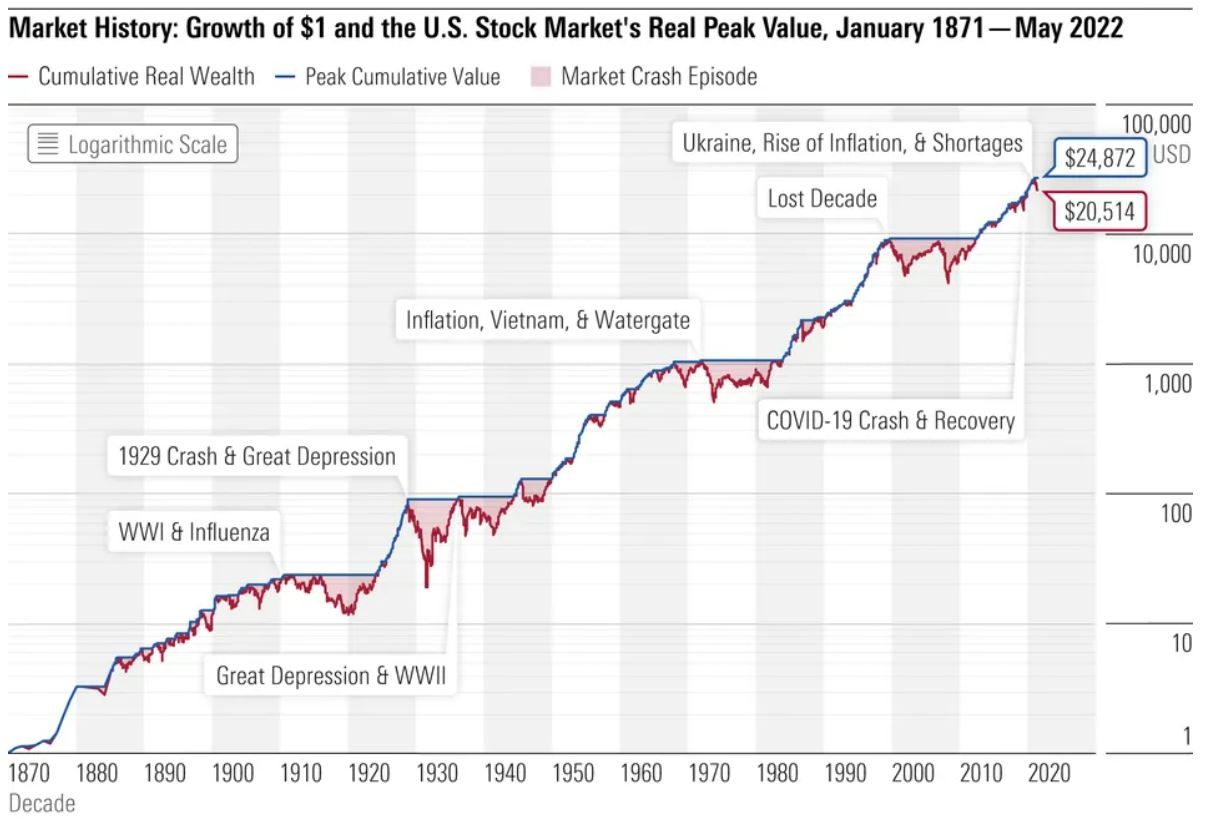
While specific predictions are impossible, history teaches us that market cycles are a recurring feature. Periods of expansion and bull markets are invariably followed by contractions and bear markets, which sometimes escalate into full-blown crashes. Since 1928, the S&P 500 has experienced 27 bear markets (declines of 20% or more), with an average decline of about 36%. The average length of these bear markets has been around 10 months.
What’s crucial to remember is that each crash, while sharing common psychological elements, has its unique catalysts. The dot-com bubble burst of 2000 was driven by speculative overvaluation in tech stocks. The 2008 crisis stemmed from a systemic breakdown in the housing and credit markets. The 2020 COVID-19 crash was a health crisis with immediate economic fallout. Understanding this historical context helps us appreciate that while crashes are inevitable, their specific causes and triggers are diverse, making prediction an exercise in historical pattern recognition without guaranteed future applicability.
Key Indicators and Warning Signs
Though precise timing eludes us, careful observation of economic and market indicators can provide insight into periods of elevated risk. These are not crystal balls but rather gauges that suggest the market might be stretched or facing headwinds.
Economic Fundamentals
A deteriorating economic environment is a common precursor to market weakness.
-
Inflation and Interest Rates: Rapidly rising inflation often prompts central banks to increase interest rates aggressively. Higher interest rates make borrowing more expensive, slowing economic growth, reducing corporate profits, and making bonds more attractive relative to stocks, which can cool an overheated market.
-
Unemployment: A significant and sustained rise in unemployment indicates a weakening labor market, reducing consumer spending and overall economic activity, which hurts corporate revenues.
-
GDP Growth: A slowdown or contraction in Gross Domestic Product (GDP) signals a broader economic deceleration, implying lower demand for goods and services, ultimately impacting corporate earnings.
-
Corporate Earnings: Declining corporate profits or a significantly downgraded outlook for future earnings is a direct hit to stock valuations. Companies that miss earnings expectations or issue cautious guidance can trigger broad market corrections.
Market-Specific Metrics
Certain metrics within the stock market itself can signal overvaluation or speculative excess.
-
Valuation Ratios: High price-to-earnings (P/E) ratios, especially cyclically adjusted P/E (CAPE) ratios, relative to historical averages, can indicate that stocks are overvalued. While high valuations don’t guarantee a crash, they suggest less room for error and greater potential downside if sentiment shifts.
-
Investor Sentiment: Extreme bullishness, often characterized by widespread participation in speculative assets, excessive leverage, and a “fear of missing out” (FOMO), can indicate a market bubble. When everyone is convinced stocks can only go up, the market often becomes vulnerable to any negative catalyst.
-
Yield Curve Inversion: This occurs when the yield on shorter-term government bonds (e.g., 2-year Treasury) rises above the yield on longer-term bonds (e.g., 10-year Treasury). Historically, an inverted yield curve has been a remarkably accurate, though not perfectly timed, predictor of recessions, which often precede or coincide with bear markets.
-
Credit Markets: Tightening credit conditions, rising corporate bond yields, or increasing default rates indicate that businesses are finding it harder to borrow money, which can stifle investment and growth.
Geopolitical and Systemic Risks
External factors, beyond immediate economic data, can also trigger market instability.
-
Major Conflicts or Wars: Geopolitical instability can disrupt supply chains, energy markets, and international trade, creating uncertainty and fear that cascade into financial markets.
-
Pandemics or Natural Disasters: As seen with COVID-19, global health crises or large-scale natural disasters can have immediate and devastating impacts on economies and markets.
-
Systemic Financial Crises: Issues originating in other financial systems, like a major bank failure, a sovereign debt crisis in a large economy, or a derivatives market meltdown, can spread globally due to interconnectedness.
The Impact of a Stock Market Crash
When a stock market crashes, its effects ripple through the economy and society, impacting various facets of life and presenting both challenges and, paradoxically, opportunities.
Economic Ripple Effects
A significant market decline can trigger a negative feedback loop within the broader economy.
-
Consumer Confidence: A sharp drop in stock values often erodes consumer confidence. Individuals feel less wealthy, leading to reduced spending on discretionary items, which slows economic activity.
-
Business Investment: Companies may postpone expansion plans, reduce hiring, or cut capital expenditures in the face of economic uncertainty and tighter credit conditions, further dampening growth.
-
Wealth Effect: For those with substantial investments, a crash represents a significant reduction in net worth. This “wealth effect” can lead to a more cautious approach to personal finance, impacting retirement plans and other long-term financial goals.
-
Retirement Savings: Defined contribution plans (like 401ks and IRAs) are directly exposed to market fluctuations. A crash can severely deplete retirement savings for those nearing retirement, potentially forcing them to delay retirement or live on less.
Psychological Toll on Investors
The emotional aspect of a crash is profound and often leads to irrational decision-making.
-
Fear and Panic Selling: The sight of portfolios rapidly shrinking can induce intense fear, leading many to panic sell their holdings at the worst possible time, locking in losses and missing out on subsequent recoveries.
-
Emotional Decisions: Investors often abandon their long-term strategies in favor of reactive, emotional decisions, which are rarely beneficial. The feeling of “this time is different” can be overwhelming, despite historical evidence suggesting otherwise.
-
Loss of Trust: Repeated market volatility or significant losses can erode trust in financial institutions and the market itself, causing some to withdraw from investing altogether.
Opportunities Amidst Adversity
While painful, crashes also present unique opportunities for disciplined investors.
-
Buying Low: For those with liquidity and a long-term perspective, market crashes offer the chance to purchase quality assets at significantly reduced prices. Many fortunes have been built by investors who bought during downturns when others were selling.
-
Rebalancing: A crash provides an opportune moment to rebalance portfolios, selling assets that have performed relatively well (if any) and buying more of those that have been disproportionately hit, aligning back with target asset allocations.
-
Identifying Strong Companies: Downturns test companies’ resilience. Those with strong balance sheets, solid business models, and effective management often weather the storm better and are excellent candidates for long-term investment.
Strategies for Preparing for Market Downturns
Given the inevitability and unpredictability of market crashes, the most effective approach is not to try and time them, but to prepare for them. This involves building a resilient financial plan and a diversified portfolio designed to withstand volatility.
Diversification and Asset Allocation
This is perhaps the most fundamental principle of prudent investing.
-
Across Asset Classes: Don’t put all your money into stocks. Include bonds, real estate, and potentially alternative investments. Bonds, especially high-quality government bonds, often perform well during stock market downturns, providing a cushion.
-
Geographical and Sector Diversification: Spread investments across different countries and industries. A downturn in one region or sector may not affect others as severely.
-
Risk Tolerance: Match your asset allocation to your personal risk tolerance and investment horizon. Younger investors with a long time until retirement can typically afford to take on more equity risk, while those nearing retirement might prioritize capital preservation.
Emergency Fund and Liquidity
Having readily accessible cash is crucial.
-
Cover Living Expenses: Maintain an emergency fund equivalent to 3-6 months (or more) of living expenses in a high-yield savings account. This ensures you won’t be forced to sell investments at a loss to cover unexpected expenses or job loss during a recession.
-
Seize Opportunities: Liquidity also allows you to take advantage of buying opportunities when the market crashes.
Rebalancing Your Portfolio
Periodically reviewing and adjusting your portfolio is essential.
- Maintain Target Allocation: When the market rises, your stock allocation might grow beyond your target. Rebalancing involves selling some of your winners and using the proceeds to buy assets that have underperformed, bringing your portfolio back to your desired risk level. This disciplined approach forces you to “buy low and sell high” in a systematic way.
Long-Term Perspective
This is the antidote to short-term market noise and panic.
-
Time in the Market, Not Timing the Market: History shows that sustained investment over decades, riding out both bull and bear markets, is the most reliable path to wealth accumulation. Missing even a few of the market’s best days (which often occur immediately after sharp declines) can significantly impair long-term returns.
-
Focus on Goals: Anchor your investment decisions to your long-term financial goals (retirement, house purchase, etc.), rather than daily market fluctuations.
Debt Management
Reducing high-interest debt strengthens your financial position.
- Minimize Vulnerability: High consumer debt (credit cards, personal loans) can become a significant burden during economic downturns, especially if income is disrupted. Paying down debt frees up cash flow and reduces financial stress.
Staying Informed, Not Panicked
Distinguish between valuable information and fear-mongering.
-
Reliable Sources: Follow reputable financial news outlets and economists, but avoid obsessive daily market checking.
-
Emotional Discipline: Understand that market volatility is normal. Develop a plan and stick to it, avoiding impulsive decisions driven by fear or greed.
The Path Forward: Resilience and Long-Term Growth
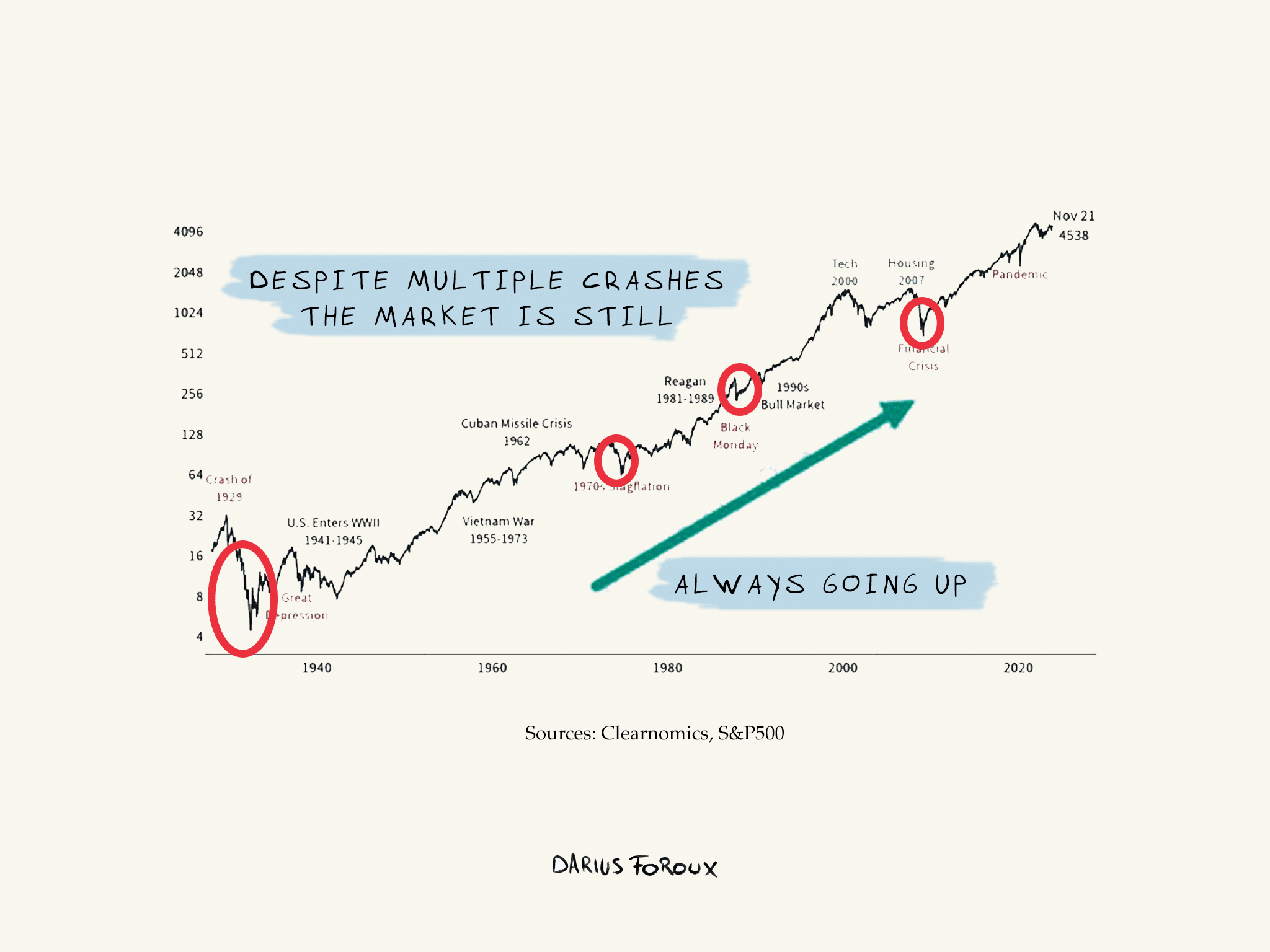
While market crashes are an undeniable source of concern, it’s equally important to remember that they are temporary. The history of financial markets is one of cyclical growth, where every downturn has eventually been followed by a recovery and new highs.
The Market Always Recovers
Despite the severity of past crashes, the stock market has always recovered and gone on to reach new peaks. This fundamental truth underscores the importance of staying invested and maintaining a long-term outlook. The power of compounding returns works best over extended periods, allowing investments to recover from dips and continue growing.
Focusing on Your Financial Goals
Ultimately, investing is about achieving personal financial objectives. Whether it’s retirement planning, saving for a child’s education, or buying a home, your investment strategy should be aligned with these goals. A well-constructed financial plan acts as a roadmap, guiding your decisions through various market conditions and helping you stay focused on what truly matters.
Professional Guidance
For many, navigating the complexities of investing and market volatility can be daunting. A qualified financial advisor can provide invaluable assistance in creating a personalized financial plan, constructing a diversified portfolio tailored to your risk tolerance, and offering objective guidance during turbulent times. They can help you avoid emotional pitfalls and ensure your strategy remains aligned with your long-term objectives.
The question of “when is the next crash of the stock market?” is unanswerable. However, by understanding market dynamics, recognizing warning signs without succumbing to panic, and implementing a disciplined, long-term investment strategy, you can transform the fear of a crash into an opportunity for resilience and future growth. Preparation, not prediction, is the ultimate defense.
aViewFromTheCave is a participant in the Amazon Services LLC Associates Program, an affiliate advertising program designed to provide a means for sites to earn advertising fees by advertising and linking to Amazon.com. Amazon, the Amazon logo, AmazonSupply, and the AmazonSupply logo are trademarks of Amazon.com, Inc. or its affiliates. As an Amazon Associate we earn affiliate commissions from qualifying purchases.