
In the realm of personal finance, international airfare often represents one of the most significant and volatile discretionary expenses a household or business will encounter. Unlike standard consumer goods with fixed price tags, airline tickets function more like a liquid commodity, fluctuating in value based on complex algorithms, global economic shifts, and consumer behavior. Mastering the timing of an international ticket purchase is not merely a matter of luck; it is a strategic financial exercise in market timing and risk management. To optimize your travel budget, you must view the airfare market through the lens of supply and demand, understanding the mechanics of dynamic pricing to ensure you are capturing the highest possible value for your capital.

The Economics of Airfare: Understanding Dynamic Pricing
To identify the optimal window for purchasing international tickets, one must first understand the “yield management” systems employed by major carriers. Airlines utilize sophisticated software that adjusts prices in real-time based on thousands of variables. The goal of the airline is not to fill every seat at the same price, but to maximize the total revenue of the aircraft. This creates a high-stakes environment for the consumer, where the exact same seat can vary in price by hundreds, or even thousands, of dollars depending on when the transaction is finalized.
The Role of Yield Management and Inventory Buckets
Airlines categorize seats into “fare buckets.” A single economy cabin might have ten different price points for the same service level. As the cheaper buckets sell out, the system automatically moves to the next, more expensive tier. From a financial perspective, the “best time” to buy is when the airline releases a new tranche of lower-priced inventory or when demand fails to meet projections, forcing the algorithm to lower prices to stimulate sales. Monitoring these shifts requires a disciplined approach to market observation, treating the airfare search as one would treat a stock entry point.
Macroeconomic Factors and Fuel Hedging
The price of your ticket is also tethered to global economic indicators. Jet fuel accounts for a massive portion of an airline’s operating expenses. When oil prices surge, those costs are eventually passed to the consumer through fuel surcharges and base fare increases. Additionally, currency fluctuations play a pivotal role. If the currency of your destination is weakening against your home currency, you may find that purchasing through a regional version of the airline’s website yields a more favorable exchange rate, effectively providing a discount on the total cost of the journey.
Strategic Timing: Identifying the “Goldilocks” Window
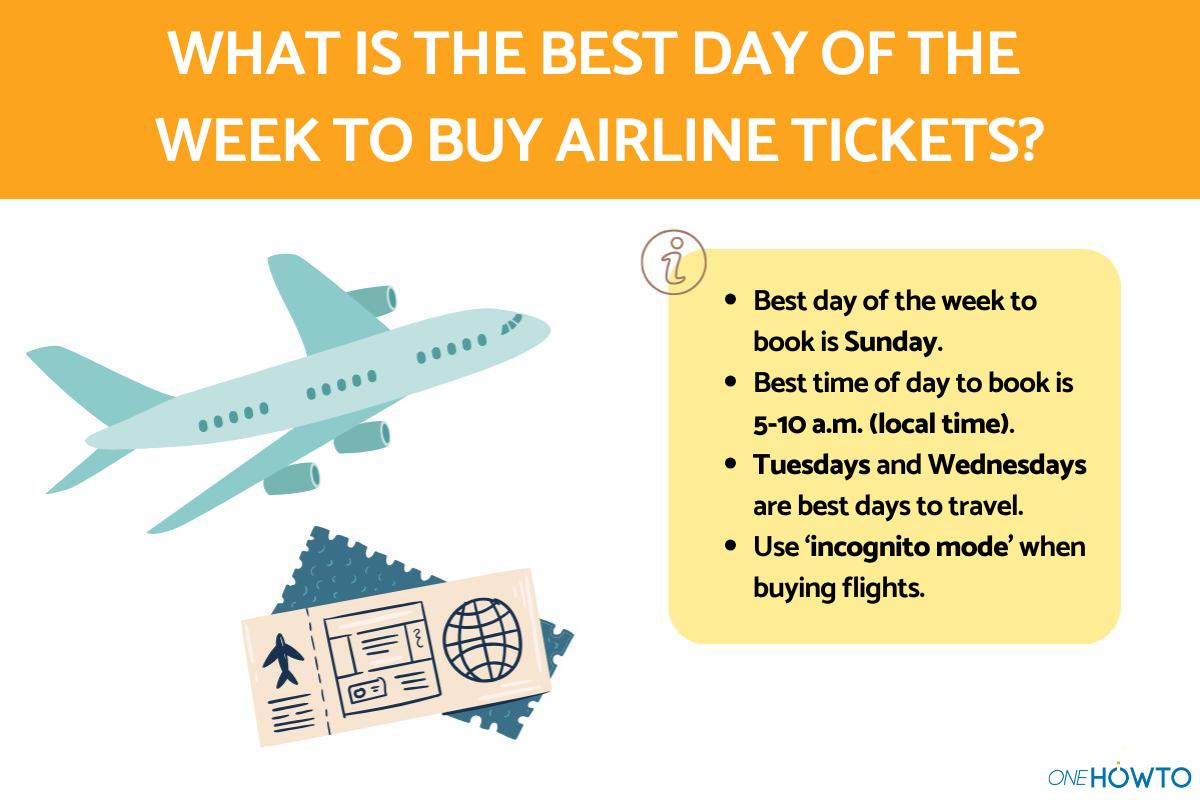
The most common mistake in travel finance is either booking too early or waiting too long. Booking a year in advance often results in paying a “premium for certainty,” as airlines have no incentive to offer discounts that far out. Conversely, booking within three weeks of departure triggers “distress pricing” for business travelers who are price-insensitive and need to travel regardless of cost. The objective is to find the “Goldilocks” window—the period where competition is high and airlines are most aggressive with their pricing.
The Regional Lead-Time Principle
Historical data suggests that the ideal booking window varies significantly by continent. For trans-Atlantic flights from North America to Europe, the financial sweet spot generally falls between 120 and 180 days (4 to 6 months) before departure. For trans-Pacific routes to Asia, the window is often narrower, typically 3 to 5 months out. Traveling to South America or Africa often requires even more lead time due to lower flight frequencies and less competition among carriers. Mapping out these windows allows for better cash flow management, ensuring that the expense is incurred at the most advantageous moment for your overall financial plan.
Seasonal Arbitrage and the “Shoulder” Strategy
From a cost-efficiency standpoint, the date of travel is just as important as the date of purchase. High-season travel—such as mid-summer or the December holiday period—commands a massive premium. To maximize the ROI of your travel spend, focus on the “shoulder seasons”: late spring (May-June) and early autumn (September-October). During these periods, demand drops significantly, but the weather and experience at the destination often remain optimal. By shifting your travel dates by just two weeks, you can often reduce your international airfare costs by 30% to 50%, a significant margin that can be redirected into higher-quality accommodations or long-term investments.
Leveraging Financial Tools and Travel Arbitrage
In the modern financial landscape, paying “cash” (or its digital equivalent) for an international ticket is often the least efficient way to transact. Sophisticated travelers treat airfare as an opportunity for arbitrage, utilizing financial instruments and loyalty programs to drive the effective cost of a ticket toward zero.
Credit Card Rewards as a Currency Hedge
Travel rewards and “miles” should be viewed as a private currency. In times of high inflation or when cash fares are exorbitant, the “cents per point” (CPP) value of your rewards increases. For example, if an international flight costs $1,500 but can be booked for 60,000 miles, you are achieving a value of 2.5 cents per mile—a strong return on your spending. A robust personal finance strategy includes the targeted accumulation of transferable points (from banks like Chase, Amex, or Capital One), which provides the flexibility to move “capital” to whichever airline is offering the best value at the moment of booking.
Using Price Tracking Algorithms as Financial Assets
Technology has democratized access to the same data airlines use to set prices. Tools that offer price prediction and tracking act as a “limit order” for travel. By setting a target price for a specific route and waiting for the notification, you remove the emotional impulse to buy when prices are high. This disciplined approach mirrors successful investing strategies: wait for the market to come to your price rather than chasing the market.
Advanced Budgeting and Risk Management
International travel involves inherent risks, from missed connections to sudden geopolitical shifts. From a financial perspective, how you handle these risks can determine the true final cost of your ticket.
The Hidden Costs of Ultra-Low-Cost Carriers (ULCCs)
While a base fare on a discount carrier might look attractive on a spreadsheet, the ancillary fees—baggage, seat selection, and boarding passes—can quickly erode the perceived savings. A professional financial analysis of a ticket must include “all-in” pricing. Often, a legacy carrier that includes a checked bag and a meal provides a better total value proposition than a budget airline that charges for every touchpoint. Always calculate the total cost of ownership for the flight before committing capital.
Refundability and Opportunity Cost
The cheapest tickets are almost always non-refundable and non-changeable. In a volatile world, this represents a significant financial risk. If your plans change, the “savings” you achieved by booking a restricted fare vanish. For high-value international trips, it is often worth paying a small premium for a “Main Cabin” fare over “Basic Economy” to ensure the ability to receive a flight credit if the trip is canceled. This acts as a form of self-insurance, protecting your principal investment in the event of unforeseen circumstances.

Conclusion: Integrating Travel into a Long-Term Financial Plan
Buying an international air ticket is not a standalone transaction; it is a component of your broader financial life. The “best time” to buy is when you have conducted the necessary market research, identified the regional sweet spot, and utilized the correct financial tools to minimize the impact on your net worth.
By treating international airfare with the same rigor you apply to your investment portfolio or business expenses, you move away from the “hit or miss” nature of travel pricing. Strategy, timing, and the intelligent use of credit and data allow you to see the world without compromising your financial goals. Ultimately, the goal is to reduce the “cost of acquisition” for your experiences, ensuring that every dollar spent on international travel is working as hard as possible for you. Constant vigilance of market trends, coupled with a ready-to-act financial reserve, ensures that when the “best time” arrives, you are positioned to capitalize on it.
aViewFromTheCave is a participant in the Amazon Services LLC Associates Program, an affiliate advertising program designed to provide a means for sites to earn advertising fees by advertising and linking to Amazon.com. Amazon, the Amazon logo, AmazonSupply, and the AmazonSupply logo are trademarks of Amazon.com, Inc. or its affiliates. As an Amazon Associate we earn affiliate commissions from qualifying purchases.