
In the intricate world of personal finance, few expenses evoke as much anxiety and strategic planning as air travel. The difference between a bargain fare and an exorbitant ticket can often equate to hundreds, if not thousands, of dollars, significantly impacting a traveler’s budget and the overall feasibility of a trip. For the financially savvy individual, understanding the optimal timing for purchasing an airline ticket isn’t merely about convenience; it’s a critical component of effective expense management and maximizing the value of hard-earned money. This article delves into the economic forces, market dynamics, and strategic approaches that dictate airfare pricing, providing a comprehensive guide for identifying the financial “sweet spot” to secure the best possible deal. By approaching ticket acquisition with a financially informed perspective, travelers can transform what often feels like a gamble into a calculated financial decision, ensuring their travel dreams remain within budgetary reach.
Understanding the Economics of Airfare: Why Prices Fluctuate
The price of an airline ticket is not static; it’s a volatile commodity influenced by a complex interplay of economic principles, sophisticated algorithms, and external market forces. For consumers aiming to optimize their travel spending, grasping these underlying mechanisms is the first step toward strategic purchasing.
The Intricacies of Airline Revenue Management
Airlines employ highly advanced revenue management systems, powered by predictive analytics and complex algorithms, designed to maximize profit per flight. This isn’t just about filling seats; it’s about filling them at the highest possible price. These systems constantly monitor demand, booking patterns, competitor pricing, and historical data to adjust fares in real-time. For instance, a single flight will have multiple “fare classes” – essentially different price points for the same seat – released and withdrawn based on anticipated demand. As a flight fills up, the cheaper fare classes are typically pulled, leaving only more expensive options. This dynamic pricing model means that the person next to you might have paid significantly more or less for their ticket, purely based on when they bought it. Understanding this continuous adjustment helps demystify the seemingly arbitrary price changes observed when tracking flights.
Supply, Demand, and Market Dynamics
At its core, airfare pricing is a classic example of supply and demand economics. When demand for a particular route or date is high, and the supply of available seats is limited, prices naturally surge. Conversely, during periods of low demand or when airlines need to fill empty seats, prices may drop. Factors such as major holidays, school breaks, popular events (e.g., major sporting events, conferences), and even the day of the week can dramatically shift the demand curve. Similarly, the supply side is affected by airline capacity, route availability, and the number of competitors on a given route. A route with multiple airlines vying for passengers often sees more competitive pricing than a monopolized route. Savvy financial planners understand these cycles and aim to position their purchases during periods of lower demand relative to supply.
External Factors Influencing Ticket Costs
Beyond internal airline strategies and direct market dynamics, several external economic factors can significantly impact airfare. Fuel costs are a primary driver; when oil prices rise, airlines often pass these increased operational expenses onto consumers through higher ticket prices or surcharges. Economic recessions or booms also play a role, influencing discretionary spending on travel and thus affecting demand. Geopolitical events, natural disasters, and global health crises can also introduce volatility, either by reducing demand (leading to lower prices) or disrupting routes and increasing operational costs (leading to higher prices). Exchange rates, particularly for international travel, can also affect the perceived value of a ticket purchased in a foreign currency. A holistic financial perspective on airfare acquisition must consider these broader economic indicators, which, while often unpredictable, offer context to price movements.
The “Sweet Spot”: Optimal Timing for Maximum Savings
Identifying the best time to buy an airline ticket is less about a magical date and more about understanding predictable patterns and strategic windows that offer the highest probability of securing a favorable price. This “sweet spot” varies significantly depending on the nature of the journey.
Domestic Flights: The 1-3 Month Window
For domestic travel, the consensus among financial experts and travel analysts points to a booking window approximately 1 to 3 months (30-90 days) before departure as the prime time for securing the best fares. During this period, airlines are still balancing the need to fill seats with the desire to maximize revenue. The cheapest fare classes are often available, and competition among carriers helps keep prices in check. As the departure date approaches, particularly within 3-4 weeks, the flexibility for airlines to sell cheaper seats diminishes, and prices tend to rise sharply. Booking too early (e.g., 6+ months out) can also be less optimal, as airlines may initially set higher prices to gauge demand or before promotional fares are introduced. The key is to monitor prices within this window, ready to commit when a good deal emerges.
International Journeys: Planning 3-6 Months Ahead
International travel, with its longer lead times and higher stakes, demands an earlier financial commitment. The optimal booking window for international flights typically extends to 3 to 6 months before departure, and sometimes even up to 8 months for peak season travel or popular destinations. This extended period allows airlines to manage complex international logistics and pricing strategies. It also gives travelers ample time to compare various carriers, routes, and layover options, which can significantly influence the overall cost. Booking too close to the departure date for international flights almost invariably leads to substantially higher fares, as the remaining seats are often in premium fare classes or are intended for business travelers with less price sensitivity.
The Myth and Reality of Best Booking Days
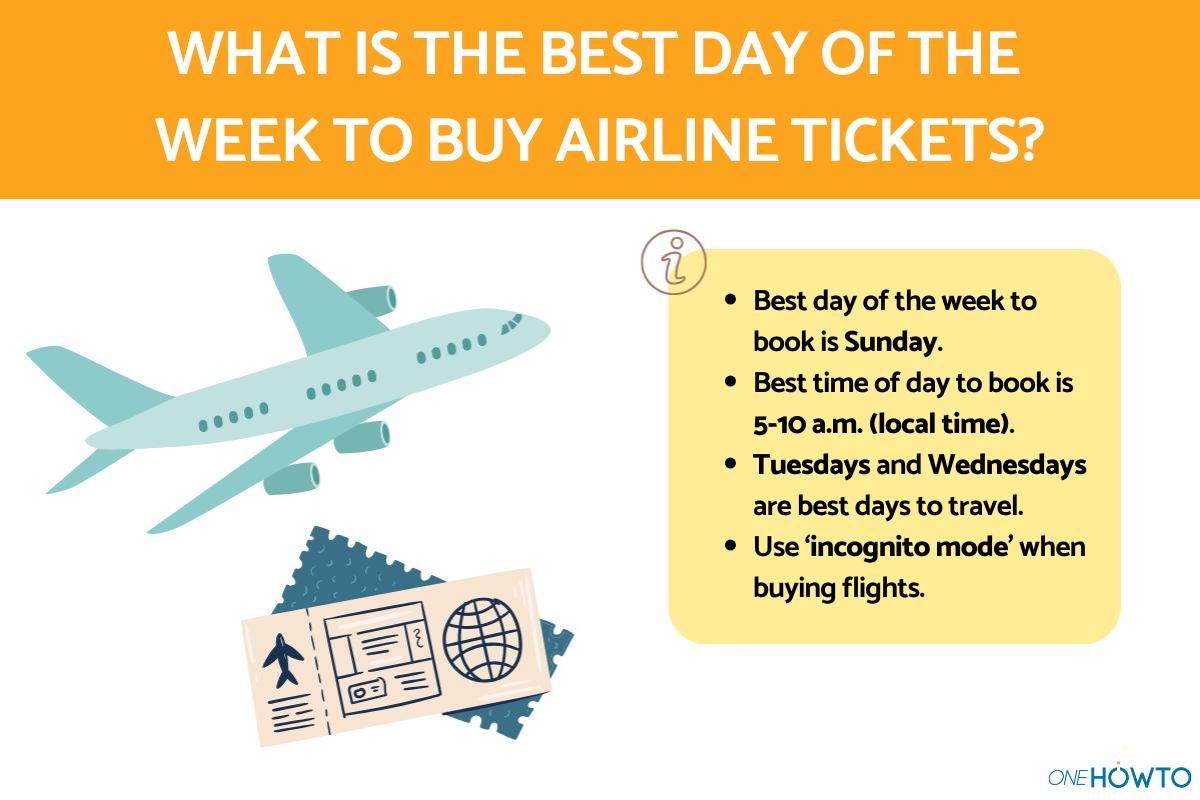
For years, conventional wisdom suggested that Tuesday was the best day to buy airline tickets due to airlines releasing new sales. While this notion holds less absolute truth in the era of real-time dynamic pricing, there’s still a nuanced reality. Airlines often launch sales and adjust prices based on competitive intelligence, which can happen any day. However, it’s true that mid-week (Tuesday to Thursday) can sometimes see slight price adjustments as airlines react to weekend booking trends and competitor moves. More importantly, flying on Tuesdays, Wednesdays, and Saturdays often yields cheaper fares than flying on peak travel days like Fridays and Sundays. This is due to lower demand during mid-week, translating into a lower financial burden for the traveler. Flexibility with travel days is a powerful financial tool.
Navigating Peak Seasons, Holidays, and Special Events

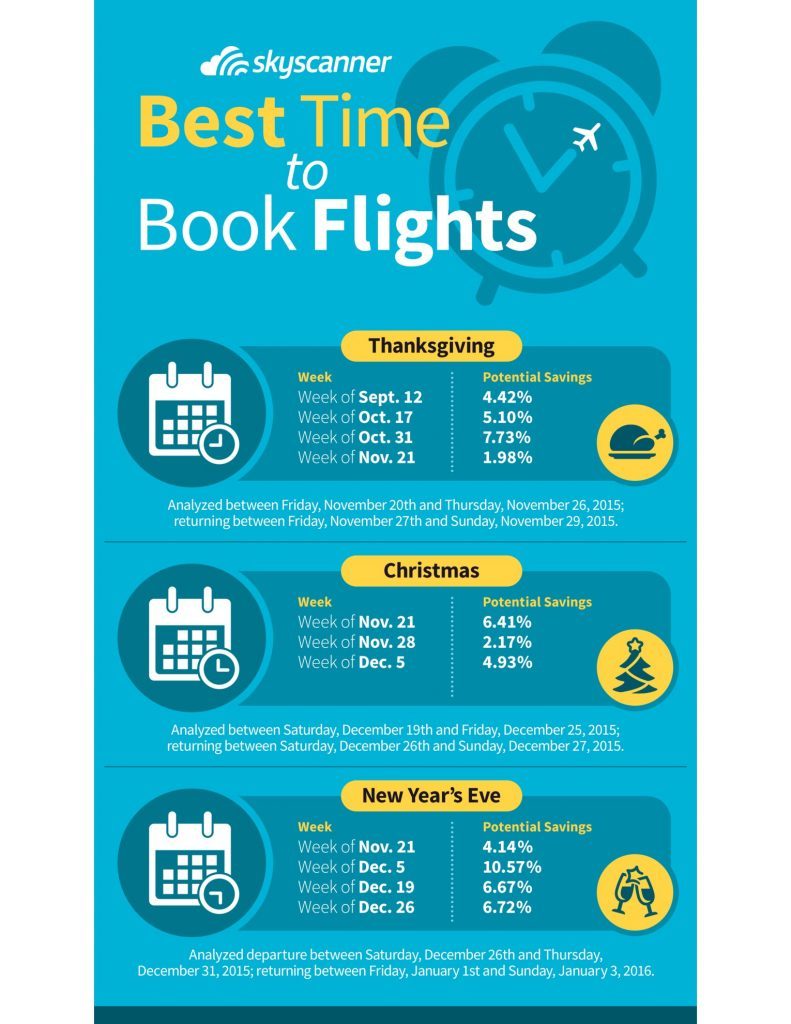
Peak travel seasons, major holidays (e.g., Christmas, New Year’s, Easter, Thanksgiving), and periods coinciding with significant events (e.g., major festivals, Olympics) inherently drive up demand and, consequently, prices. For these times, the “sweet spot” for booking often shifts to the earlier end of the recommended windows, sometimes even pushing beyond. For instance, booking holiday travel might necessitate purchasing 6-12 months in advance for international flights, and 4-6 months for domestic. Financial prudence dictates that if travel during these high-demand periods is unavoidable, securing tickets as early as possible is crucial to mitigate escalating costs. During these times, delaying a purchase is almost guaranteed to result in a higher financial outlay.
Beyond Timing: Savvy Financial Strategies for Airfare Acquisition
While timing is paramount, smart financial planning for airfare extends beyond merely when you click “buy.” Several other money-saving strategies can significantly reduce the overall cost of your airline tickets.
Harnessing Technology for Price Tracking and Alerts
In today’s digital age, relying solely on manual searching is inefficient. Financial tools and flight comparison websites (e.g., Google Flights, Skyscanner, Kayak, Hopper) offer price tracking features and alert systems. By setting up alerts for specific routes and dates, you can receive real-time notifications when prices drop, allowing you to pounce on a deal as soon as it appears. Some tools even predict whether prices are likely to rise or fall, providing data-driven insights to inform your purchasing decision. This automation minimizes the emotional component of buying and maximizes the financial opportunity.
Flexibility as a Financial Asset: Dates, Times, and Airports
One of the most powerful tools in a budget traveler’s arsenal is flexibility. Being open to adjusting your departure or arrival dates by a day or two, or considering flights at less convenient times (e.g., red-eyes, early mornings), can unlock significantly cheaper fares. Airlines often price flights differently based on demand at various times of day. Similarly, exploring alternative or secondary airports within reasonable proximity to your destination can reveal substantial savings. For instance, flying into a smaller airport outside a major city might be cheaper than the main international hub. While there might be a minor inconvenience or an additional local transport cost, the overall financial benefit often outweighs it.
Maximizing Rewards: Loyalty Programs and Travel Credit Cards
For frequent flyers, or even those planning significant trips, leveraging airline loyalty programs and travel-specific credit cards can lead to substantial financial benefits. Earning miles or points through these programs can translate into free flights, upgrades, or discounts. Strategically using a travel credit card for everyday purchases can accumulate points quickly, which can then be redeemed for airfare, effectively reducing your out-of-pocket expenses. Many travel credit cards also offer sign-up bonuses of tens of thousands of points, equivalent to a free domestic or even international round-trip ticket. However, it’s crucial to use credit cards responsibly, paying off balances in full to avoid interest charges that would negate any travel rewards.
The Art of Comparing and Contrasting Fares
Never settle for the first price you see. Always compare fares across multiple platforms. While meta-search engines are excellent starting points, it’s also wise to check the airline’s official website directly. Sometimes, airlines offer exclusive deals or slightly lower prices on their own sites, or they might provide perks not available through third-party aggregators (e.g., better baggage policies, seat selection options). Be mindful of hidden fees for baggage, seat selection, or payment methods that might inflate the final cost, transforming a seemingly cheap base fare into a more expensive overall ticket. A thorough financial comparison requires looking beyond the initial quoted price.
Integrating Airfare into Your Personal Finance Strategy
Travel, while enriching, is a significant discretionary expense. Integrating airfare purchasing into a broader personal finance strategy is essential for maintaining financial health and achieving long-term goals.
Budgeting for Travel: A Holistic Approach
Effective travel budgeting goes beyond simply calculating the flight cost. It involves setting a realistic overall budget for your trip, encompassing accommodation, food, activities, local transportation, and incidental expenses. Once this total budget is established, allocate a specific portion for airfare. This approach prevents overspending on tickets at the expense of other crucial travel components or, worse, dipping into savings meant for other financial objectives. Consider creating a dedicated savings fund for travel, allowing you to accumulate funds gradually without straining your regular monthly budget.
Mitigating Risks: Travel Insurance and Flexible Booking Options
While securing the cheapest flight is a financial win, unforeseen circumstances can quickly turn a bargain into a costly headache. Travel insurance, though an additional upfront expense, can be a financially prudent investment, especially for international trips or expensive tickets. It can protect against losses due to trip cancellation, delays, medical emergencies, or lost luggage. Similarly, some airlines offer flexible booking options or “cancel for any reason” policies for an additional fee. Weighing the cost of these safeguards against the potential financial losses from unexpected events is a key aspect of responsible travel finance.
Long-Term Financial Planning for Globetrotters
For those who envision regular travel as part of their lifestyle, integrating it into long-term financial planning is vital. This might involve consistently allocating a portion of income to a travel fund, optimizing credit card rewards strategies, or even exploring travel hacking techniques within a responsible financial framework. By viewing travel not as an occasional splurge but as a recurring line item in your financial plan, you can budget proactively, anticipate expenses, and minimize the stress associated with funding your adventures. This disciplined approach ensures that your desire to explore the world doesn’t derail your other financial aspirations, such as retirement savings or debt reduction.
In conclusion, the quest for the best time to buy an airline ticket is a multifaceted financial endeavor. It requires an understanding of airline economics, strategic timing, leveraging technology, and a disciplined approach to personal finance. By employing these insights and strategies, travelers can navigate the complex world of airfare pricing with confidence, ensuring their journeys are not only memorable but also financially sound.
aViewFromTheCave is a participant in the Amazon Services LLC Associates Program, an affiliate advertising program designed to provide a means for sites to earn advertising fees by advertising and linking to Amazon.com. Amazon, the Amazon logo, AmazonSupply, and the AmazonSupply logo are trademarks of Amazon.com, Inc. or its affiliates. As an Amazon Associate we earn affiliate commissions from qualifying purchases.