
For the modern consumer, airfare represents one of the most volatile and significant personal finance expenditures. Unlike fixed-price retail goods, airline tickets function more like a commodity on a high-frequency trading floor. Prices fluctuate based on complex algorithms, demand elasticity, and global economic shifts. Understanding when to buy is no longer just a matter of luck; it is a critical component of personal wealth management and budget optimization. By treating travel planning as a financial investment, you can maximize your purchasing power and ensure that your travel experiences provide the highest possible return on investment (ROI).
1. The Financial Logic of Booking Windows: Timing Your Capital Allocation
In the realm of personal finance, timing is everything. Just as an investor looks for the optimal entry point into a stock, a traveler must identify the “Goldilocks window” for purchasing airfare—the period where prices have stabilized and the risk of a sudden spike is minimized.
The Macro View: Domestic vs. International Windows
From a budgetary perspective, domestic and international flights operate on different fiscal timelines. For domestic travel, historical data suggests that the optimal booking window is typically between one and three months before departure. Purchasing too early (more than six months out) often means paying a premium for the airline’s “insurance” against future demand. Conversely, purchasing too late (within 21 days of departure) subjects the buyer to the “business traveler premium,” where airlines capitalize on the inelastic demand of last-minute corporate flyers.
For international journeys, the financial stakes are higher. The optimal window expands to three to seven months. This longer lead time is necessary because international inventory is more limited and the fuel costs associated with these routes require airlines to lock in revenue further in advance. From a cash-flow management perspective, booking international travel early allows a household to amortize the cost of the trip over several months before the actual departure date.
Seasonal Volatility and Peak Demand Management
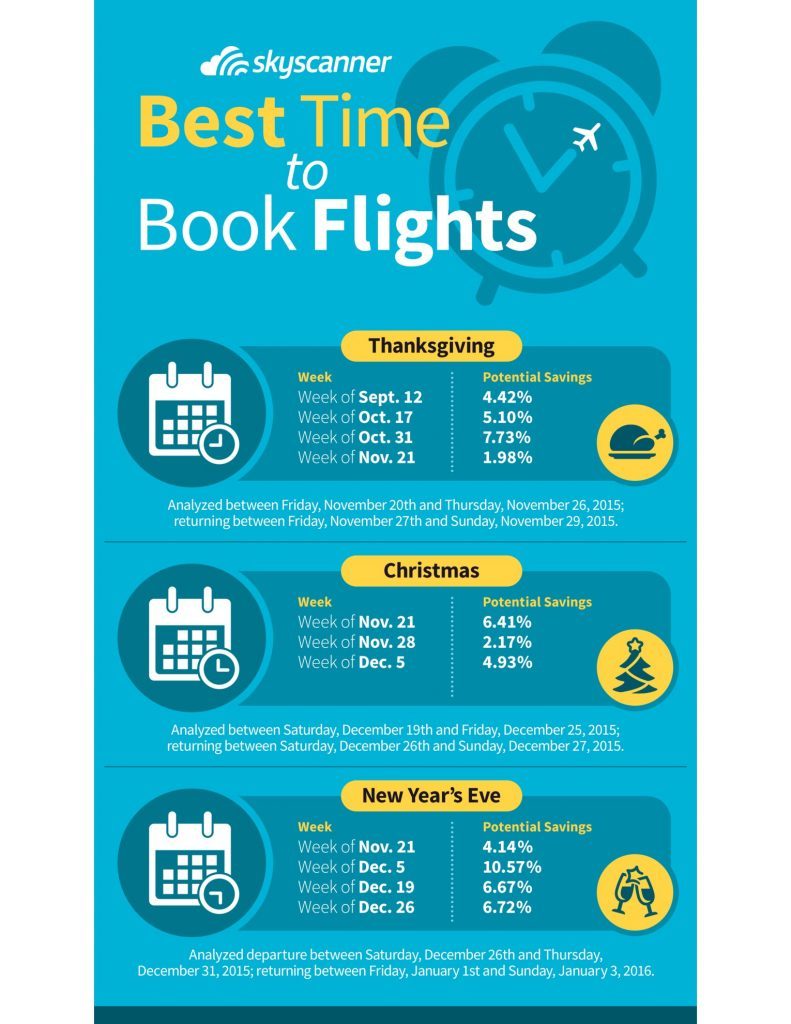
Financial planning requires accounting for seasonal fluctuations. During peak periods—such as the December holidays, spring break, or mid-summer—the standard booking windows are often rendered obsolete. In these scenarios, the “best time to buy” is as soon as the schedule opens (often 330 days in advance). In a high-demand market, price depreciation is rare. Treating a holiday flight like a fixed cost that should be cleared from your balance sheet early prevents the “panic buying” that occurs when prices double in the weeks leading up to the event.
2. Market Volatility and the Myth of the “Tuesday Deal”
For years, a pervasive myth in the world of consumer finance suggested that airline tickets are cheapest at 3:00 PM on a Tuesday. In the current era of AI-driven dynamic pricing, this advice is largely outdated. Modern airline pricing is a 24/7 operation governed by sophisticated Revenue Management Systems (RMS).
Decoding Dynamic Pricing
Airlines utilize “bucket pricing,” where a specific number of seats are allocated to different price points (fare classes). As the cheaper buckets sell out, the price automatically jumps to the next tier. This is not dictated by the day of the week the consumer shops, but rather by the rate of consumption of the inventory. To optimize your spending, you must shift your focus from “which day to buy” to “which day to fly.” Financial data consistently shows that departing on a Tuesday or Wednesday—days with the lowest commercial demand—can reduce the ticket price by 20% to 40%.
Utilizing Price Tracking as a Financial Tool
In a volatile market, information is your most valuable asset. Utilizing automated price tracking tools allows you to monitor the market without the emotional exhaustion of manual checking. From a personal finance standpoint, setting a “strike price”—a predetermined amount you are willing to pay based on historical averages—is essential. When the price hits that target, you execute the purchase. This disciplined approach removes the speculative “gambling” aspect of travel booking and ensures you stay within your allocated budget.

3. Maximizing ROI Through Strategic Rewards and Point Arbitrage
For many high-net-worth individuals and savvy budgeters, the best time to buy a ticket is when you aren’t using cash at all. Integrating travel into your broader financial strategy involves leveraging credit card rewards and frequent flyer miles to achieve “travel arbitrage.”
The Points vs. Cash Decision Matrix
Every time you book a flight, you face a capital allocation decision: should you use liquid cash or redeem points? To make this decision, you must calculate the “cents per point” (CPP) value. If a $500 flight costs 50,000 points, your value is 1 cent per point. If the historical average for those points is 2 cents, using them for that flight represents a poor financial return. In this case, it is better to pay cash and save the points for a high-value redemption, such as an international business class seat where the CPP might reach 5 or 6 cents.
Strategic Spend and Sign-up Bonuses
The “best time” to buy can also be dictated by your credit card’s billing cycle and sign-up bonus requirements. If you have a significant travel expense coming up, it is often financially prudent to open a new travel rewards card to meet the minimum spend requirement through that single purchase. This effectively provides a “rebate” on your travel in the form of a massive points windfall, which can be used to offset the costs of future travel, thereby lowering your long-term cost of living.
4. Risk Mitigation: Understanding the Cost of Flexibility
In any financial transaction, risk management is paramount. The lowest price is not always the best value if it carries significant downside risk. When determining when to buy, you must evaluate the “Total Cost of Ownership” of the ticket.
The Basic Economy Trap
Airlines have introduced “Basic Economy” as a way to compete on price-comparison engines. However, from a financial perspective, these tickets often represent poor value. Once you add back the costs of seat selection, carry-on bags, and the lack of flexibility to change the flight, the “cheaper” ticket often becomes more expensive than a standard economy fare. Furthermore, the inability to refund or change the ticket creates a “sunk cost” risk. If your plans change, the entire value of the asset is liquidated to zero.
Hedging with Refundable Fares and Travel Insurance
For high-cost international trips or travel during uncertain times (such as peak hurricane season or periods of geopolitical instability), paying a premium for a refundable fare or comprehensive travel insurance is a form of financial hedging. You are paying a small, known cost upfront to protect yourself against a large, potential loss later. A professional financial approach to travel means identifying which risks you can afford to “self-insure” and which ones require external protection.

5. Conclusion: Travel as an Optimized Asset Class
In conclusion, determining the best time to buy airline tickets is a sophisticated exercise in personal finance. It requires a balance of timing the market, understanding the mechanics of dynamic pricing, leveraging financial instruments like rewards points, and mitigating risk through smart fare selection.
To summarize the financial strategy:
- Domestic Allocation: Aim for the 1–3 month window and prioritize mid-week departures to minimize capital outlay.
- International Allocation: Treat these as long-term investments, booking 3–7 months out and utilizing price tracking to hit a predetermined strike price.
- Arbitrage: Always calculate the CPP value before deciding between cash and points to ensure you are maximizing the ROI of your rewards.
- Risk Management: Avoid the false economy of Basic Economy fares and consider the insurance value of refundable options for high-stakes travel.
By applying these principles, you transform travel from a chaotic expense into a well-managed component of your financial portfolio. The “best time to buy” is ultimately when the price aligns with your strategic budget goals and the value of the trip justifies the capital expenditure. Consistent application of these strategies will lead to significant long-term savings, allowing you to reallocate those funds toward other wealth-building opportunities or even more frequent travel experiences.
aViewFromTheCave is a participant in the Amazon Services LLC Associates Program, an affiliate advertising program designed to provide a means for sites to earn advertising fees by advertising and linking to Amazon.com. Amazon, the Amazon logo, AmazonSupply, and the AmazonSupply logo are trademarks of Amazon.com, Inc. or its affiliates. As an Amazon Associate we earn affiliate commissions from qualifying purchases.