
Embarking on an international adventure often begins with a critical financial decision: booking your flight. The cost of airfare can represent a significant portion of your total travel budget, making the timing of your purchase a powerful lever for substantial savings. Far from being a random event, airline ticket pricing is a sophisticated interplay of economic principles, algorithmic precision, and market dynamics. For the financially savvy traveler, understanding these forces isn’t just about finding a good deal; it’s about mastering the art of maximizing value and optimizing your personal finance for an unforgettable journey.

This comprehensive guide delves into the economic science behind flight pricing, offering actionable financial strategies to pinpoint the optimal booking window, leverage intelligent tools, and navigate common pitfalls to secure the best possible price for your international airfare.
The Financial Art of Flight Booking: Understanding Price Dynamics
At its core, the price of an international flight is a reflection of supply and demand, meticulously managed by airlines to maximize revenue. This isn’t a static figure but a constantly fluctuating number influenced by a myriad of factors. Understanding these dynamics is the first step in financially intelligent flight booking.
The Algorithmic Dance of Airline Pricing
Airlines employ sophisticated dynamic pricing algorithms that adjust fares in real-time based on a multitude of data points. These algorithms consider everything from historical booking patterns, competitor pricing, fuel costs, and current demand for specific routes and dates. The goal is to fill as many seats as possible at the highest possible price. This means a seat sold today might be significantly cheaper or more expensive than an identical seat sold tomorrow, all dictated by the algorithm’s continuous optimization for revenue. For travelers, this implies that early research and vigilant monitoring can reveal opportune moments to intervene in this financial dance.
Demand vs. Supply: The Core Economic Principle
The fundamental economic principle of supply and demand heavily dictates international flight costs. When demand is high, and supply (available seats) is limited, prices naturally surge. This is evident during peak travel seasons—major holidays like Christmas, New Year’s, Easter, or summer vacation months—when millions seek to travel, pushing prices skyward. Conversely, during periods of lower demand, airlines are often more willing to offer competitive fares to fill seats that would otherwise fly empty, presenting a financial boon for flexible travelers. Recognising these cyclical patterns is crucial for any budget-conscious traveler.
Market Influencers: Events, Holidays, and Economic Factors
Beyond general seasonal demand, specific market influencers can dramatically alter flight prices. Major international events (e.g., the Olympics, World Cup, significant festivals), school holidays, and even local events can create micro-spikes in demand for particular destinations. Furthermore, broader economic conditions, such as recessions or periods of strong economic growth, can influence consumer spending on travel, thereby impacting pricing strategies across the industry. Keeping an eye on these external financial and cultural calendars allows you to anticipate price changes and make financially strategic booking decisions.
Strategic Timing: Unlocking Savings Through Booking Windows
While there’s no single “magic hour” to book every international flight, extensive data analysis reveals discernible patterns and optimal booking windows that can lead to significant financial savings.
The “Golden Window”: Booking Months in Advance
For international flights, the consensus among travel experts and data analysts points to a “golden window” for booking. This typically falls within 2 to 8 months prior to your departure date, with some studies suggesting an optimal sweet spot around 6-8 months out. During this period, airlines have generally released their initial block of fares, and while they aren’t desperate to sell seats, they also haven’t yet seen the surge in demand that triggers higher pricing tiers. Booking too early (e.g., a year in advance) can sometimes result in higher prices, as airlines might initially set higher baseline fares, only to adjust them downwards as the departure date approaches if demand isn’t meeting projections. Booking too late, especially within 2-3 months of departure, almost invariably results in higher costs as remaining seats become scarce.
The Day-of-the-Week Advantage
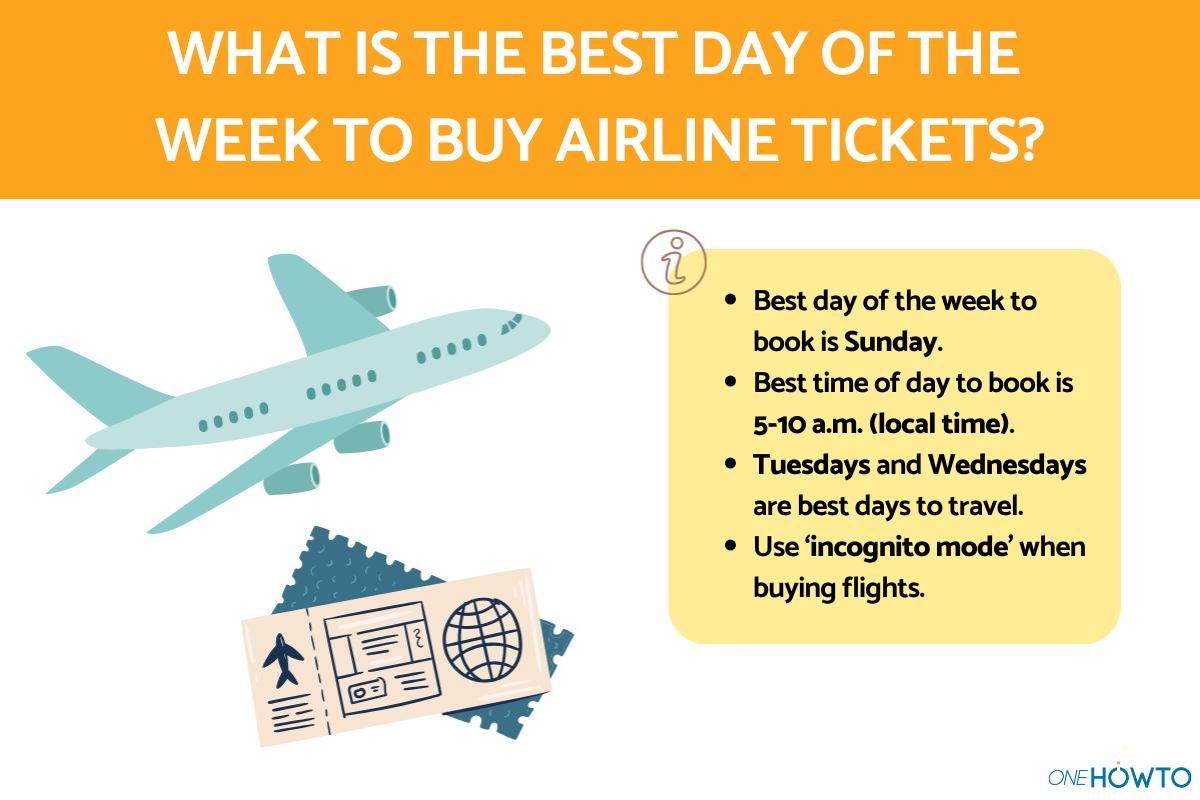
While the myth of Tuesday being the absolute cheapest day to book is largely debunked (due to dynamic pricing algorithms constantly at work), there is some truth to the idea that mid-week travel (Tuesdays, Wednesdays, Thursdays) tends to be cheaper than weekend travel. This is primarily because business travelers often fly during the week, and leisure travelers tend to prefer weekend departures/returns. By avoiding peak travel days, you tap into periods of lower demand, which translates into lower fares. Similarly, flying early morning or late-night flights can often be more economical, as these hours are less convenient for most travelers.
Seasonal Fluctuations and Off-Peak Opportunities
Your travel dates within the year play a monumental role in flight costs. Understanding peak, shoulder, and off-peak seasons is paramount for financially optimized travel:
- Peak Season: Typically summer (June-August in the Northern Hemisphere), major holidays (Christmas, New Year’s, spring break), and specific festival periods. Prices are highest due to maximum demand.
- Shoulder Season: Just before or after peak season (e.g., April-May, September-October). Weather is often still pleasant, but crowds are smaller, and prices are significantly lower. This is often the best financial compromise between cost and experience.
- Off-Peak Season: Generally late autumn (November, excluding Thanksgiving), winter (January-February, excluding holidays). These are the cheapest times to fly, offering substantial savings, though weather conditions or limited attractions might be a trade-off.
Adjusting your travel dates by even a week into a shoulder or off-peak period can unlock hundreds of dollars in savings, directly impacting your overall travel budget.
Leveraging Financial Tools and Strategies for Optimal Value
In the age of digital information, a plethora of tools and strategies exist to help travelers financially navigate the complex world of flight booking. Utilizing these resources effectively can be the difference between an average price and an exceptional deal.
Price Alerts and Prediction Tools

Modern technology has put powerful financial analysis tools directly into the hands of consumers. Websites and apps like Google Flights, Skyscanner, Kayak, and Hopper use sophisticated algorithms to track historical price data and predict future price movements for specific routes. Setting up price alerts is a non-negotiable strategy for any budget-conscious traveler. These alerts notify you via email or push notification when the price for your desired flight drops, allowing you to seize opportunities as they arise. Hopper even offers a “buy now” or “wait” recommendation based on its price prediction models, giving you an informed financial edge.
The Power of Flexibility: Dates, Airports, and Destinations
Flexibility is perhaps the most potent financial weapon in a traveler’s arsenal.
- Flexible Dates: Being able to shift your travel by a few days, or even a week, can drastically reduce costs. Many flight search engines offer “flexible date” options, allowing you to see a calendar view of prices across a month, instantly revealing cheaper travel days.
- Flexible Airports: Consider flying into or out of alternative, smaller airports near your main destination. These might have lower landing fees for airlines, translating into cheaper fares for passengers. Even driving an extra hour to a different hub airport can yield significant savings.
- Flexible Destinations: If your travel primary goal is “an international trip” rather than a specific city, explore options. Tools like Google Flights’ “Explore” map or Skyscanner’s “Everywhere” feature allow you to see the cheapest destinations from your departure city for a given date range. This open-minded approach can uncover incredible value and experiences you might not have considered.
Hidden Costs and Budgeting for International Travel
While the base fare is critical, a truly financially savvy traveler considers the total cost of the journey. Hidden costs can quickly inflate your budget. These include:
- Baggage Fees: Many international carriers, especially budget airlines, charge separately for checked luggage and sometimes even carry-on bags. Factor these into your flight cost comparison.
- Seat Selection Fees: Some airlines charge to select your preferred seat.
- Visa Costs: Research visa requirements and associated fees for your destination.
- Exchange Rates and Transaction Fees: Be mindful of currency conversion rates and potential foreign transaction fees on credit cards or ATM withdrawals.
- Travel Insurance: A critical investment to protect against unforeseen circumstances like trip cancellations, medical emergencies, or lost luggage. While an upfront cost, it’s a financial safeguard against potentially devastating expenses.
A comprehensive travel budget should account for all these elements, ensuring you have a realistic financial picture of your international trip.
Common Pitfalls and How to Avoid Costly Mistakes
Even with the best intentions, travelers can fall victim to common errors that lead to increased flight costs. Recognizing these pitfalls is key to safeguarding your travel budget.
Procrastination Penalties: The Cost of Last-Minute Bookings
While domestic last-minute deals occasionally surface, waiting until the last minute for international flights is almost always a costly mistake. As the departure date approaches, airlines raise prices significantly for remaining seats, knowing that last-minute travelers often have urgent needs and limited flexibility. Unless you are highly skilled at spotting rare, last-minute error fares (which are not a reliable strategy), booking within a few weeks of an international departure will typically cost you a premium. This financial penalty can often be avoided with diligent planning.
Overlooking Layover Options and Indirect Routes
Direct flights offer convenience but often come at a premium, especially for long-haul international routes. Budget-conscious travelers should seriously consider flights with one or more layovers. While adding to travel time, indirect routes can be substantially cheaper. This is a classic financial trade-off: time versus money. Use flight search engines to filter for options with layovers and compare the price difference. Sometimes, even self-connecting between two separate tickets (with adequate buffer time) can unlock deeper savings, though this carries higher risk if the first flight is delayed.
Impulse Buying vs. Strategic Planning
The excitement of finding a seemingly “good deal” can lead to impulse booking, especially when deals are advertised as “limited time.” While quick action can sometimes be beneficial, it’s crucial to distinguish between a genuine flash sale and a cleverly marketed price point. Strategic planning, coupled with prior research on average prices for your desired route and time, allows you to objectively evaluate a deal. Don’t let FOMO (Fear Of Missing Out) lead to an unresearched purchase that might not be the best financial decision in the long run. Cross-referencing prices on multiple platforms and setting price alerts provides the necessary financial discipline.
Maximizing Your Travel Budget: A Holistic Financial Approach
Securing a well-priced international flight is a tremendous achievement, but it’s just one component of a broader financial strategy for global travel. A holistic approach ensures your entire trip remains within budget and provides maximum value.
Bundling vs. Unbundling: Package Deals vs. DIY Booking
When planning, consider whether to book your flight, hotel, and perhaps car rental separately or as a package deal. Sometimes, travel agencies and online travel aggregators can offer significant discounts on bundled packages, especially if they have secured bulk rates. However, often for independent, financially savvy travelers, booking components separately allows for greater flexibility, customization, and potentially better individual deals, particularly when combined with loyalty programs or specific promotional offers. Evaluate both options carefully, comparing the total financial outlay for each scenario.
Utilizing Credit Card Rewards and Loyalty Programs
Smart use of financial tools like travel credit cards and airline loyalty programs can significantly reduce the net cost of your international flights.
- Travel Credit Cards: Many credit cards offer substantial sign-up bonuses in points or miles, which can be redeemed for free or heavily discounted flights. Ongoing spending on these cards can also accumulate points. Look for cards with travel benefits like no foreign transaction fees, travel insurance, and lounge access, which add value beyond just the flight itself.
- Airline Loyalty Programs: Even if you’re not a frequent flyer, joining airline loyalty programs is free and can lead to earning miles on paid flights, which can eventually be redeemed for future travel. Consolidating your flights with alliance partners (e.g., Star Alliance, Oneworld, SkyTeam) can accelerate your point accumulation.
These strategies transform your everyday spending into opportunities for future travel savings, effectively “investing” your purchases into your travel fund.
Beyond the Flight: Comprehensive Travel Budgeting
Finally, remember that the flight is merely the entry point to your international experience. A truly robust travel budget extends far beyond airfare to encompass:
- Accommodation: Hotels, hostels, Airbnb, guesthouses.
- Transportation: Local trains, buses, taxis, ride-shares, car rentals.
- Food and Drink: Dining out, groceries, snacks.
- Activities and Sightseeing: Tours, museum entries, excursions.
- Shopping and Souvenirs.
- Emergency Fund: An often-overlooked but crucial component for unforeseen expenses.
By meticulously planning and allocating funds for each category, you ensure that securing a great flight deal translates into a financially stress-free and enjoyable international journey, rather than merely shifting budget pressure elsewhere. Mastering the timing of your international flight booking is a potent financial skill, laying a solid foundation for unforgettable global adventures.
aViewFromTheCave is a participant in the Amazon Services LLC Associates Program, an affiliate advertising program designed to provide a means for sites to earn advertising fees by advertising and linking to Amazon.com. Amazon, the Amazon logo, AmazonSupply, and the AmazonSupply logo are trademarks of Amazon.com, Inc. or its affiliates. As an Amazon Associate we earn affiliate commissions from qualifying purchases.