
In the realm of personal finance, travel is often one of the largest discretionary expenses a household or individual will face. Unlike a fixed utility bill or a mortgage payment, the price of airfare is a volatile asset, fluctuating based on complex algorithms, market demand, and global economic factors. Understanding when to book flight tickets is not merely a matter of luck; it is a sophisticated exercise in financial timing and risk management. For those looking to optimize their travel budget and maximize the purchasing power of their currency, mastering the timing of the “buy” is essential for long-term wealth preservation and lifestyle design.
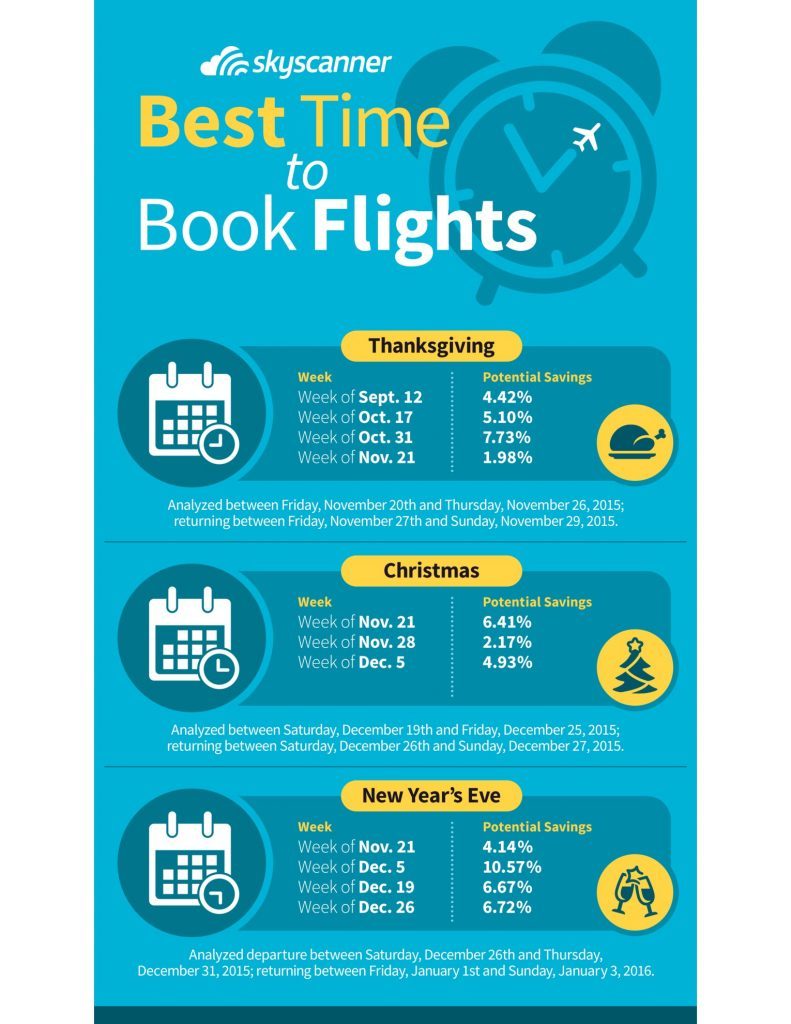
The Financial Impact of Timing: Why Airfare Management Matters
To the casual observer, flight prices might seem random. However, from a financial perspective, airfare is priced through a system known as yield management. This is a variable pricing strategy based on anticipating and influencing consumer behavior to maximize revenue from a fixed, time-limited resource—in this case, an airplane seat. Once a flight takes off, any empty seat represents a total loss of potential revenue, which is why airlines use dynamic pricing to ensure they extract the maximum possible value from every passenger.
Understanding Dynamic Pricing Models
Airlines employ thousands of analysts and highly sophisticated software to monitor demand in real-time. Prices are adjusted based on “buckets” of inventory. As cheaper seats sell out, the price automatically jumps to the next tier. From a personal finance standpoint, your goal is to identify when the lowest tiers are available before the market corrects upward. This requires an understanding of price elasticity—how much a consumer is willing to pay before they decide not to travel or choose a competitor. By booking at the right time, you are essentially engaging in a form of arbitrage, securing a high-value service at a low-entry cost.
Opportunity Cost and Budget Allocation
Every dollar saved on a flight ticket is a dollar that can be redirected toward high-yield investments, debt reduction, or higher-quality experiences at the destination. If an international flight fluctuates by $400 over a six-month period, the decision of when to click “purchase” represents a significant swing in your annual travel budget. For a family of four, that $1,600 difference could represent the total funding for an Individual Retirement Account (IRA) contribution or a significant payment toward a high-interest credit card. Viewing airfare through the lens of opportunity cost shifts the activity from a chore to a strategic financial maneuver.
The Data-Driven Calendar: Historical Patterns vs. Real-Time Volatility
While the “buy on a Tuesday at 3:00 AM” myth has been largely debunked by the shift toward 24/7 automated pricing, historical data still provides a reliable roadmap for financial planning. Aggregated data from millions of bookings suggests that there are specific “Goldilocks Windows” where the intersection of supply and demand favors the buyer.
The “Goldilocks Window” for Domestic vs. International Travel
For domestic flights, the financial sweet spot generally falls between one and three months before departure. Research consistently shows that booking too early—more than six months out—often results in paying a premium for the airline’s “safety margin.” Conversely, booking within 21 days of departure triggers the business-traveler pricing tier, where airlines capitalize on the inelastic demand of corporate flyers who must travel regardless of cost.
International travel requires a different financial timeline. Because the inventory is more limited and the stakes for the airline are higher, the ideal booking window moves further back. For major international routes, the optimal acquisition period is typically three to eight months in advance. During this window, airlines are testing the market and often release promotional fares to ensure a baseline occupancy before the peak demand season begins.
Seasonal Fluctuations and the Holiday Premium
In any financial market, seasonality dictates price. Just as retail stocks peak during Q4, airfare surges during major holidays and school breaks. To mitigate these predictable spikes, the savvy financial planner looks for “shoulder seasons”—the periods between peak and off-peak travel. Booking a flight to Europe in late September rather than July can result in a 40% to 50% reduction in cost. From a budgetary perspective, aligning travel with these periods of lower demand provides the highest Return on Investment (ROI) for your travel spend.
Advanced Tools and Financial Strategies for Cost Optimization
In the modern financial landscape, you shouldn’t rely on manual searches alone. Utilizing technological tools to perform financial analysis on flight prices can provide a significant edge. These tools act much like stock market trackers, providing alerts when a “buy” signal is generated.
Leveraging Price Tracking and Predictive AI
Platforms that offer price prediction services use historical data and current trends to advise whether a user should “Buy Now” or “Wait.” These tools are essentially risk-mitigation software. By setting price alerts, you remove the emotional component of the purchase. Instead of panic-buying when you see a small price increase, you can rely on data-backed projections that suggest the price will likely drop again before your departure date. This disciplined approach is the hallmark of sound financial management.
Credit Card Rewards and Point Valuation
A critical component of the “when to book” equation is the currency used for the transaction. If you are using travel rewards points or “miles,” the timing may differ from a cash purchase. Points often have a fixed value or are tied to specific “award charts,” though many airlines are moving toward dynamic pricing for points as well.
The goal here is to maximize your “Cent-Per-Point” (CPP) value. If a flight costs $500 or 50,000 points, you are getting 1 cent per point. If that same flight drops to $300 but still costs 50,000 points, the financial value of using your points has diminished. Tracking the cash price allows you to decide whether to liquidate your points or hold them for a higher-value redemption in the future. This is a form of currency management that is vital for anyone using credit card ecosystems as a wealth-building tool.
Behavioral Finance and the Flight Booking Paradox
Human psychology plays a massive role in how we spend money on travel. Behavioral finance teaches us that we are often prone to “loss aversion”—the fear that if we don’t book now, the price will go up and we will “lose” money. This fear often leads to suboptimal financial decisions.
The Myth of the “Cheap Tuesday”
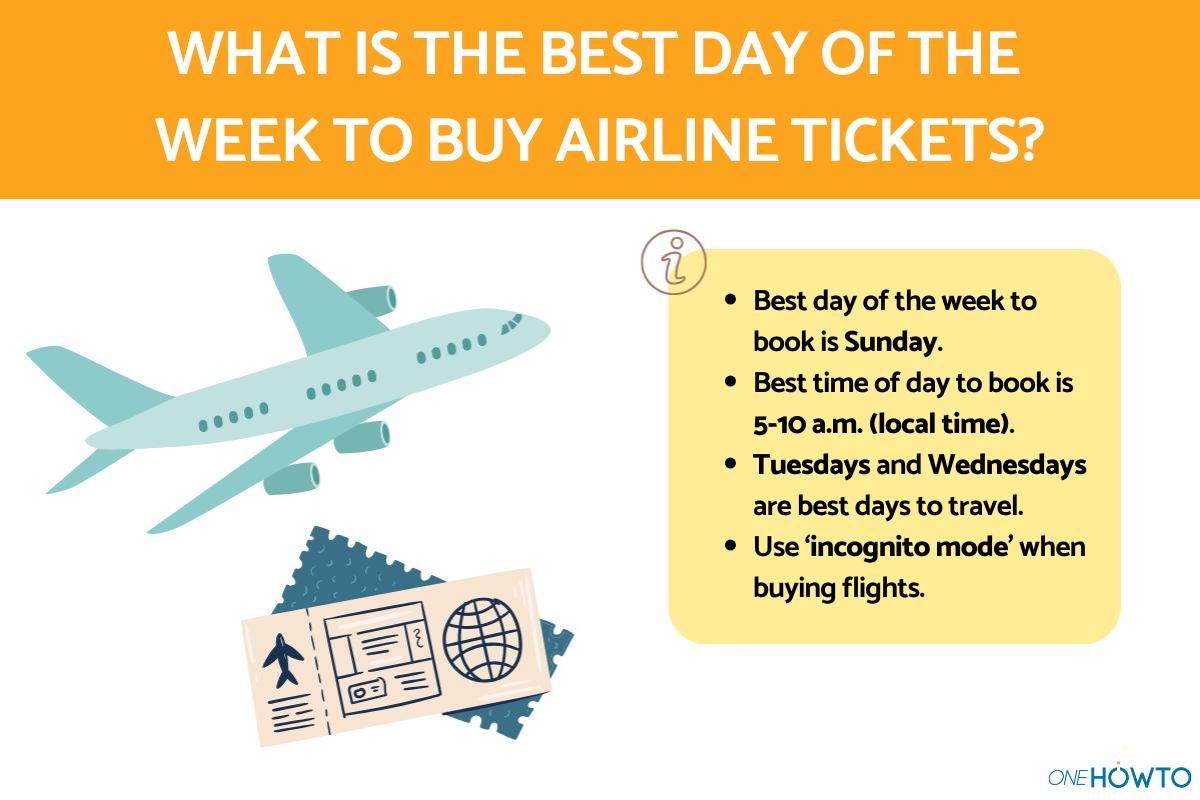
For years, the conventional wisdom was that booking on a Tuesday would yield the lowest prices. While there was once a grain of truth to this—due to how airlines manually updated their weekly fares—it is no longer a reliable financial strategy in an age of AI-driven pricing. The “best day” to book is now less about the day of the week and more about the “days until departure.” Focusing on the day of the week is a distraction from the more important metrics of lead time and seasonal demand.
Risk Management: When to Wait and When to Commit
In finance, there is always a trade-off between risk and reward. If you find a fare that fits within your pre-determined budget and aligns with historical lows for that route, the most sound financial move is to commit. Waiting for a further $20 drop carries the risk of a $200 increase. Establishing a “strike price”—a price at which you are comfortable executing the trade—allows you to finalize your plans and move on to other financial priorities. Once the ticket is booked, it is often best to stop tracking the price to avoid “buyer’s remorse,” which is a psychologically taxing and unproductive use of mental energy.

Building a Long-Term Travel Finance Strategy
Ultimately, the best time to book a flight ticket is part of a larger, holistic approach to personal finance. It involves moving away from reactive, last-minute spending and toward proactive, strategic planning.
By treating airfare as a variable cost that can be managed through data and timing, you gain control over your discretionary income. This control allows for a more robust savings rate and a more intentional lifestyle. Whether you are a business owner looking to reduce overhead or an individual looking to see the world without compromising your retirement goals, the math remains the same:
-
Monitor the market early to establish a baseline.
-
Utilize automated tools to track volatility.
-
Understand the lead-time requirements (1-3 months for domestic, 3-8 for international).
-
Hedge your costs by using rewards points when cash prices are high.
-
Execute the transaction when the price hits your target “strike zone.”
In the grand scheme of your financial journey, a single flight ticket may seem insignificant. However, the habits developed by optimizing these mid-tier expenses—discipline, research, and data-driven decision-making—are the very same habits that lead to success in larger investment arenas. Timing your flight booking is more than just a travel hack; it is a disciplined financial practice.
aViewFromTheCave is a participant in the Amazon Services LLC Associates Program, an affiliate advertising program designed to provide a means for sites to earn advertising fees by advertising and linking to Amazon.com. Amazon, the Amazon logo, AmazonSupply, and the AmazonSupply logo are trademarks of Amazon.com, Inc. or its affiliates. As an Amazon Associate we earn affiliate commissions from qualifying purchases.