
In the intricate world of personal finance, every dollar saved contributes to greater financial freedom. For many, travel represents a significant discretionary expense, and the cost of airline tickets can often be the most substantial component. Far from being a random event, airline ticket pricing is a sophisticated dance of algorithms, market demand, and economic factors, making the quest for the “best time to book” a critical financial strategy for savvy travelers. This article delves into the nuances of securing optimal flight prices, equipping you with the financial insights and actionable strategies to maximize your savings on your next journey. Understanding when to open your wallet for airfare isn’t just about convenience; it’s a fundamental aspect of intelligent personal budgeting and expenditure optimization.
Understanding Airline Ticket Pricing Dynamics
To master the art of booking cheap flights, one must first grasp the underlying mechanics that dictate ticket prices. It’s a complex system, far removed from static pricing models, designed to maximize airline revenue – and thus, a system we must learn to navigate for our financial benefit.
The Supply and Demand Equation
At its core, airline pricing is a classic example of supply and demand. When demand for a particular route or date is high, prices naturally surge. Conversely, lower demand often translates to lower prices. This is why peak travel seasons (holidays, summer vacations) invariably command higher fares, while off-peak periods offer more attractive rates. From a personal finance perspective, aligning your travel plans with periods of lower demand is one of the most straightforward ways to achieve significant cost savings. Airlines manage their “supply” of seats by opening and closing booking classes, adjusting prices in real-time based on how quickly tickets are selling for a given flight.
Dynamic Pricing Algorithms
Airlines employ sophisticated dynamic pricing algorithms that constantly analyze a multitude of data points. These algorithms consider everything from historical booking patterns, competitor pricing, remaining seat inventory, browsing behavior, origin and destination, and even the type of device you’re using. These systems can adjust prices minute by minute, making it a challenge for the average consumer to pinpoint the absolute lowest price without assistance. This dynamic nature means that the price you see today might not be the price you see tomorrow, emphasizing the need for strategic monitoring and decisive action when a good financial opportunity arises. This isn’t just about finding a good deal; it’s about making a financially informed decision in a fluid marketplace.
Impact of Fuel Costs and Economic Factors
Beyond immediate supply and demand, broader economic factors significantly influence airline ticket prices. Fluctuations in global crude oil prices directly impact an airline’s operational costs, which are often passed on to consumers through higher fares or fuel surcharges. Similarly, general economic conditions, such as inflation rates, currency exchange rates, and consumer confidence, play a role. During periods of economic downturn, airlines might offer more competitive pricing to stimulate demand, whereas a robust economy might see them less pressured to lower fares. Savvy financial planners understand that these macroeconomic trends, while seemingly distant, have a tangible impact on their travel budget.
The “Sweet Spot” for Domestic and International Flights
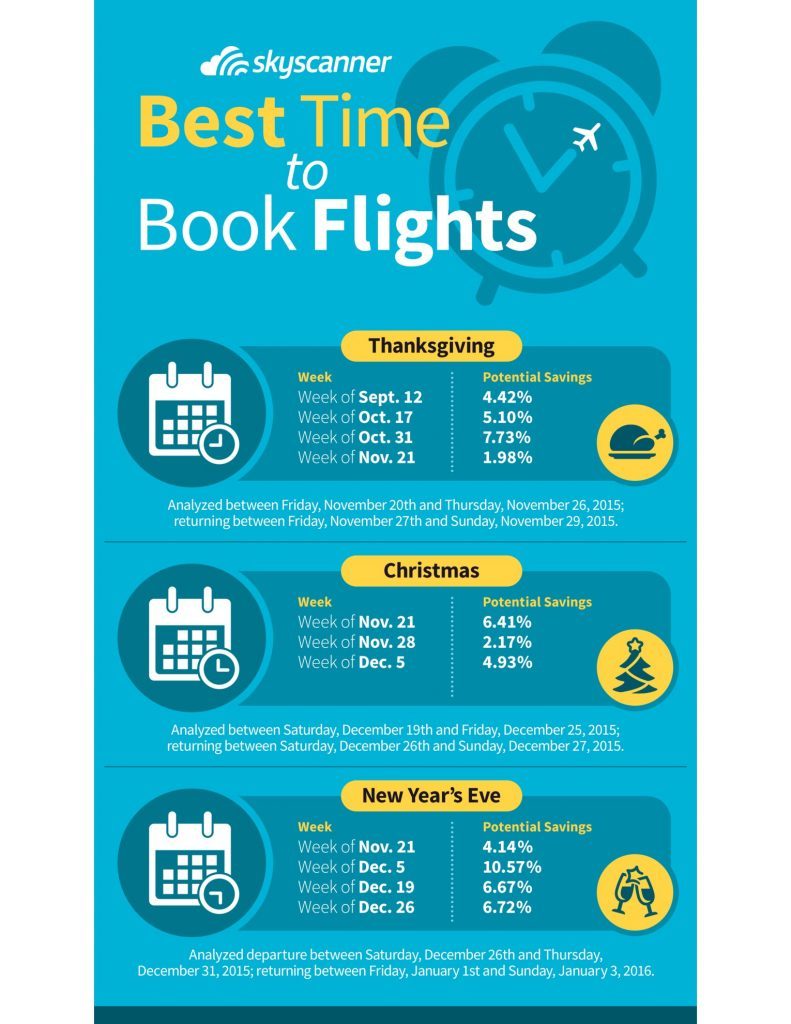
While no single magic formula guarantees the absolute lowest price every time, extensive data analysis points to general booking windows that statistically yield the best financial outcomes. Identifying this “sweet spot” is a cornerstone of intelligent travel budgeting.
Domestic Travel: The 1-3 Month Window
For flights within your home country, the optimal booking window typically falls between 1 to 3 months (approximately 28 to 112 days) before your departure date. Within this period, airlines tend to offer a good balance of seat availability and competitive pricing. Booking too early (e.g., more than 4-5 months out) can sometimes mean paying higher prices as airlines initially set higher fares, expecting early bookers to pay a premium for peace of mind. Conversely, waiting until the last minute (within a few weeks of departure) dramatically increases your financial risk, as airlines then capitalize on the urgency of travelers, often leading to significantly inflated prices. This 1-3 month window represents the period where the financial stars often align for domestic routes.
International Journeys: Planning 2-8 Months Ahead
International travel, with its longer lead times and higher associated costs, demands a more extended planning horizon. The general consensus for international flights suggests booking between 2 to 8 months (approximately 56 to 224 days) in advance. Longer flights often involve more complex logistics for airlines, and they tend to release their best fares earlier to fill seats efficiently. Booking closer to the 6-8 month mark is especially beneficial for popular destinations or during peak travel seasons, offering a better chance to secure lower base fares before they escalate. Neglecting this longer lead time for international travel can result in substantial financial penalties, eating into your carefully planned travel budget.
Myth vs. Reality: Last-Minute Deals
The allure of a “last-minute deal” is a persistent myth, largely a relic of a bygone era before dynamic pricing algorithms became so sophisticated. While a rare unicorn deal might appear if an airline has unsold seats on a very unpopular flight, relying on this strategy is a significant financial gamble. In reality, airlines typically raise prices significantly in the last few weeks before departure, knowing that last-minute travelers are often business travelers or those with urgent needs who are less price-sensitive. From a personal finance perspective, approaching travel with a “wait and see” attitude for last-minute deals is generally a poor strategy that is more likely to cost you money than save it.
Strategic Approaches to Maximizing Savings
Beyond simply knowing when to book, adopting certain financial strategies can further reduce your airfare costs, transforming your travel budget from an expense into an investment in experiences.
Flexibility Is Your Financial Friend
One of the most potent weapons in a budget traveler’s arsenal is flexibility. Being flexible with your travel dates, times, and even your destination can unlock significant savings.
- Flexible Dates: Shifting your departure or return by just a day or two can sometimes halve the price of a ticket. Tools that show a calendar view of prices across an entire month are invaluable for identifying these cheaper days.
- Flexible Times: Flying early morning, late at night, or during off-peak hours often results in lower fares due to less demand.
- Flexible Airports: Consider flying into or out of alternative, smaller airports near your desired destination. These airports sometimes have lower landing fees and less competition, translating to cheaper tickets. For instance, flying into Oakland instead of San Francisco, or Providence instead of Boston, can offer tangible financial benefits.
- Flexible Destinations: If your primary goal is to travel cheaply, rather than to a specific place, let “everywhere” searches guide you to the most affordable destinations, aligning your travel plans with the best financial opportunities.
Leveraging Price Prediction Tools and Alerts
In the era of big data, several online tools and apps have emerged to help consumers navigate the complexities of dynamic pricing. These tools use historical data and predictive analytics to forecast price changes, sending you alerts when prices are expected to drop or have reached an optimal buying point. Websites like Google Flights, Skyscanner, Hopper, and Kayak offer price alerts and tracking features. Subscribing to these alerts for your desired routes means you don’t have to constantly monitor prices yourself; the tool does the legwork, notifying you when a financially advantageous booking opportunity arises. This passive approach to price monitoring is a smart personal finance hack for busy individuals.
Exploring Alternative Airports and Routes
As mentioned under flexibility, sometimes the direct route isn’t the most cost-effective. Researching nearby airports, even those an hour or two away by ground transport, can reveal significant savings, especially for international flights. Similarly, considering multi-stop itineraries instead of direct flights can often result in lower fares. While a layover might add travel time, the financial savings can sometimes be substantial enough to justify the inconvenience, especially for budget-conscious travelers. Always factor in potential additional costs like ground transport to and from alternative airports, but don’t dismiss the strategy outright without first evaluating the financial trade-offs.
Best Days and Times to Book and Fly
Beyond the larger booking window, specific days of the week and times of day, both for booking and flying, can offer marginal yet worthwhile savings. Every little bit counts when optimizing your travel budget.
Weekday vs. Weekend Booking
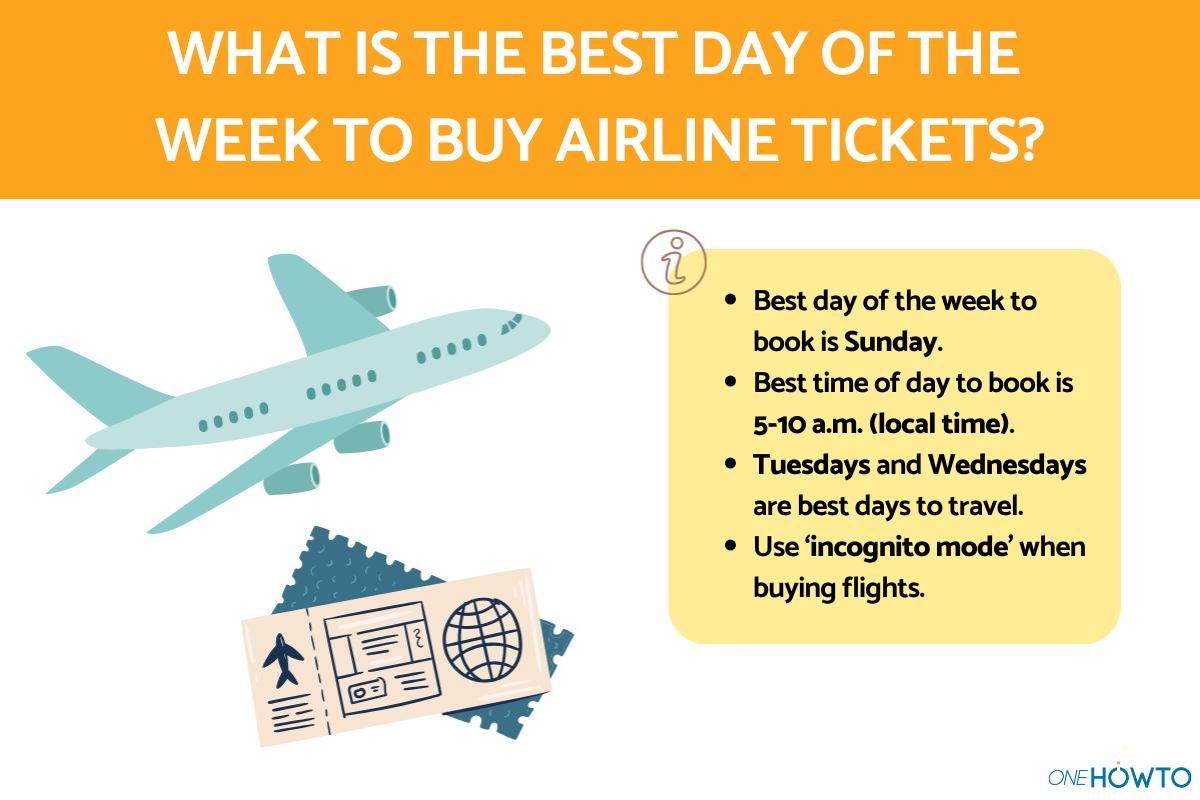
Conventional wisdom often suggests that Tuesday, Wednesday, or Thursday are the best days to book flights. The theory posits that airlines release new deals or match competitors’ prices during the week. While the impact of specific booking days has become less pronounced with dynamic pricing, anecdotal evidence and some studies still suggest that mid-week (Tuesdays and Wednesdays) can sometimes offer slightly lower prices, or at least a wider selection of available deals, as business travel demand is easier to predict. Booking during the weekend, when many leisure travelers are planning their trips, may occasionally see prices tick up. However, the exact timing is less critical than the overall booking window.
Off-Peak Travel Days and Seasons
The most significant savings often come from traveling during off-peak days and seasons.
- Mid-Week Flights: Flying on Tuesdays, Wednesdays, and Saturdays (for domestic routes) is frequently cheaper than flying on high-demand days like Fridays and Sundays. Mondays are also often expensive due to business travel.
- Off-Season Travel: Avoiding peak holiday periods (Christmas, New Year’s, Easter, Thanksgiving) and popular summer months (June-August) can dramatically reduce airfare. Consider traveling in the shoulder seasons (e.g., April-May or September-October for many destinations) or the true off-season, where not only flights but also accommodation and activities are often more budget-friendly. This financial discipline in choosing travel times can result in hundreds, if not thousands, of dollars in savings.
The Cheapest Time to Fly
For any given day, the cheapest flights are typically found during undesirable hours. Think very early mornings (before 8 AM) or late evenings (after 8 PM). These hours are less convenient for most travelers, leading to lower demand and consequently lower prices. Red-eye flights, though tiring, are often a cost-effective choice. While it might require an extra coffee, flying at these times is a direct financial benefit for those willing to trade comfort for savings.
Beyond Timing: Other Financial Strategies
While timing is crucial, a holistic approach to travel finance involves integrating other smart strategies to further protect and optimize your budget.
Credit Card Rewards and Airline Miles
Leveraging travel-focused credit cards can be a game-changer for reducing out-of-pocket flight expenses. Many cards offer generous sign-up bonuses in airline miles or flexible points, which can be redeemed for free or significantly discounted flights. Consistent use of these cards for everyday spending, paying them off in full each month to avoid interest, allows you to accumulate rewards that effectively lower your overall travel cost. Furthermore, some cards offer benefits like free checked bags, lounge access, or travel insurance, adding further financial value. This strategic use of credit cards transforms your regular spending into a future travel fund.
Bundling Flights and Accommodation
For certain trips, particularly to popular tourist destinations, bundling your flight and hotel through online travel agencies (OTAs) can sometimes lead to greater savings than booking each component separately. OTAs often have preferential rates with hotels and airlines, allowing them to offer package deals that are financially attractive. Before committing, always compare the bundled price against the cost of booking the flight and hotel individually, but keep this strategy in your financial toolkit as a potential cost-saver.
Travel Insurance: A Financial Safeguard
While not directly reducing the initial ticket price, travel insurance is a crucial financial safeguard that protects your investment. Unforeseen circumstances – illness, natural disasters, lost luggage, flight cancellations – can lead to significant financial losses if you’re not insured. A comprehensive travel insurance policy can cover non-refundable flight costs, medical emergencies abroad, and other unexpected expenses, preventing a minor travel hiccup from becoming a major financial setback. From a personal finance perspective, travel insurance is a prudent expenditure that mitigates risk and protects your larger travel budget from unforeseen drains.

Conclusion
The pursuit of the “best time to book airline tickets” is more than just a fleeting desire; it’s a fundamental aspect of savvy personal finance and intelligent travel planning. There is no singular magic moment, but rather a strategic combination of understanding pricing dynamics, adhering to optimal booking windows, embracing flexibility, and leveraging modern financial tools and strategies. By planning proactively, being adaptable, and employing the insights outlined above, you empower yourself to make financially sound decisions that stretch your travel budget further. Each dollar saved on airfare is a dollar available for experiences, better accommodation, or simply returned to your personal savings. Approach your next flight booking not as a mere transaction, but as a calculated financial maneuver designed to optimize your expenditure and unlock more fulfilling travel experiences.
aViewFromTheCave is a participant in the Amazon Services LLC Associates Program, an affiliate advertising program designed to provide a means for sites to earn advertising fees by advertising and linking to Amazon.com. Amazon, the Amazon logo, AmazonSupply, and the AmazonSupply logo are trademarks of Amazon.com, Inc. or its affiliates. As an Amazon Associate we earn affiliate commissions from qualifying purchases.